Nana
Nana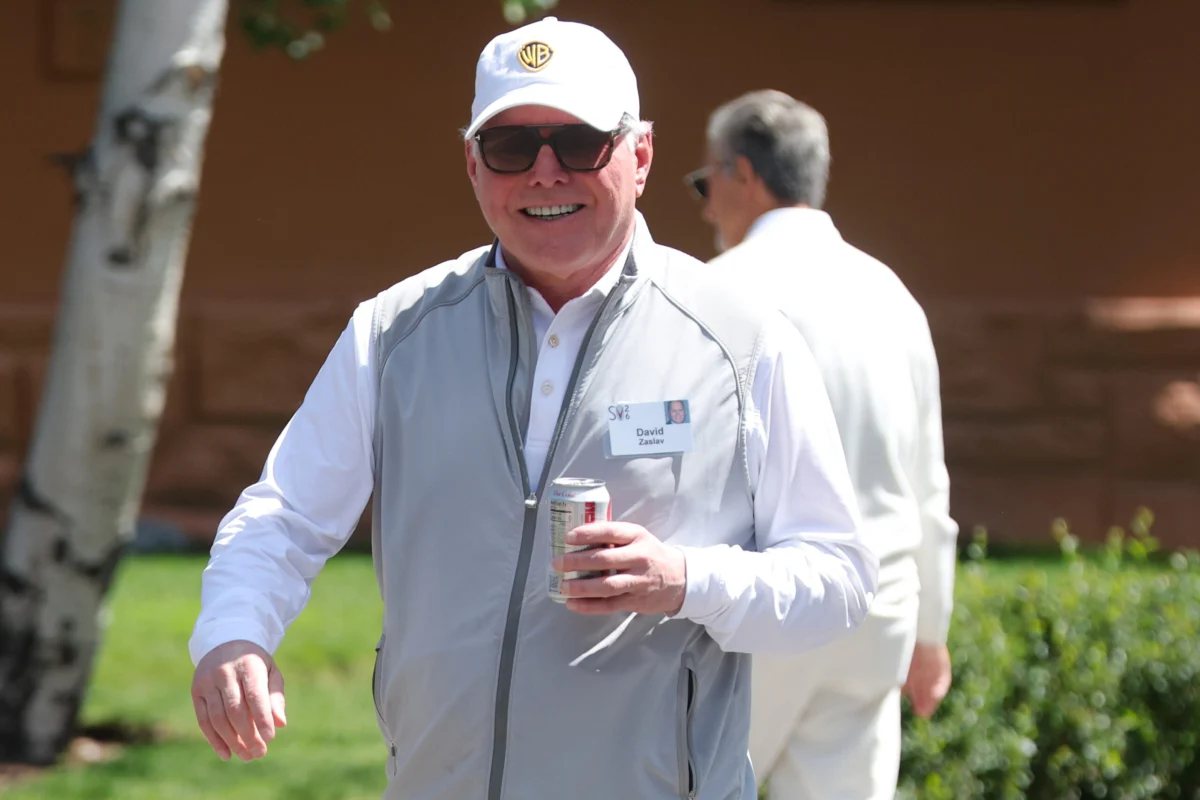
By Financial News Desk
Warner Bros. Discovery (WBD) CEO David Zaslav has executed a significant divestment of company equity, offloading approximately $59.5 million in shares. This strategic move, disclosed in a Monday SEC filing, comes at a pivotal juncture for the media conglomerate, which is currently navigating a high-stakes antitrust challenge and the closing stages of a massive $110 billion acquisition by Paramount.
The sale of 2.2 million shares represents the latest in a series of financial maneuvers by Zaslav as he seeks to capitalize on a long-awaited, though volatile, rebound in WBD’s market valuation. The timing of the transaction—occurring mere hours after a coalition of 12 states filed a lawsuit to block the Paramount-WBD merger—has ignited speculation among analysts regarding executive confidence and the broader stability of the media landscape.
The Financial Context: A Tale of Two Valuations
To understand the weight of Zaslav’s recent sale, one must examine the trajectory of WBD’s stock over the past eighteen months. While the company has seen its shares sag by approximately 6% thus far in 2026, closing Monday at $27.09, this figure belies the substantial recovery the stock has enjoyed since the autumn of 2025.
Last fall, WBD shares were effectively moribund, languishing as investors questioned the company’s debt load and the viability of its streaming strategy. However, the emergence of a bidding war changed the narrative entirely. What began as speculative interest from industry titans—including Netflix, Comcast, and Paramount—eventually narrowed to a singular path. As Paramount emerged as the sole suitor, market optimism surged, effectively doubling the value of WBD stock from its previous lows.
Zaslav’s decision to liquidate $59.5 million worth of stock follows a more substantial move in March 2026, when he sold 4 million shares for $114 million. These combined sales reflect an executive team actively securing liquidity as the company approaches a transformative, albeit legally contested, future.
Chronology of the Executive Exit
The pattern of stock sales among the WBD leadership team is not an isolated phenomenon. It represents a coordinated effort to realize gains following a period of intense organizational restructuring.
- April 2022: David Zaslav is officially installed as the CEO of the newly formed Warner Bros. Discovery, following the complex merger of WarnerMedia and Discovery Communications.
- 2023–2025: A period of internal friction and market skepticism. WBD’s share price remains under pressure as the company works to integrate massive operations and address the decline of linear television revenue.
- Autumn 2025: Rumors of acquisition interest trigger a rally. The entry of Netflix, Comcast, and Paramount into the conversation provides the necessary momentum to revitalize the company’s stock.
- March 2026: Zaslav initiates a large-scale sale of 4 million shares, netting $114 million. This event serves as the first major signal that leadership is moving to cash in on the "merger bounce."
- May 2026: 12 states file an antitrust lawsuit to halt the $110 billion Paramount-WBD deal.
- May 2026 (Same Day): Hours after the legal filing, SEC documents reveal Zaslav’s sale of an additional 2.2 million shares.
Supporting Data: The Anatomy of a $800 Million Payout
While the $59.5 million sale is significant, it is viewed by market observers as a mere "down payment" on the total compensation Zaslav stands to receive. Industry experts estimate that his total take-home compensation upon the successful closure of the Paramount merger could reach $800 million.
This astronomical figure is heavily back-loaded in the form of equity awards and performance-based incentives. Under the terms of his contract, the merger serves as a triggering event for massive vesting schedules. Because the bulk of this compensation is tied to the stock’s performance, Zaslav’s personal wealth is intrinsically linked to the completion of the deal, providing him with a powerful incentive to see the regulatory hurdles overcome.
However, he is not alone in this strategy. The "cashing out" phenomenon has permeated the upper echelons of WBD management. Recent filings show that a significant portion of the C-suite has followed suit, including:
- Gunnar Wiedenfels: Chief Financial Officer
- Bruce Campbell: Chief Revenue & Strategy Officer
- Lori Locke: Chief Accounting Officer
- Gerhard Zeiler: President of International
- JB Perrette: Global Streaming President & CEO
- Priya Aiyar: Chief Legal Officer
- Amy Girdwood: Chief HR Officer
The synchronized nature of these sales suggests a consensus among the leadership team that the stock has reached a near-term ceiling, or that they are prioritizing risk mitigation ahead of the complex regulatory battle that lies ahead.
Official Responses and Corporate Stance
As of Tuesday morning, Warner Bros. Discovery has maintained a disciplined silence regarding the specific timing of Zaslav’s stock sale. Typically, such transactions are part of pre-arranged 10b5-1 trading plans—mechanisms designed to allow corporate insiders to sell stock without triggering accusations of insider trading, as the sales are scheduled in advance regardless of subsequent market news.
However, the juxtaposition of the antitrust lawsuit and the stock sale has put the company’s legal and communications teams under immense pressure. In a brief statement, a WBD spokesperson noted: "The company’s leadership remains fully committed to the strategic vision of the merger and is confident in the regulatory process."
Conversely, the attorneys general from the 12 states involved in the antitrust suit have been vocal. Their argument centers on the claim that the merger would create an anti-competitive behemoth, stifling innovation in content distribution and unfairly consolidating power in the streaming and film production markets. They argue that the sheer scale of the combined entity poses a threat to consumer choice, a claim that WBD vehemently denies.
Implications: A High-Stakes Legal and Market Battle
The ramifications of this situation extend far beyond the personal balance sheets of WBD’s executives. The outcome of the antitrust lawsuit will likely set a precedent for the future of media consolidation in the United States.
1. Market Volatility
The fact that 12 states have unified against the deal suggests that the federal government—and potentially the Department of Justice—will face significant political pressure to intervene more aggressively. If the courts issue an injunction against the merger, WBD shares are expected to face a sharp correction, as the "merger premium" currently baked into the price would evaporate.
2. Executive Credibility
Zaslav’s reputation as a "turnaround artist" is on the line. While he successfully navigated the Discovery-WarnerMedia integration, the Paramount deal is of a different magnitude. By selling shares during a moment of legal crisis, he risks alienating institutional investors who may interpret the move as a lack of long-term conviction in the combined entity’s standalone potential.
3. The Future of Streaming
The Paramount-WBD union is fundamentally an attempt to create a "super-streamer" capable of competing with the global scale of Netflix and the technical infrastructure of Amazon and Apple. If the deal is blocked, the streaming industry will remain fragmented, likely forcing WBD to reconsider its standalone strategy, which could include further cost-cutting, asset divestitures, or even the exploration of a different partner.
4. Regulatory Precedent
This case will test the strength of current antitrust interpretations in the Biden-era regulatory environment. The Biden administration has shown a heightened sensitivity to corporate mergers that lead to market concentration. The outcome will signal to other media conglomerates whether the era of "mega-mergers" is truly over, or if such deals can still be cleared through strategic concessions.
Conclusion
As David Zaslav navigates the final, turbulent months of the proposed merger, the optics of his multi-million dollar stock divestment will undoubtedly remain a focal point for shareholders and regulators alike. Whether these sales are simply part of a standard, pre-planned compensation strategy or a calculated hedge against a looming legal defeat, they underscore the high-pressure environment in which the modern media executive operates.
For now, the eyes of Wall Street remain fixed on the courts. As the 12-state coalition prepares its arguments, WBD’s leadership must demonstrate that their focus remains on the long-term health of the company, even as they take significant steps to secure their personal financial legacies. The coming months will determine if the $800 million payday becomes a reality or if the merger—and the recovery of WBD stock—will become another cautionary tale in the volatile history of Hollywood consolidation.


 Evan Lee Salim
 Siti Muinah