

In the hyper-competitive arena of the $20 billion U.S. energy drink market, few brand turnarounds are as ambitious—or as potentially lucrative—as the one currently underway at Celsius Holdings. Following its 2025 acquisition of Rockstar Energy from PepsiCo, Celsius is moving with surgical precision to resurrect a brand that once defined the “traditional” energy category but has seen its influence wane in the face of modern, health-conscious competitors.
This transformation, anchored by a new “Live Loud” identity and a strategic return to the brand’s counter-culture roots, represents more than just a packaging update. It is a calculated effort to capture the one-third of new category consumers who remain loyal to the bold, high-intensity flavor profiles of the original energy drink era.
The Chronology of a Power Shift
The narrative of Rockstar Energy is one of rapid ascent, corporate integration, and the necessity of reinvention.
- 2001: Rockstar Energy is founded, quickly positioning itself as a disruptive, high-caffeine powerhouse that challenges the status quo of the early energy drink market.
- 2020: PepsiCo acquires Rockstar for $3.85 billion, aiming to bolster its portfolio against rivals like Monster Energy. However, under the corporate umbrella, the brand struggles to maintain its distinct, edgy identity, shifting toward a broader, more sanitized appeal that alienated its core demographic.
- 2025: Celsius Holdings enters a transformative partnership with PepsiCo, officially acquiring the Rockstar brand. The deal is seen as a strategic play to round out the Celsius portfolio, which includes its flagship functional energy drink and the women-focused brand, Alani Nu.
- Early 2026: Celsius begins a massive internal restructuring of the brand’s marketing and creative leadership, appointing industry veteran Rishi Daing as Chief Marketing Officer to lead the overhaul.
- Mid-2026: The launch of “Live Loud” marks the official departure from the PepsiCo-era branding, signaling a return to the high-contrast yellow aesthetics and disruptive marketing tactics that originally defined the brand.
Supporting Data: A Market in Flux
Celsius Holdings enters this project from a position of immense strength. The company reported record-breaking first-quarter revenue of $783 million in 2026, capturing over 20% dollar share of the total U.S. energy market. This performance builds on a staggering 2025, where the company saw full-year revenue climb 85.5% to $2.5 billion.
However, management is acutely aware of the market’s bifurcation. While “modern” energy drinks—those focusing on health, fitness, and clean ingredients—are the current industry darlings, the “traditional” segment remains surprisingly resilient. According to internal and market data, approximately 33% of new consumers entering the energy drink category still gravitate toward the bold, traditional experience that Rockstar once pioneered.
“Everybody’s talking about modern energy—I describe it as the second gold rush for energy drinks—but the fact remains that about a third of new consumers coming in still like traditional energy,” notes CMO Rishi Daing. The goal for Celsius is to leverage the “in-built inherent equity” of the Rockstar name, which leadership believes is currently undervalued compared to its actual market share.
Official Responses and Strategic Vision
The leadership at Celsius, including CFO Jarrod Langhans, has signaled that the investment in Rockstar is part of a broader, aggressive growth strategy for the 2026 fiscal year. During a recent earnings call, Langhans emphasized that the company is doubling down on marketing investments throughout the summer selling period, aiming to solidify its earnings profile while aggressively reclaiming shelf space.
The strategic vision for the revival rests on the shoulders of Rishi Daing, a veteran with over two decades of marketing experience, including a 15-year tenure at PepsiCo. Daing’s philosophy is rooted in the belief that Rockstar’s failure in recent years was a failure of relevance, not brand value.
“Our consumers have aged; we just haven’t brought in the next generation,” Daing explained. “To use the language of 15 or 25 years ago is simply not relevant to the 20-year-old of today. We are modernizing the tone and voice to bridge that gap.”
Implications: The Return to "Live Loud"
The “Live Loud” campaign is the tip of the spear in this revival. The initiative is a direct repudiation of the simplified, broad-appeal look adopted during the PepsiCo years. By bringing back the iconic yellow color palette and embracing a more aggressive, “disruptive” ethos, Celsius is effectively attempting to re-capture the brand’s “hard rock” DNA.
The Subculture Strategy
Unlike competitors who chase massive, mainstream spectacles like Coachella, Rockstar is pivoting toward the “subcultures” that initially fueled its growth. The brand is focusing on smaller, hyper-engaged music festivals—such as Las Vegas’s Sick New World, Columbus’s Sonic Temple Art and Music Festival, and Salt Lake City’s Kilby Block Party.
“We want to find those smaller venues, also those smaller, emerging artists that are crowding the 1,000-person venue, not necessarily the 50,000-person venue,” says Daing. By embedding the brand in the local music scene, Celsius aims to foster authentic, grassroots loyalty that is difficult for larger competitors to replicate.
NASCAR and the Geographical Pivot
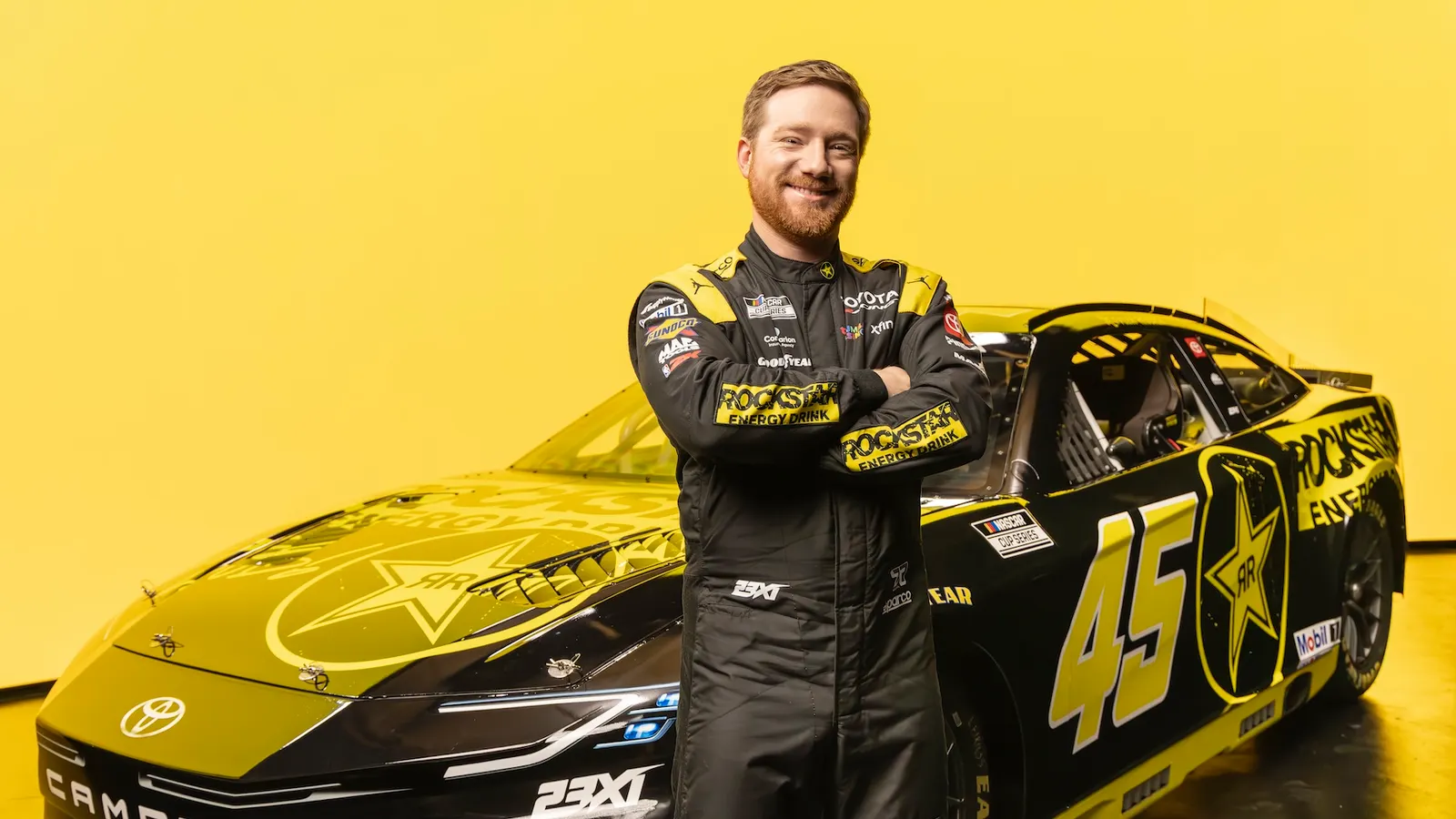
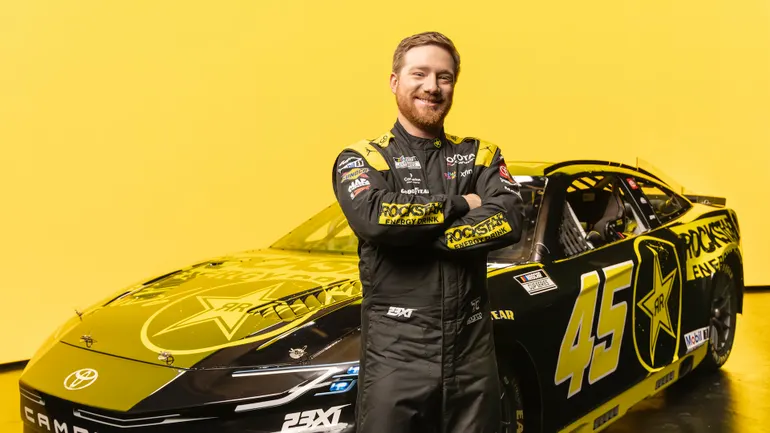
Perhaps the most significant strategic maneuver is Rockstar’s re-entry into NASCAR. The brand has signed a multiyear partnership with driver Tyler Reddick and the 23XI Racing organization, co-founded by Michael Jordan.
This is a calculated geographical play. While Rockstar remains strong on the West Coast, it has seen its market share in the East and South dwindle significantly. NASCAR provides a massive, built-in audience in these regions. By integrating with a high-performing driver like Reddick, who has already made history in the 2026 season, Rockstar is attempting to re-establish a cultural foothold in regions where the brand’s presence had effectively "fallen off."
The Competitive Landscape
The path forward for Rockstar is not without challenges. It must contend with established titans like Monster Energy and Red Bull, both of which have mastered the art of sports and music sponsorships. However, by positioning itself as the “authentic” choice for the traditional energy consumer—and by benefiting from the operational efficiencies of the Celsius distribution network—Rockstar has a unique window of opportunity.
The success of this endeavor will be measured by more than just top-line revenue; it will be judged by the brand’s ability to win back the "next generation" of energy drinkers. If Daing and his team can successfully translate the grit of 2000s-era rock energy for the digital-native, 20-year-old consumer, Rockstar could well become the most successful turnaround story in the beverage industry this decade.
As Celsius Holdings continues to execute its vision, the industry is watching closely. The “second gold rush” is not just about new brands; it is about the ability of legacy giants to shed their corporate skin and remember what made them “Rockstars” in the first place. For now, the focus remains on the summer, the tracks, and the small, loud venues where the brand is betting its future.











