Jia Lissa
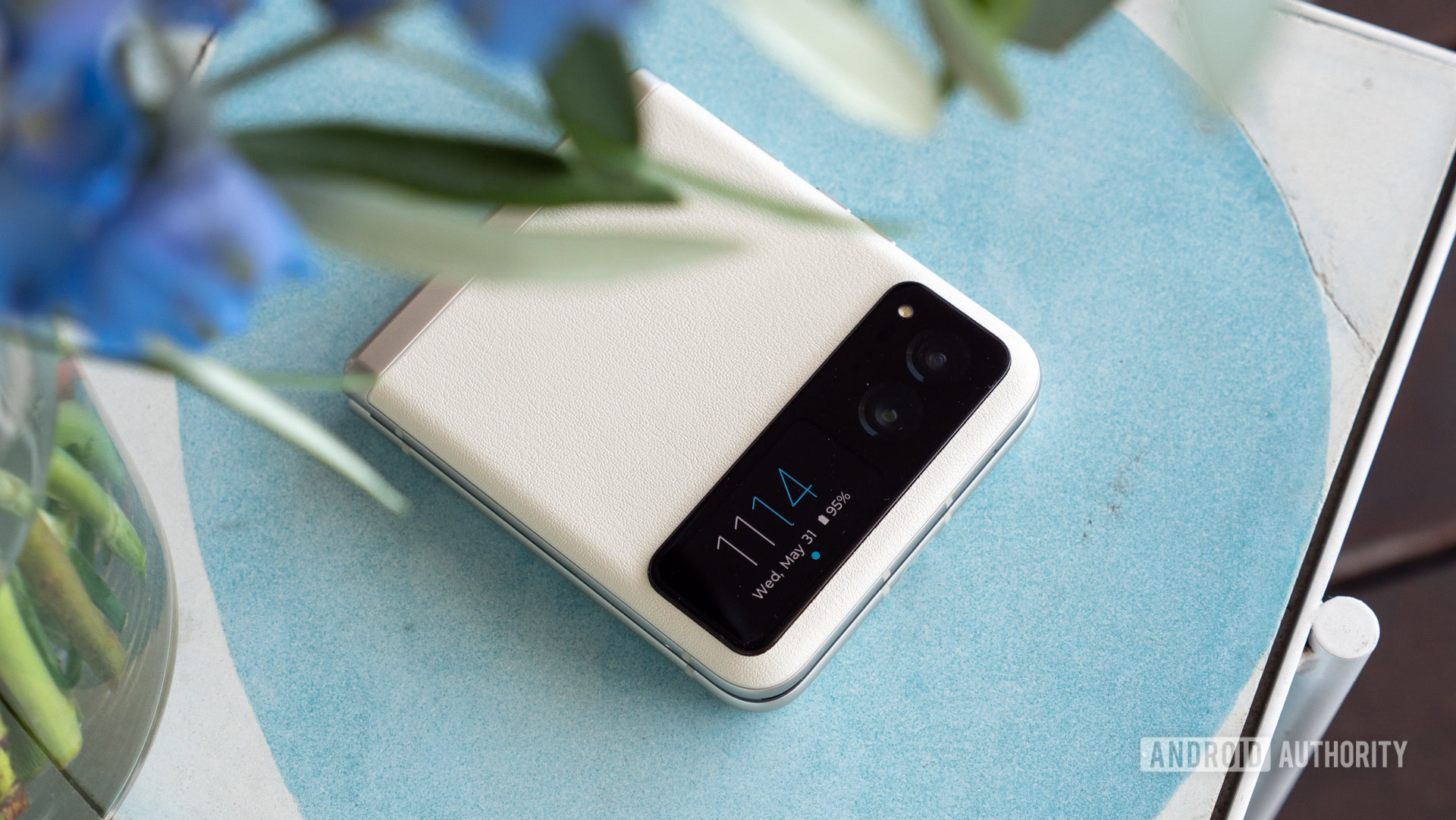
Motorola has officially begun the rollout of Android 16 for the 2023 iteration of its iconic Razr foldable series. This update marks a significant milestone for owners of the device, who have long awaited the latest major OS upgrade from the manufacturer. While Motorola has historically faced scrutiny regarding the cadence and longevity of its software support, this deployment signals a concerted effort to bring the Razr (2023) and its international counterpart, the Razr 40 Ultra, into the modern Android ecosystem.
The update, which is being pushed out via an over-the-air (OTA) package, carries the build number W1TZ36H.24-71 and weighs in at approximately 2.21GB. For many users, this represents the most significant software refresh the device has received since its initial launch.
Main Facts: What the Update Entails
The Android 16 update for the Motorola Razr (2023) is a comprehensive package designed to align the foldable’s software experience with current Google standards. According to the official changelog, the update introduces several key enhancements:
- Design and Customization: The update brings a more expressive, refined visual language to the operating system, allowing for deeper system-wide personalization that leverages the unique form factor of the foldable display.
- Enhanced Security Protocols: Android 16 includes robust new protections against malicious applications, ensuring that user data remains siloed and secure even in the event of an external threat.
- Improved Connectivity: The update introduces better compatibility and stability for Bluetooth LE (Low Energy) Audio devices, a critical feature for users who rely on modern wireless earbuds and high-fidelity audio equipment.
- Transparency and Control: Users will now benefit from greater transparency regarding background application activity, giving them granular control over which processes are permitted to consume resources when the device is idle or folded.
- Security Patches: Beyond the core Android 16 features, the update bundles the latest security patches, addressing various vulnerabilities identified in previous versions of the software.
Despite these advancements, there is a notable omission. Motorola has opted not to include the redesigned "Quick Settings" interface that debuted on Google’s flagship devices with Android 16. While this may be a disappointment for users seeking a complete aesthetic overhaul, it reflects the company’s ongoing strategy of maintaining its own UI skin atop the Android foundation.
Chronology: The Road to Android 16
The journey to this update has been a subject of frustration for the Motorola community. Since the release of the Razr (2023), the company has faced consistent pressure from consumers and tech critics alike regarding its software update policy.
The Initial Launch
When the Motorola Razr (2023) was released, it was positioned as a premium, stylish entry into the foldable market. However, reviewers and early adopters quickly noted that while the hardware was top-tier, the promise of long-term software support remained vague.
The Waiting Game
Throughout 2024 and early 2025, competitors like Samsung and Google established a standard of five to seven years of guaranteed software support. During this period, Motorola’s update schedule appeared inconsistent, with major OS releases often arriving months after their official launch on Pixel devices. This led to a growing sentiment of dissatisfaction within the user base, leading to heated discussions on forums like Reddit, where users questioned whether their foldable investment would be left behind.
The Turning Point
The current rollout began in earnest during the third quarter of 2026. Android Authority confirmed the arrival of the update on specific units, shortly followed by a wave of reports from international users of the Razr 40 Ultra. The phased approach, typical of Motorola’s deployment strategy, has seen the update arrive in segments based on geographic region and carrier agreements, ensuring that the company can monitor for critical bugs before a wider global release.
Supporting Data and Technical Context
The sheer size of the update—2.21GB—indicates the breadth of the changes being implemented. Unlike minor security patches that simply overwrite specific system files, this update replaces a significant portion of the Android framework.
Installation Mechanics
Motorola has maintained its user-friendly installation process. The update package is designed to download and install in the background, allowing users to continue utilizing their devices for calls, messaging, and media consumption without interruption. The company has explicitly stated that personal data will remain unaffected, though standard industry best practices—such as performing a full cloud backup—are still strongly recommended before initiating the installation.
Regional and Carrier Fragmentation
The rollout is currently non-linear. Data from user reports suggests that unlocked, international versions of the Razr 40 Ultra are receiving the update slightly faster than carrier-locked versions in North America. This is a common bottleneck in the Android ecosystem, where service providers must first test and approve software updates for their specific network requirements, further delaying the delivery to the end user.
Official Responses and Corporate Strategy
Motorola has historically been tight-lipped regarding its specific software roadmap, often citing the complexity of optimizing software for foldable hardware. In response to recent public criticism regarding their update speeds, a company spokesperson previously noted, "Our commitment remains focused on delivering a stable, optimized experience that takes full advantage of our unique foldable hinge and display technologies. We prioritize quality over speed."
While this explanation has been met with skepticism, the arrival of Android 16 suggests that the company is attempting to pivot toward a more aggressive update schedule. Analysts suggest that this shift is not entirely altruistic; as the foldable market becomes increasingly competitive, software support has become a primary selling point for consumers. If Motorola wishes to compete with the likes of the Galaxy Z Flip series, it must demonstrate that it can support its devices for the duration of their physical lifespan.
Implications for the Future
The release of Android 16 for the Razr (2023) has several long-term implications for both Motorola and its customers.
1. Rebuilding Brand Trust
For a brand that relies heavily on nostalgia (the "Razr" name) and design-led marketing, software stability is essential for retaining customers. By providing this update, Motorola is signaling to its loyal user base that it is listening to the criticism. If the company continues to provide timely updates for its older foldables, it may succeed in shedding the reputation of being a "set it and forget it" manufacturer.
2. The Longevity of Foldable Hardware
Foldable phones are inherently fragile, and their screens have a finite lifespan. By extending the software life of the 2023 model, Motorola is making the device a more viable candidate for the secondary market. A phone that is still receiving the latest security updates and features is significantly more valuable than one that is stuck on an abandoned version of Android.
3. A Benchmark for Future Releases
This update serves as a litmus test for Motorola’s software division. The community will be watching closely to see if the transition to Android 16 introduces any significant battery drain, performance degradation, or bugs related to the foldable hinge mechanism. Should the update prove stable, it will provide a template for how the company can manage future major OS upgrades for its newer foldable lineups.
4. The "Quick Settings" Controversy
The exclusion of the new Quick Settings design is a point of contention. It highlights the divergence between "Stock Android" as interpreted by Google and the "MyUX" interface provided by Motorola. For power users, this choice feels like an unnecessary limitation. It remains to be seen whether Motorola will address this in a future incremental update or if this design choice is a permanent fixture of their current software philosophy.
Final Thoughts
The rollout of Android 16 for the Motorola Razr (2023) is a welcome development that breathes new life into a device that remains, in terms of hardware, a capable and stylish competitor in the foldable market. While the delay has been a point of friction, the delivery of the update proves that Motorola is capable of maintaining its devices when it chooses to prioritize them.
For current owners, the advice remains the same: keep an eye on your system update notifications over the coming days. As the rollout continues to expand, it is likely that the vast majority of users will have access to the latest features, security patches, and optimizations by the end of the month. This update is more than just a software version bump; it is a declaration that the Razr (2023) is not yet ready to be retired, and that Motorola is, however slowly, moving in the right direction regarding its commitment to long-term software support.

 Nila Kartika Wati
 Asep Darmawan