Suro Senen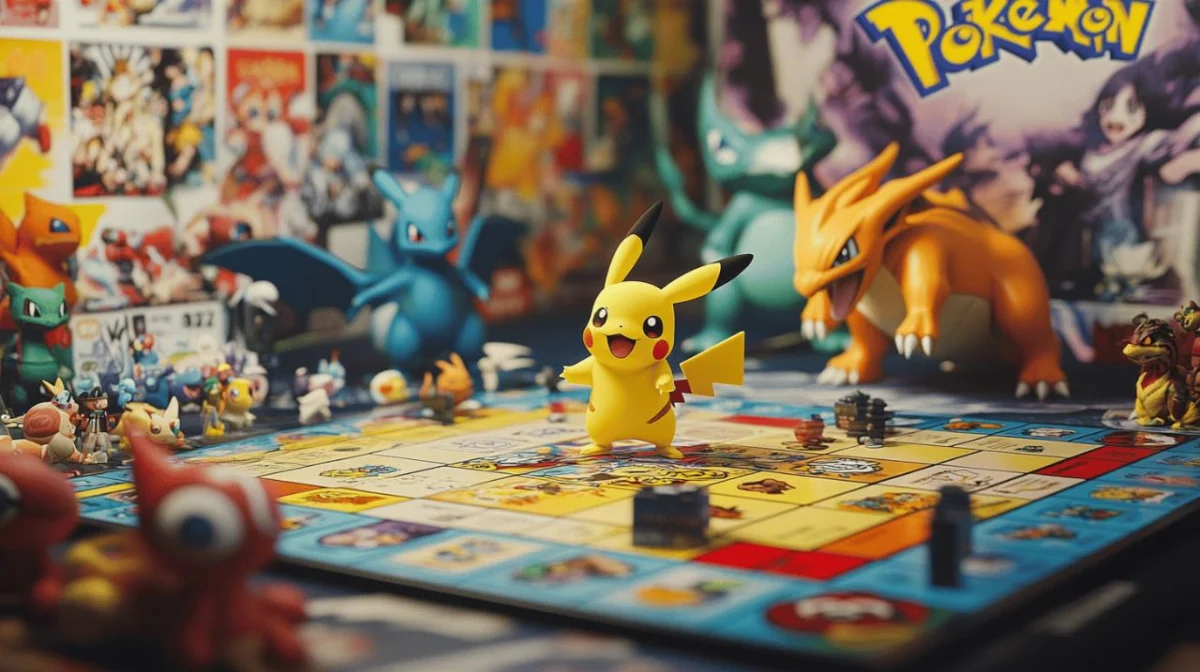
In a landmark collaboration that bridges the gap between classic tabletop gaming and the global phenomenon of monster-collecting, a new iteration of the world’s most famous real estate board game has arrived. This reimagined version of Monopoly does not merely swap colors and themes; it fundamentally alters the mechanics of the game to mirror the exhilarating journey of a Pokémon Trainer. Available at a competitive price point of €29.99, this edition invites players to trade the cutthroat world of property speculation for the adventurous, strategy-heavy pursuit of becoming a Pokémon Master.
Main Facts: A New Way to Play
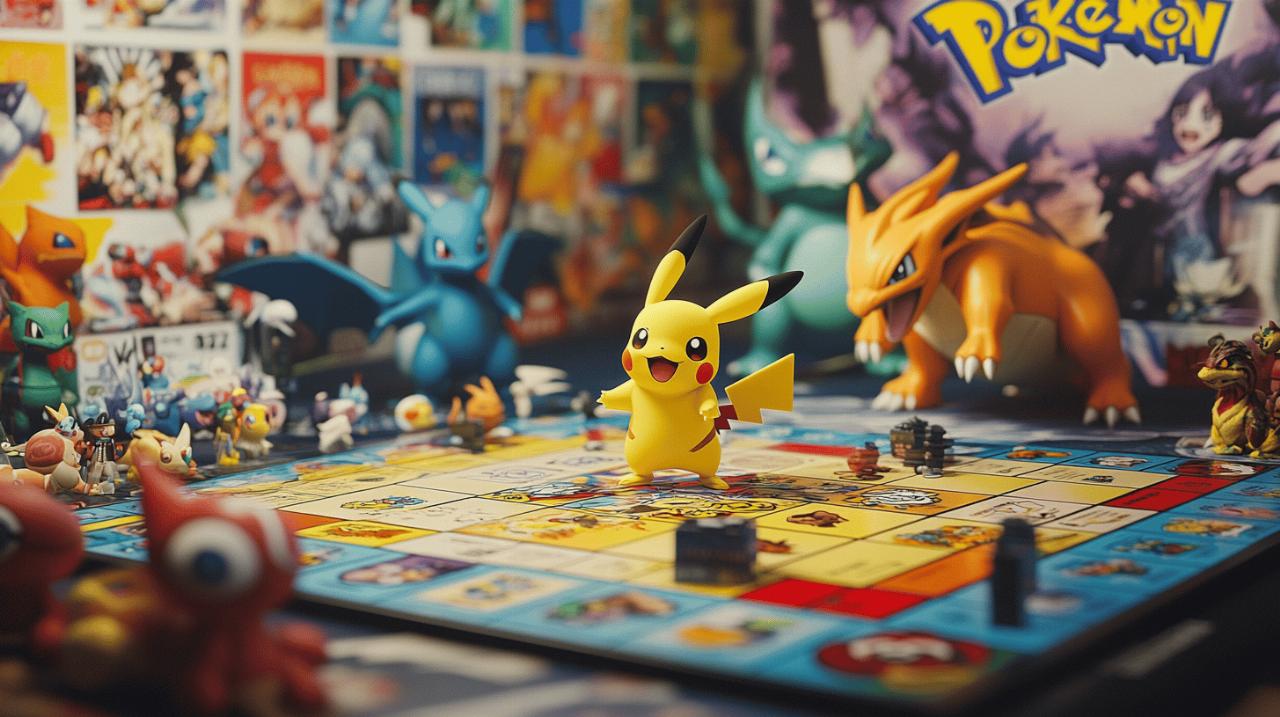
At its core, this edition maintains the familiar board structure while undergoing a complete aesthetic and functional overhaul. The traditional streets of Atlantic City—or Paris, depending on the localized version—have been replaced by iconic locales from the Kanto region. Players move across the board, traversing from the humble roots of Pallet Town to the bustling, metropolitan streets of Saffron City.
Perhaps the most significant departure from the classic formula is the removal of paper currency. In this edition, the economy is powered by Poké Balls. The objective is no longer to bankrupt opponents through rent collection, but to complete the most impressive collection of Pokémon. With 48 different creatures to catch, the game shifts the focus from accumulation of capital to the tactical acquisition of species. Players must navigate the board, manage their supply of Poké Balls, and utilize a specialized "Capture Die" to secure their finds.
Designed for 2 to 4 players, the game is accessible for children aged 8 and up, with an average play time of 45 minutes, making it an ideal choice for family game nights.
Chronology: From Concept to Tabletop
The development of this project began with a desire to celebrate the enduring legacy of the Pokémon franchise, which has captivated fans for nearly three decades.
- Early 2024: Industry rumors began circulating regarding a collaboration between the manufacturers of Monopoly and The Pokémon Company, aiming to modernize the board game experience for a generation raised on digital RPGs.
- Late 2024: Official design prototypes were finalized, shifting the board layout to focus on the Kanto region and introducing the core mechanics of the "Capture Die."
- January 2025: The game saw its official release in France and across European markets, immediately garnering attention for its unique blend of nostalgia and fresh mechanics.
- Ongoing: The game continues to roll out across major retail channels, including Amazon and specialty toy retailers like Smyth Toys, as demand remains high among both casual players and dedicated collectors.
Supporting Data and Technical Specifications
The game box includes a comprehensive set of materials designed to immerse the player in the Pokémon universe.
- Pawn Selection: Instead of the traditional iron or top hat, players choose from four highly detailed figurines: Pikachu, Sprigatito (Poussacha), Fuecoco (Chochodile), and Quaxly (Coiffeton).
- Game Currency: Poké Balls serve as the universal currency, used for movement and capture attempts.
- Victory Conditions: Unlike the original game where the last player standing wins by default, this version rewards the player who successfully builds a diverse team or maintains the highest balance of resources, encouraging a more nuanced approach to strategy.
- Accessibility: With a retail price of €29.99, the game is positioned as an accessible entry point for new fans, while its high-quality components and specialized capture rules appeal to veteran players who appreciate tactical depth.
- Market Reception: Current consumer sentiment, reflected by an average rating of 4.5/5, indicates that players appreciate the simplification of the rules compared to the original Monopoly, which can often become bogged down by complex real estate negotiations.
Official Responses and Industry Impact
The release of this edition has been met with significant enthusiasm from the gaming community. Spokespeople for the retail distributors have noted that the "Capture Mechanic" is the primary driver of interest, as it mimics the tension of the video games.
"We wanted to capture the essence of the trainer’s journey," stated an official source associated with the game’s design. "The transition from property owner to Pokémon Trainer feels natural because both involve risk, reward, and the thrill of the hunt."
Furthermore, industry analysts have pointed out that this crossover represents a significant shift in how legacy brands are being managed. By integrating the "Quest" structure—where players must complete challenges set by Professor Oak—the game moves away from being a static board game and into the realm of an evolving, narrative-driven experience.
Strategic Implications: How to Master the Game
For those looking to dominate the board, the strategy has evolved significantly. Success is no longer purely about luck or owning the most expensive squares.
The Art of Resource Management
The most critical skill in this game is the management of Poké Balls. Because these are required both to move through the board and to capture creatures, a player who spends their resources too early on low-level encounters will find themselves unable to compete when they land on rare, high-value Pokémon spots.
Leveraging Special Events
The inclusion of Professor Oak’s challenges adds a layer of depth. These events function as dynamic missions; for example, a player might be tasked with catching a specific type of Pokémon to receive a bonus. Mastering these quests is often the deciding factor in tight games, as they provide the extra resources needed to sustain a long-term strategy.
The Role of Legendary Encounters
The board features specific "Legendary Encounter" tiles. Landing on these spaces forces a player to make a difficult decision: do they risk a significant portion of their resources for a chance to catch a powerful, rare creature, or do they play it safe? These moments create high-stakes tension that separates the casual player from the seasoned strategist.
Implications for the Future of Board Gaming
This edition of Monopoly is more than a novelty item; it is a case study in how to refresh a century-old brand. By grafting the mechanics of one of the world’s most popular video game franchises onto the most iconic board game of all time, the manufacturers have successfully created a product that appeals to three generations of players simultaneously.
The Collector’s Perspective
For enthusiasts, this game is already being treated as a high-value collectible. The attention to detail—from the specialized figurines to the high-quality, durable game board—suggests that this edition will likely hold its value on the secondary market. Experts recommend keeping the original packaging and all components in a temperature-controlled environment to prevent degradation of the cardboard and paintwork.
A Gateway to Tabletop Gaming
Perhaps the most important implication of this collaboration is the potential for new players to enter the world of board gaming. Many young fans, drawn in by the familiar faces of Pikachu and his friends, are being introduced to the complex strategy inherent in resource management and probability. It serves as a pedagogical tool, teaching children about planning, decision-making, and the nature of risk, all within a safe, engaging, and familiar narrative framework.
In conclusion, this Pokémon-themed Monopoly represents a seamless fusion of two legendary worlds. By replacing the cold, clinical nature of real estate speculation with the vibrant, adventurous spirit of monster training, it provides a refreshing, highly replayable, and deeply satisfying experience. Whether you are a long-time fan of the Pokémon franchise or simply a lover of classic tabletop strategy, this edition is a testament to the fact that, when done right, innovation can breathe new life into even the most established traditions. With its accessible price, engaging mechanics, and high-quality design, it is poised to become a staple of households across the globe for years to come.

 Siti Muinah
 Azzam Bilal Chamdy