

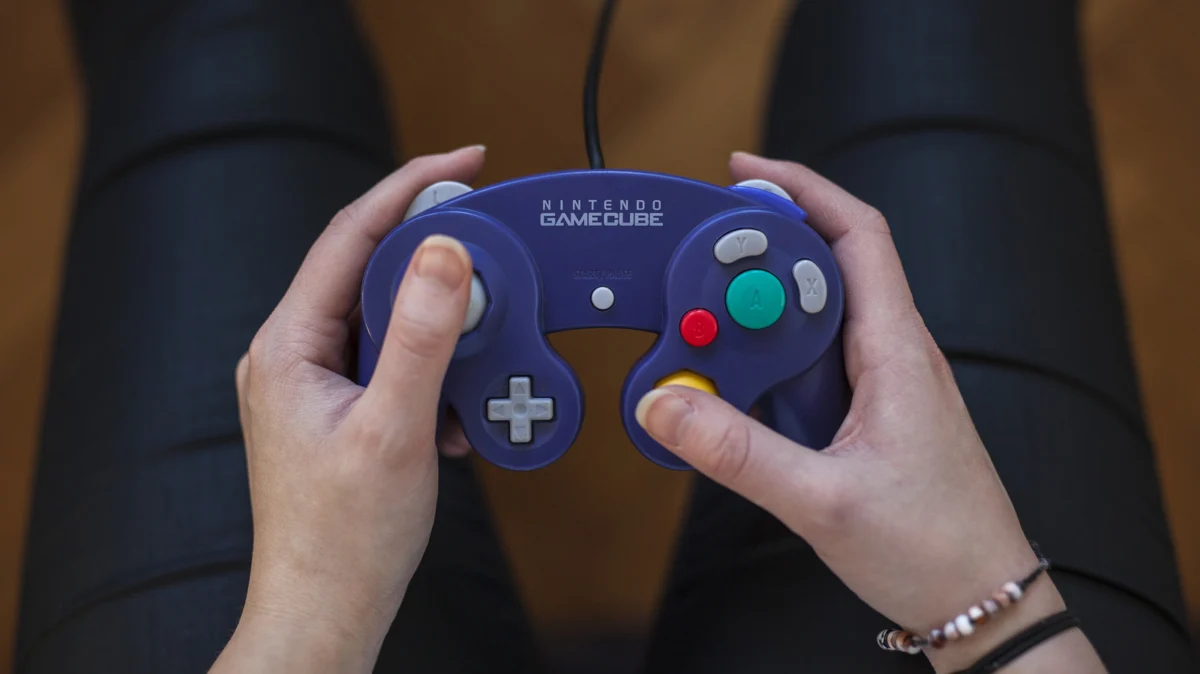
As the Nintendo GameCube (GCN) celebrates its 25th anniversary this year, the industry finds itself reflecting on a console that was, by commercial standards, a moderate performer. Yet, one component of that machine has achieved a level of cultural immortality rarely seen in the fast-moving world of consumer electronics: the GameCube controller.
While Nintendo has pivoted through motion controls, dual-screen setups, and hybrid tablet gaming, the GameCube controller has remained a constant. It is a rare piece of hardware that has been officially supported by every subsequent Nintendo home console, from the Wii to the Switch. It is not merely a relic; it is a preferred tool for millions of players. But how did a peripheral designed for a purple, lunchbox-shaped console at the turn of the millennium become the "gold standard" for gaming ergonomics?
The Anatomy of an Icon: A Unique Layout
To understand the longevity of the GameCube controller, one must first look at its unconventional design. In an era where the industry was standardizing on the PlayStation-style symmetrical controller—featuring four uniform diamond-shaped face buttons—Nintendo took a radical departure.
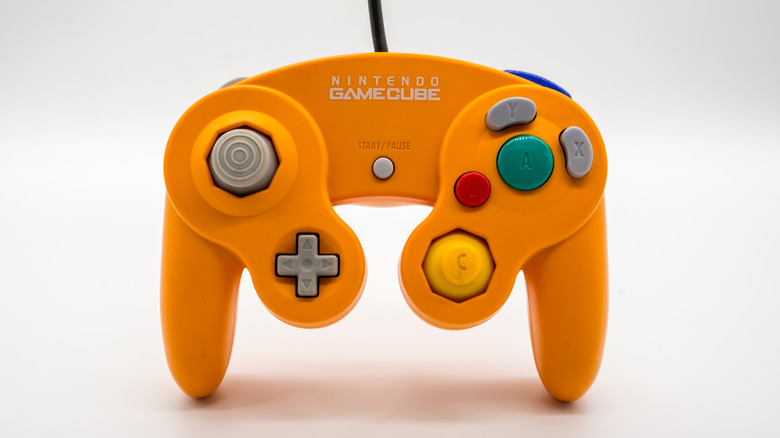
The controller features a prominent, oversized green "A" button, a diminutive red "B" button, and two kidney-shaped "X" and "Y" buttons. While critics initially mocked the layout as bizarre, the design philosophy was rooted in user-centered ergonomics. The primary button (A) is positioned at the center of the thumb’s resting position, ensuring that even a novice player understands it is the primary input. The varied sizes and shapes of the buttons allow for "tactile mapping," meaning a player can distinguish buttons by touch alone without needing to glance down at the controller—a critical feature for high-level competitive gaming.
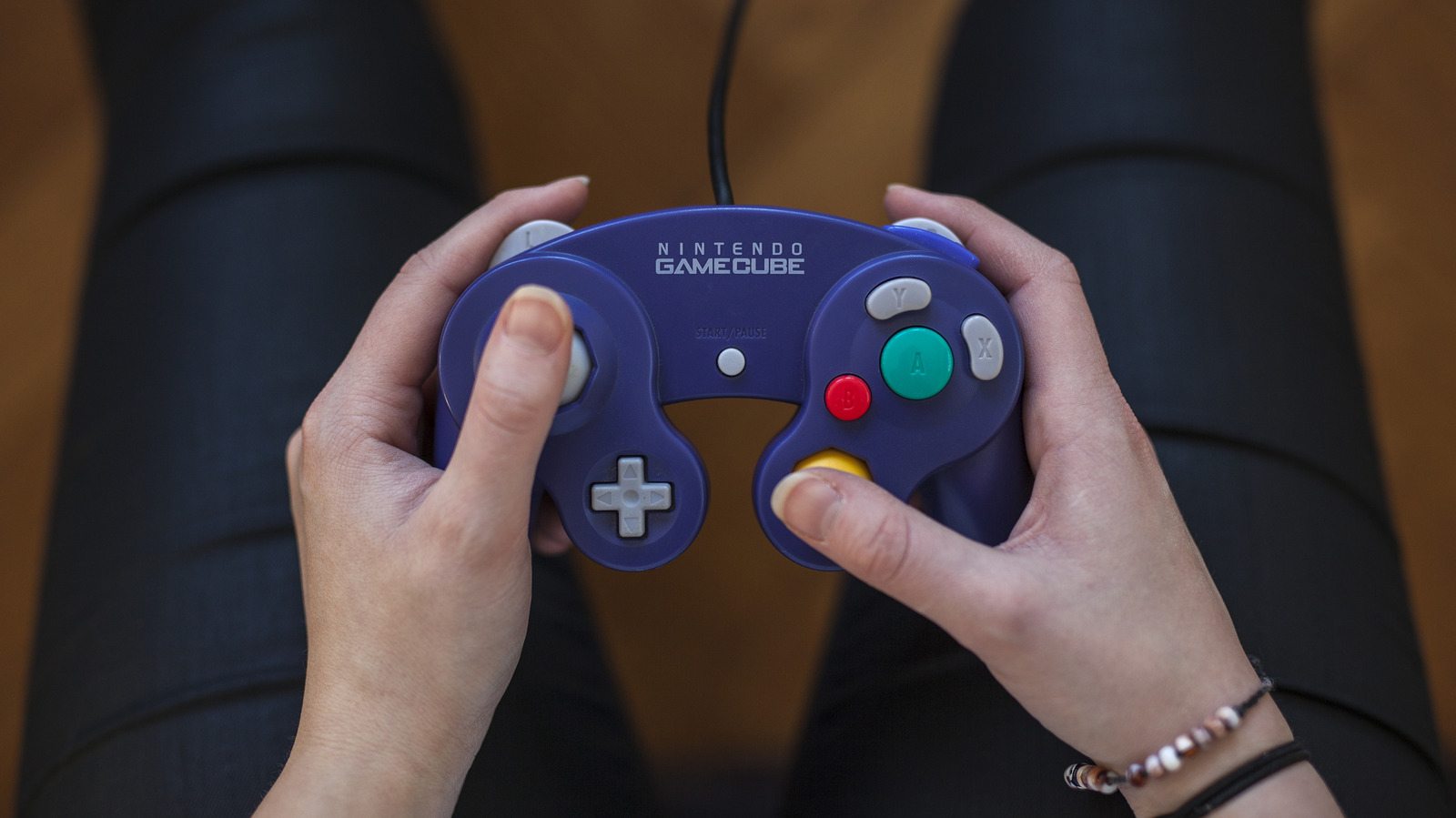
Furthermore, the integration of analog triggers—the L and R buttons—represented a leap in input fidelity. Unlike the digital "on/off" buttons of the time, these triggers responded to the depth of the press. Games like Super Mario Sunshine utilized this for nuanced movement, allowing Mario to precisely control the flow of water. This depth of input is something that modern digital-only buttons struggle to replicate, which is why ports of GCN-era games often feel "hollow" when played on modern standard controllers.
Finally, the inclusion of an octagonal "gate" around the primary analog stick remains a masterstroke of design. Unlike the circular gates found on modern Xbox or PlayStation controllers, the octagonal cutouts provide physical "notches" for the cardinal and diagonal directions. For games requiring high-precision movement—such as Super Monkey Ball or complex fighting game inputs—this physical guide acts as a training wheel for the thumb, ensuring that a 45-degree angle is hit perfectly every time.
A Quarter-Century of Evolution: A Chronology
The trajectory of the GameCube controller is a history of sustained relevance through three distinct phases:
- The Launch Era (2001–2006): The controller launched alongside the GCN, establishing the brand identity. It was here that the Super Smash Bros. phenomenon truly began, cementing the controller as the competitive standard.
- The Wireless Revolution (2002–2010): The introduction of the "WaveBird" in 2002 was a watershed moment. It was one of the first truly reliable wireless controllers. By using a proprietary radio frequency rather than line-of-sight infrared, it eliminated input lag and connection drops, setting the stage for modern wireless standards.
- The Renaissance (2014–Present): With the release of Super Smash Bros. for Wii U, Nintendo introduced a USB adapter that allowed legacy controllers to connect to modern hardware. This was repeated for the Nintendo Switch, ensuring that a controller designed in 2001 could play the best-selling fighting game of 2018.
The Super Smash Bros. Tradition
It is impossible to discuss the GCN controller without addressing its symbiotic relationship with the Super Smash Bros. franchise. When Super Smash Bros. Melee arrived in 2001, it birthed a competitive scene that has refused to die.
The game’s high skill ceiling, characterized by advanced techniques like "wavedashing" and "L-canceling," demands a controller that is both responsive and physically durable. The GCN controller’s button layout is perfectly optimized for the "jump-cancel" inputs required for these maneuvers. Because Melee remains a centerpiece of the global esports community, the demand for the original controller has never waned. Nintendo recognized this, re-releasing the controller in 2014 and 2018 specifically branded with the Smash logo, acknowledging that the community would accept no substitutes.
Supporting Data and Comparative Analysis
When comparing the GCN controller to its modern counterparts, the longevity is striking. The average life cycle of a modern controller—particularly those prone to the "stick drift" that has plagued the Nintendo Switch Joy-Cons—is often measured in a few years of heavy use. In contrast, it is common to find 20-year-old original GameCube controllers that function with near-factory precision.
The mechanical resilience of the analog sticks and the robust nature of the housing have made them highly sought after by collectors and pro-players alike. While the Joy-Con has been the subject of massive class-action lawsuits and a $40 million fine in France due to hardware failures, the GCN controller stands as a testament to the "Nintendo Quality" of the early 2000s.
However, the controller is not without its flaws. The "C-stick," a secondary nub used for camera control or secondary attacks, is widely considered the device’s weakest point. Its small, rubberized surface lacks the grip of modern sticks. Additionally, the D-pad is notoriously "mushy" and small, making it poorly suited for 2D platformers or retro games that require crisp directional input. Its irregular layout also makes it difficult to map to modern PC games or titles designed for the standard "diamond" button configuration.
Official Responses and Strategic Shifts
Nintendo has been remarkably candid about the controller’s role in their ecosystem. In recent years, they have pivoted from merely "allowing" the use of GCN controllers to actively supporting them as a premium feature.
In response to the popularity of the GameCube library on the Nintendo Switch Online service, Nintendo recently launched a modernized, wireless iteration of the controller. This updated model includes the essential "ZL" button and "Home" button required for navigating the Switch UI—features that were absent from the original 2001 design. By bridging the gap between retro feel and modern utility, Nintendo is effectively acknowledging that they have never designed a replacement that feels quite as "right" to the player base.
Implications for the Future of Hardware
The lasting appeal of the GameCube controller offers a lesson for the gaming industry: consistency breeds community. By maintaining a hardware standard, Nintendo has allowed muscle memory to be passed down through generations. A player who mastered Melee in 2001 can pick up a controller today and feel that same intuitive connection.
This "Nintendo magic"—the ability to create hardware that transcends its era—suggests that design excellence is not always about adding more buttons or haptic features. Sometimes, it is about finding the perfect ergonomic equilibrium. As we look toward the future of Nintendo’s next console, the question is not whether they will support the GameCube controller, but rather how much longer they can sustain a peripheral that has already outlived the company’s own experimental phases.
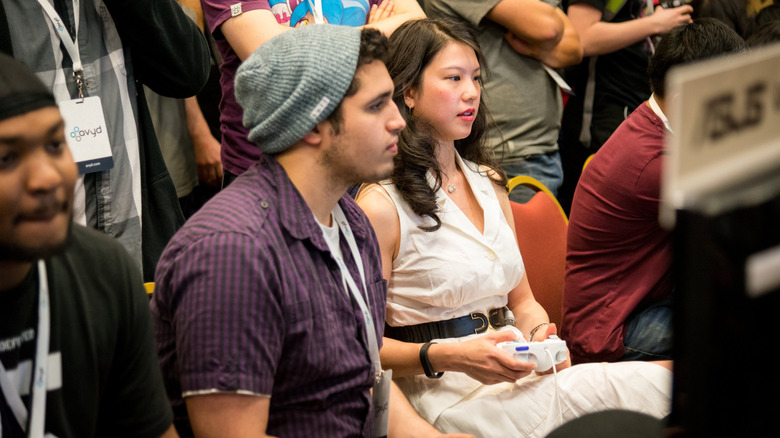
For now, the GameCube controller remains a triumph of industrial design. It is a reminder that in a world of planned obsolescence, a well-built, thoughtfully designed tool can remain the best in its class for a quarter-century. Whether you are a casual player enjoying a classic, or a competitive pro in the high-stakes world of Smash, the indigo-colored pad remains, in every sense of the word, the standard.











