Evan Lee Salim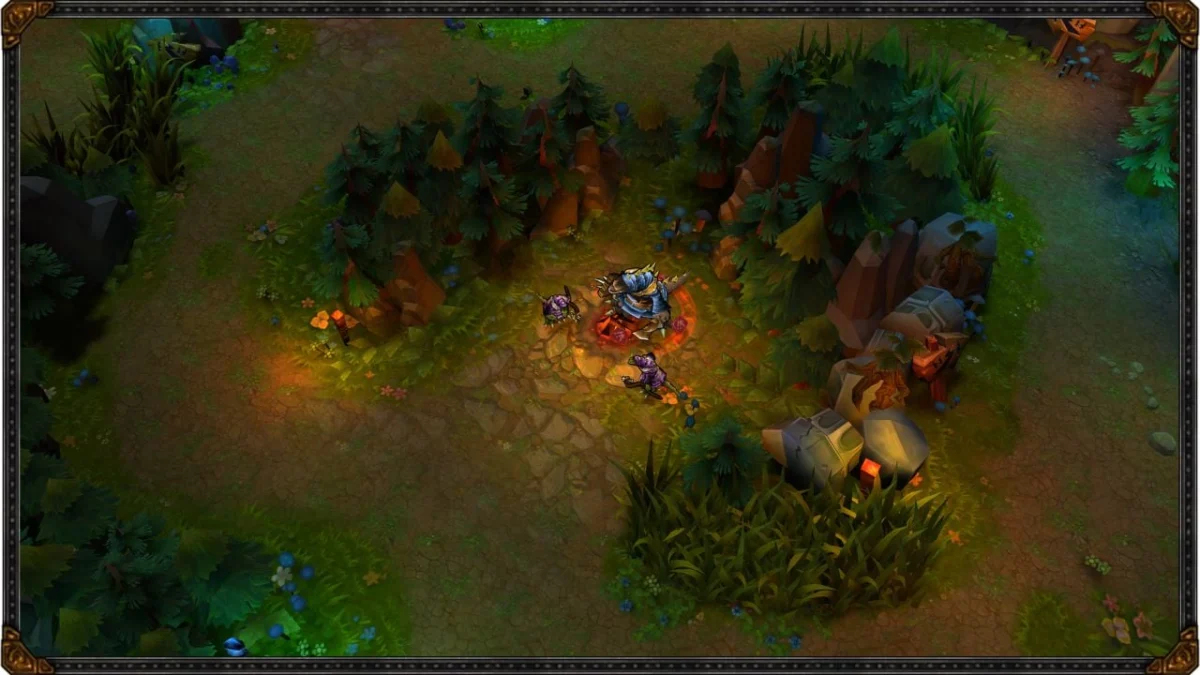
In a move that has sent shockwaves of excitement through the competitive gaming community, Riot Games has officially unveiled League of Legends Classic. After months of fervent speculation and years of community requests, the developer confirmed that this dedicated, throwback experience will be integrated into the main League of Legends client on July 29, 2026. This initiative marks a significant pivot for the studio, which has largely focused on modernizing its flagship title over the past decade. By resurrecting the early seasons’ aesthetics, mechanics, and volatile meta-games, Riot is betting that the allure of nostalgia will capture both veteran players who defined the game’s rise and newer fans curious about the origins of the genre.
The Genesis of a Classic Revival
The announcement follows a strategic teaser campaign that culminated in a formal reveal during the Mid-Season Invitational (MSI) Grand Final. Riot Games representative "Riot Pabro" took to the stage to explain the philosophy behind the project, noting that the decision was driven by an overwhelming and persistent demand from the player base.
"We’ve been wanting to do this for a long time—the community has been asking for it," Pabro stated during the announcement. The development team has faced the daunting task of reconstructing the game’s architecture to mirror its early iterations while ensuring it remains compatible with the modern Riot Games ecosystem. Unlike a simple "time travel" simulation, League of Legends Classic is designed as a curated collection of the game’s first few seasons, blending the most iconic elements of the 2010–2012 era with enough polish to ensure the experience is functional on modern hardware.
Chronology: From Rumors to Official Launch
The road to League of Legends Classic was neither quick nor straightforward. For years, the community operated on private servers—often referred to as "Chronoshift" or similar projects—that attempted to emulate the game’s earlier states. These projects were frequently met with legal intervention from Riot, leading to a long-standing tension between the developer and the purist segment of the player base.
- 2015–2023: The "Golden Era" nostalgia movement grows on platforms like Reddit and YouTube, with players calling for a legacy server.
- Early 2026: Riot Games begins internal testing of a legacy build, though they remain tight-lipped about a potential public release.
- July 2026: Riot drops the first official teasers across social media platforms, confirming that a "Classic" project is in development.
- July 12, 2026: Official unveiling at the MSI Grand Final, including a live showmatch to demonstrate the gameplay.
- July 29, 2026: Scheduled release date for the League of Legends Classic mode within the live client.
Unpacking the Content: What Defines ‘Classic’?
Riot Games has been explicit about what players can expect when they log in on July 29. The mode is not merely a visual filter; it is a mechanical overhaul that returns the game to its more rigid, albeit chaotic, roots.
The Roster and Gameplay Mechanics
The launch will feature the original 40 champions, bolstered by an additional 20 "classic" favorites that defined the game’s competitive landscape in its infancy. Beyond the roster, the return of the original mastery system—utilizing the classic offense, defense, and utility skill trees—is perhaps the most significant change. Players will find themselves once again managing complex stat-stick items and selecting runes in the old-school pre-game interface, a stark contrast to the simplified, rune-forged systems of the modern game.
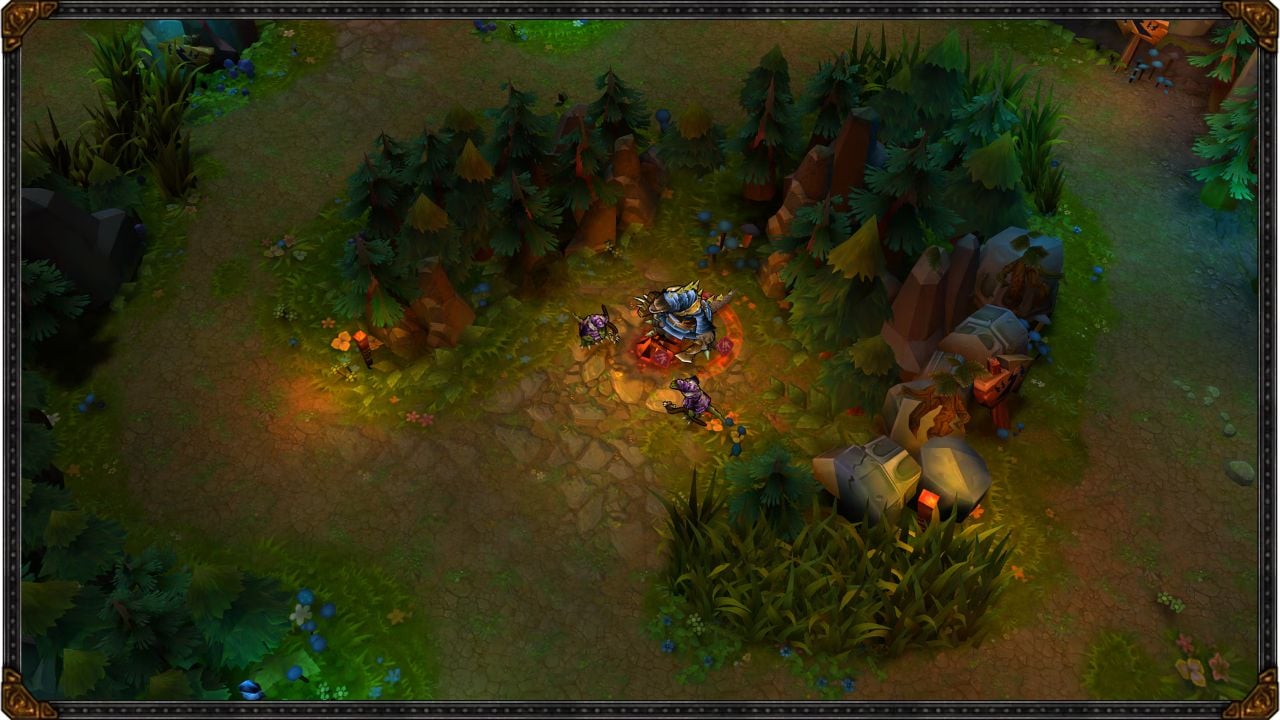
Riot Pabro clarified that the development team made deliberate curation choices: "We’ve taken some of the more fun character designs and some of the less egregious ones. We put the ones we knew were not that great back into storage." This implies that while the feel of the early game is being preserved, the team has exercised a degree of restraint to avoid re-introducing game-breaking bugs or design oversights that plagued the game during its beta and launch years.
The Meta and Community Influence
The return to the old-school map and itemization paths suggests a significant shift in the strategic landscape. Players will have to relearn how to lane, farm, and teamfight without the mobility creep that has become a staple of modern League of Legends. Furthermore, Riot has indicated that the future of the Classic experience will be largely democratic. Pabro noted that the community will be empowered to vote on the trajectory of the mode, potentially deciding which future "seasons" or specific patches to roll back to next.
Official Responses and Strategic Implications
The announcement of League of Legends Classic comes at a pivotal time for Riot Games. With the recent controversy surrounding updates to the company’s Terms of Service—which allow Riot to penalize players for off-platform conduct—the studio is clearly looking to generate goodwill among its core demographic.
The decision also follows the scaling back of the 2XKO development team, a move that signaled a shift in resource allocation. By focusing on League of Legends Classic, Riot is doubling down on its most successful asset. Rather than investing heavily in experimental spin-offs that may or may not find an audience, the company is leveraging its existing intellectual property to boost engagement metrics within the main client.
From an industry perspective, this is a calculated move to retain players who may be feeling "burnout" from the rapid pace of current League updates. The inclusion of the mode for free is a significant draw, ensuring that the barrier to entry is non-existent for existing players.
The Implications for the Future of MOBA Gaming
The success or failure of League of Legends Classic will likely set a precedent for the entire MOBA genre. If League can successfully maintain two distinct versions of itself—a modern, competitive live service and a nostalgic, community-driven classic mode—it could provide a blueprint for competitors like Dota 2 or Heroes of the Storm.
However, the challenge remains in maintaining the player base across two different game states. There is a risk of fragmenting the community, with some players migrating permanently to the Classic version, thereby reducing the population available for modern ranked queues. Yet, Riot seems to view this as a net positive: if a player is in the client, they are within the Riot ecosystem, regardless of which version they are playing.
Final Thoughts: A New Chapter for the Old Guard
As July 29 approaches, the anticipation is palpable. For many, League of Legends Classic is not just a game mode; it is a trip back to a simpler time when the game was defined by broken interactions, slower combat, and a sense of discovery that has been lost in the age of data-driven, optimized gameplay.
Whether the "Classic" experience will live up to the rose-tinted memories of the player base remains to be seen. The game’s original design was famously unbalanced, and the return of these mechanics will undoubtedly lead to moments of immense frustration—just as it did in 2010. However, for a community that has spent years asking for this specific experience, the flaws might just be part of the charm.
As Riot Games continues to evolve its business model and tighten its grip on player behavior, League of Legends Classic stands as a reminder of where it all began. It is a bold, nostalgic, and strategic play that highlights the company’s ability to listen to its audience, even when that audience asks them to look backward instead of forward. On July 29, the Rift will look a little different—and for millions of players, it will feel like coming home.

 Sagoh
Sagoh
 Ammar Sabilarrohman