Rifan Muazin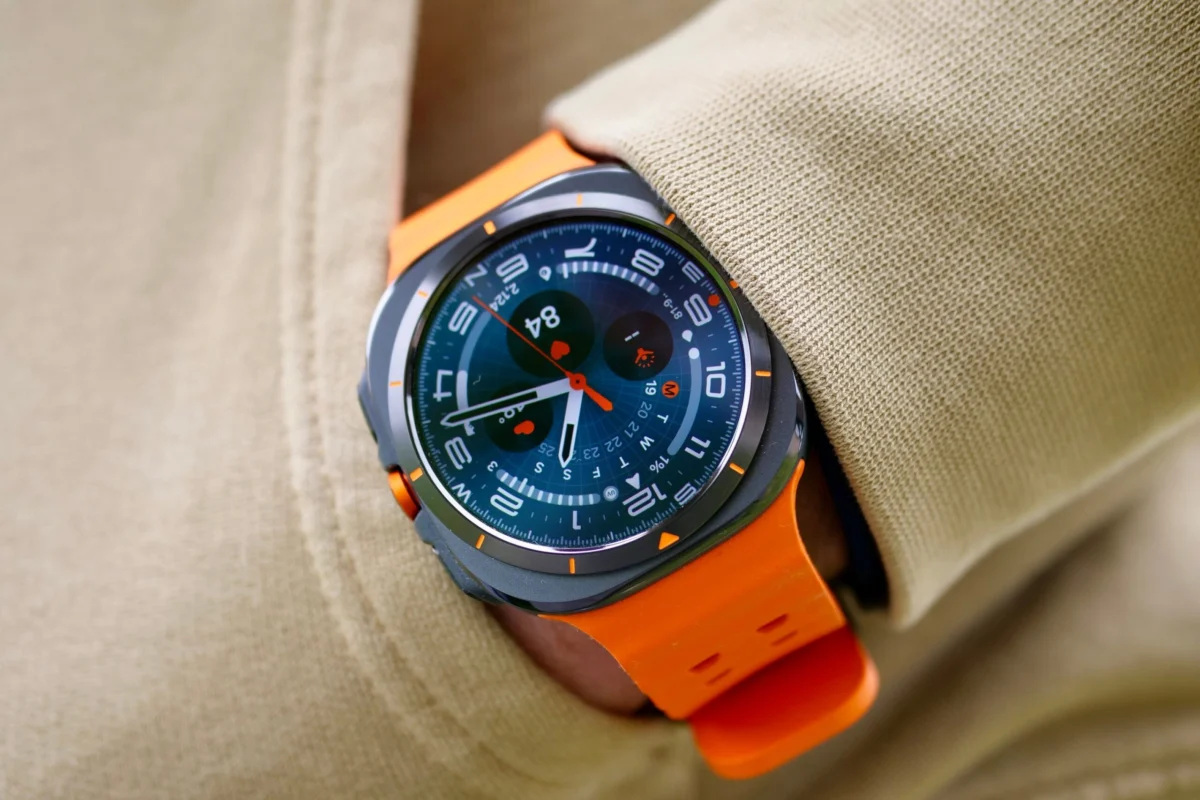
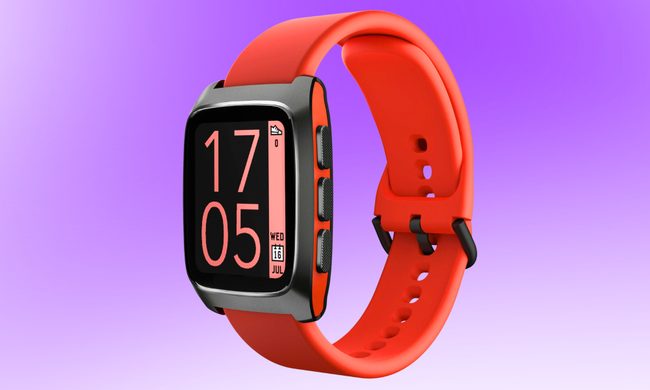
As the tech industry converges on the July 22 Galaxy Unpacked event, the spotlight is shifting from the expected foldable smartphones to a fundamental transformation in wearable technology. Samsung has officially teased its upcoming smartwatch lineup, signaling a move away from the "data-logging" era of wearables toward a future defined by proactive, AI-driven health management.
By positioning its next-generation smartwatches as a holistic "AI-powered health companion," Samsung is attempting to redefine the role of the wrist-worn device from a passive screen for notifications into an active, intelligent partner in personal wellness.
The Core Vision: From Passive Logging to Proactive Insights
For the past decade, the smartwatch market has been defined by granular data collection. Users have become accustomed to seeing charts detailing their steps, heart rate, and sleep duration. However, this raw data often lacks context, leaving users to wonder what their numbers actually signify.
Samsung’s latest initiative aims to bridge this gap. According to the company’s recent newsroom briefing, the new Galaxy Watch will leverage artificial intelligence to interpret complex physiological signals. Rather than simply logging that a user had a restless night, the watch will synthesize data regarding sleep apnea indicators, energy levels, and stress biomarkers to provide actionable, personalized recommendations.
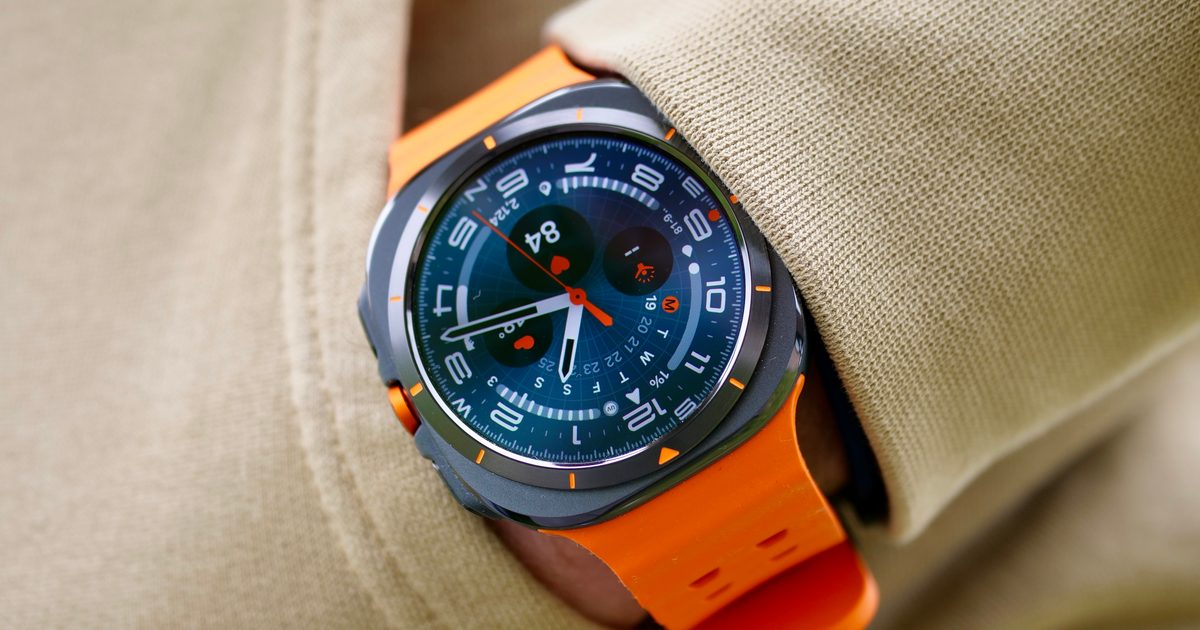
This shift suggests that Samsung is moving toward a "consultative" model. By synthesizing longitudinal data, the AI engine can identify trends that might otherwise go unnoticed—such as a correlation between high-stress days and decreased sleep quality—offering the user context-aware suggestions to improve their daily habits.
A Chronology of the Wearable Evolution
The trajectory of the Galaxy Watch series has always been ambitious, but the leap into on-device AI represents the most significant architectural change in the product’s history.
- The Early Years (2013–2017): The initial Galaxy Gear and early Gear S models focused primarily on connectivity and notification management. Health tracking was a secondary feature, limited to basic step counting and heart rate monitoring.
- The Sensor Revolution (2018–2022): With the transition to the Galaxy Watch brand and Wear OS, Samsung integrated advanced sensors, including ECG, blood pressure monitoring, and body composition analysis (BIA). These devices became powerful diagnostic tools, though they remained largely dependent on manual user interpretation.
- The AI Integration Era (2023–Present): Samsung began laying the groundwork for AI-driven insights through the Samsung Health platform. The upcoming launch marks the first time this intelligence is being moved from the cloud directly onto the silicon of the watch, ensuring faster, more private, and more reliable processing.
Hardware Under the Hood: The Snapdragon Wear Elite
While the software features are the "what," the hardware is the "how." Industry insiders and recent leaks indicate that Samsung is abandoning its internal Exynos chipset for the new Galaxy Watch 9 and Watch Ultra 2 in favor of Qualcomm’s Snapdragon Wear Elite platform.
The Power of the NPU
The Snapdragon Wear Elite is a five-core processor built on a cutting-edge 3nm process. Its defining feature is a dedicated Neural Processing Unit (NPU). In previous generations, AI-related tasks had to be offloaded to the cloud or handled by the CPU, which drained battery life and increased latency. The NPU allows for "on-device AI," meaning the watch can process health data locally. This not only enhances privacy—since sensitive health data doesn’t necessarily need to leave the device—but it also enables real-time responsiveness that was previously impossible.

Battery Efficiency Gains
One of the most persistent complaints regarding Wear OS devices has been battery longevity. Qualcomm claims the Wear Elite chip offers up to a 30% improvement in power efficiency compared to its predecessor. This is complemented by significant hardware upgrades in the battery department; reports suggest the 44mm Galaxy Watch 9 will house a 445mAh cell, while the high-end Galaxy Watch Ultra 2 may feature a massive 800mAh battery. These upgrades are essential to support the increased computational load required by advanced AI health monitoring.
Implications: The Industry-Wide Shift
Samsung’s pivot to an "AI health companion" is not happening in a vacuum. It represents a broader industry trend where the software experience is becoming more important than the physical hardware.
The "Health Coach" Integration
Given that Samsung’s watches run on Google’s Wear OS, there is significant speculation regarding the integration of Google’s "Health Coach" features. If Samsung’s AI companion acts as an interface for Google’s health algorithms, we could see a seamless ecosystem where the watch, the smartphone, and cloud-based AI work in perfect harmony. This would allow for a level of health coaching that is hyper-personalized, taking into account not just your watch data, but your calendar, your location, and even your activity levels throughout the day.
The Pricing Dilemma
However, these technological leaps come at a cost. Market analysts expect a significant price hike across the board. Current estimates from industry trackers suggest an increase of 30 to 50 euros per model. With the entry-level 40mm Watch 9 potentially starting at 409 euros and the premium Watch Ultra 2 reaching 749 euros, Samsung is clearly positioning these devices as luxury, high-performance tech rather than entry-level accessories. Whether the value proposition of "AI-driven wellness" is enough to justify this premium is a question that will be answered by consumer adoption rates later this year.
Official Stance and Future Outlook
Samsung’s communications have been carefully curated to build anticipation without revealing the full technical specifications. By using phrases like "a whole new level of effortless wellness," the company is emphasizing that the goal is to reduce the friction involved in health tracking.
The company aims to solve the "data fatigue" problem. When users are bombarded with too many notifications and graphs, they tend to disengage from their health trackers. By focusing on interpretation rather than accumulation, Samsung hopes to create a relationship where the user feels empowered rather than overwhelmed.
Challenges Ahead
Despite the optimism, significant hurdles remain. The first is accuracy. As AI begins to provide health-related "guidance," the burden of responsibility increases. Can an algorithm accurately distinguish between a spike in heart rate due to exercise and one due to anxiety? Samsung will need to ensure that its AI remains within the bounds of "wellness guidance" while avoiding the regulatory pitfalls associated with "medical diagnostics."
Furthermore, as devices become more integrated with personal data, the security of that data remains paramount. The move toward on-device processing via the Snapdragon NPU is a strong step toward addressing these privacy concerns, but Samsung will need to communicate this clearly to a skeptical public.
Conclusion: The July 22 Unpacked Event
As we look toward July 22, the message is clear: the era of the "smart" watch is being superseded by the era of the "intelligent" watch. Samsung’s upcoming event will serve as a bellwether for the wearables market. If the company successfully delivers on the promise of an AI companion that can genuinely improve user health outcomes, it could set a new standard for every other manufacturer in the space.
The combination of 3nm architecture, a dedicated NPU for on-device AI, and a shift toward proactive, interpretative health guidance makes the Galaxy Watch 9 and Watch Ultra 2 the most anticipated wearable launches of the year. For consumers, the choice will no longer be about which watch has the most sensors, but which watch offers the most meaningful insights. We will soon find out if Samsung has truly cracked the code to effortless wellness.


 Jia Lissa
 Nana Wu