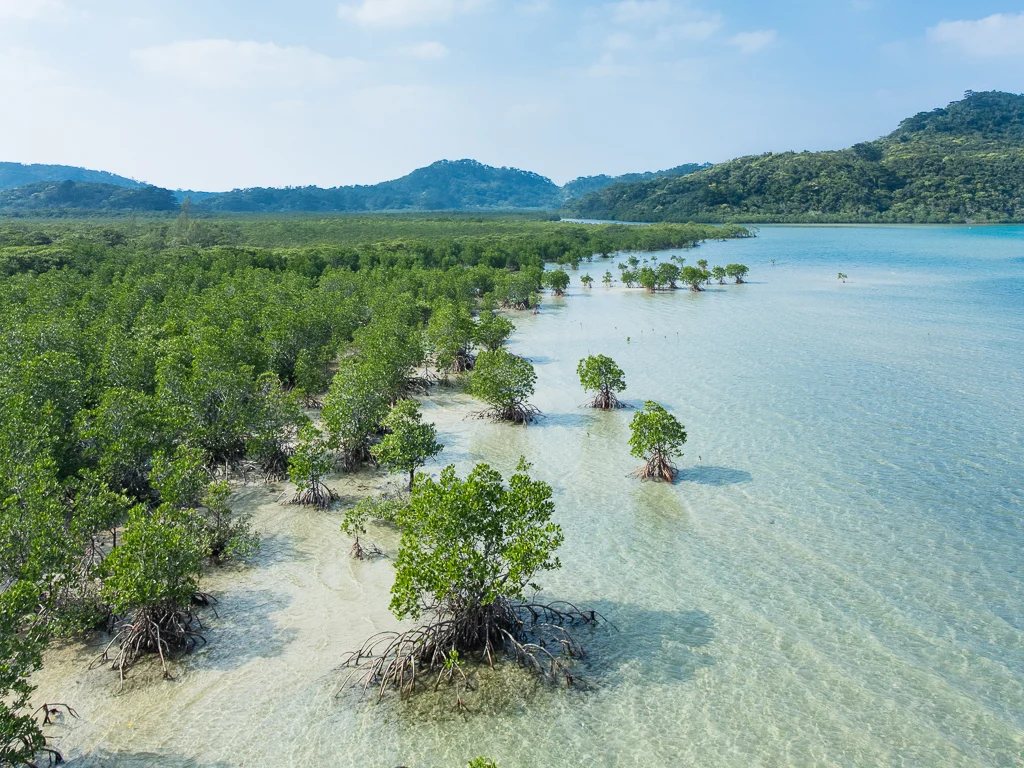
The Yaeyama Islands (Yaeyama Shoto) represent the final, emerald-hued frontier of the Japanese archipelago. Situated in the East China Sea, this cluster of 12 islands lies 400 kilometers southwest of Okinawa’s main island, placing them geographically closer to Taiwan than to the bustling metropolis of Tokyo. For the traveler, Yaeyama offers a stark, refreshing departure from the neon-lit, high-speed rail culture of mainland Japan. Here, life is measured not by the precision of a Shinkansen schedule, but by the ebb and flow of the tide, the rustle of mangrove forests, and the preservation of a distinct Ryukyuan identity that has survived annexation, war, and the relentless march of modernity.
Main Facts: The Geography of Isolation
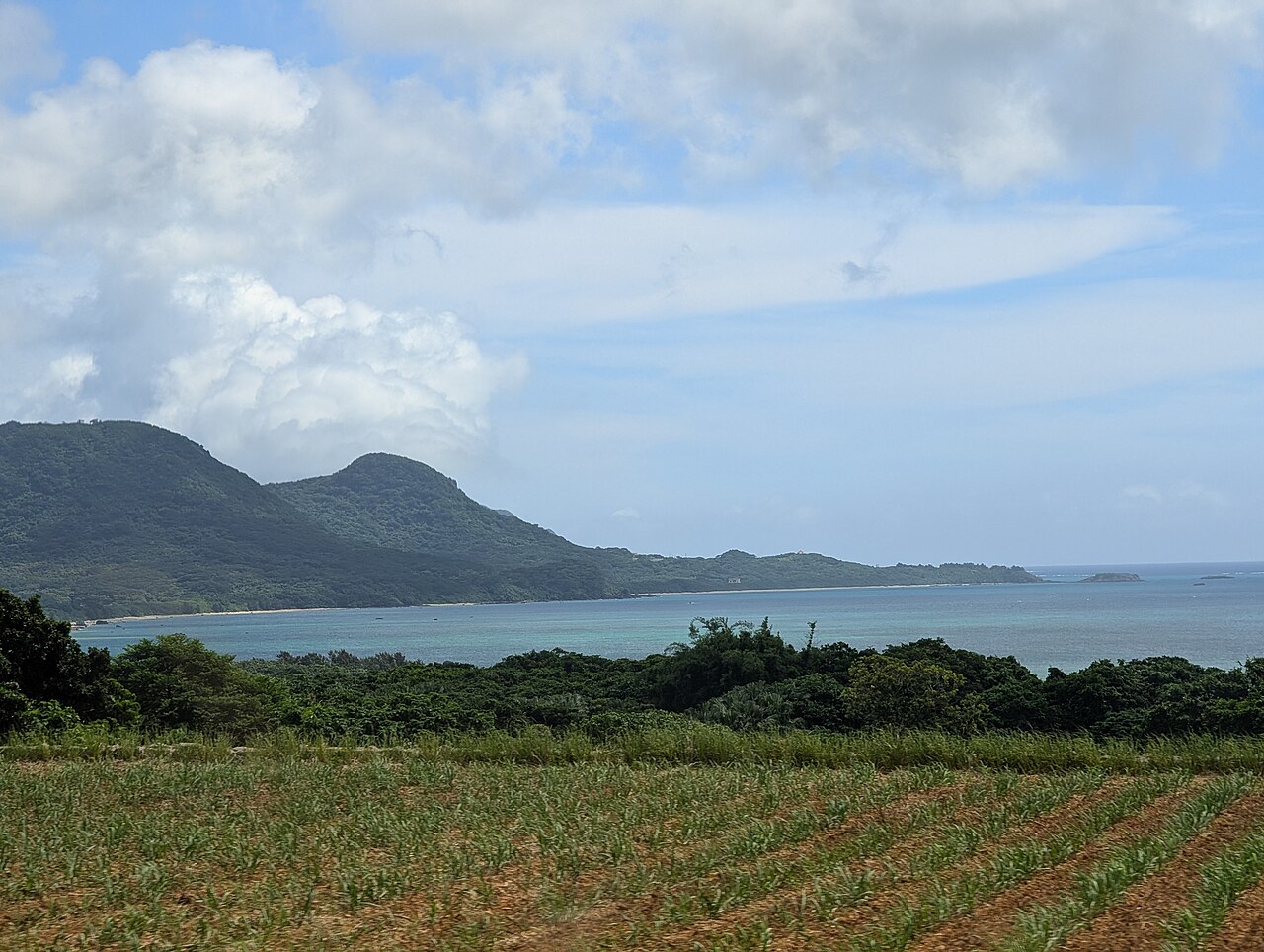
The Yaeyama Islands form a unique cultural and ecological zone. While they are politically part of Japan, their character is defined by a subtropical climate, coral-reef lagoons, and dense mangrove estuaries. These islands serve as the final refuge for several endemic species, most notably the Iriomote yamaneko (Iriomote wildcat).
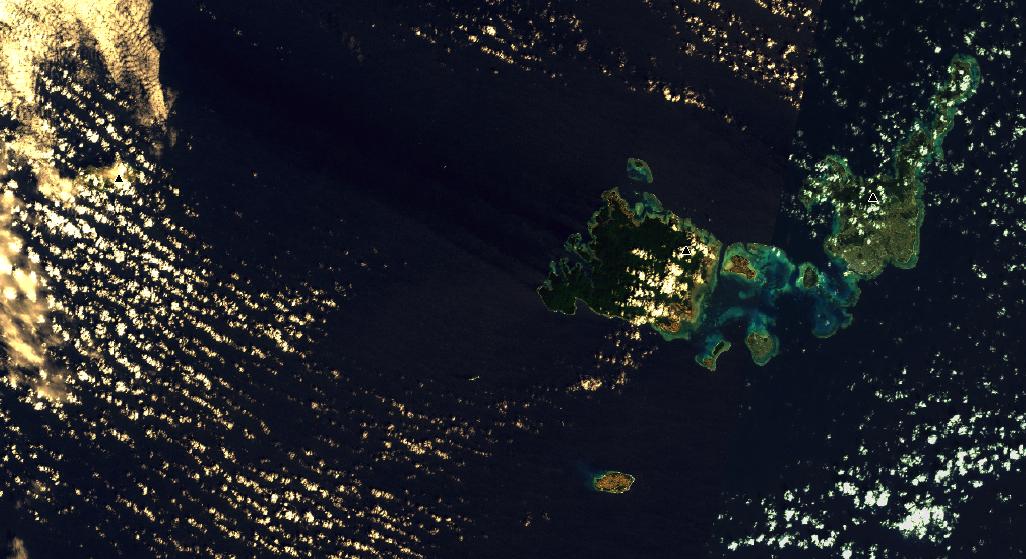
The cultural landscape is equally distinct. The Yaeyama language—separate from both standard Japanese and the Okinawan spoken in Naha—remains a pillar of local identity, reflected in the region’s traditional music, culinary practices, and architecture. The islands are divided into a tourism hierarchy:
- Ishigaki: The primary transit hub and center of infrastructure.
- Iriomote: A rugged, forest-covered "jungle island."
- Taketomi: A living museum of preserved Ryukyuan heritage.
- Outer Islands: Including Kohama, Kuroshima, Hateruma, and the remote Yonaguni, each offering varying degrees of isolation and specialized activities.
Chronology: A History of Resilience
To understand the Yaeyama Islands, one must look at the timeline of their development, which is inextricably linked to the history of the Ryukyu Kingdom.
- Pre-1879: The islands were an integral part of the independent Ryukyu Kingdom, serving as a vital maritime trade nexus between China, Japan, and Southeast Asia.
- 1879: The Japanese annexation of the Ryukyu Kingdom formally integrated the islands into the Japanese prefecture system, yet the cultural isolation of the Yaeyama group allowed for the survival of unique architectural and linguistic traditions.
- Post-WWII: Like the rest of Okinawa, the Yaeyama group was placed under United States administration until the reversion to Japan in 1972. This period left a lasting imprint on the local economy and infrastructure.
- The Modern Era (2000s–Present): The rise of the "Ishigaki New Airport" in 2013 signaled a turning point, allowing for direct flights from Tokyo and major international hubs, effectively bridging the 2,000-kilometer gap between the capital and this southern outpost.
Supporting Data: Infrastructure and Accessibility
The logistics of visiting Yaeyama are a masterclass in regional connectivity. Everything flows through the Ishigaki Remote Island Terminal.
Connectivity Metrics
- Air Travel: Flights from Tokyo (Haneda/Narita) take approximately 3 hours and 15 minutes. From Naha, the flight is a mere 60-minute hop.
- Sea Travel: Two primary ferry operators, Yaeyama Kanko Ferry and Anei Kanko, facilitate 15–20 daily departures to the neighboring islands.
- Weather Vulnerability: The archipelago is prone to typhoons, particularly in August and September. Ferry services are subject to frequent cancellations; travelers are advised to adhere to the "first ferry out, last boat back" rule to avoid being stranded.
Economic and Demographic Snapshot
- Ishigaki Population: Approximately 48,000 residents.
- Iriomote Population: 2,400 residents, with 90% of the island designated as a protected National Park.
- Taketomi Population: A small, tight-knit community of 360, dedicated to strict building ordinances that mandate the use of red-tile roofs and coral-chip walls.
Official Responses and Conservation Efforts
The rapid rise in tourism has triggered significant policy responses aimed at preservation. The Iriomote-Ishigaki National Park is not merely a tourist attraction but a strictly managed ecological zone.
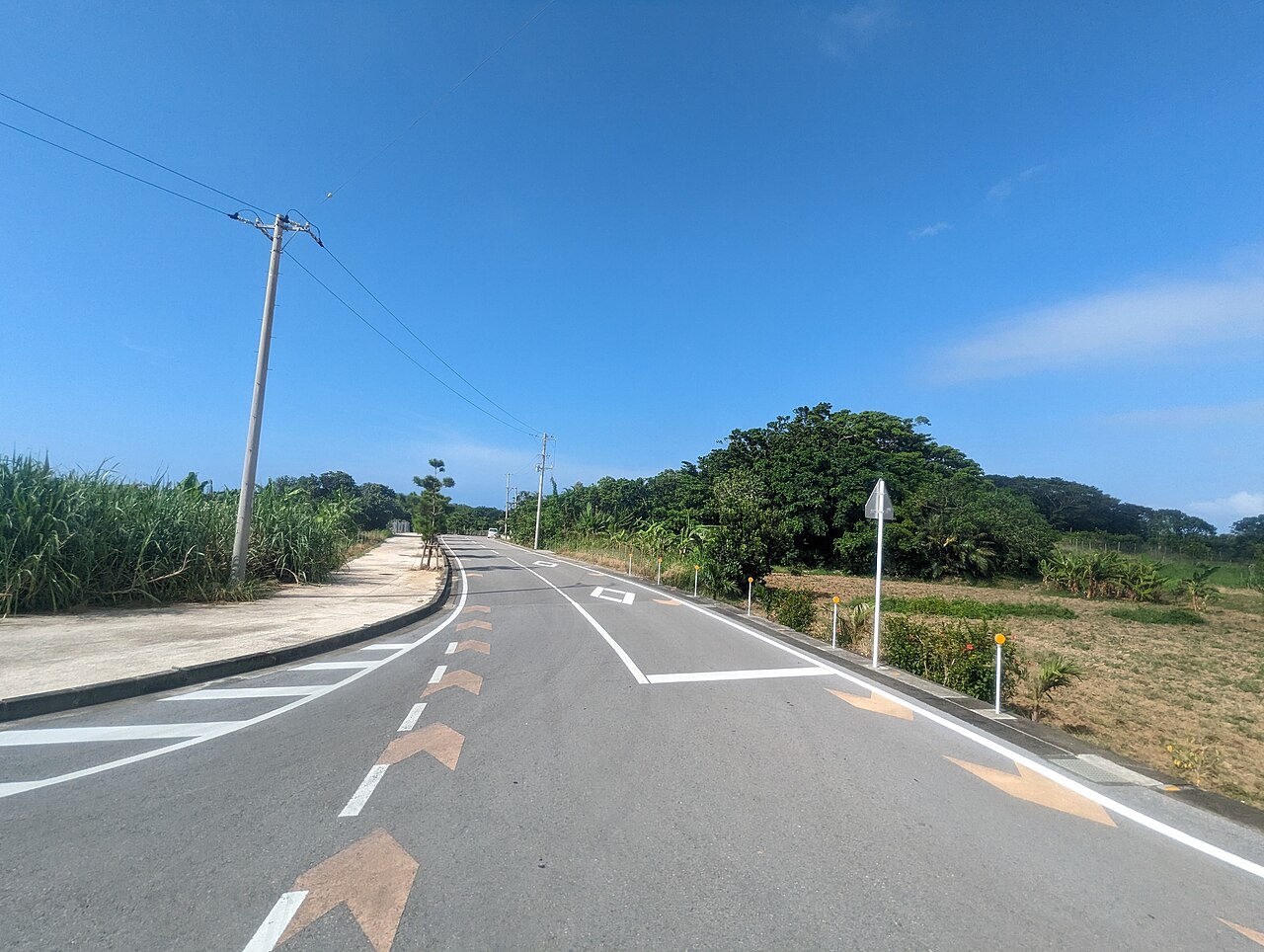
The Iriomote wildcat, of which only about 100 individuals remain, has become the focal point of regional conservation. Local authorities have implemented mandatory night-driving speed limits and habitat restoration programs to prevent vehicle-related fatalities. Furthermore, on Taketomi, strict building ordinances—in effect since 1987—forbid the use of modern, non-traditional materials, ensuring that the village remains a pristine example of Ryukyuan aesthetic history.
Environmental advocacy groups, in conjunction with the Ministry of the Environment, regularly issue guidance regarding the "Star Sand" (Hoshizuna-no-hama) on Iriomote. Tourists are strictly prohibited from removing the star-shaped foraminifera skeletons from the beaches, as their extraction disrupts the delicate sediment balance of the reef.
Implications for Future Travelers
The Yaeyama Islands sit at a crossroads between mass tourism and ecological preservation. For the seasoned traveler, the implications of visiting are clear:
The "Deep-Interest" Traveler
Yaeyama is not designed for the quick-stop tourist who expects the convenience of the Golden Route (Tokyo-Kyoto-Osaka). The transit time alone requires a commitment of at least 4 to 7 days. It is an "essential" destination for those seeking a deeper, more granular understanding of Japan’s periphery.
The Ecological Footprint
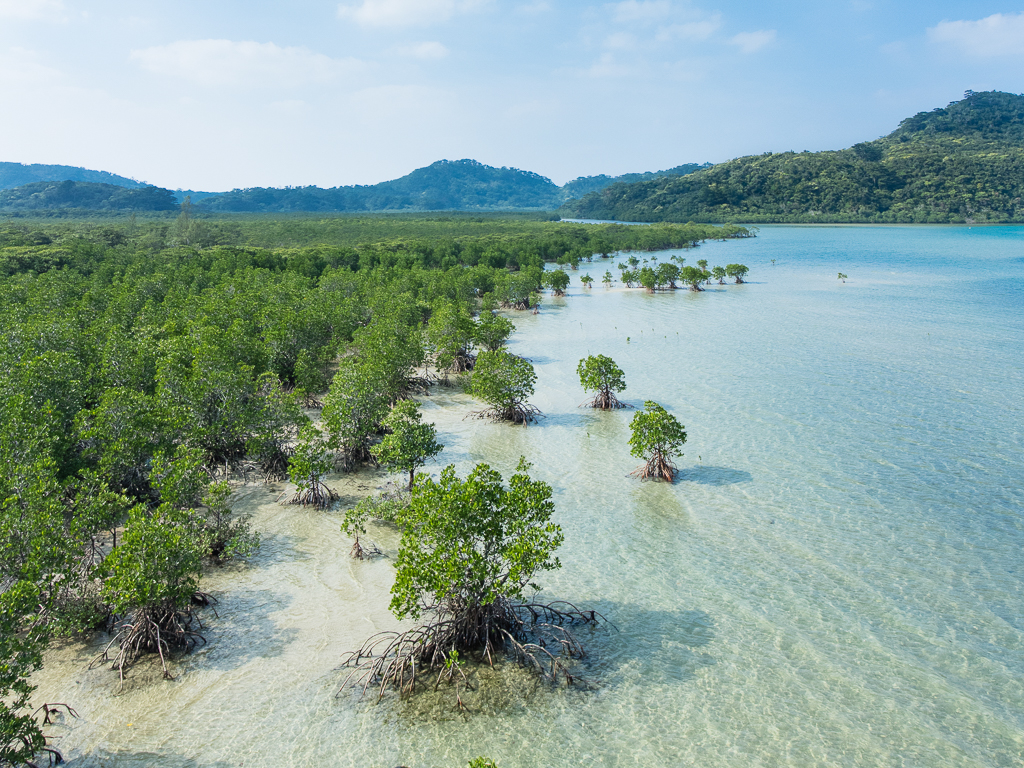
The islands are currently grappling with the challenges of over-tourism during the peak July–August window. Environmental impact reports suggest that the "sweet spot" for visitation is late autumn (October–November) or spring (April–May). These periods offer a more sustainable visitor experience, reducing the strain on the islands’ waste management and water resources.
The Cultural Exchange
The Yaeyama food scene—characterized by Yaeyama Soba, goat sashimi, and tropical fruits—is a living record of the region’s historical trade with Taiwan and China. Engaging with these culinary traditions supports the local agricultural economy, particularly the cattle farming on Kuroshima and the sugarcane cultivation on Kohama.
Final Assessment: Is the Journey Justified?
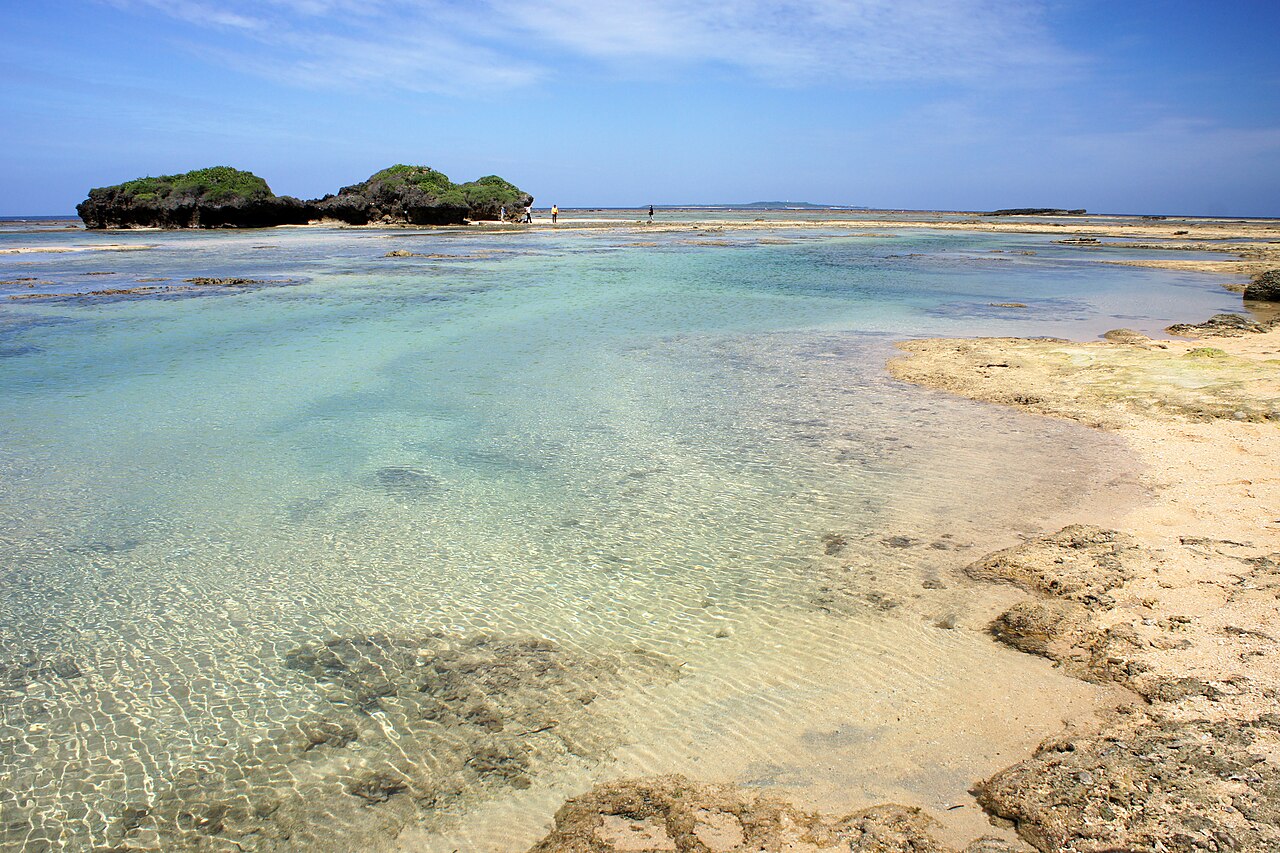
For the beach, snorkel, and dive enthusiast, the Yaeyama Islands are world-class. The Manta Scramble near Kabira Bay offers some of the most consistent manta ray sightings globally, and the PADI-certified dive schools provide high-quality training at a fraction of the cost found in other international marine hotspots.
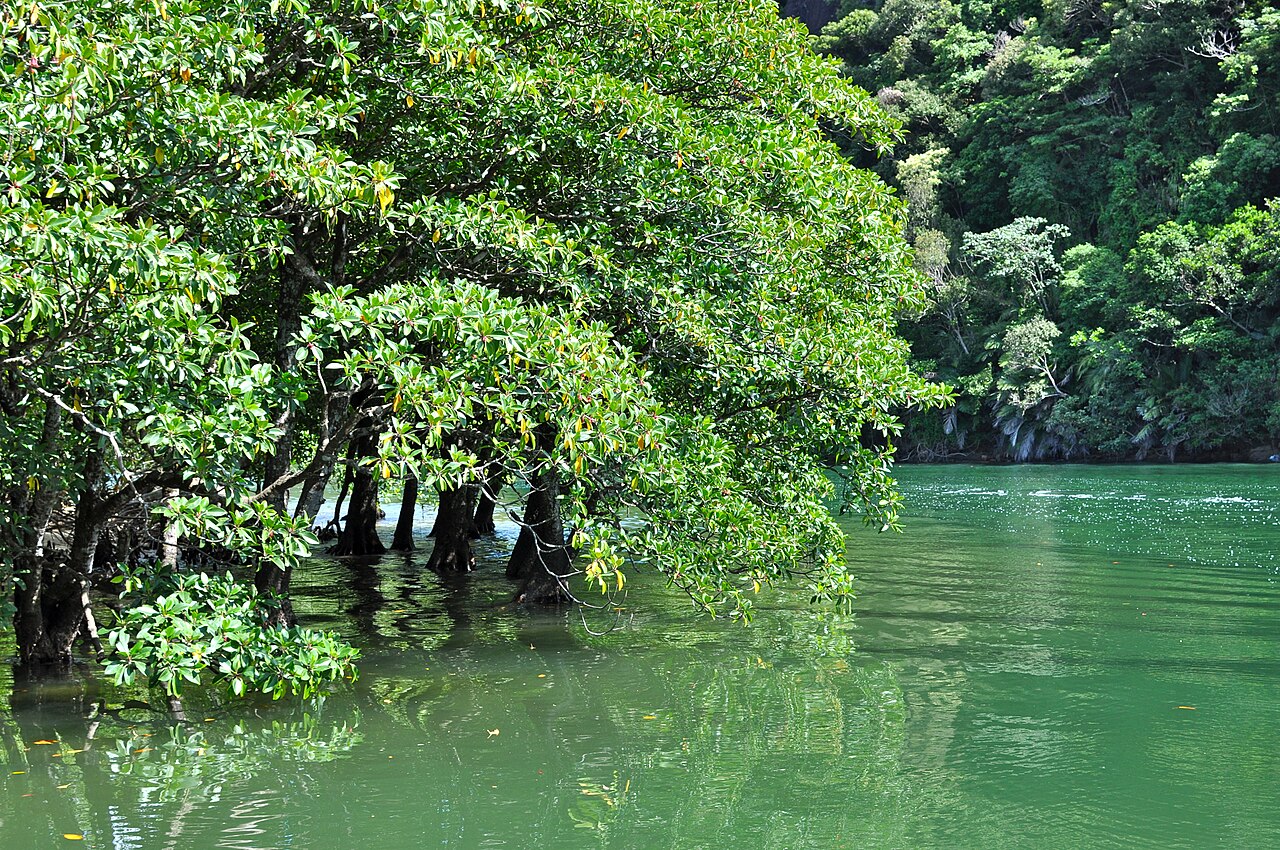
For the nature traveler, the mangrove forests of Iriomote offer a glimpse into a primordial landscape that is increasingly rare. For the culture enthusiast, the architectural preservation of Taketomi remains a pinnacle of Japanese heritage management.
However, potential visitors must be cautioned: the islands are unforgiving to those who do not respect the weather. The ferry cancellations, the intense humidity, and the necessity of planning around typhoon season are real hurdles. Yet, for those who clear these hurdles, the reward is a side of Japan that defies the guidebook cliches. It is a place where the stars are clearer, the pace is slower, and the connection to the sea is absolute. As Japan continues to diversify its tourism appeal, the Yaeyama Islands stand as the nation’s most compelling, and most fragile, jewel.