

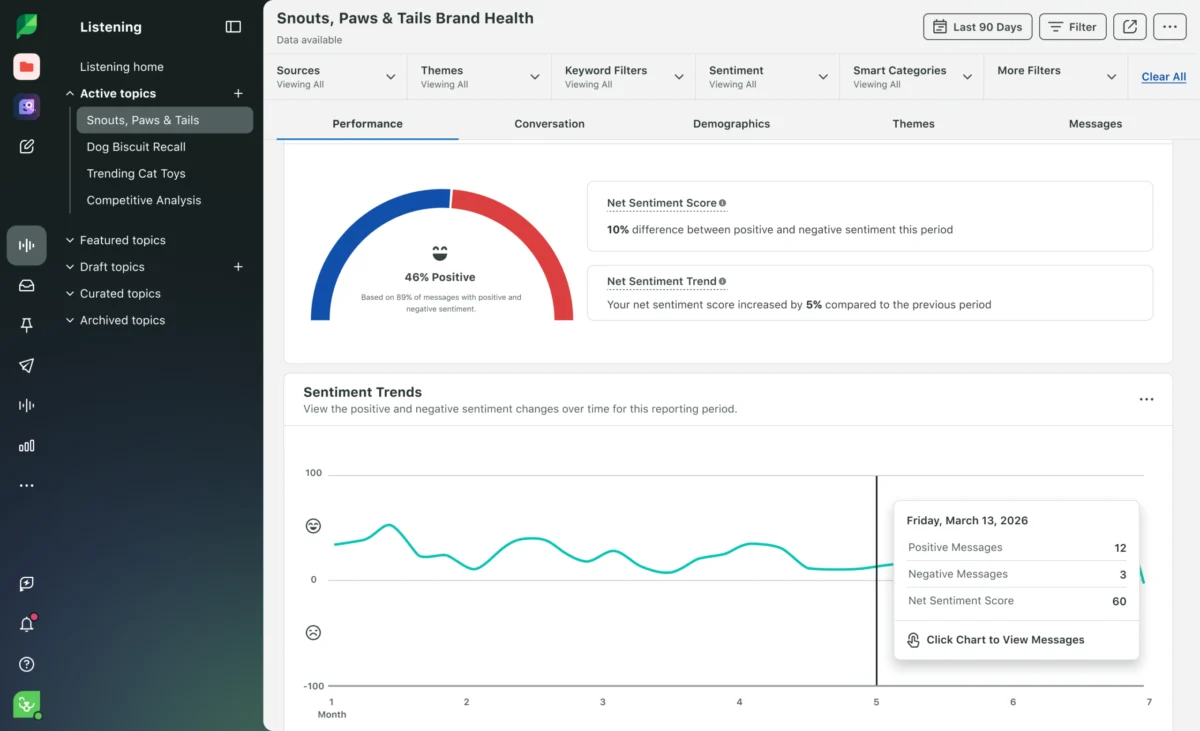
In the modern digital ecosystem, communication is rarely as straightforward as a simple statement of fact. Just as non-verbal cues—a raised eyebrow, a sigh, or a warm smile—define the subtext of face-to-face interactions, human emotion is inextricably woven into the language consumers use online. For brands operating in a 24/7 global marketplace, decoding these subtle emotional signals is no longer a luxury; it is the cornerstone of effective brand management. This is the realm of sentiment analysis: the sophisticated art and science of understanding not just what your customers are saying, but how they truly feel.
The Evolution of Brand Intelligence
Tracking sentiment has historically been a daunting challenge. With thousands of conversations, brand mentions, and product reviews scattered across a fragmented digital landscape—from X (formerly Twitter) and Reddit to specialized forums and customer support portals—manually parsing this data is impossible. Real-time engagement requires a level of speed and scale that only Artificial Intelligence (AI) and Natural Language Processing (NLP) can provide.

A sentiment analysis tool is, at its core, a piece of software that uses AI to detect, interpret, and categorize emotions within text data. By leveraging NLP, these tools can discern the context behind a social media post, a scathing review, or a glowing testimonial with a level of accuracy that mirrors human perception but operates at an enterprise scale. These algorithms evaluate tone, emotional intent, and "sentiment polarity"—classifying messages as positive, negative, or neutral—to provide a comprehensive snapshot of public perception.
Core Functionalities and the Mechanism of Insight
To transform raw text into actionable data, sentiment analysis tools rely on several critical capabilities:
- Contextual Understanding: Moving beyond keyword matching to identify sarcasm, irony, and slang.
- Multi-Platform Aggregation: Collecting data from disparate sources into a unified dashboard.
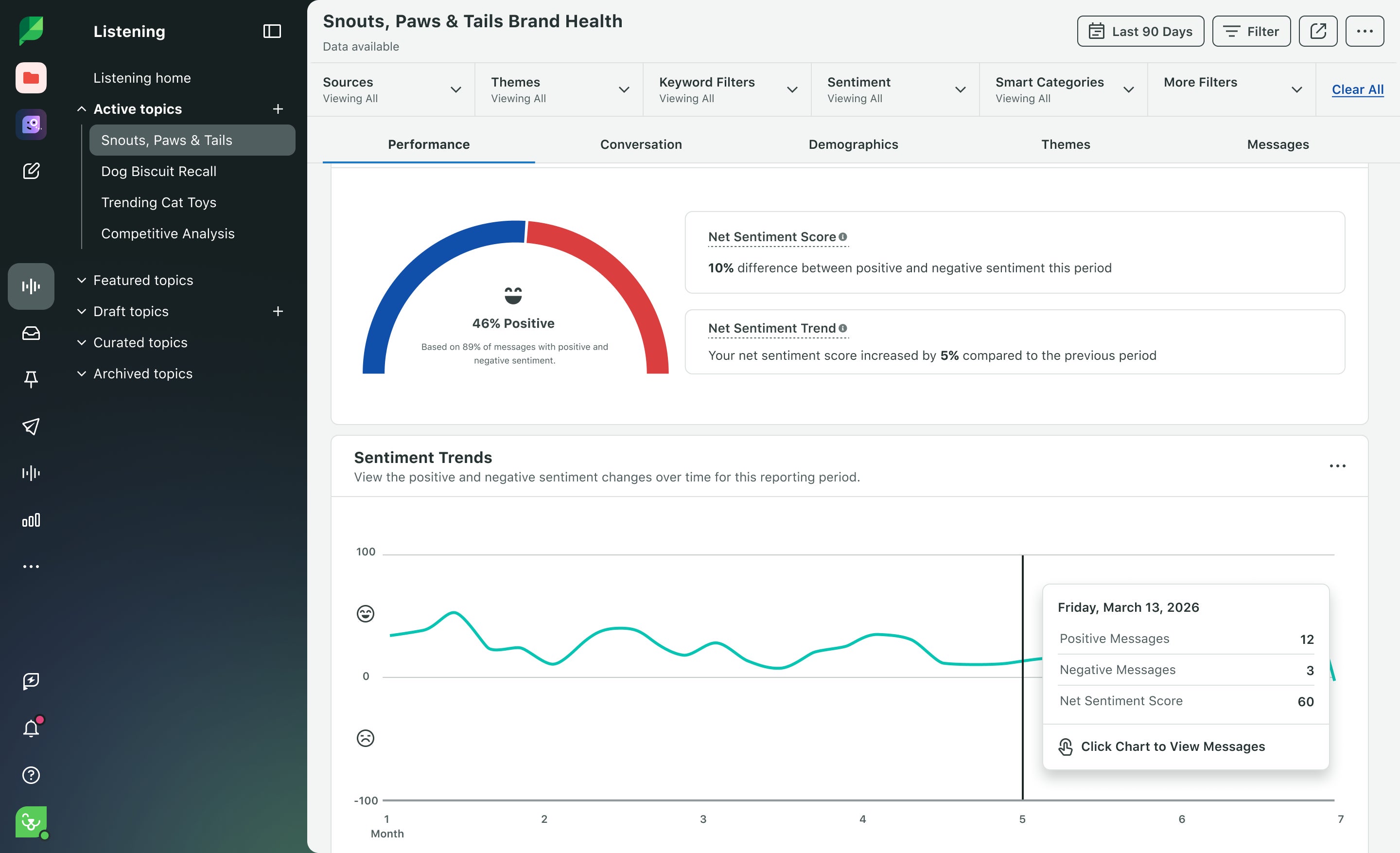
- Historical Benchmarking: Tracking how sentiment evolves over weeks, months, or years to identify long-term trends.
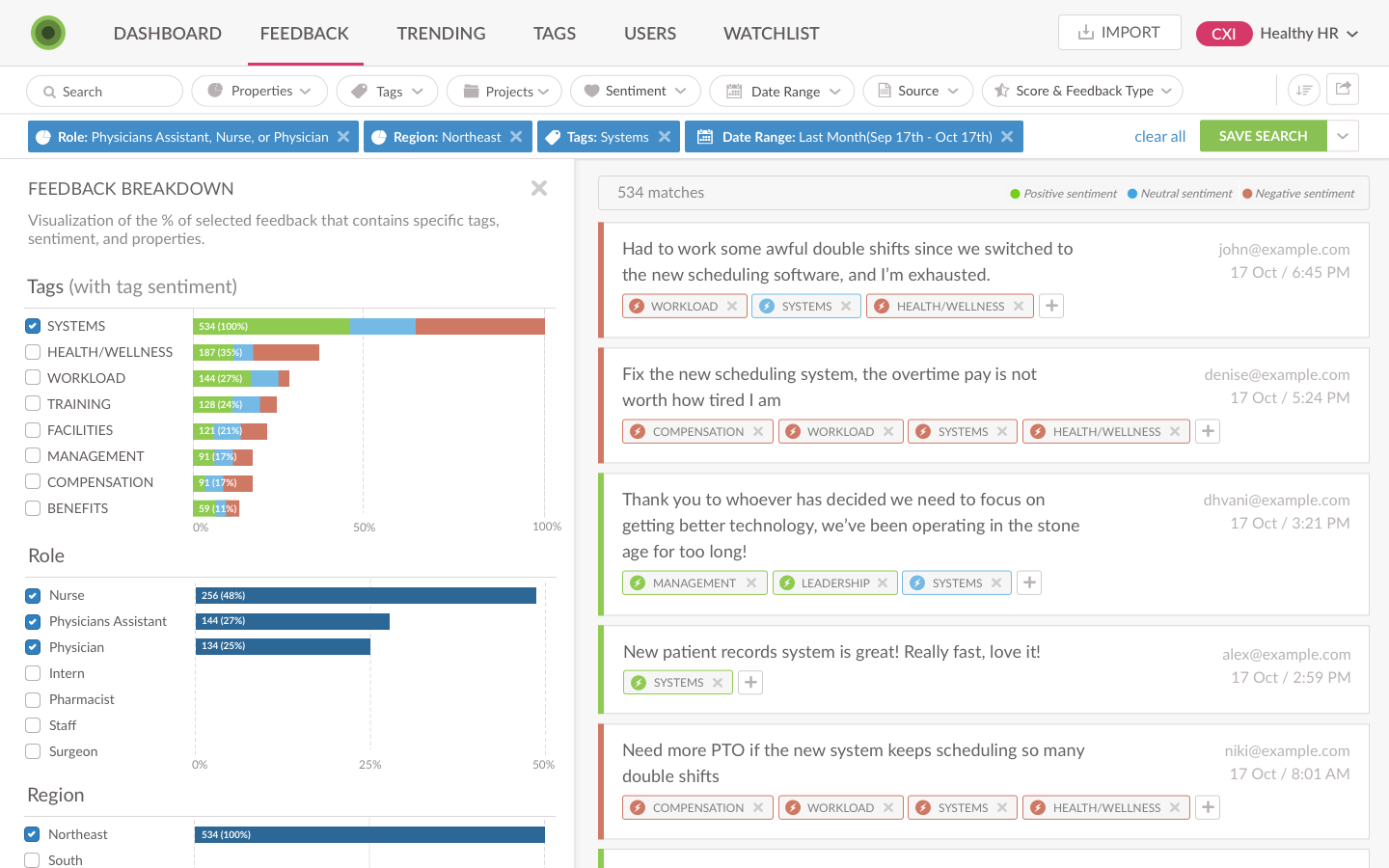
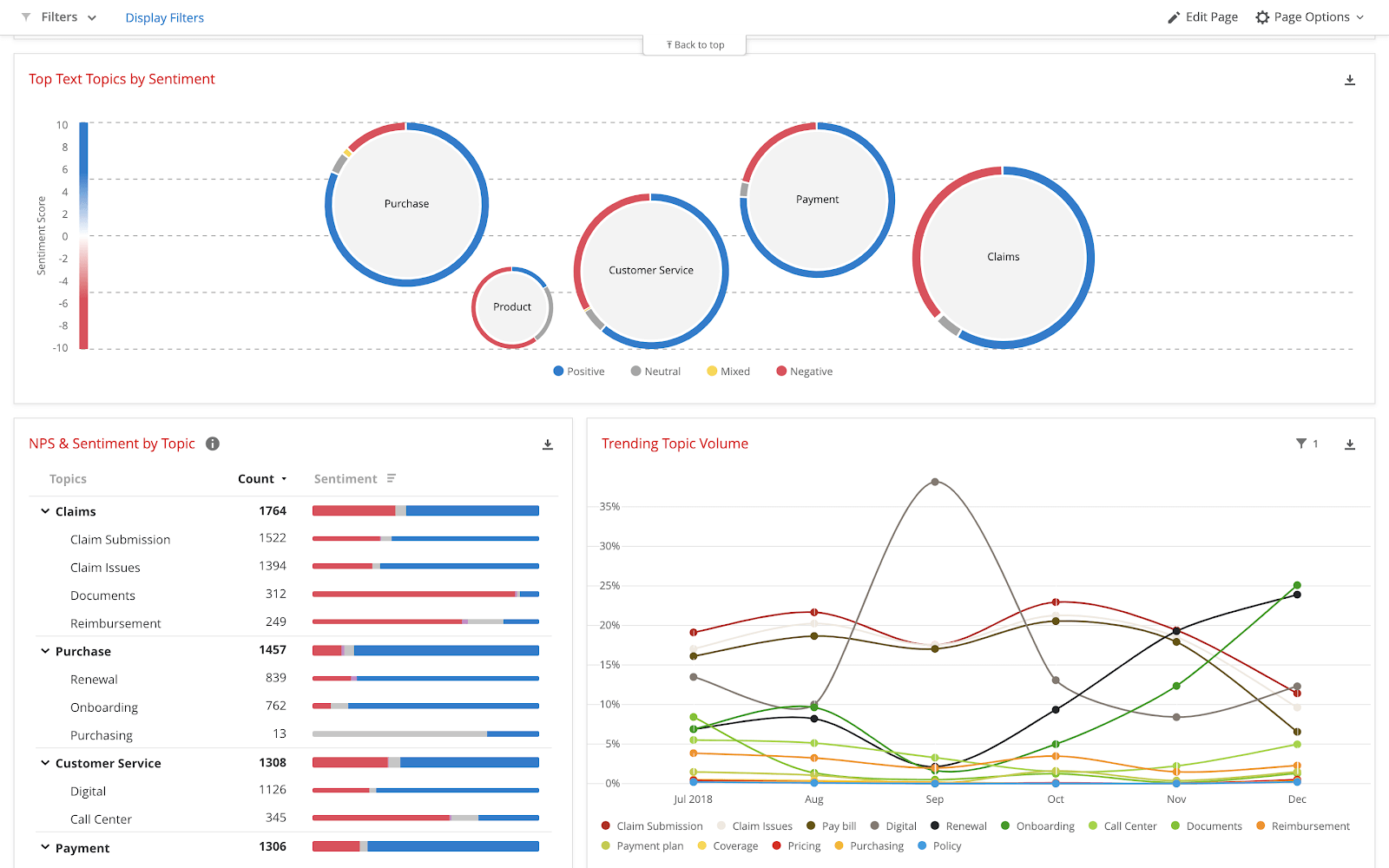
- Automated Categorization: Sorting feedback into specific topics (e.g., pricing, user interface, customer service) to pinpoint the source of emotional shifts.
By combining these functions, businesses can calculate an average sentiment score, providing a quantitative metric for qualitative feelings.
Why Sentiment Matters: Moving Beyond the "What"
Knowing how often your brand is mentioned is a vanity metric; it tells you nothing about the why. A classic example is the phrase "Thanks a lot." Depending on the context, it can be a genuine expression of gratitude or a biting remark dripping with sarcasm. Without sentiment analysis, a brand might misinterpret a surge in mentions as positive engagement when, in reality, it reflects a burgeoning PR crisis.
Strategic Decision Making and Speed
On social media, timing is the difference between a minor hiccup and a full-scale reputational wildfire. Sentiment analysis provides the early warning system brands need to pivot strategies. If a product update causes immediate confusion, the data surfaces this sentiment shift in real-time, allowing communications teams to issue clarifications before the frustration snowballs.
Benchmarking Brand Health
Brand health is a storyline, not a snapshot. By tracking sentiment over time, organizations can observe shifts in audience trust and perception. This provides the emotional context necessary to interpret traditional market research. It reveals what messaging resonates, what campaigns fall flat, and how customer loyalty is impacted by specific corporate actions.

Categorizing the Tools of the Trade
The market for sentiment analysis software has matured, with tools now segmented by their primary focus and deployment method.
Full-Stack Sentiment Analysis
These platforms serve as command centers, pulling data from multiple sources to provide a holistic view of the customer journey.
- Sprout Social: Renowned for its all-in-one approach, Sprout combines AI-powered listening with granular sentiment analysis, allowing brands to monitor conversations across social, reviews, and forums simultaneously.
- InMoment & Medallia: These platforms excel in the "Customer Experience" (CX) space, aggregating feedback from surveys, voice, and even video to eliminate data silos.
- Qualtrics (Text iQ): A powerhouse in experience management, Qualtrics uses advanced NLP to categorize unstructured data into actionable themes.
- Chattermill: A unified intelligence platform that excels at cross-channel data merging, perfect for tracking the customer journey from inquiry to purchase.
Social-Media-Specific Tools
Designed for community managers and social teams, these tools focus on engagement and platform-specific metrics.
- Brandwatch: A leader in social listening, providing deep-dive research capabilities into audience sentiment.
- Buffer: Offers streamlined sentiment tagging, perfect for smaller teams looking to prioritize their response strategy.
- Agorapulse: Specializes in inbox management, using "Inbox Assistant" to automatically categorize messages based on keyword-driven sentiment.
News and Text Analysis
For PR and high-level corporate intelligence, these tools focus on broader media coverage and raw text analysis.
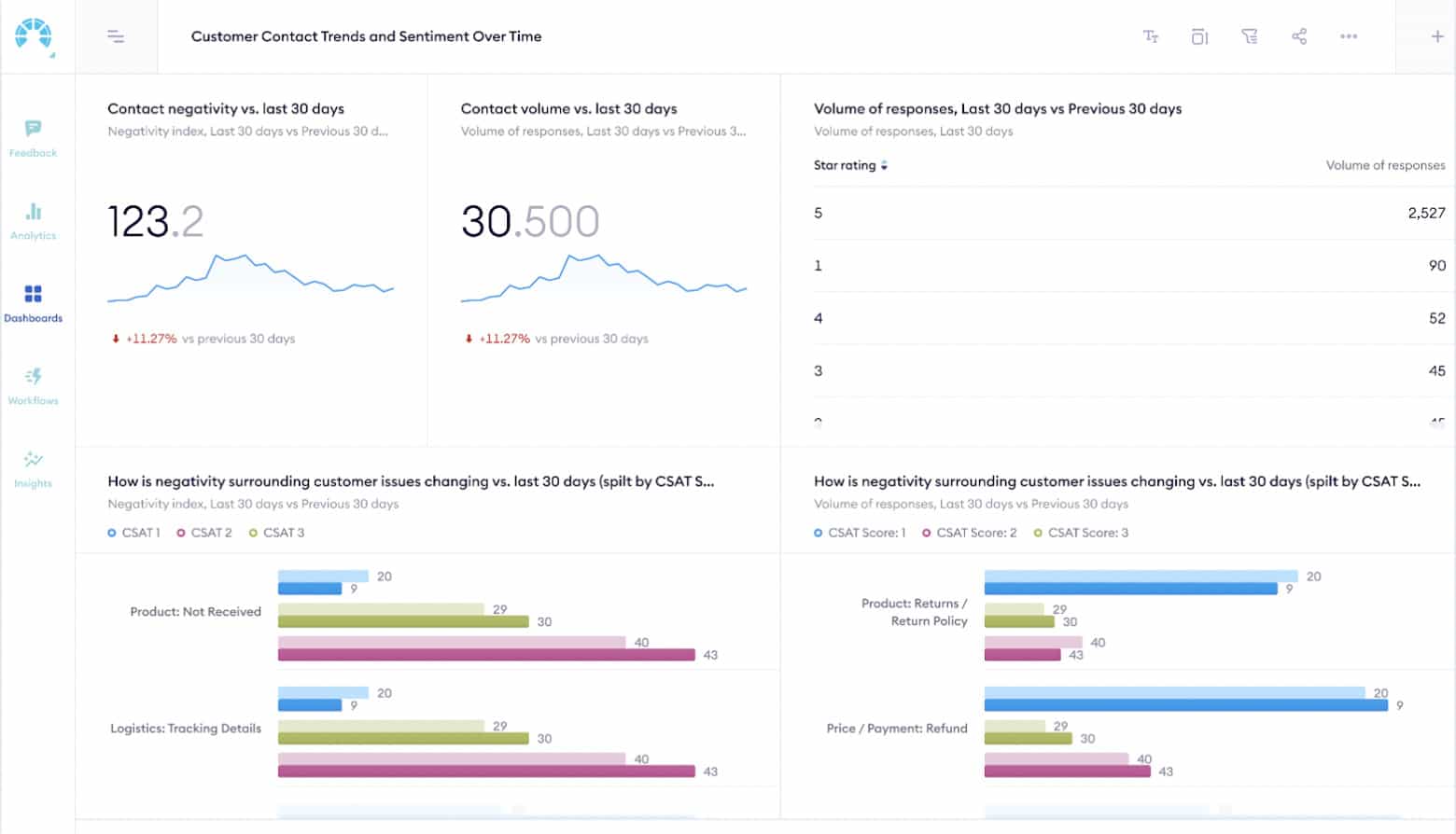
- Brand24: Excellent for tracking media breakouts and crisis management via volume-versus-sentiment charts.
- Meltwater: Leverages deep-learning to monitor global news sentiment in over 100 languages.
- Google NLP API & Amazon Comprehend: Ideal for developers looking to build custom sentiment analysis models into proprietary enterprise software.
Case Study: The Atlanta Hawks
The professional sports industry relies heavily on fan engagement, and the Atlanta Hawks provide a masterclass in applying sentiment analysis. Facing the challenge of connecting with a young, digitally-native fan base, the Hawks integrated Sprout Social’s listening tools. By analyzing the sentiment around jersey launches and marketing campaigns, they were able to identify that their audience responded more favorably to authentic, behind-the-scenes content than to high-production commercials.
The results were statistically significant: a 127.1% increase in video views and a 170.1% growth in their Facebook audience. The ability to present this sentiment data to corporate partners transformed their sponsorship strategy, shifting from "we think this works" to "the data proves this resonates."

Implications for Future Growth
As we look toward 2026, the integration of AI-driven sentiment analysis is becoming standard practice. However, the technology is not without its hurdles. Data privacy, the complexity of linguistic nuance, and the sheer volume of data remain significant challenges. To succeed, brands must move beyond simple "positive/negative" scoring and embrace "aspect-based" sentiment analysis—where the AI identifies exactly what part of a product or experience is triggering the emotion.
Choosing the Right Tool: A Strategic Checklist
When evaluating software, stakeholders should prioritize:
- Data Breadth: Does the tool capture data from your specific customer touchpoints?
- Scalability: Can the AI handle spikes in volume during product launches or crisis events?
- Integration: Does it feed directly into your existing CRM or helpdesk?
- Customization: Can you train the model to understand industry-specific jargon or internal brand nuances?
Conclusion
Sentiment analysis is the bridge between raw data and empathy. It allows organizations to listen at scale and respond with the precision of a human, but with the speed and reliability of a machine. As businesses continue to navigate an increasingly complex digital landscape, those that invest in the ability to decode the "digital pulse" will be the ones that foster the deepest, most resilient relationships with their customers. By turning every mention, review, and comment into actionable intelligence, brands can stop guessing what their audience wants and start delivering it.











