Sagoh
Sagoh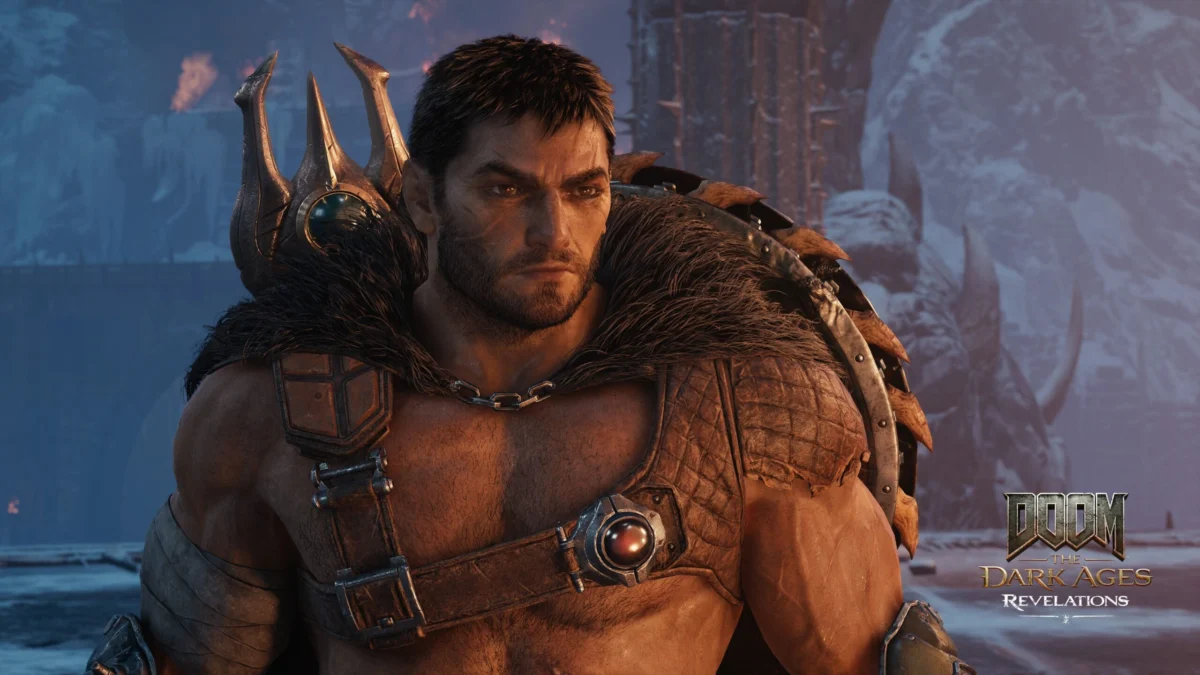
The DOOM franchise has always been a bellwether for the first-person shooter genre. When DOOM (2016) arrived, it acted as a masterclass in modernizing the classic arena-shooter, stripping away the bloat of the mid-2000s and returning to a philosophy of speed, aggression, and tactical brutality. Its successor, DOOM Eternal, took that foundation and pushed it to its mechanical breaking point, introducing a high-octane "combat puzzle" loop that demanded absolute mastery.
However, when DOOM: The Dark Ages launched last May, it defied expectations. It eschewed the frantic, airborne mobility of Eternal in favor of a grounded, heavy-hitting combat system centered on parrying and holding one’s ground. While the game was critically acclaimed for its bold departure, it left a segment of the fanbase yearning for the kinetic fluidity of its predecessor. DOOM: The Dark Ages | Revelations, the newly released expansion, serves as a direct bridge between these two disparate design philosophies. The question remains: does Revelations strike the perfect harmony between the weight of the new and the speed of the old, or does it falter under the pressure of its own ambition?
Chronology: The Slayer’s Descent into Purgatory
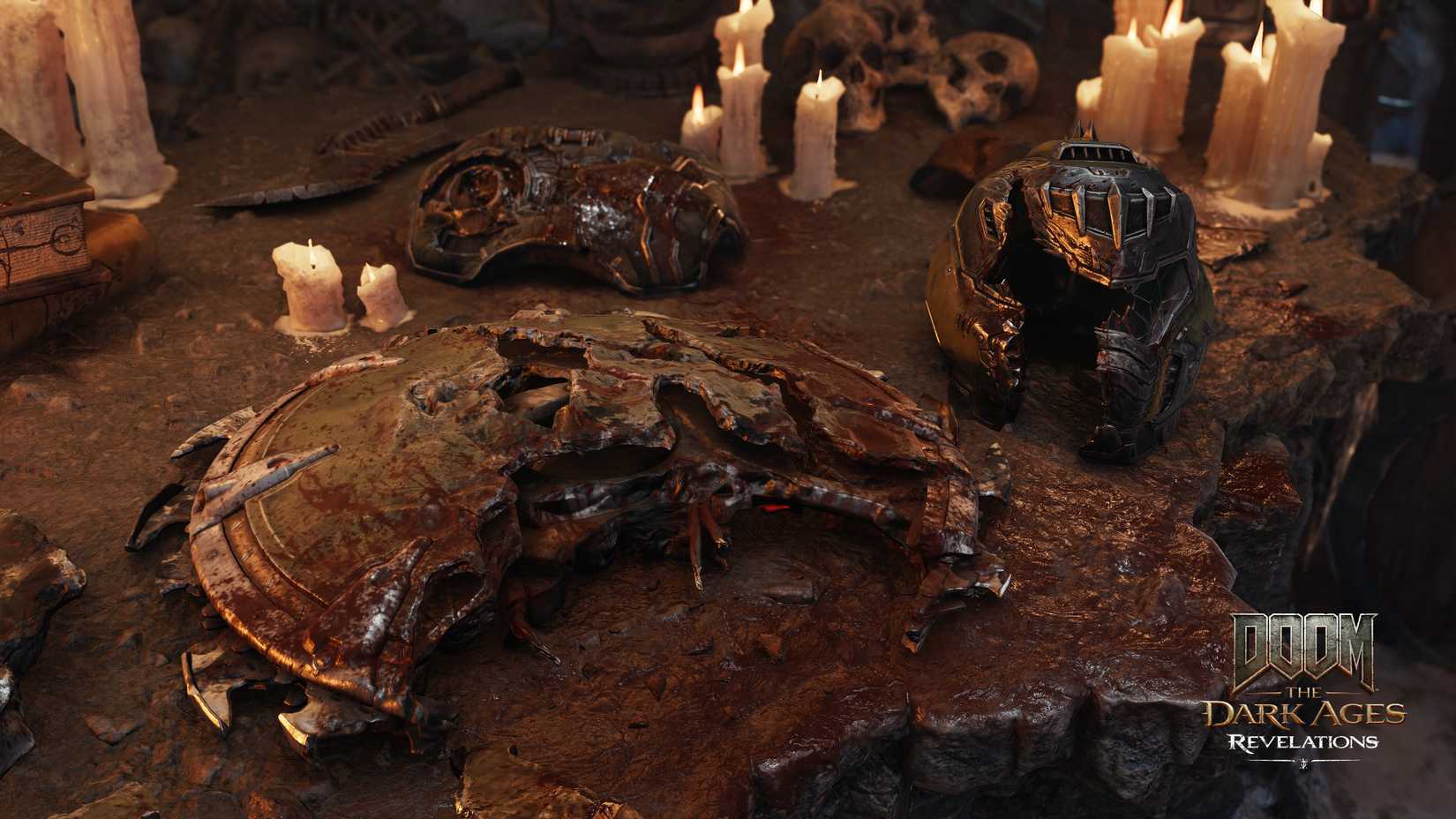
Revelations functions as an immediate narrative successor to the base game. Following his harrowing campaign against the forces of Hell, the Slayer finds himself standing before the High Council, eager to deliver the final blow to the demonic threat. Yet, this is a story not of physical weakness, but of psychological toll. The Council leverages the Slayer’s deep-seated guilt to shatter his resolve, leading to his defeat by their champion—a mysterious Henchman—and his subsequent banishment to the metaphysical wasteland of Purgatory.
The narrative arc follows the Slayer’s path to redemption. Rescued by an enigmatic entity known as "The Architect," the protagonist must secure the Ascension Stones, confront the manifestations of his own trauma, and eventually carve a path back to Argent D’nur to dismantle the machinations of the Khan Makyr.
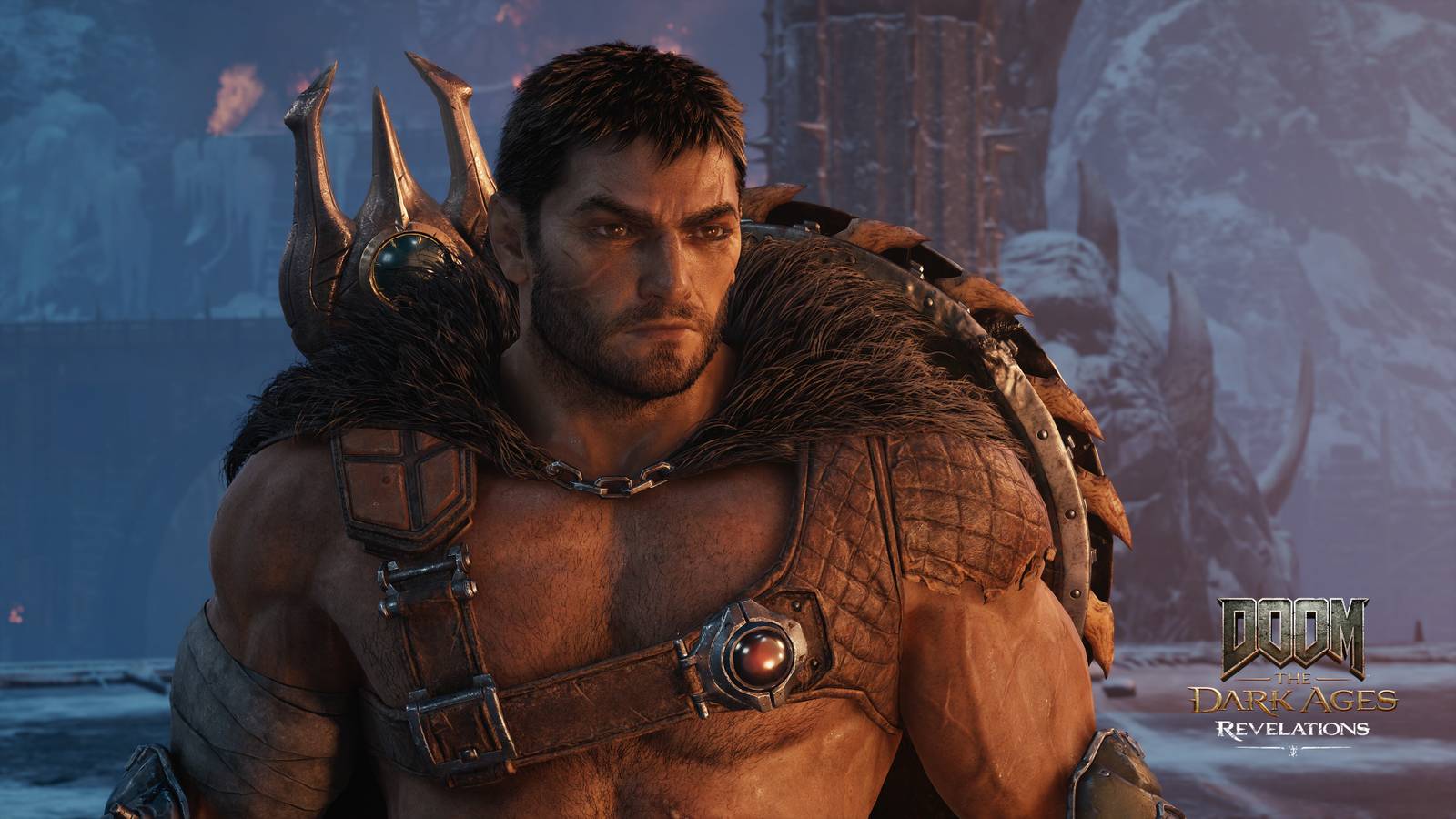
If The Dark Ages was a structural, narrative-driven campaign, Revelations is unabashedly character-driven. The script dives deeper into the Slayer’s past than any previous entry, peeling back the layers of trauma that forged the legend. It is a compelling, intimate look at a protagonist who has historically been defined by his silence and his rage.
The Mechanical Evolution: The Chain Spear
While the narrative seeks to humanize the Slayer, the gameplay in Revelations is focused on reintroducing the "flow state" that made DOOM Eternal a landmark title. The centerpiece of this effort is the Chain Spear, a versatile new weapon that serves as the primary engine for the DLC’s combat loop.
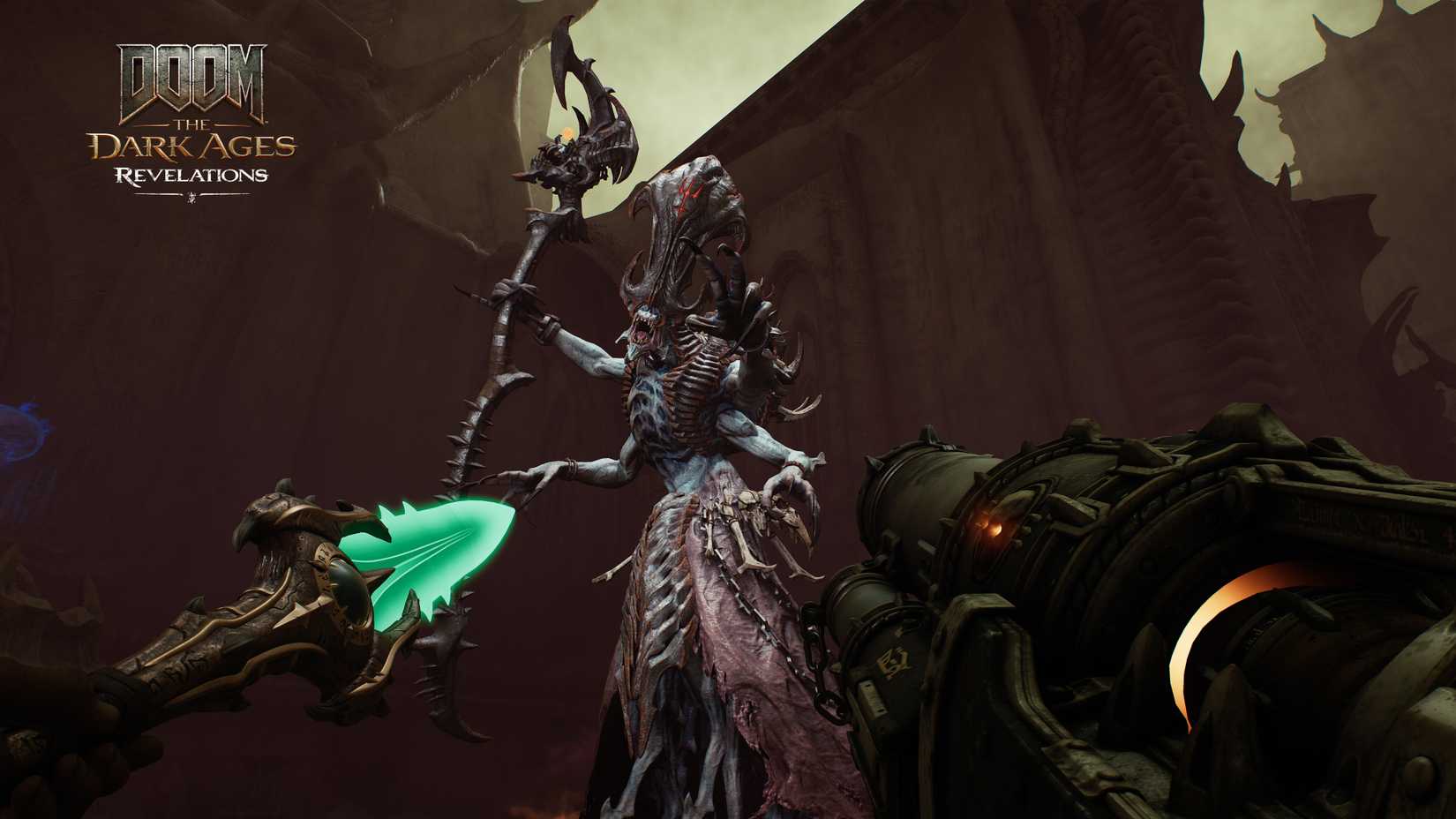
The Chain Spear acts as a functional hybrid. While it retains the defensive parrying mechanics of the base game’s shield, it fundamentally changes the movement profile of the player. By incorporating the "Meat Hook" mechanic, players can once again zip across arenas, close gaps in an instant, and—with proper upgrades—orbit enemies to maintain a constant barrage of fire. Furthermore, the inclusion of a dedicated dash feature reintroduces the spatial awareness required to survive the series’ most intense encounters.
However, this innovation brings a significant technical hurdle. The sheer number of inputs required to manage the Spear’s multifaceted abilities—parrying, slashing, dashing, and grappling—creates a "button bloat" issue. On standard controllers, these actions often overlap, forcing players to engage in constant, tedious re-mapping of their control schemes to find a comfortable configuration. For those without access to premium controllers with back-paddles, the learning curve is steep, and the combat can occasionally feel like a struggle against the hardware itself rather than the demons on screen.
Supporting Data and Content Density
Despite the mechanical friction, Revelations is a dense, high-value expansion. The base campaign, which clocks in at roughly 4–6 hours for a standard playthrough, is merely the tip of the iceberg.
The content distribution is split between a linear narrative path and "Endgame" sectors. These post-story zones require the player to revisit previous maps, now transformed with complex environmental puzzles, additional combat challenges, and hidden upgrade resources for both armor and the Chain Spear.
Key Gameplay Additions:
- The Chain Spear: A multi-functional tool featuring a ground-slam, projectile-piercing stab, and aerial mobility.
- Purgatory Hub: A large-scale, non-linear central hub world that functions as a treasure trove of lore and secrets.
- Refined Difficulty Scaling: Unlike The Ancient Gods—the notoriously punishing expansion for DOOM Eternal—Revelations opts for a more measured, natural difficulty curve. While the combat remains challenging, it avoids the "unfair" spikes that characterized previous DLCs, ensuring that encounters like the Archvile or the Warlock feel like tests of skill rather than endurance against broken mechanics.
Narrative Implications and Missed Opportunities
For all its success in detailing the Slayer’s internal journey, Revelations struggles with its broader narrative scope. By dedicating so much narrative "oxygen" to the Slayer’s psyche, the expansion leaves little room for the external world-building that fans were eager to see.
Major plot threads—including the brewing civil war on Argent D’nur, the tactical specifics of the Khan Makyr’s endgame, and the identity of the Architect—are largely sidelined. The Architect, in particular, remains an enigma, his identity hinted at through subtle audio cues that will likely frustrate those looking for concrete answers rather than teases.
The ending of Revelations is perhaps its most polarizing feature. Rather than providing a definitive resolution to the current arc, the story cuts to black in a way that feels abrupt, clearly serving as a bridge to a potential fourth installment or a second DLC. While the personal arc of the Slayer reaches a poignant moment of catharsis, the grander narrative suffers from a lack of payoff.
Final Assessment: The Verdict on Purgatory
Doom: The Dark Ages | Revelations is a testament to the challenge of evolving a legendary franchise. It succeeds in its primary mission: to provide more of the visceral, high-stakes combat that defines the modern DOOM trilogy while successfully integrating the movement-heavy DNA of DOOM Eternal.
The introduction of the Chain Spear is a bold, if slightly cumbersome, addition that highlights the developer’s willingness to experiment with the genre’s boundaries. While it pushes modern controller ergonomics to their breaking point, the depth it adds to the combat experience is undeniable.
Ultimately, Revelations is a must-play for those who have invested in the Dark Ages experience. It offers a rich, content-dense playground that rewards exploration and mechanical mastery. While the narrative may feel incomplete—a victim of its own desire to set up future installments—the core "loop" remains as satisfying as ever. For those who feared the shift in tone in The Dark Ages, Revelations serves as a reassuring, if slightly messy, reminder that the spirit of the Slayer is alive, well, and more lethal than ever. It does not belong in Purgatory; it belongs on your hard drive.


 Asro
Asro
 Muslim