The concept of losing agency over one’s own physical form is a foundational fear, a primal anxiety that has permeated science fiction and horror literature for decades. It is the stuff of nightmares—the idea that an external force, a puppet master, could dictate your movements, your interactions, and ultimately, your survival. Developer Canteen is tapping directly into this existential dread with their upcoming title, Remote Control, a game that turns the player into the very puppet master they might fear.
In this unique blend of survival horror and linguistic mechanics, players are tasked with controlling human proxies to navigate a derelict, atmospheric spaceship known as The Pelican. By replacing standard gamepad or mouse-and-keyboard movement with a typing-based input system, Remote Control forces a visceral connection between the player’s hands and the proxy’s actions, creating a gameplay loop that is as intellectually demanding as it is terrifying.
The Core Concept: A Digital Puppeteer
At its heart, Remote Control is a masterclass in atmospheric storytelling through mechanical limitation. Players do not directly "become" a hero in the traditional sense; instead, they occupy the role of an operator for a mysterious, ethically dubious corporation. The game’s premise is deceptively simple: you are sent to investigate the silent, drifting Pelican, and you must guide your proxies through its claustrophobic, dimly lit corridors to uncover the secrets of its demise.
The proxies themselves are not merely disposable avatars. Each comes with a unique set of personality traits, likes, and dislikes, as well as a service history that highlights their previous—and often tragic—missions. The game establishes early on that your track record is bleak; the vast majority of your former proxies have met their ends under your command. This creates an immediate emotional burden. You are not a commander of an invincible army, but a frantic operator trying to keep the last few remaining assets alive long enough to complete a mission.
Chronology of the Mission: From Deployment to Despair
The gameplay loop of Remote Control unfolds in a specific, methodical sequence that differentiates it from the fast-paced action of contemporary horror titles.
1. The Briefing and Selection
Before a mission begins, the player must select a proxy. This is a critical strategic decision. Because each proxy has distinct psychological and physical profiles, choosing the right individual for the environment—or the specific task at hand—can mean the difference between a successful data retrieval and a gory catastrophe.
2. The Typing-Based Navigation
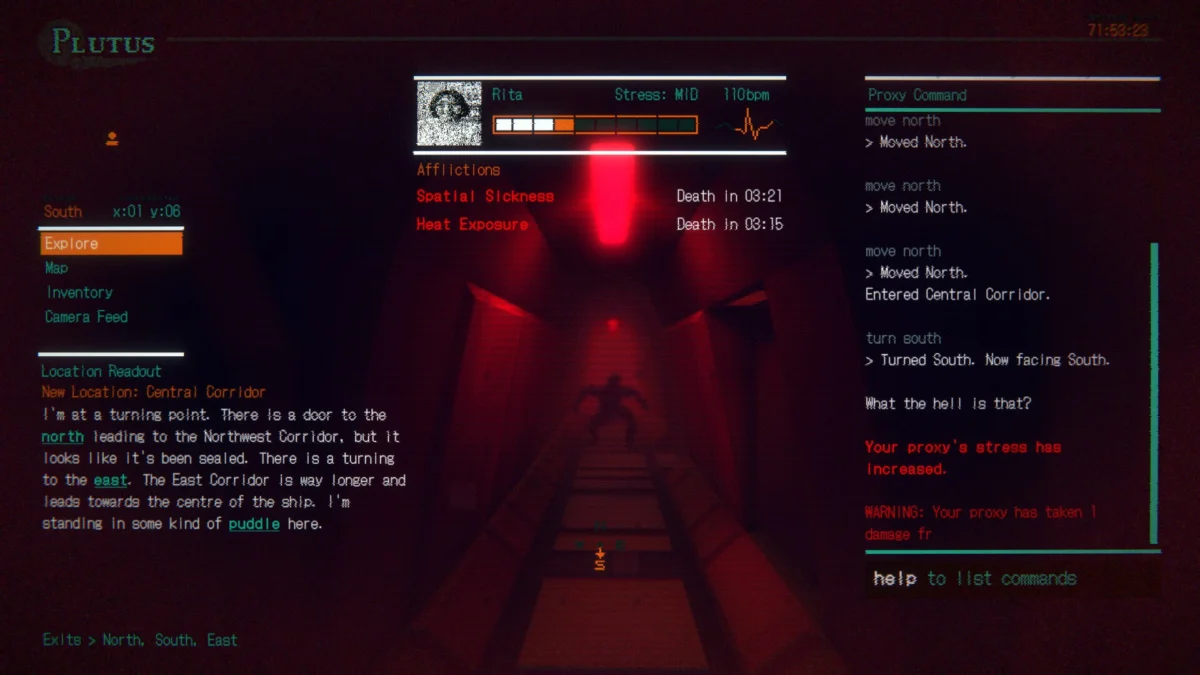
Once on board The Pelican, the game transitions into a mode reminiscent of classic dungeon crawlers, yet filtered through the lens of The Typing of the Dead. To navigate, the player cannot simply press a thumbstick forward. Instead, every action—walking forward, turning, interacting with a console, or examining a suspicious shadow—must be typed out. This requirement transforms the act of playing from a reflexive habit into a deliberate, rhythmic, and sometimes panicked physical commitment.
3. The Encounter and The Crisis
As the player probes deeper into the ship, the friction of the typing system becomes an intentional design choice. When a threat emerges—be it an environmental hazard like a radiation leak, or something more malevolent lurking in the dark—the pressure to type quickly and accurately spikes. The game forces the player to maintain their composure under fire. If you fumble your typing, your proxy stumbles; if you are too slow to react to an alarm, your proxy suffers.
Supporting Data: Why "Friction" is the Point
In an era where game design is increasingly focused on "game feel," fluidity, and removing barriers between player intent and character action, Remote Control takes the bold path of introducing deliberate friction. This is not a design oversight; it is the game’s core mechanic.
By requiring text input for every movement, Canteen has managed to create a tactile sense of empathy. You feel the effort it takes for your proxy to walk down a hallway. You feel the frantic urgency when a threat appears, as your own fingers race across the keyboard to command a desperate retreat or a defensive maneuver.
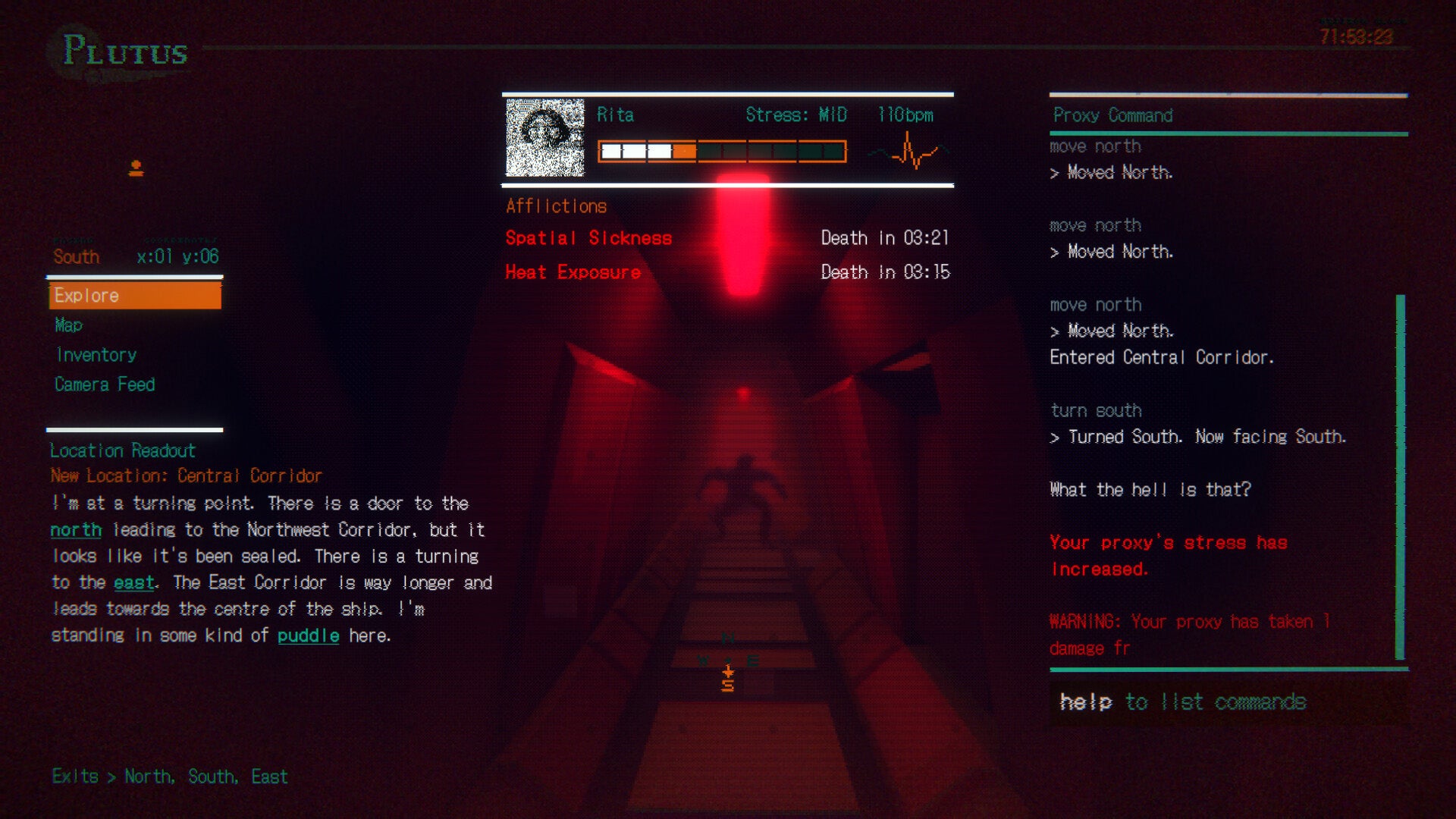
The mortality rate of the proxies acts as a secondary layer of data. By tracking the number of failed missions and the specific causes of death for each proxy, the game provides the player with a grim ledger of their own failures. It creates a feedback loop where the player becomes increasingly protective of their remaining assets, knowing full well that they are responsible for the fate of every human on the ship.
Official Perspectives: The Philosophy of Canteen
While the developers at Canteen have remained relatively enigmatic, the trailers and early demos for Remote Control speak volumes about their design philosophy. The studio appears to be interested in the "uncanny valley" of agency. In their view, the screen is not just a portal to a world, but a terminal in a corporate office.
The game’s aesthetic, characterized by flickering red lights, industrial metallic textures, and a sense of absolute isolation, reinforces the narrative that you are a distant observer. The developers have emphasized that they want players to feel the weight of their choices. By making the controls difficult, they are asking the player to confront the reality of their influence. Every time you successfully guide a proxy through a dangerous situation, you are reminded that they are only alive because you typed the right words at the right time.
Implications for the Horror Genre
Remote Control stands as a significant case study for the evolution of the survival horror genre. By moving away from combat-heavy experiences like Resident Evil or stealth-focused games like Amnesia, it carves out a niche in "cognitive horror."
The Evolution of Player Agency
Traditionally, horror games use limited ammo or dark environments to create vulnerability. Remote Control uses the input method itself. By making the interface a hurdle, the game turns the player’s own body into a source of potential failure. This has profound implications for how developers might approach immersion in the future. Can a game be more frightening if the player is physically taxed? Remote Control suggests the answer is a resounding yes.
The Return of Experimental UI
The success of this title may well trigger a renewed interest in experimental user interfaces. For years, the industry has standardized control schemes to ensure accessibility and ease of use. However, Remote Control proves that there is an audience for games that challenge the player, forcing them to learn a new "language" to interact with the game world. This type of design fosters a deeper, more personal connection to the gameplay, as the skills learned are specific to that unique experience.
Conclusion: A Test of Composure
As Remote Control moves toward its planned autumn release, the gaming community remains curious. It is not a game for everyone; those who prefer the fluid movement of an action-adventure title may find the typing requirements to be a source of frustration rather than immersion. Yet, for those looking for a fresh, intellectually stimulating, and genuinely unsettling experience, it offers something rare.
The game challenges us to consider our relationship with the characters we control. When we play a hero in a standard game, we assume their triumphs are our own. In Remote Control, we are forced to admit that our "heroes" are merely pawns in a cold, corporate experiment, and that their survival—or lack thereof—is entirely dependent on our own ability to keep our nerves steady and our fingers moving.
As the release window approaches, the mystery of The Pelican remains unsolved. Whether or not you are the type of player who can handle the pressure of being a remote operator, the game is certainly one to watch. For those interested in testing their own resolve, a demo is currently available on Steam, providing a small, chilling taste of what it feels like to hold someone else’s life at the tips of your fingers.
In the silence of space, no one can hear you scream—but they can certainly see you typing.