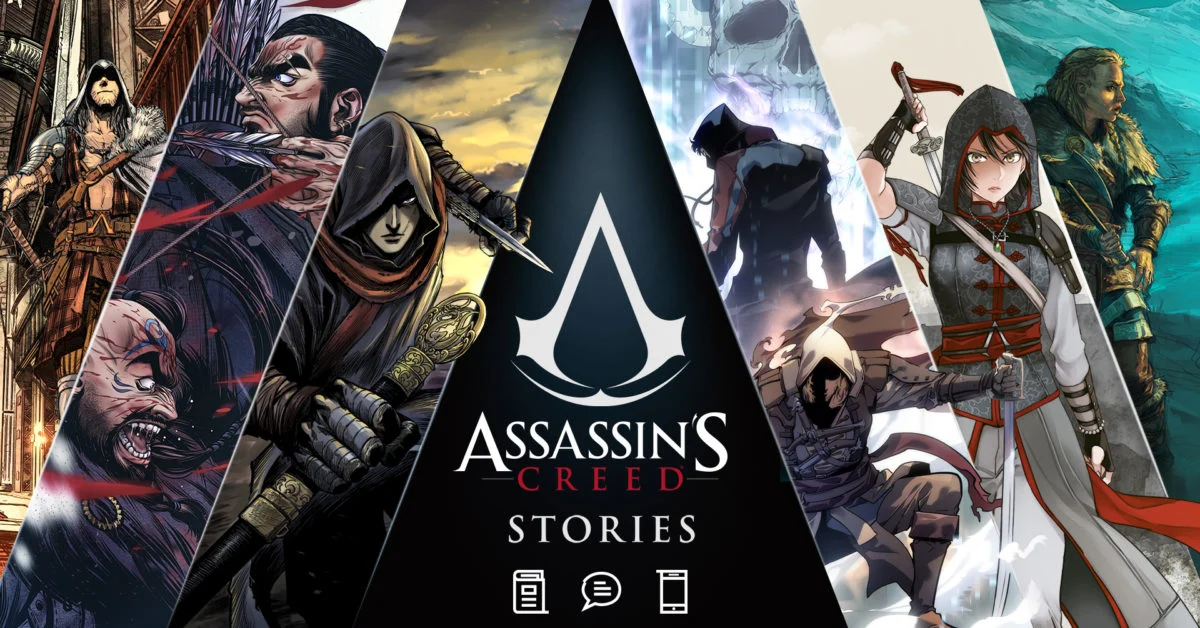
The Assassin’s Creed franchise, a cornerstone of modern gaming since its inception in 2007, is undergoing a seismic shift. Ubisoft, the powerhouse developer behind the historical epic, has announced a sweeping expansion of the Assassin’s Creed Universe, moving far beyond the console and PC platforms that defined its legacy. By diversifying into novels, graphic novels, manhuas, webtoons, and high-fidelity podcasts, the company is effectively transforming a gaming property into a true global transmedia empire.
This strategic evolution is designed to cater to a global audience, prioritizing localized storytelling that resonates with specific cultural histories while maintaining the core tenets of the centuries-old struggle between the Assassins and the Templars.
The Strategy: A Three-Tiered Narrative Architecture
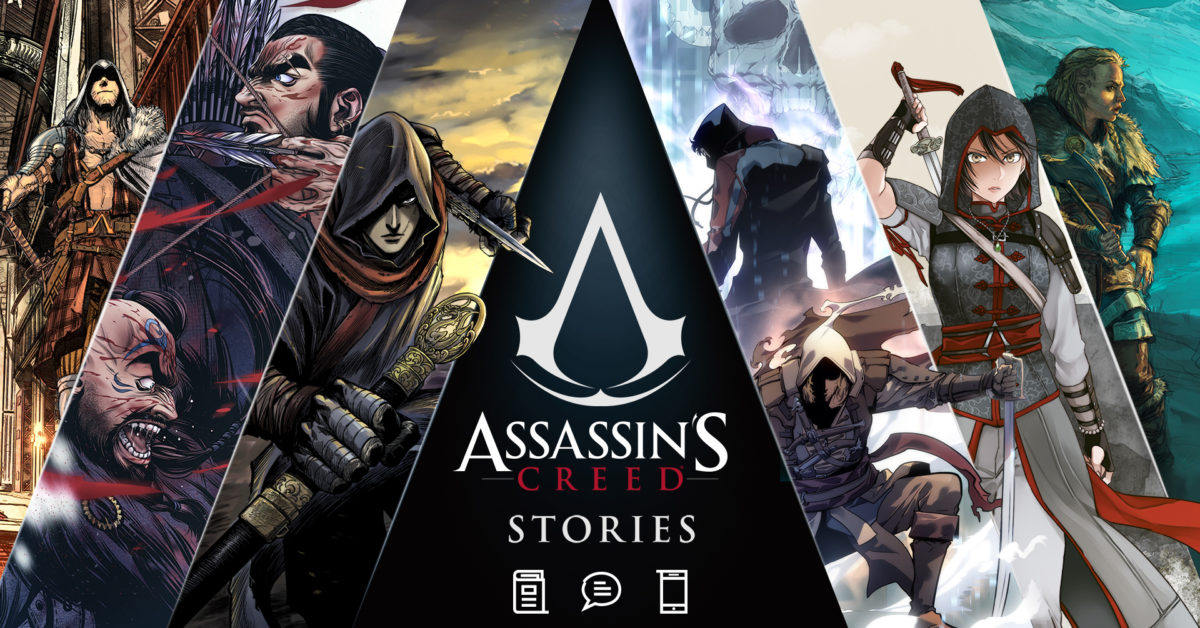
To manage this influx of new content, Ubisoft has categorized its publishing efforts into three distinct pillars, ensuring that both newcomers and long-time lore enthusiasts can navigate the expanded universe with ease:
- Classics: These works serve as direct adaptations, offering a deep dive into the narratives already established within the video games.
- Chronicles: These are new adventures centered on iconic, fan-favorite Assassins, bridging gaps in the timeline or providing fresh perspectives on familiar historical periods.
- Originals: Perhaps the most ambitious category, these works feature entirely new protagonists and explore time periods yet to be touched by the games, pushing the franchise into uncharted territory.
A Global Creative Mosaic
The expansion is not merely about quantity; it is about authentic representation. Recognizing that the Assassin’s Creed brand possesses a universal appeal, Ubisoft has intentionally sought out creators from various international backgrounds.
"With a license as rich as Assassin’s Creed, many creators are excited to offer their vision of the franchise!" explained Aymar Azaïzia, Transmedia Director at Ubisoft Montreal. "It’s a great creative opportunity to publish a work that is relevant to the genre in question and produced by authors or illustrators who are recognized in their field."
This "global vision and local approach" is spearheaded by partnerships in Asia, particularly in China, Japan, and Korea. According to Julien Fabre, Associate Director of Publishing at Ubisoft, the priority has been to forge relationships with local talent to ensure the stories feel rooted in their respective cultural contexts. Etienne Bouvier, Publishing Content Manager at Ubisoft, emphasizes that the goal is to provide fans with "new content in formats they are familiar with, and with stories that are rooted in their cultural background and their history."
Spotlight on Upcoming Publications: A 2021-2022 Roadmap
The scale of this rollout is immense. Ubisoft has curated a diverse list of titles, each bringing a unique aesthetic and narrative focus to the franchise.
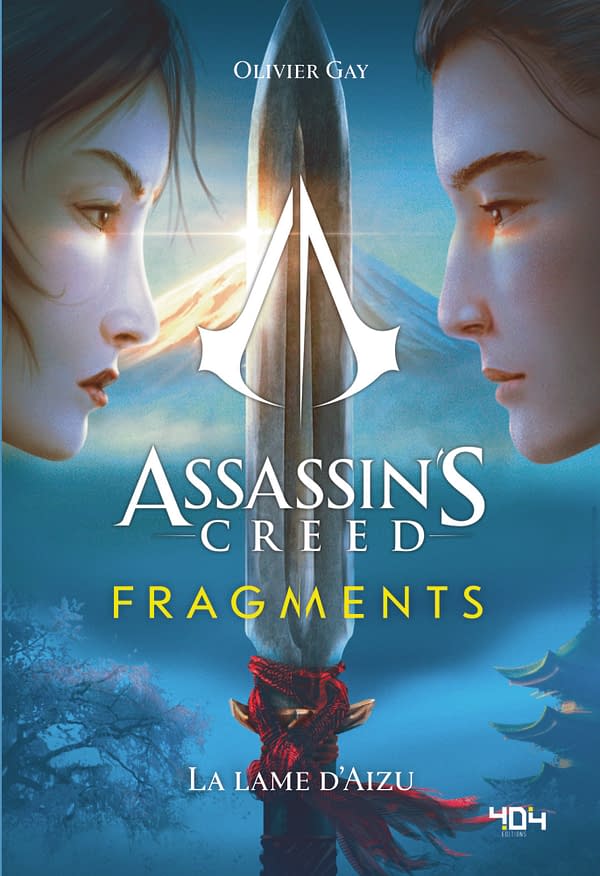
The Fragments Young Adult Trilogy (Originals)
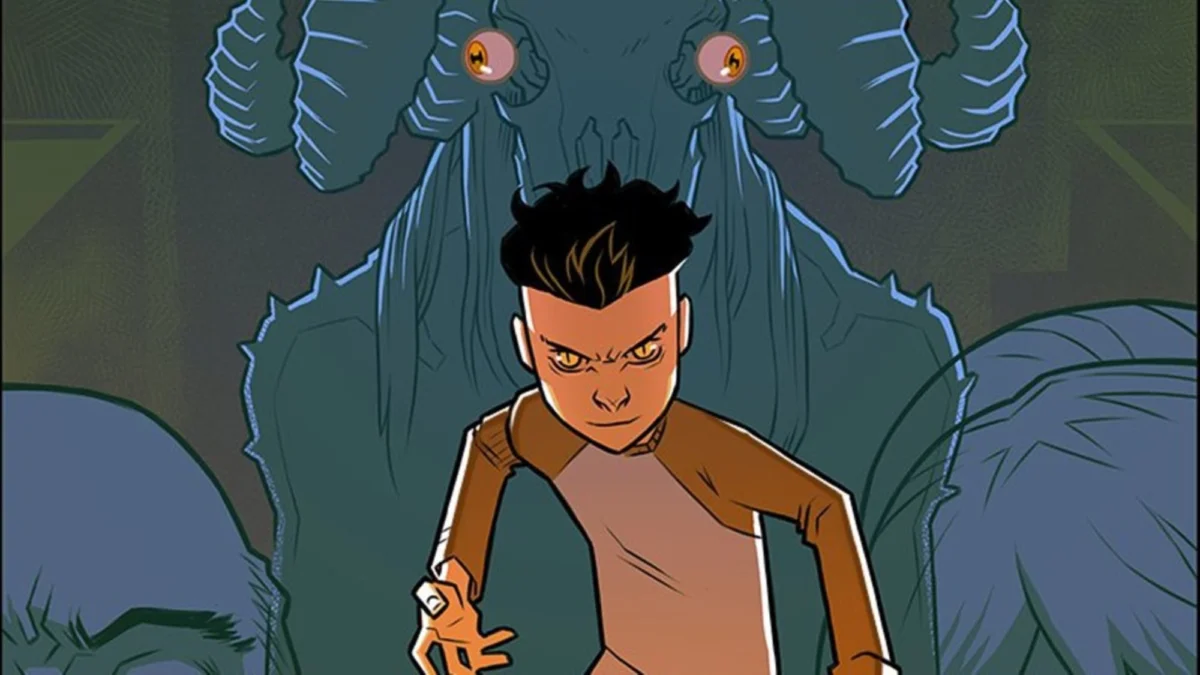
In partnership with the French publishing house Editis, the Fragments trilogy explores the nature of the Assassin-Templar feud through the eyes of teenagers. Each volume focuses on a different sibling dynamic in a distinct historical setting: 19th-century Japan, 13th-century Scotland, and 17th-century France. This series marks a significant pivot toward the YA demographic, highlighting the generational trauma inherent in the Creed’s history.
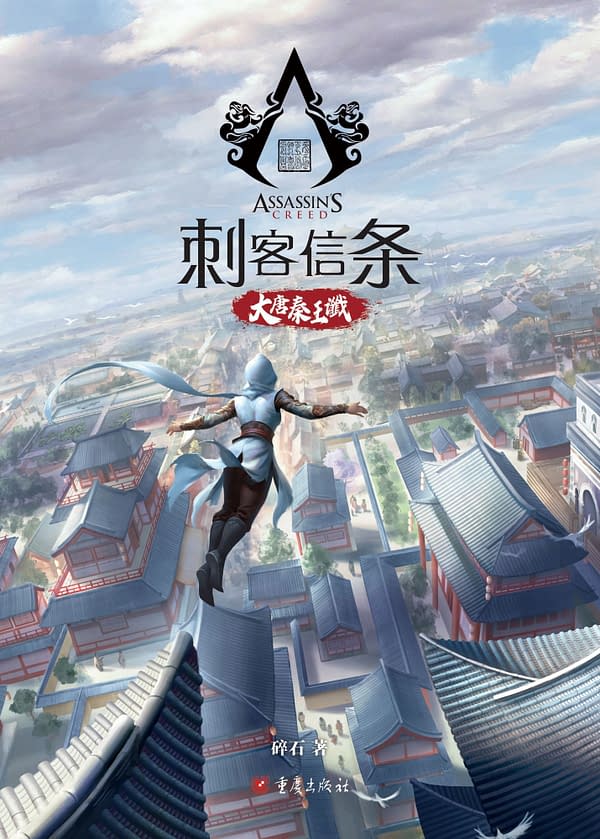
The Jade Seal Collection (Originals)
This collection represents a massive commitment to Chinese history, spanning from the Zhou Dynasty (4th Century BC) to the Ming Dynasty (17th Century). Comprising ten individual novels written by six prominent Chinese authors, the collection promises a multi-secular epic involving emperors, poets, and legendary martial artists, effectively weaving the Assassin’s conflict into the fabric of Chinese historical lore.
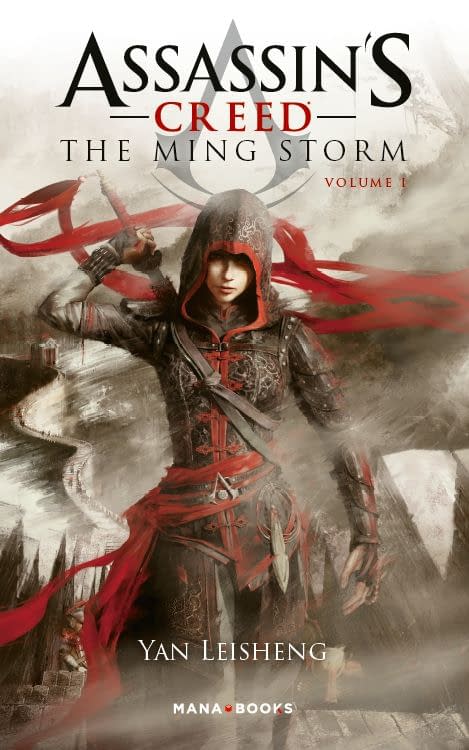
The Ming Storm (Chronicles)
Written by celebrated author Yan Leisheng, The Ming Storm brings back Shao Jun, the fan-favorite protagonist of Assassin’s Creed Chronicles: China. This novel, set in the 16th century, is the first in an action-packed trilogy published by Aconyte Books. Its release is a precursor to an even wider expansion, as Aconyte is also slated to release a series of novels set within the Assassin’s Creed Valhalla universe in 2022.
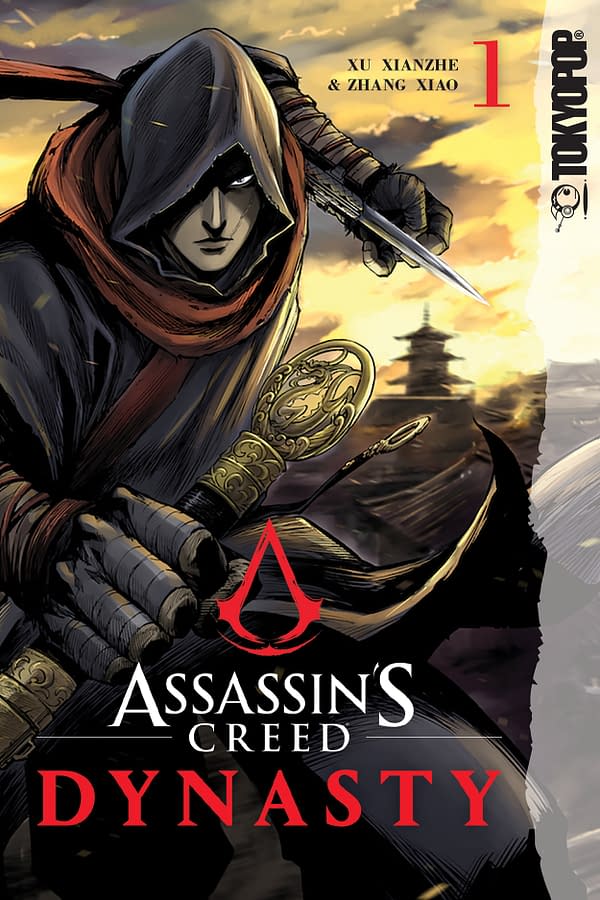
Assassin’s Creed Dynasty (Manhua)
Originally a webcomic in China, Dynasty has already achieved massive success, garnering over 150 million views and securing a top-three spot in the Wuxia genre on the Tencent platform. The story follows Li E, an Assassin tasked with protecting the Tang Dynasty from the throes of civil war. TOKYOPOP has acquired the rights for the USA and Canada, with a rollout spanning from late 2021 to early 2022.
Valhalla: Blood Brothers and Graphic Novels
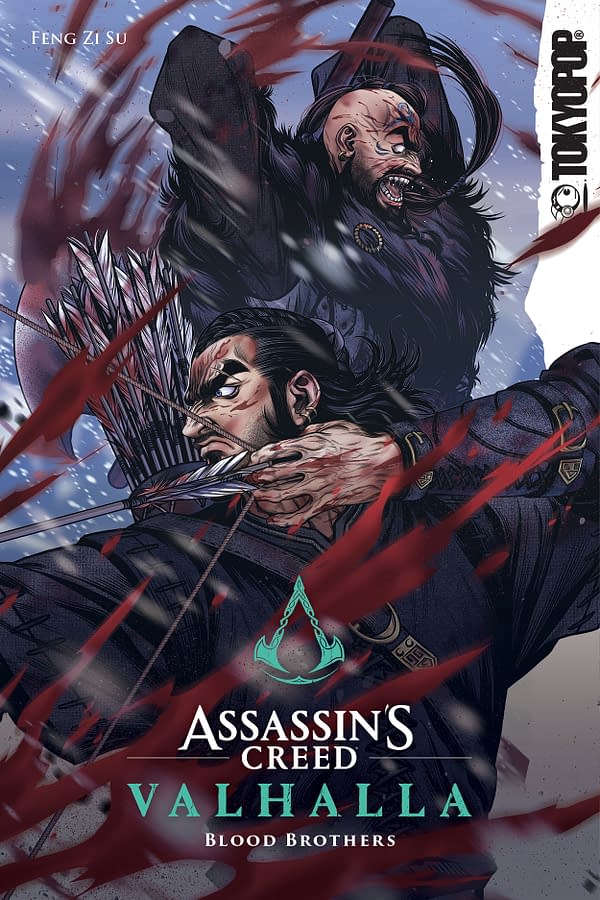
Given the immense popularity of Assassin’s Creed Valhalla, it is no surprise that a significant portion of the new media focuses on the Viking Age. Blood Brothers is a manhua detailing the lives of two Viking brothers, serving as a prequel to the exploits of Eivor. Simultaneously, a French graphic novel from Glénat Editions is set to follow an aspiring Assassin and a monk on a journey from Ravensthorpe to Scotland. Finally, Song of Glory, originally published as a series of comics by Dark Horse, has been collected into a premium hardcover, chronicling Eivor and Sigurd’s early quest for fame.
Blade of Shao Jun (Chronicles)
Viz Media is bringing the Blade of Shao Jun manga to North American audiences. Beyond the historical action, the series introduces a modern-day plotline centered on Lisa, a teenager who becomes an accidental pawn in a trap set by Abstergo Industries, the contemporary face of the Templar Order.
Turbulence in the Ming Dynasty (Podcast)
Recognizing the rise of audio storytelling, Ubisoft has partnered with Ximalaya, China’s premier podcast platform, to produce an immersive audio adaptation of the Ming Dynasty narrative. Featuring top-tier film actors and enriched with high-fidelity sound effects and original scores, this project signals a new frontier for the franchise’s sound design.
Webtoons (Originals)
Expanding on the fan-favorite Black Flag era, a new webtoon is currently in development with the Korean studio Redice. This project will serve as a direct sequel to Edward Kenway’s narrative, bridging the gap between the pirate king’s exploits and the later developments in the franchise.
Implications for the Gaming Industry
Ubisoft’s pivot is indicative of a broader trend in the entertainment industry: the "transmedia universe." By moving away from a single-medium dependency, Ubisoft is mitigating the risks associated with long development cycles for AAA video games. When a franchise can maintain visibility through a weekly webtoon chapter, a monthly podcast episode, or a quarterly novel release, the "Brand Presence" remains constant, regardless of the gap between main-line game releases.

Furthermore, this move allows Ubisoft to explore niche historical settings that might not support the massive budget of a full-scale open-world game but are perfectly suited for serialized graphic novels or YA literature. It empowers the company to cultivate a "long-tail" engagement model, where fans are constantly fed narrative content that maintains their interest in the wider Assassin’s Creed ecosystem.
Conclusion
The expansion of the Assassin’s Creed brand is not just an exercise in content saturation; it is an exercise in cultural diplomacy and narrative depth. By inviting international authors and artists to interpret the core conflict of the series, Ubisoft is ensuring that the franchise stays relevant and fresh. Whether through the ink of a manhua artist or the voice of a podcast actor, the fight for liberty against the order of the Templars has never looked—or sounded—so vast. Fans are encouraged to visit the official Ubisoft Stories website to track the release dates and specific details for these upcoming projects, marking the start of a new, sprawling era for the franchise.