Rifan Muazin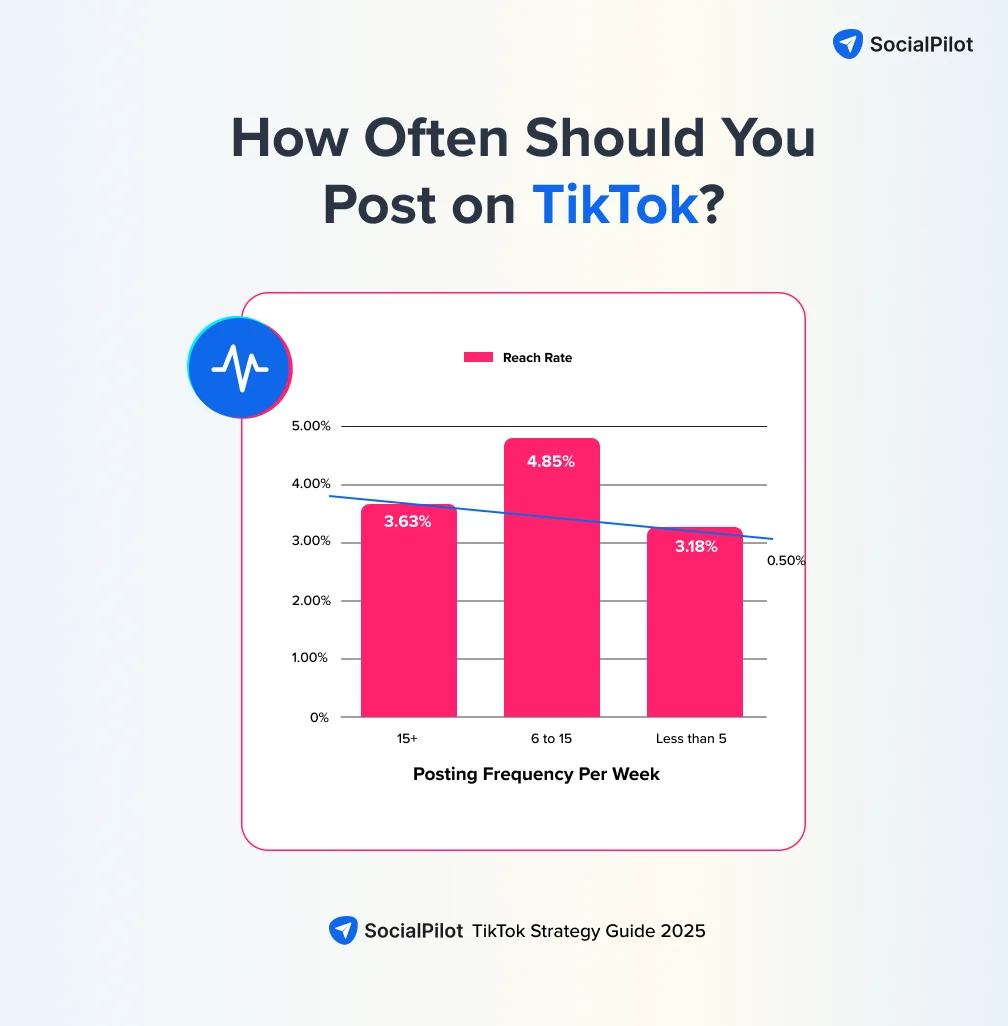
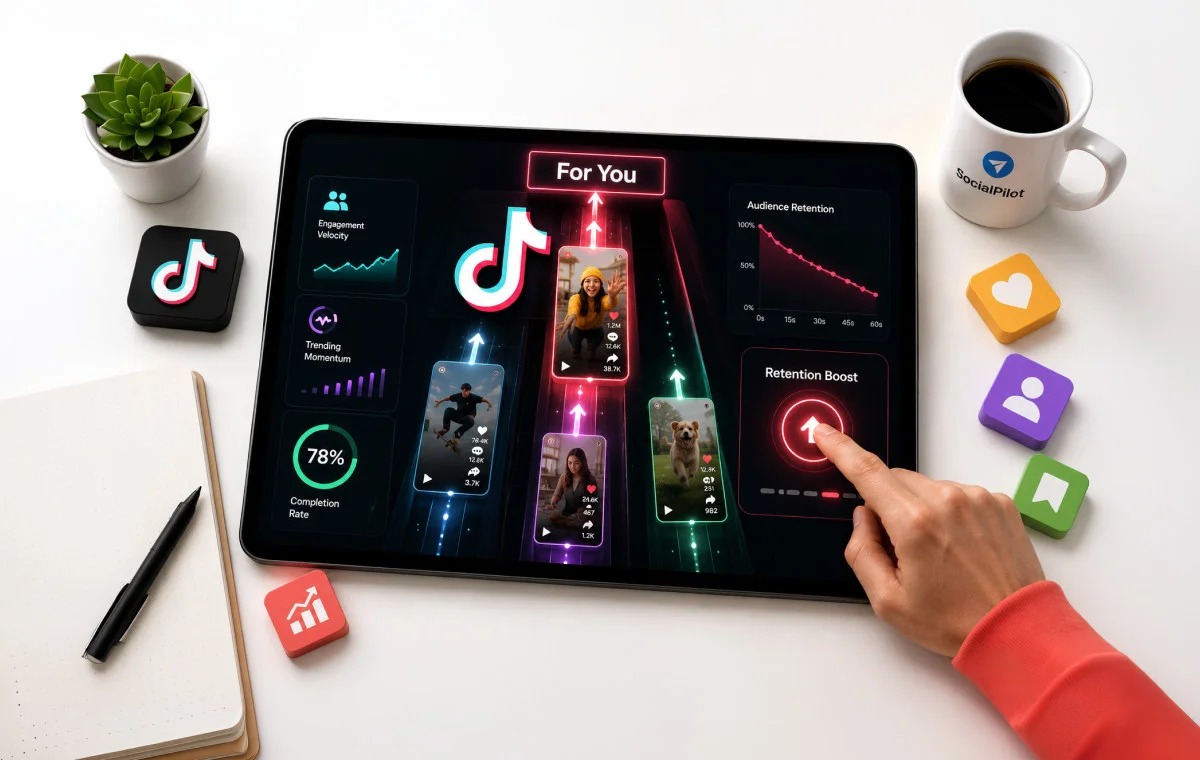
TikTok has fundamentally rewritten the rules of social media engagement. By moving away from the traditional social graph—where your experience is dictated by who you follow—TikTok pioneered the "interest graph." The "For You" page (FYP) acts as a high-speed engine of discovery, curating content so precisely that users are often held captive for hours.
For brands and creators, this is the holy grail of digital marketing: the ability to achieve viral reach without needing an existing follower base. However, the path to the FYP is paved with complex machine-learning signals. As we navigate through 2026, understanding the mechanics of this algorithm is no longer optional—it is a prerequisite for survival.
Understanding the Core Mechanism: What is the TikTok Algorithm?
At its most fundamental level, the TikTok algorithm is a sophisticated recommendation system powered by artificial intelligence. Its primary objective is simple: to predict, with extreme accuracy, whether a specific user will enjoy, interact with, share, or skip a particular video.
Unlike platforms that prioritize peer-to-peer social connections, TikTok’s system is hyper-personalized. It functions as a feedback loop. Every time you scroll, like, or watch a video to completion, you are feeding the machine data about your preferences. The algorithm, in turn, adjusts its output in real-time.
As stated in the official TikTok newsroom, the system begins by gauging a new user’s initial interests and then continuously recalibrates based on what they engage with—and, perhaps more importantly, what they actively indicate they dislike.
Chronology of Major Algorithmic Shifts (2025–2026)
The TikTok ecosystem is dynamic. To master the platform, creators must keep pace with the structural changes that occur periodically.
2026: The Year of Transition
- June 2026 (Stability): The platform entered a period of relative calm. No major, high-level changes to the distribution system were announced, as the algorithm focused on settling into the new infrastructure established earlier in the year.
- April 2026 (The Oracle Transition): This was a watershed moment for US-based creators. Following the transfer of US operations to an Oracle-led joint venture, the US recommendation engine was fully overhauled. It now utilizes a model retrained entirely on US-based data. This decoupling from the global feed caused significant volatility in reach, requiring creators to reset their performance benchmarks.
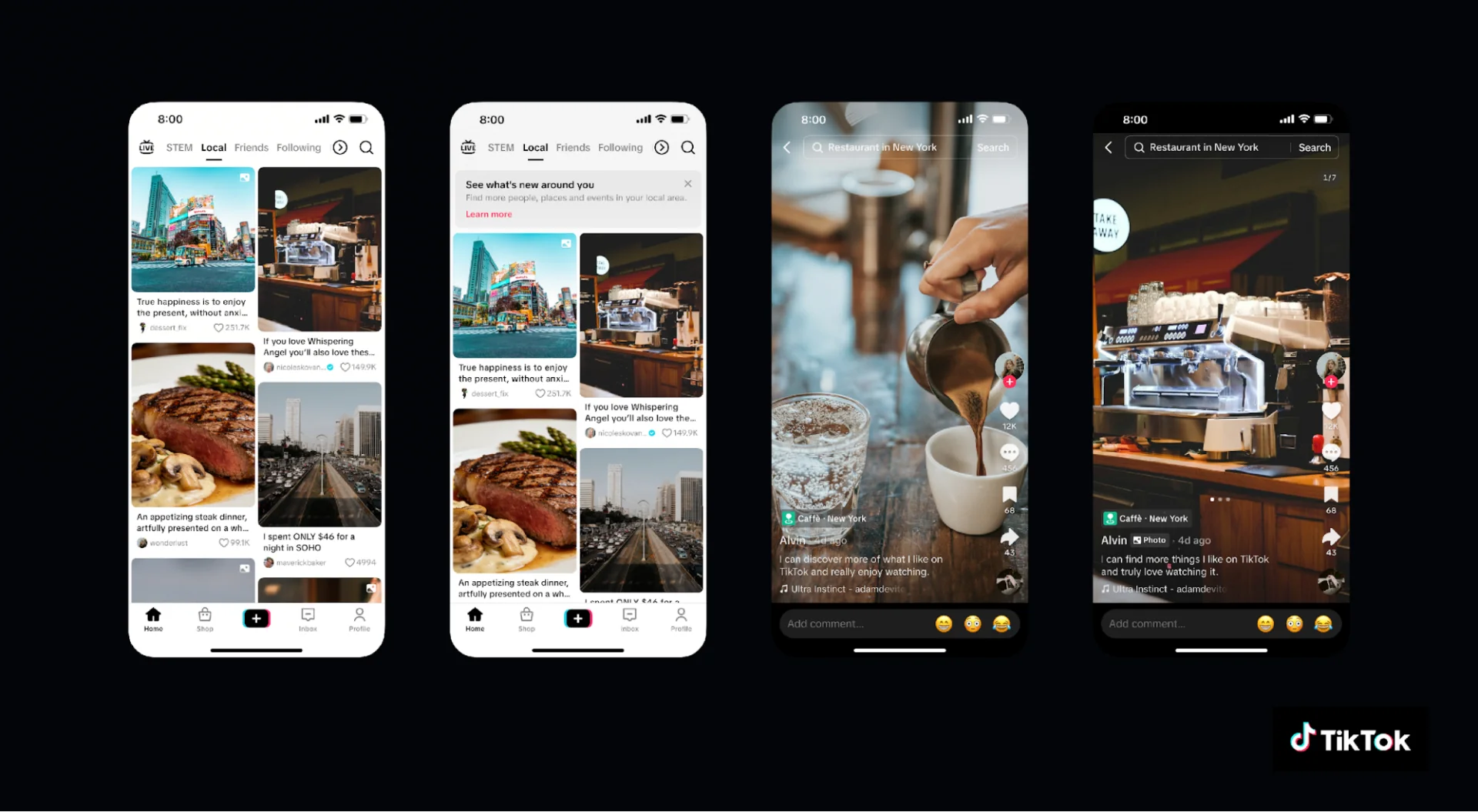
- February 2026 (The Local Feed Launch): TikTok introduced a dedicated "Local" tab. This feature prioritizes content based on geographic proximity, topic relevance, and recency. It created a powerful discovery channel for local businesses, restaurants, and event organizers, allowing them to reach nearby audiences without relying on a follow relationship.
2025: Quality Control and User Sovereignty
- Late 2025 (Follower-First Distribution): In a major departure from the "random seed" model, TikTok began prioritizing a creator’s existing followers for initial testing. A video’s success with a small group of followers now serves as the primary "gate" before the content is pushed to a wider audience.
- July 2025 (Content Check Lite): TikTok deployed a pre-posting review tool within the TikTok Studio. By allowing creators to screen for potential guideline violations or low-quality signals before publishing, the platform successfully reduced low-quality uploads by 27% among early adopters.
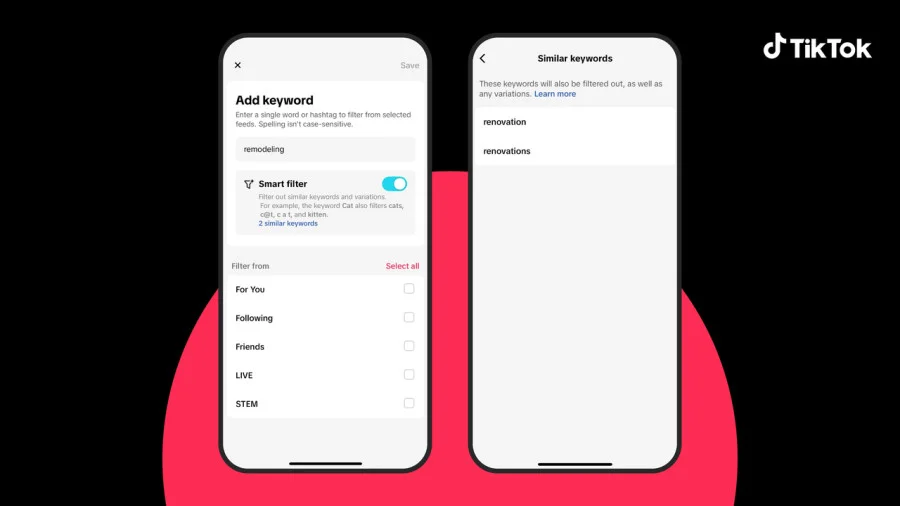
- June 2025 (Smart Keyword Filters & Manage Topics): The platform empowered users to curate their feeds more aggressively. AI-powered keyword filters began blocking not just specific terms, but synonyms and related concepts. Simultaneously, the "Manage Topics" tool allowed users to fine-tune the frequency of specific subjects, rewarding creators who maintain a clear, consistent niche.
The Triad of Ranking Signals
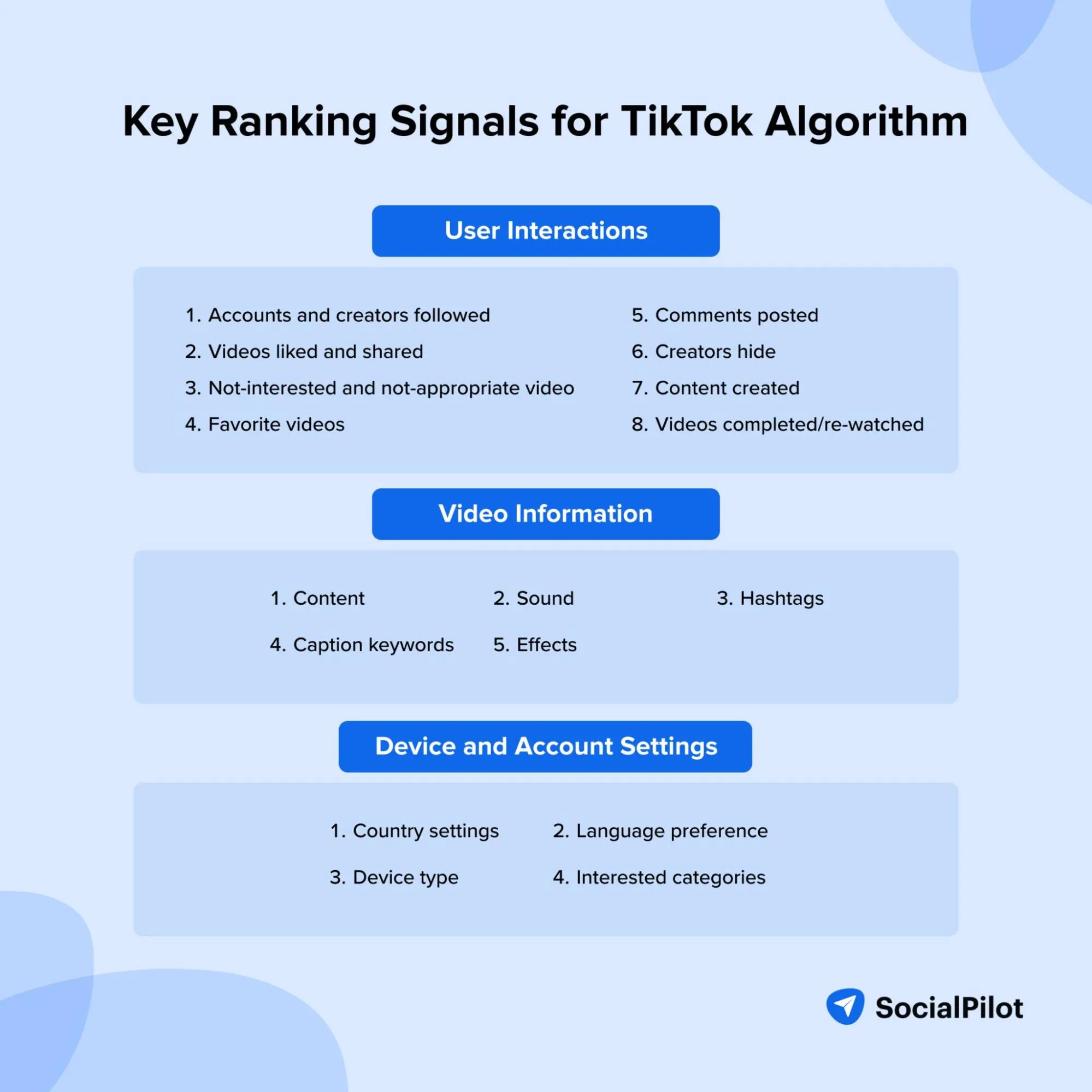
While the internal math remains proprietary, TikTok consistently emphasizes three categories of signals that influence how content is ranked.
1. User Interactions
This is the most heavily weighted signal. It includes:
- Completion Rate: Does the user watch to the end?
- Repeat Views: Does the user re-watch the video?
- Engagement: Likes, comments, shares, and saves.
- Negative Signals: "Not Interested" feedback or skipping the video immediately.
2. Video Information
The algorithm must understand what the video is about before it can recommend it. This metadata includes:
- Captions and Keywords: The text provided by the creator.
- Audio/Music: The sound track utilized (trending sounds provide a significant boost).
- Hashtags: Used for indexing and categorization.
- Visual Content: AI analysis of the imagery and objects within the video.
3. Device and Account Settings
Though these carry less weight than user behavior, they are essential for context:

- Language Preference: Ensuring the content reaches a speaker of the language.
- Country Setting: Crucial for local discoverability.
- Device Type: Ensuring the video renders correctly and aligns with common user habits.
Dispelling Common Myths
Despite the wealth of data available, many myths persist in the creator community. Clearing these up is essential for an effective strategy.
- Myth: Watching your own videos helps.
- Fact: The algorithm tracks unique user interactions. Self-views do not contribute to virality.
- Myth: Deleting bad videos improves your account’s health.
- Fact: The algorithm evaluates every video on its own merit. Deleting underperforming content does not "reset" your account.
- Myth: More followers guarantee more views.
- Fact: On TikTok, reach is driven by the content’s performance, not the size of your following. A high follower count is an asset, but it is not a bypass for creating engaging content.
- Myth: High production value is required.
- Fact: TikTok prioritizes authenticity. Smartphone-shot, creative, and engaging content consistently outperforms high-budget, over-produced commercials.
Strategic Implications for Creators in 2026
To dominate the algorithm in the current landscape, creators must shift their mindset from "gaming the system" to "building community value."
Master the "Hook"
The first 1–3 seconds are the most critical window in your video. If you do not capture the viewer’s attention immediately, the algorithm will not give you the chance to deliver your message. Start with a visual surprise, a bold question, or an immediate dive into the "meat" of the content.
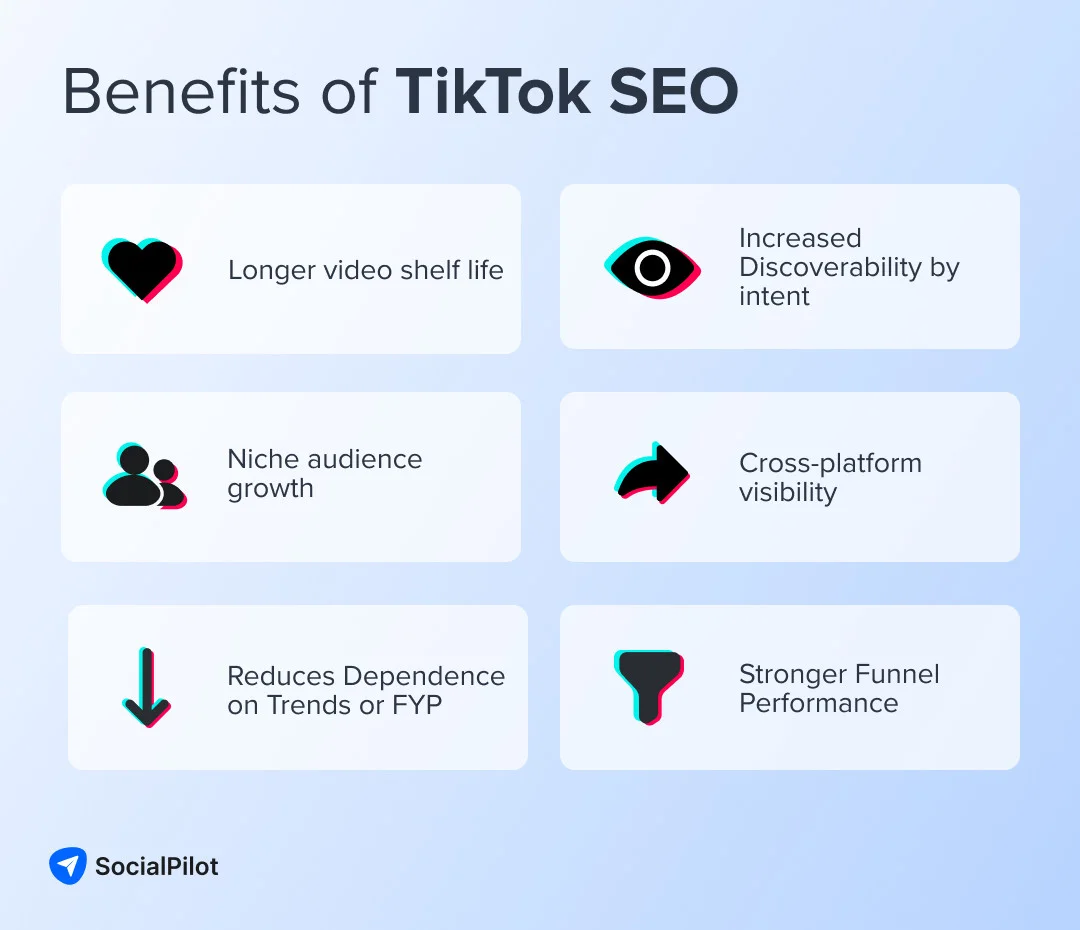
Leverage TikTok SEO
With over 64% of Gen Z users utilizing TikTok as a search engine, your SEO strategy is as important as your visual appeal. Ensure your captions, on-screen text, and hashtags are relevant and descriptive. Think of your caption as the metadata that tells the AI exactly who your video is for.
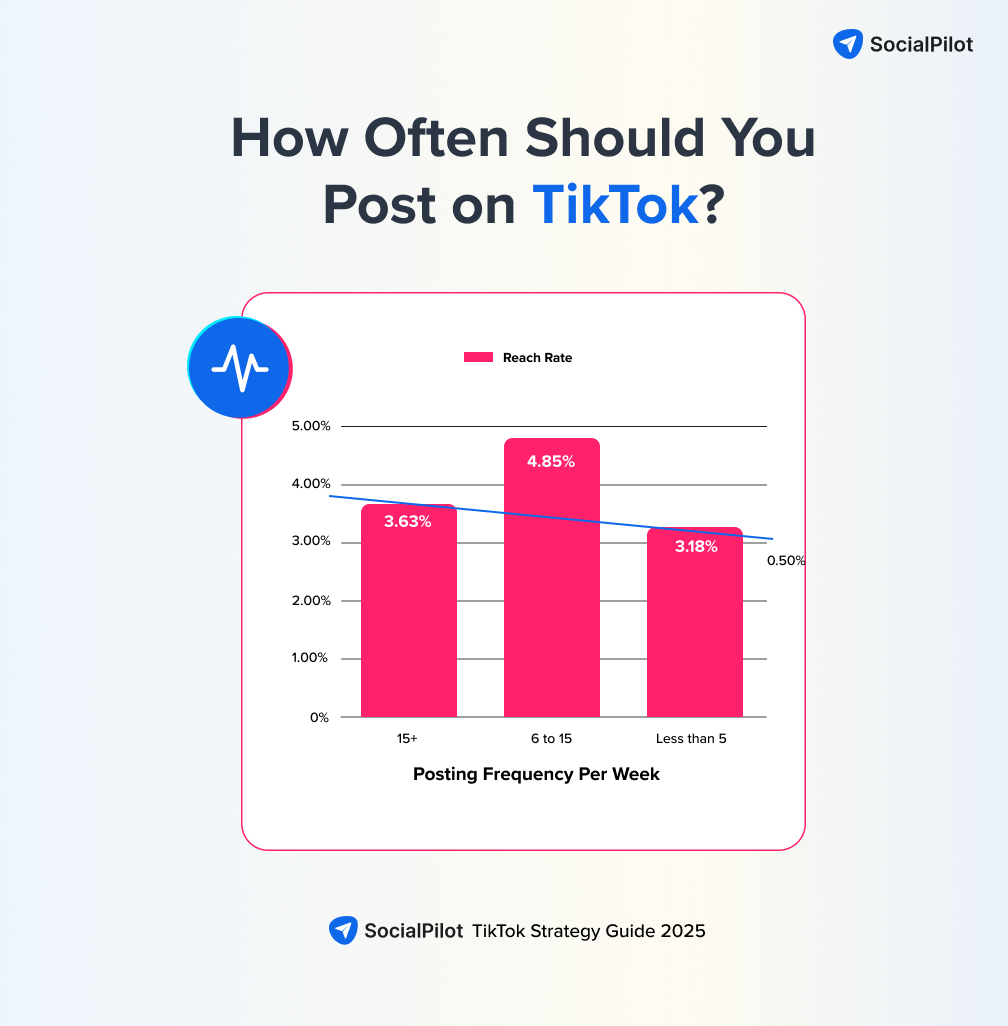
Embrace Consistency
Consistency is the heartbeat of the algorithm. Our analysis of over 1.5 million posts suggests that a cadence of 2–3 high-quality posts per week is the "sweet spot" for most creators. This volume provides enough data for the algorithm to learn your niche while preventing burnout.
The Power of Niche
The 2025 and 2026 updates have made it clear: the algorithm favors specialists. When you stick to a specific topic, you allow the system to build a highly targeted profile of your audience. When users "Manage Topics" to see more of what you offer, you become a prioritized source for those individuals.
Utilize Professional Tools
Managing a consistent content schedule can be daunting. Tools like SocialPilot allow for batching and scheduling, ensuring that you maintain a steady presence without sacrificing content quality. By offloading the logistical burden of publishing, you free up the mental bandwidth required to focus on the creative sparks that drive real growth.
Conclusion
The TikTok algorithm of 2026 is more sophisticated, localized, and user-centric than ever before. While the transition to the new US-only model has introduced some short-term volatility, the core principles of success remain unchanged: provide value, capture attention, and remain consistent.

By aligning your strategy with these algorithmic realities—and avoiding the pitfalls of "growth hacks"—you can build a sustainable, high-impact presence on the world’s most influential social platform. Success on TikTok is not about outsmarting a robot; it is about connecting with humans in a way that is meaningful, repeatable, and authentic.

 Pevita Pearce
 Asro
Asro