Nana Wu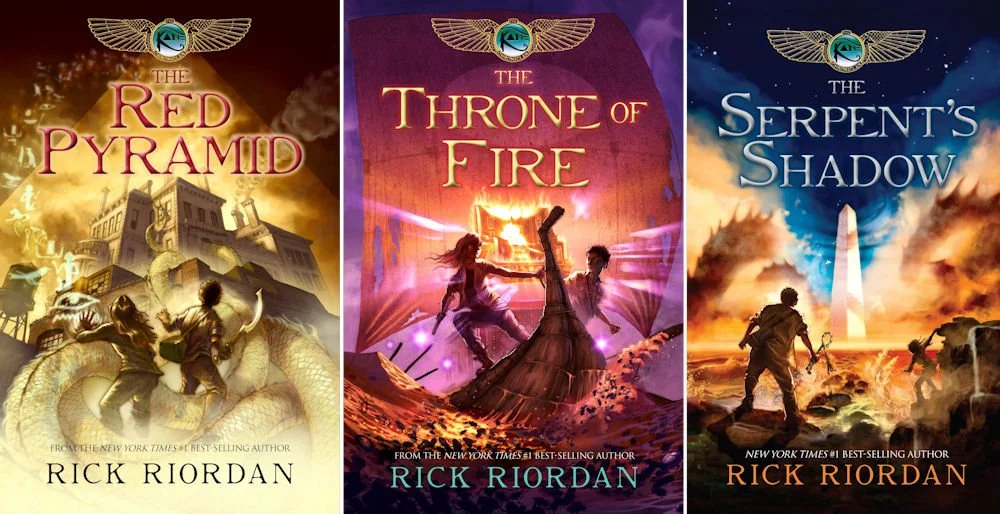
Whether you are looking to introduce the young readers in your life to the wonder of the fantasy genre, or you are an adult seeking a nostalgic, accessible palate cleanser between heavy, high-fantasy epics, the landscape of Children’s and Young Adult (YA) literature has never been more vibrant.
For decades, the genre was dominated by a specific archetype: the magical orphan who discovers their hidden heritage, attends a specialized school, and eventually defeats a monolithic evil as dictated by ancient prophecy. However, as cultural conversations evolve, many readers are finding that the "old guard" of childhood favorites no longer reflects the diversity or the complexities of the modern world. If you find yourself with a "prophecy-shaped hole" in your reading list, fear not. We have curated an expansive guide to series that offer similar narrative satisfaction while pushing the boundaries of the genre.

The Evolution of the "Chosen One" Trope
The "magical orphan" narrative has served as a cornerstone of children’s literature for a century, providing a safe container for children to process feelings of displacement and the desire for belonging. Yet, the modern reader demands more. Today’s best-selling YA and middle-grade fiction emphasizes found family, intersectional representation, and the dismantling of systemic prejudice.
The following recommendations have been selected because they capture the spirit of classic adventure while introducing fresh, vital perspectives. Themes shared with the "classic" archetype—such as prophecy, academic settings, and the struggle between good and evil—are highlighted for those seeking a specific reading experience.
Chronology and Recommendations: Where to Start
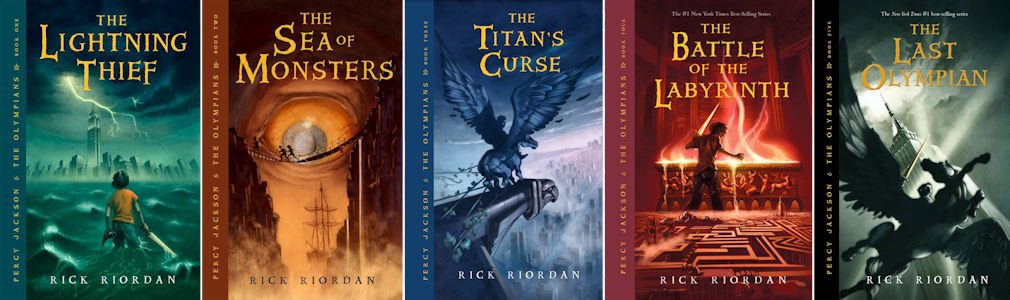
1. The Percy Jackson and the Olympians Series (Rick Riordan)
Perhaps the most iconic successor to the modern fantasy throne, Riordan’s series is the definitive boy coming-of-age saga. Percy, a demi-god navigating a world of Greek deities, attends Camp Half-Blood—a summer school for those with divine lineage.
- Key Themes: Percy is consistently torn between two worlds: his mortal life and his godly heritage. He is deeply entangled in prophecies that foretell a looming war between good and evil.
- Why it matters: Riordan provides exceptional representation for neurodivergent readers, specifically regarding ADHD and dyslexia, while normalizing the experience of growing up in a one-parent household.
2. The Nampeshiweisit Series (Moniquill Blackgoose)
A rising star in the fantasy canon, this ongoing series introduces Anequs, an indigenous protagonist who discovers a wild dragon egg.
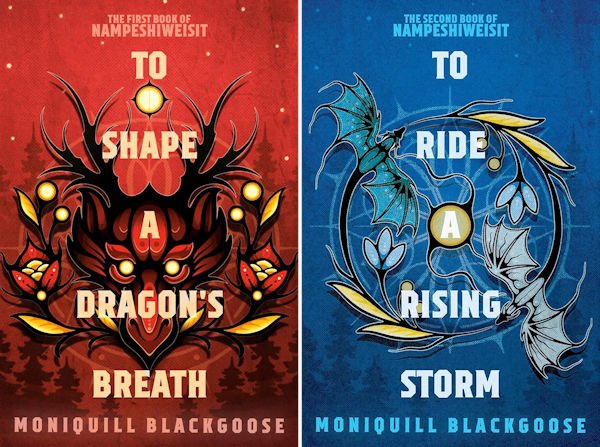
- Key Themes: Anequs is forced to attend a school designed for dragon riders, where she struggles with being torn between two worlds: the pressure to conform to colonizer standards and her loyalty to her tribe’s history.
- Why it matters: The series acts as a powerful voice against the prejudice inherent in colonial structures. It features nuanced portrayals of autism and LGBTQ+ relationships, proving that fantasy can be both high-stakes and socially conscious.
3. The Kane Chronicles (Rick Riordan)
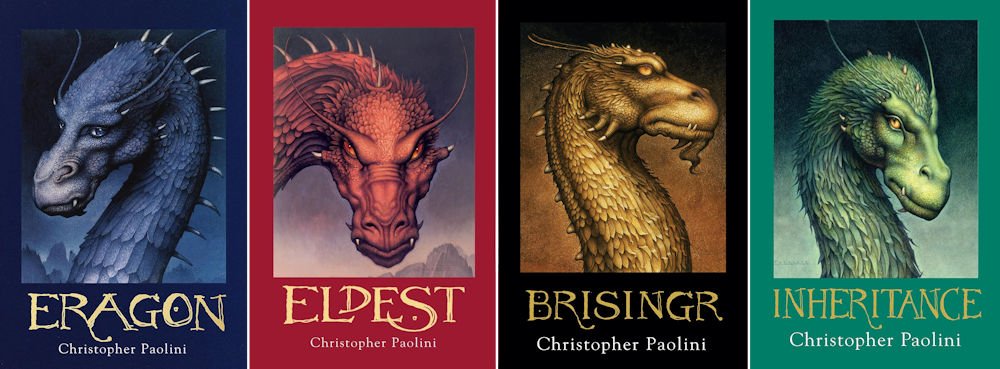
In this Egyptian-mythology-infused series, Carter and Sadie Kane find themselves becoming orphans early in the narrative.
- Key Themes: As they grapple with their lineage, they inhabit the space between two worlds: their mundane mortal upbringing and a hidden community of Egyptian casters.
- Why it matters: The series utilizes a split-POV structure to show the transition from orphaned children to teachers at their own school for children of the gods, emphasizing the weight of fighting in a war against the evils of chaos.
4. The Inheritance Cycle (Christopher Paolini)
For readers ready to graduate to more mature, expansive world-building, Eragon remains a titan of the genre.
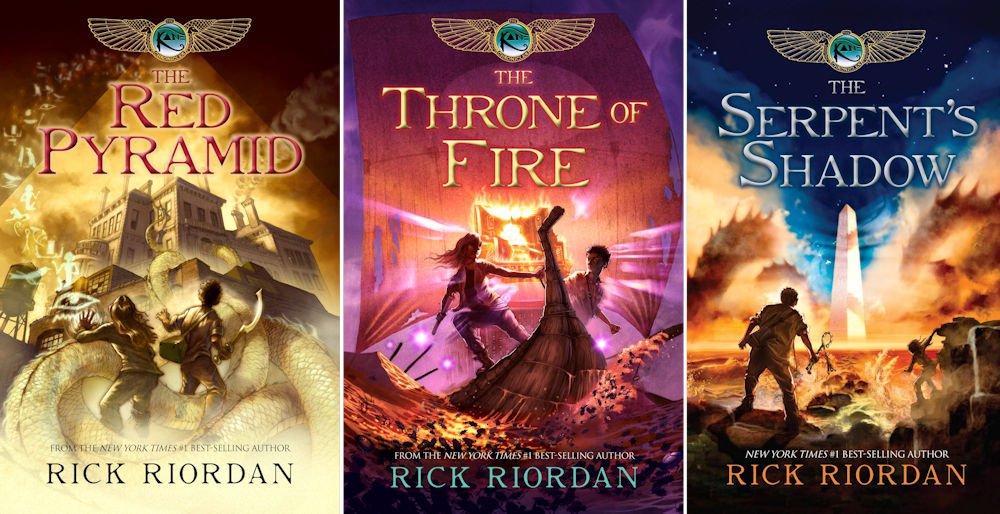
- Key Themes: This is a quintessential coming-of-age story involving an orphan boy and his dragon. It features a sweeping war between good and evil that spans an entire continent.
- Why it matters: It serves as a bridge for readers who want epic-scale fantasy without the explicit, gritty content of adult-oriented series like The Witcher.
5. His Dark Materials (Philip Pullman)
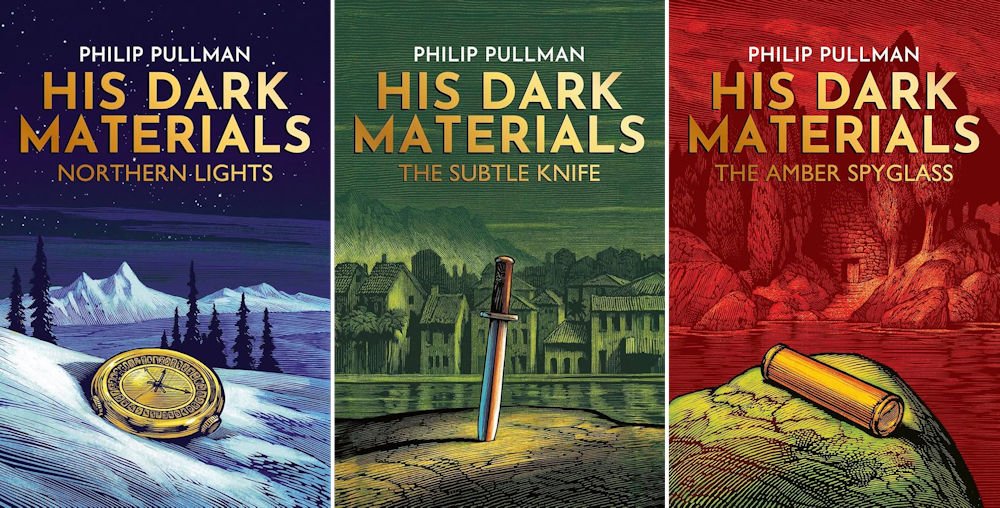
Often overlooked due to its bold philosophical subtext, this trilogy is a masterclass in challenging authority.
- Key Themes: A profound coming-of-age journey, Lyra Belacqua’s story involves a rebellion against the corrupt Magisterium, leading to an epic war that crosses dimensions.
- Why it matters: It encourages young readers to question institutional power. For the "rebellious wild child," this is the ultimate manual for thinking critically.
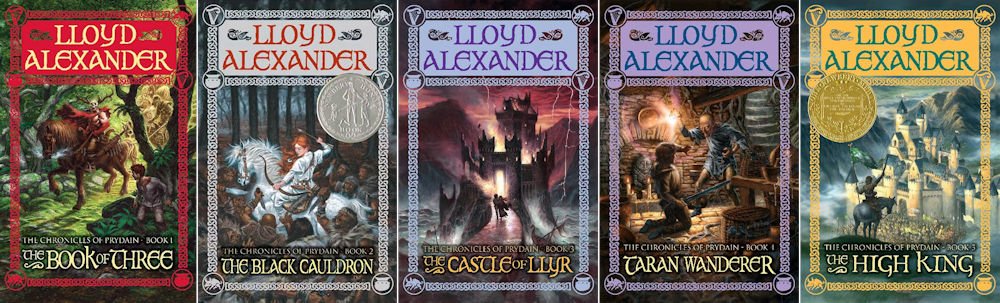
6. The Chronicles of Prydain (Lloyd Alexander)
A timeless classic that inspired generations of authors, this series follows Taran, an orphan boy assistant pig-keeper.
- Key Themes: Taran’s journey is a classic coming-of-age arc, filled with prophecies and a relentless fight against the evil of the Death Lord, Arawn.
- Why it matters: It provides a gentle, high-fantasy introduction to the Mabinogion, serving as the foundational DNA for much of modern fantasy, including the works of Sarah J. Maas.
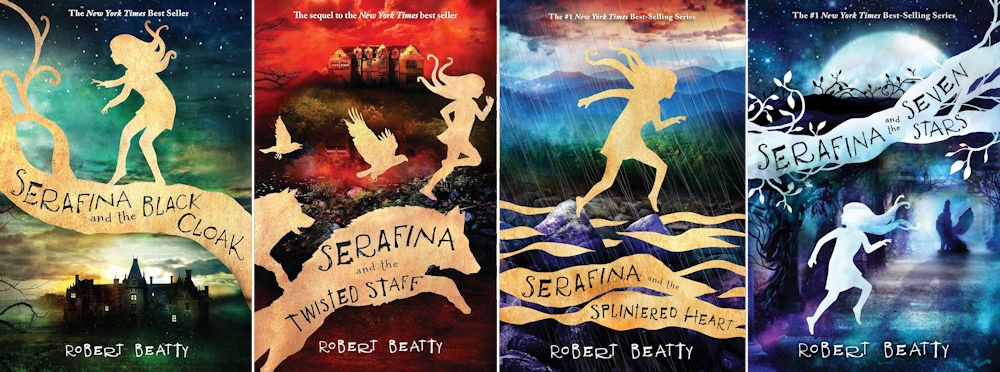
7. The Serafina Series (Robert Beatty)
Part of the "Rick Riordan Presents" imprint, this series blends historical fiction with dark fantasy.
- Key Themes: Serafina exists between two worlds—the secret life she leads in the Biltmore estate and her identity as a creature of the forest. She is constantly fighting against evil forces through the power of found family.
8. The Underlander Chronicles (Suzanne Collins)
Before The Hunger Games, there was Gregor the Overlander.
- Key Themes: After falling into an underground civilization, Gregor becomes central to a series of prophecies. He is constantly torn between two worlds: his struggling human family and the subterranean wars of the Underland.
- Why it matters: It provides a visceral look at class struggle and features characters who consistently speak out against the prejudices directed at "low-caste" creatures.
9. Guardians of Ga’Hoole (Kathryn Lasky)
A unique entry that swaps human protagonists for owls, this series is a masterclass in allegorical storytelling.
- Key Themes: The protagonists attend classes at the Great Tree to prepare for a war against supremacist owls.
- Why it matters: The series serves as a direct parallel to the geopolitics of World War II, making it an excellent resource for parents looking to integrate historical curiosity into their child’s reading time.
10. The Renegades & Warriors Series (Erin Hunter)
The Warrior Cats phenomenon continues to dominate the youth market.
- Key Themes: Both series rely heavily on prophecies and the inevitability of war. Characters like Rusty (in Warriors) and the twins in Renegades face the struggle of being torn between two worlds—the domestic life of a house pet/human-associated cat and the feral, warrior life of the clans.
Supporting Data: Why Diverse Fantasy Matters
Market research in the publishing industry indicates a significant shift in consumer behavior. According to recent demographic data, readers aged 12–18 are increasingly seeking "mirrors and windows"—books that reflect their own identities (mirrors) and provide insight into the lives of others (windows). The series listed above satisfy this demand by incorporating:
- Disability Representation: ADHD, dyslexia, and PTSD are no longer sidelined but are integrated into the hero’s journey.
- Socioeconomic Diversity: Many of these series address the realities of single-parent households and financial insecurity.
- Cultural Sensitivity: Authors are increasingly prioritizing authentic representation of indigenous and marginalized cultures, moving away from the "Eurocentric default" of classic fantasy.
Official Industry Perspectives
Publishers have noted that while the "Chosen One" trope remains profitable, the "flavor" of the success has changed. Literary critics suggest that the modern reader is less interested in the birthright of the hero and more interested in the choices the hero makes. As one editor recently remarked, "The audience is no longer satisfied with a hero who wins because they were destined to win. They want to see the hero win because they chose to do the work, stood up to their elders, and protected their community."
Implications: The Future of the Genre
The shift away from older, problematic favorites toward these more inclusive titles has profound implications for future readers. By diversifying the "heroic" narrative, we are teaching children that:
- Authority is not always right: Questioning power structures is a sign of intelligence, not defiance.
- Difference is a superpower: Whether it is a learning disability or a cultural background, the very things that make a child feel "torn between two worlds" are often the keys to their success.
- Community is the ultimate weapon: The trope of the "lone hero" is fading, replaced by the reality that victory is only possible through collective action and the support of a found family.
Whether you are a veteran of the genre or a parent looking for the next great bedtime story, this list serves as a foundation. The world of fantasy is no longer a closed room; it is an open door. We encourage you to dive into these titles, explore their worlds, and—most importantly—share your own recommendations to keep this conversation growing. After all, the best stories are the ones we build together.

 Raul Delapena Setiawan
 Laily UPN