Lina Irawan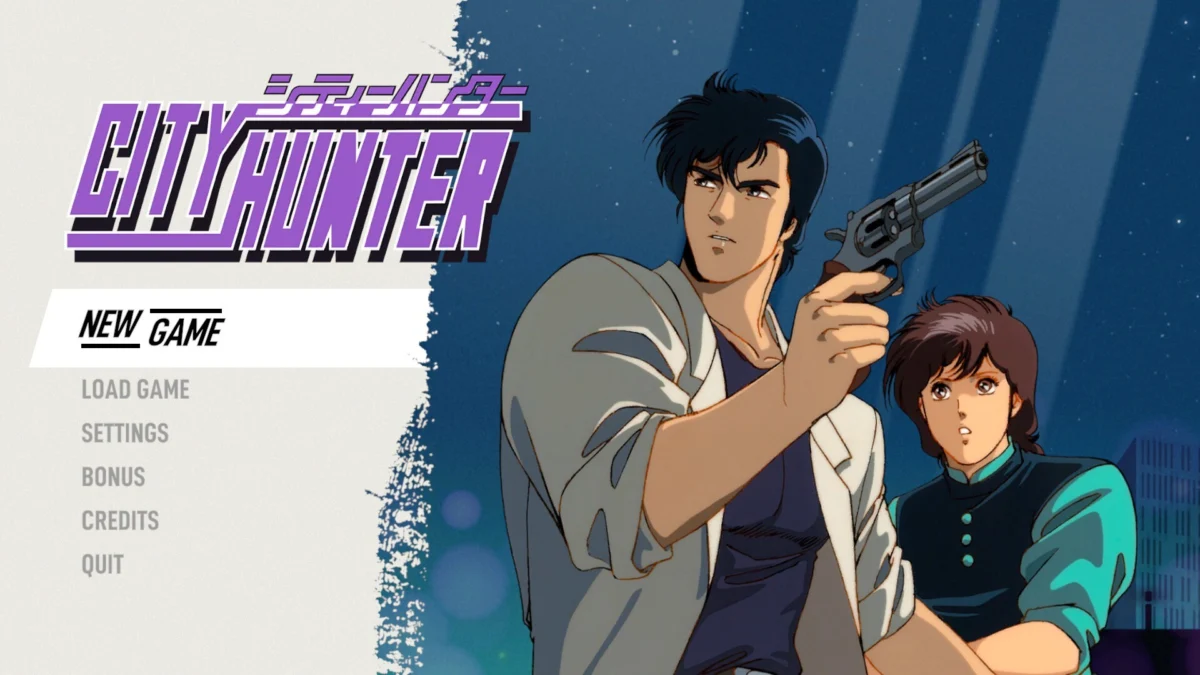
The landscape of modern gaming is increasingly defined by the pursuit of digital archeology. As companies dig deep into their archives to rescue titles that were once locked away in the annals of Japanese exclusivity, we are witnessing a renaissance of retro preservation. The latest entry in this trend is the 1990 release of City Hunter, a title based on the legendary manga and anime franchise that has finally made its way to the Nintendo Switch. While the release serves as a heartfelt love letter to fans of Ryo Saeba, it simultaneously acts as a stark reminder that some relics are better left in the vault of history.
The Chronology of a Lost Property
To understand the significance of this release, one must first look at the trajectory of City Hunter as a cultural phenomenon. Created by Tsukasa Hojo, the City Hunter manga debuted in 1985 and quickly became a bedrock of the medium, blending high-stakes action with a distinct, often raunchy sense of humor. By 1990, the franchise was at its peak, leading to various media spin-offs, including this specific video game iteration.
For over three decades, this title remained a Japanese exclusive, a piece of interactive media largely inaccessible to the Western world unless one possessed the original hardware and the requisite language skills. The arrival of this game on the Nintendo Switch in 2026 is, therefore, a triumph of preservation. It represents a bridge between the early 90s console era and the modern digital storefront, allowing a new generation to see exactly what gamers in Tokyo were playing while the rest of the world was occupied with Super Mario Bros. 3. However, the passage of time is often unkind to mechanics that were merely "adequate" in their prime.
Gameplay Mechanics: The Burden of Antiquity
At its core, City Hunter is a side-scrolling action title that feels immediately derivative of arcade staples like Rolling Thunder. Players step into the shoes of the iconic "sweeper" Ryo Saeba, traversing three sprawling, labyrinthine chapters. The primary loop consists of running, jumping, climbing ladders, and engaging in repetitive gunplay.

The Illusion of Depth
Visually and structurally, the game suffers from a severe lack of variety. The environments are largely indistinguishable from one another, characterized by endless corridors and monochromatic palettes that make navigation a chore rather than a challenge. What developers in 1990 likely intended as "sprawling level design" now manifests as a confusing, trial-and-error slog. Players frequently find themselves hitting dead ends or wandering in circles, hampered by a map design that lacks the intuitive signposting expected in modern titles.
Combat and Design Flaws
The combat, which should be the highlight of a Ryo Saeba adventure, is functional at best and tedious at worst. The game utilizes a hit-scan system that lacks the tactile feedback of its contemporaries. More egregious is the enemy placement. Because the game often forces players to transition between screens or enter doorways, enemies are frequently positioned in "cheap" locations—appearing exactly where the player stands, leaving no time to react. This artificial difficulty spike serves as a frustrating reminder of the "quarter-muncher" arcade philosophy, where the goal was to kill the player as quickly as possible to necessitate another credit.
Technical Preservation and Modern QoL Adjustments
Recognizing that the original experience would be largely unplayable for the average consumer, the team behind this Switch port has implemented several "Quality of Life" (QoL) features. These additions represent the "preservation" aspect of the project, designed to make the game accessible without altering its fundamental identity.
- The Original Experience: For the purists, the game can be played exactly as it was in 1990, complete with its original, unforgiving difficulty.
- Enhanced Version: A revised mode has been included, which attempts to mitigate the "cheap" enemy behavior and refine some of the collision detection issues.
- Rewind Functionality: Perhaps the most vital feature, the ability to rewind gameplay provides a safety net against the aforementioned enemy placement issues, allowing players to undo a mistake rather than resetting the entire stage.
- Hard Mode: For those who found the original too easy or simply wish to suffer, a specialized difficulty setting is included.
Beyond these gameplay tweaks, the package is bolstered by a wealth of archival material. Fans will appreciate the digital galleries featuring original concept art, a music player containing the classic score, and detailed notes on the development history. These extras are the true highlight of the package, showcasing a level of care and appreciation that the core game itself unfortunately lacks.

The Implications of "Museum Gaming"
The release of City Hunter on the Switch raises a broader question regarding the industry’s obsession with preservation: Does every game deserve a second chance?
There is a distinct difference between "historical value" and "recreational value." City Hunter is a masterclass in the former. It acts as a digital artifact, explaining why the City Hunter brand remained relatively obscure in Western gaming circles for so long. It is a snapshot of an era where licensed games were frequently produced with limited budgets and tight deadlines, resulting in products that prioritized branding over game design.
For historians and die-hard fans of the anime, this release is an essential purchase. It completes the collection. However, for the average Nintendo Switch owner looking for a "hidden gem" or an undiscovered classic, the reality is stark. The humor—a hallmark of the franchise—has aged poorly, reflecting attitudes and character dynamics that do not resonate well in the modern era. When the gameplay is equally antiquated, the overall product becomes difficult to recommend to anyone outside of the niche enthusiast demographic.
Final Verdict: A Curated Curiosity
Ultimately, City Hunter on the Nintendo Switch is a success as a preservation project, but a failure as a piece of contemporary entertainment. It is a reminder that while we should strive to keep the history of gaming alive, we must also be honest about the quality of that history.

This release is a "historical curiosity"—a title that serves as a testament to the fact that not every license from the golden age of anime was turned into a masterpiece. By providing the tools to circumvent the game’s most glaring flaws, the developers have done the best they possibly could with the source material. However, they cannot fix the fundamental design philosophy of a game that was, quite frankly, never that good to begin with.
For those who want to see how Ryo Saeba transitioned to the 8-bit or 16-bit era, this is a necessary acquisition. For those who want a fun, modern action game, it is best to look elsewhere. The effort put into the presentation is commendable, but it serves only to highlight the tragedy of a game that simply hasn’t stood the test of time. As we look forward to future re-releases of lost titles, we must hope that the industry continues to prioritize the preservation of masterpieces, rather than the exhumation of every title that ever graced a Japanese shelf.
City Hunter is not a lost classic; it is a lesson in the importance of critical appraisal, proving that while history is worth remembering, it doesn’t always deserve to be replayed.

 Sagoh
Sagoh
 Ammar Sabilarrohman