Overview: A Clash Over Airwaves and Accountability
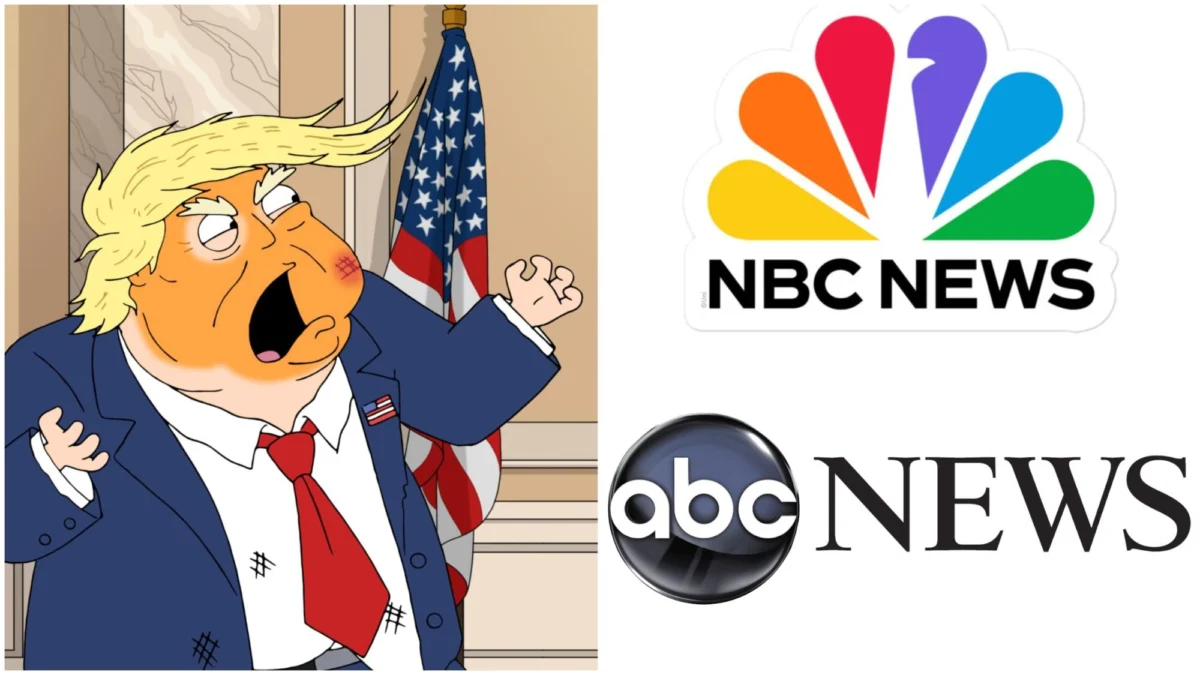
In a volatile development that has reignited the debate surrounding media autonomy and executive power, Donald Trump publicly called for the revocation of the broadcast licenses of major television networks ABC and NBC. The former president’s demand, issued on Thursday evening, July 16, 2026, followed the networks’ collective decision to decline the broadcast of his latest campaign address.
The incident marks a significant escalation in the ongoing friction between the Trump camp and the mainstream media. Trump, who has frequently utilized his platform to challenge the legitimacy of electoral processes, characterized the networks’ refusal to air his address as a form of "fraud" and a deliberate attempt to undermine the democratic integrity of the nation. By suggesting that the Federal Communications Commission (FCC) intervene, Trump has placed the issue of government-regulated speech at the center of the political discourse.
Chronology of the Conflict
The tensions leading up to this week’s confrontation have been building for several years. Since leaving office, Trump has consistently alleged systemic corruption within the electoral process—a narrative that has been rejected by multiple courts and electoral commissions.
- July 2026: Trump scheduled a high-profile address intended for prime-time broadcast. Upon reviewing the content, major networks, including ABC and NBC, opted to maintain their standard programming, effectively blocking the broadcast.
- The Reaction: Shortly after the networks declined to air the event, Trump took to his social media channels and campaign appearances to denounce the move. He specifically targeted the network executives, accusing them of operating as arms of the "radical left."
- The Escalation: In his address, Trump explicitly invoked the role of the FCC, signaling a desire for regulatory bodies to intervene against private media organizations. He framed the refusal as an affront to "fairness," suggesting that the networks were failing in their public interest obligations.
Supporting Data and Contextual History
The decision by ABC and NBC to pass on the broadcast is not an unprecedented event in American television history. Major networks have long reserved the right to determine which executive-level speeches merit preempting regularly scheduled content.
Historical Precedents for Network Preemption
The industry standard for broadcast journalism is to evaluate the "newsworthiness" of a speech against the potential impact on public service.
- The 2022 Precedent: In September 2022, several networks, including ABC and CBS, chose to air entertainment programs—such as game shows and sitcoms—rather than carry a live address by President Joe Biden regarding democratic stability. This decision was met with criticism from the White House at the time but was defended by network executives as a discretionary editorial choice.
- The 2014 Precedent: During the Obama administration, networks similarly opted against airing an immigration policy speech, sticking to their established programming schedules.
These instances demonstrate that the practice of "gatekeeping" is a long-standing feature of the American broadcast landscape. When networks determine that a speech is more political in nature than essential for public safety or immediate national crisis management, they have historically chosen to protect their advertising revenue and audience retention.

The Trump Narrative: Claims of Corruption
Central to Trump’s argument is the belief that the networks are utilizing public airwaves for private gain while engaging in biased reporting. Trump stated, "They use our public multi-billion-dollar in value airwaves for absolutely no money… Fraud like this should mean a revocation of their licenses."
This rhetoric focuses on the concept of the "public interest" mandate. Under current FCC guidelines, broadcasters are required to serve the public interest, convenience, and necessity. However, this mandate has historically been interpreted broadly, allowing networks to exercise significant editorial independence. Trump’s argument suggests a shift toward a more interventionist approach, where the government would penalize outlets that do not provide platform time for specific political figures.
Implications for the FCC and Broadcast Regulation
The inclusion of Brendan Carr, an FCC Commissioner, in Trump’s commentary has raised alarm bells among First Amendment advocates. The implication that a presidential candidate could influence the FCC to strip a media organization of its license based on content-based grievances is viewed by legal experts as a dangerous shift in the relationship between the state and the press.
The Role of the FCC
The FCC is intended to be an independent regulatory body. Its authority over broadcast licenses is primarily concerned with technical standards, ownership limitations, and adherence to specific public service requirements. The revocation of a license based on the content of political reporting or the refusal to broadcast a specific politician’s speech would face immediate and severe constitutional hurdles.
Legal scholars note that the "Fairness Doctrine," which once required broadcasters to present contrasting viewpoints on controversial issues, was abolished in 1987. Without such a mechanism, the FCC lacks the legal standing to mandate that a network carry a particular political message.
Political Implications and Public Reaction
The rhetoric surrounding the incident has further polarized the electorate. Supporters of the former president argue that the networks are indeed biased and that their refusal to air his speech is a form of censorship. Critics, however, argue that the call to revoke licenses is an authoritarian tactic designed to intimidate the media into compliance.
The timing of this incident, occurring in the middle of a heated political cycle, suggests that the media will continue to be a primary target for political campaigns seeking to consolidate their bases. By framing the networks as "enemies of the truth," Trump is attempting to delegitimize any platform that does not align with his messaging.
Analysis: The Future of Media Autonomy
The ongoing saga between political figures and television networks highlights the fragility of media neutrality in the digital age. As audiences move toward fragmented, siloed information environments, the traditional broadcast networks remain one of the few spaces where diverse demographics converge.
If the government were to succumb to pressure to regulate the editorial decisions of these networks, the result would likely be a profound chilling effect on journalism. Networks, fearing the loss of their licenses, might prioritize "safe" or government-approved content over investigative reporting or critical analysis. This would fundamentally alter the role of the Fourth Estate in American democracy.
Furthermore, the focus on "mail-in voting" and election integrity—the subjects of the speech the networks refused to air—continues to be a flashpoint in American politics. By conflating his grievances with the electoral process with his grievances against the media, Trump is effectively packaging his campaign strategy as a struggle for the very survival of the republic.
Conclusion
The demand to revoke the licenses of ABC and NBC represents a continuation of a strategy to externalize blame for political obstacles. Whether or not this rhetoric gains traction within the FCC, the debate itself serves as a stark reminder of the tension between political power and the freedom of the press.
As the 2026 political landscape continues to evolve, the broadcast industry will likely face increased scrutiny. However, the constitutional protections afforded to the media remain a significant barrier to the type of state-led intervention that the former president is advocating. The battle for the airwaves, it seems, is far from over, and it remains a defining conflict of the modern American political era.