

For decades, Japan’s mountainous regions have been synonymous with the crisp, powdery winters that draw millions of international and domestic skiers to the slopes. However, a significant paradigm shift is underway in the Japanese tourism industry. As climate patterns evolve and the demand for "cool-cationing"—traveling to escape the sweltering urban heat—rises, ski resorts are being rebranded as year-round destinations.
From the dramatic "seas of clouds" in Nagano to high-altitude adventure parks, these alpine retreats are proving that their utility extends far beyond the winter season. This article explores the transformation of Japan’s premier ski resorts into vibrant, multi-seasonal hubs for leisure, nature, and adventure.
The Rise of the "Cool-Cation": A New Summer Trend
In the past, the "green season" for ski resorts was often a quiet period of maintenance and anticipation. Today, that narrative has been flipped. Situated at high altitudes, these resorts offer a natural refuge from the oppressive humidity and soaring temperatures of Japan’s urban centers.
The strategy behind this shift is twofold: leveraging existing infrastructure—such as gondolas and ropeways—to provide easy access to high-altitude vistas, and curating diverse experiences that cater to everyone from adrenaline-seeking families to those looking for a tranquil mountain escape. As of 2023, data suggests that visitor numbers to summer mountain resorts have seen a steady upward trajectory, fueled by a desire for outdoor wellness and unique, "Instagrammable" natural phenomena.
Ryuoo Mountain Resort: Where Clouds Become the Scenery
Located in the heart of the Kitashiga Highlands in northeastern Nagano Prefecture, Ryuoo Mountain Resort has carved out a niche as a destination for those seeking ethereal beauty.
The Magic of SORA Terrace
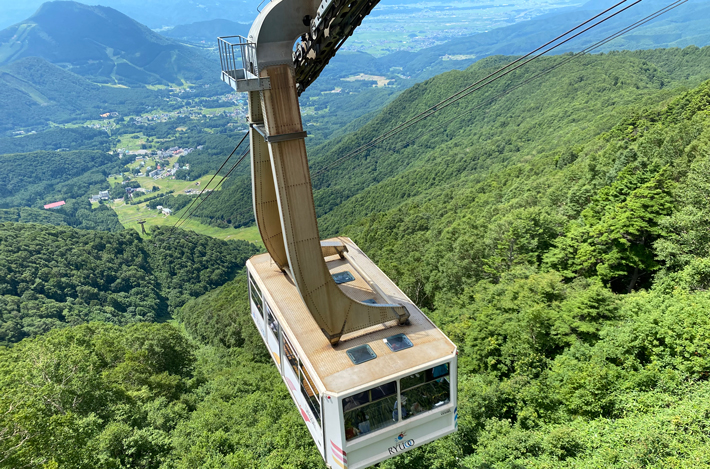
The crown jewel of the resort is undoubtedly the SORA terrace café, situated at a breathtaking altitude of 1,770 meters (5,807 feet). Accessible via one of the world’s longest ropeways, the terrace provides a front-row seat to the dramatic "sea of clouds." Unlike coastal destinations where weather can be unpredictable, the topography of the Kitashiga Highlands creates a unique microclimate.
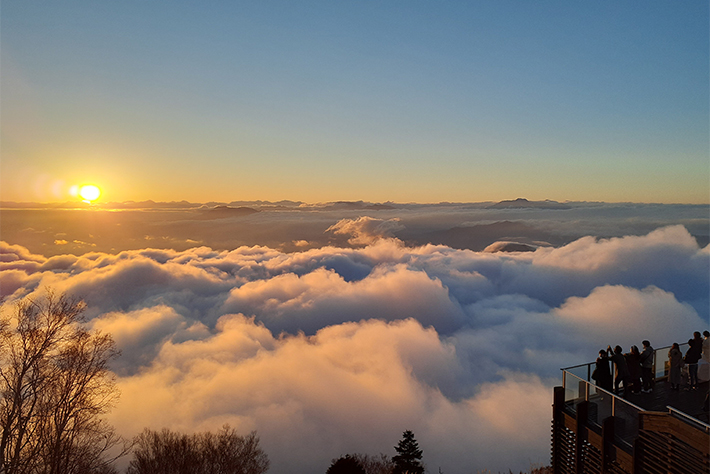
According to resort data from 2022, the sea of clouds appeared with a frequency of 65.9%. Interestingly, meteorologists and staff at the resort have noted that these phenomena occur more reliably in the evenings than in the early mornings, defying traditional expectations. The café itself serves as a culinary destination, offering locally sourced ingredients and whimsical, cloud-inspired sweets that have become staples of the visitor experience.
Glamping Under the Milky Way
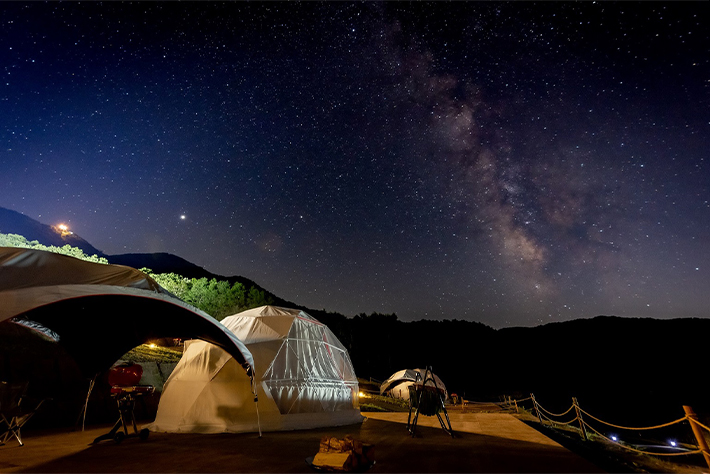
Beyond the café, Ryuoo has capitalized on the growing glamping trend. At the foot of the mountain, visitors can stay in luxury tents that bridge the gap between rugged camping and hotel-grade comfort. Because of the high altitude and minimal light pollution, the area offers a pristine view of the night sky, making it a premier spot for stargazing. For many urban dwellers, the ability to transition from a sunset view at the summit to a canopy of stars by night represents the ultimate rejuvenating experience.

Hakuba Happo-One: A Fusion of Alpine Trekking and Beach Vibes
Hakuba, long regarded as a mecca for winter sports, has successfully rebranded itself as a summer sanctuary. The village offers a distinct duality: the rugged, high-altitude trekking experience and the luxurious, modern relaxation of the HAKUBA MOUNTAIN BEACH concept.
Trekking the Happo-One Ridge
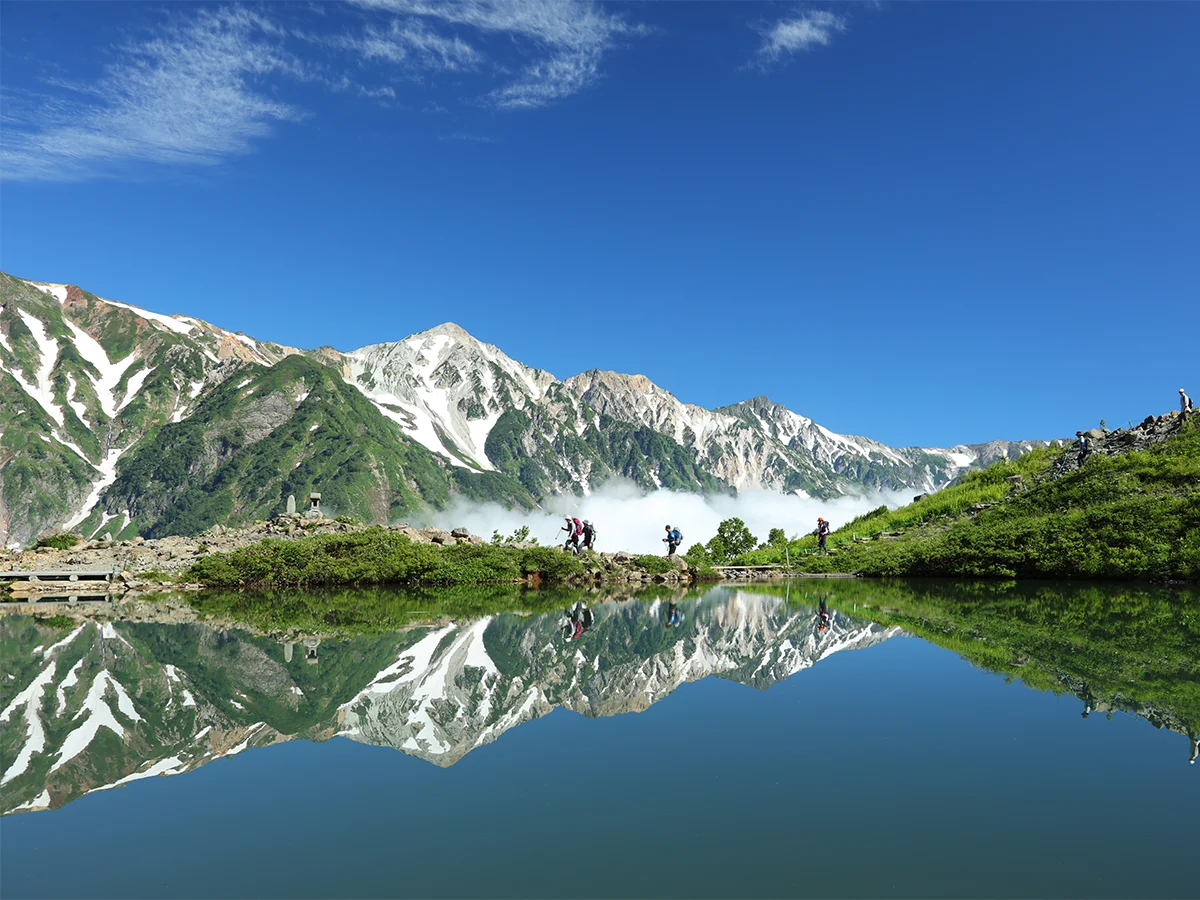
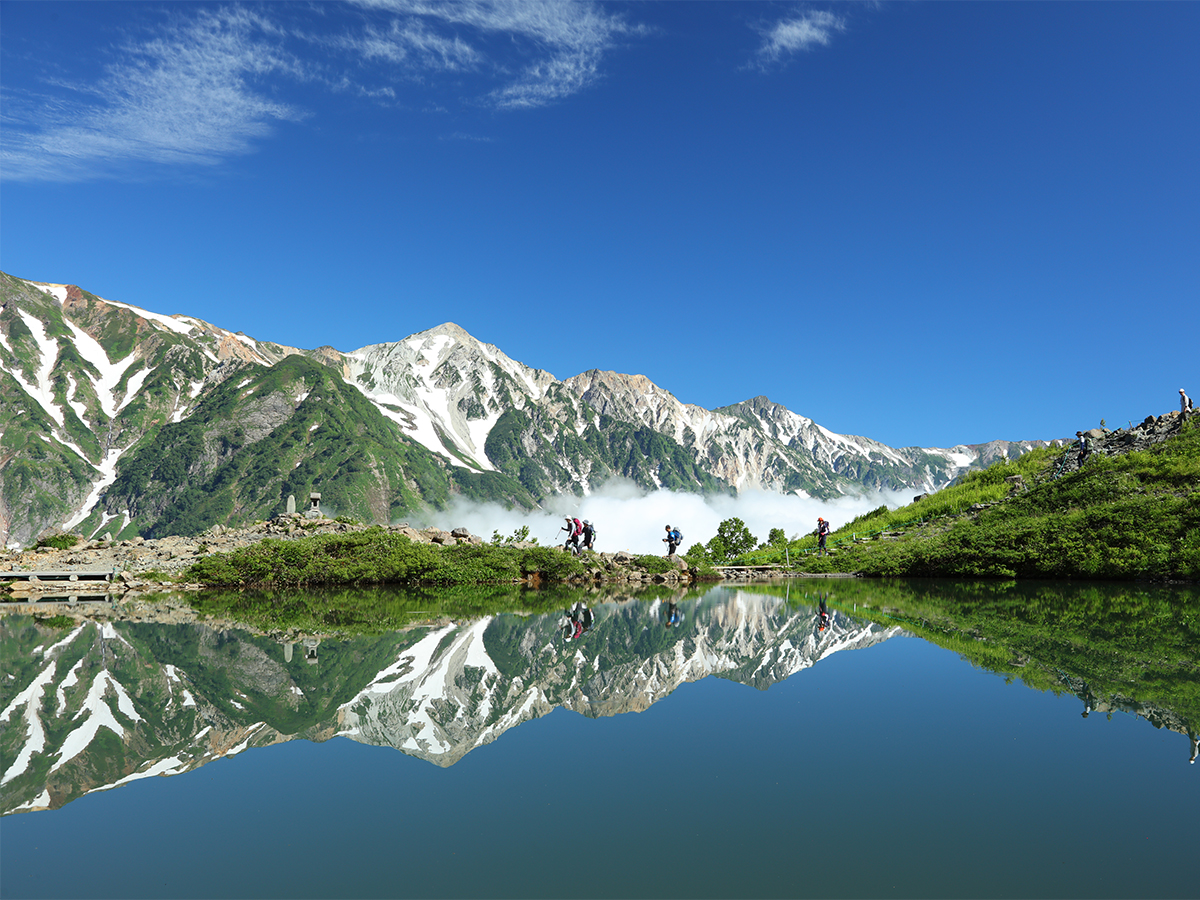
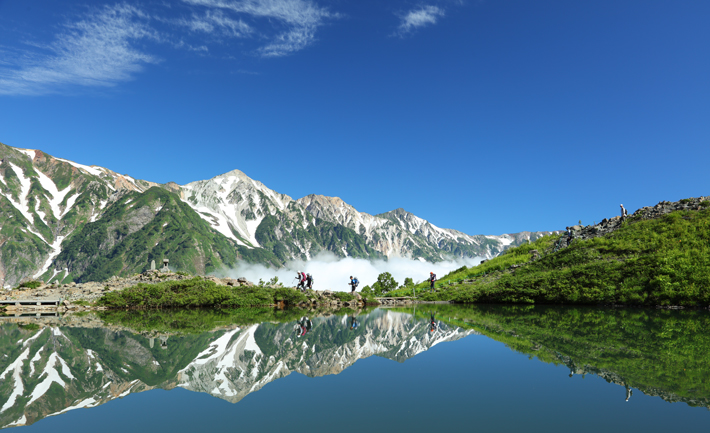
For outdoor enthusiasts, the Happo-One resort provides access to the iconic Happo Pond. By utilizing the resort’s gondola and lift system, hikers can bypass the most grueling portions of the ascent, reaching 1,800 meters with relative ease. The trail is meticulously maintained and beginner-friendly, winding through alpine meadows rich with native flora.
On clear days, the pond acts as a perfect mirror, capturing the jagged, snow-dusted peaks of the Hakuba mountain range. This intersection of accessibility and raw, alpine beauty makes it a mandatory stop for nature photographers and casual hikers alike.
HAKUBA MOUNTAIN BEACH: The Modern Resort Experience
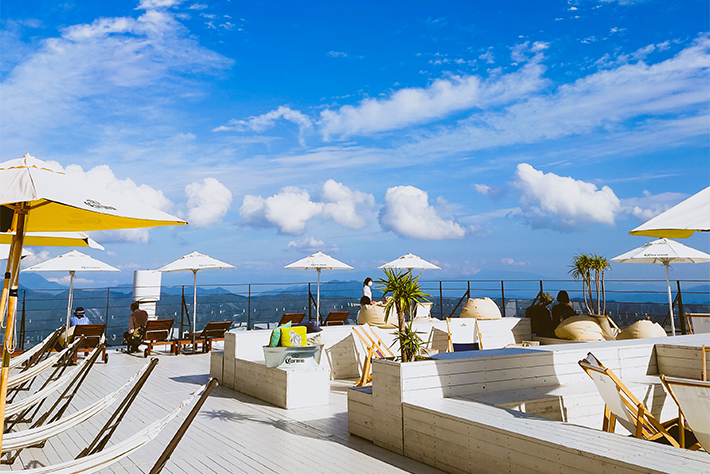
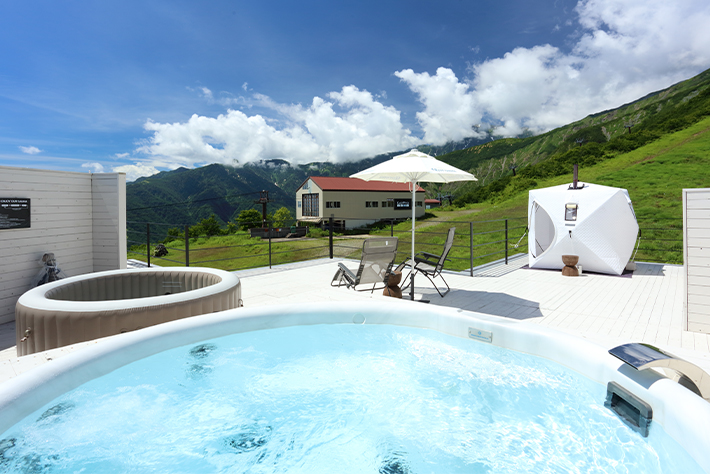
Perhaps the most innovative aspect of the Hakuba summer experience is the juxtaposition of a mountain setting with a beach club atmosphere. At 1,400 meters above sea level, HAKUBA MOUNTAIN BEACH offers a "resort-in-the-clouds" feel. Featuring sun loungers, beach-inspired refreshments, and—most notably—an outdoor sauna and jacuzzi facility, the resort taps into the current Japanese wellness obsession with sauna-shokun (sauna culture). The physiological benefit of alternating between a high-altitude sauna and the cool, fresh mountain air provides a unique sensory experience that is entirely distinct from the winter ski season.
Tsugaike Mountain Resort: The Ultimate Adventure Playground
For families and groups seeking high-octane activities, Tsugaike Mountain Resort has transformed into the largest outdoor park in the Hakuba region. The resort has pivoted away from passive nature viewing toward active, experiential tourism.
The "WOW!" Adventure Facility
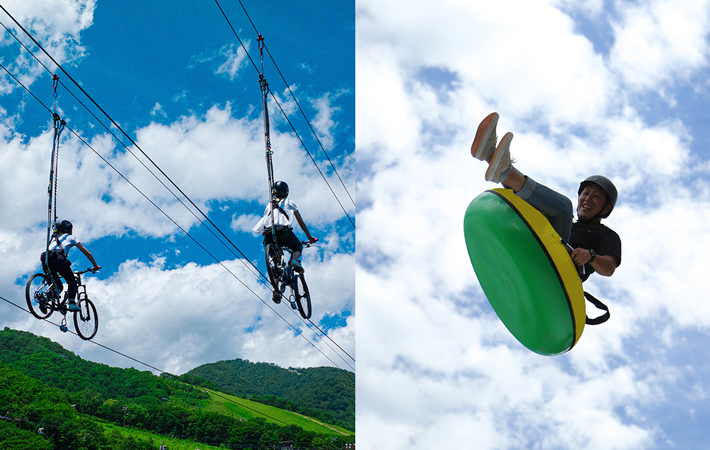
The "WOW!" facility is the centerpiece of Tsugaike’s summer offerings. It is a collection of high-adrenaline, innovative attractions designed to challenge visitors of all ages.
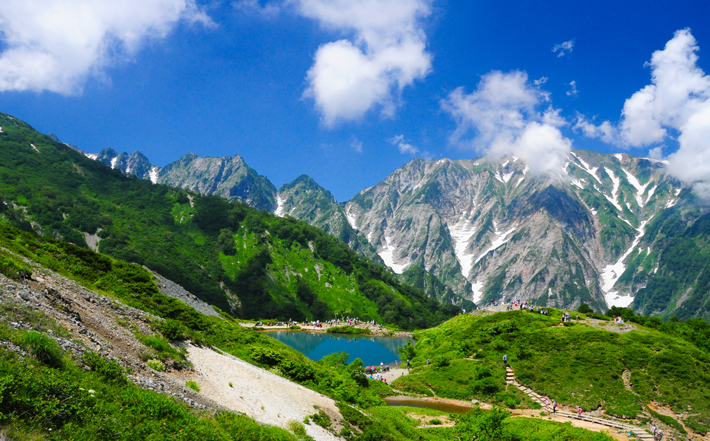
- Cogidas: A high-altitude cycling experience where visitors can pedal along a track suspended in the air.
- Tobidas: A daring slide that launches participants from a 12-meter platform into the air, landing on a specialized bag.
Beyond these highlights, the resort offers zip-lining, bouldering, and mountain biking trails that utilize the natural slope of the mountain. By creating a diverse "menu" of activities, Tsugaike ensures that groups with varying interests—from children to grandparents—can find something engaging to do, effectively neutralizing the "boredom factor" that often plagues family vacations.
Biodiversity at 1,900 Meters
For those who prefer a slower pace, the upper reaches of the Tsugaike resort contain one of Japan’s most significant high-altitude wetlands. Accessible via a gondola and ropeway, this protected area serves as an outdoor classroom for biodiversity. Visitors can observe a wide array of alpine flora and fauna that are rarely seen at lower elevations. It serves as a reminder that even in the midst of high-energy adventure, these resorts remain stewards of Japan’s delicate mountain ecosystems.
Implications for the Future of Japanese Tourism
The shift toward summer mountain tourism has significant implications for Japan’s economy and sustainability efforts.
Infrastructure and Accessibility
One of the primary barriers to mountain tourism is typically the difficulty of access. However, the Japanese transit system—specifically the Shinkansen (bullet train) network and the robust highway bus system—has made these resorts accessible even to those without personal vehicles. The reliance on existing ski lift infrastructure minimizes the need for further land development, making this a relatively environmentally conscious expansion of the tourism sector.
Economic Sustainability
By operating year-round, resorts are better able to retain local talent and maintain permanent staff, rather than relying solely on seasonal labor. This stabilizes the local economy in regions that were previously "ghost towns" during the warmer months.
Official Perspectives
Local tourism boards in Nagano have noted that the diversification of these resorts has allowed for a more consistent distribution of tourists throughout the year. By reducing the reliance on the short, intense winter window, these businesses are better insulated against the volatility of climate change and fluctuating snowfall levels.
Conclusion: A New Way to Experience Japan
Japan’s ski resorts are no longer just winter destinations; they are evolving into year-round playgrounds that celebrate the diversity of the Japanese landscape. Whether you are looking for the meditative silence of a sea of clouds, the physical challenge of an alpine trek, or the high-speed thrills of a mountain adventure park, these destinations offer a sophisticated, accessible, and cool escape from the summer heat.
As these resorts continue to innovate, the "green season" in Japan’s mountains is quickly becoming just as essential to the travel itinerary as the winter powder itself. If you are planning a trip to Japan, the mountains are calling—and this time, you don’t need your skis to answer.











