

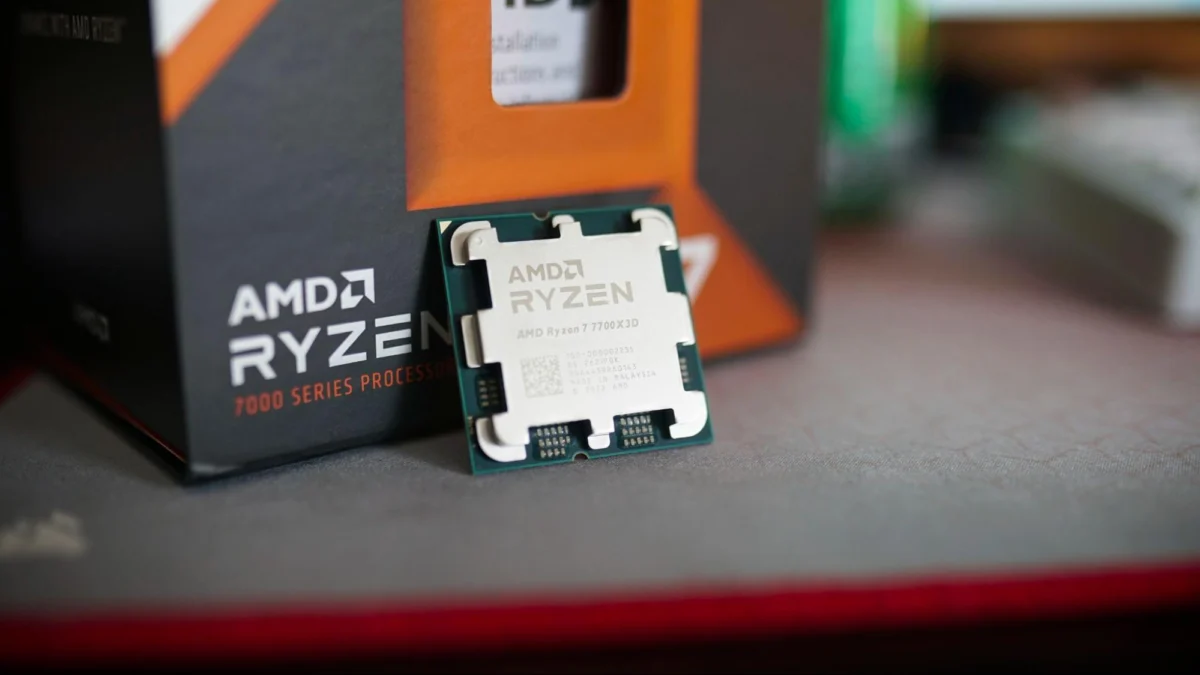
In the rapidly evolving landscape of desktop processors, AMD has carved out a dominant niche with its "X3D" series. By integrating 3D V-Cache technology, these chips have become the gold standard for gaming performance. At Computex 2026, AMD sought to refine this lineup further with the introduction of the Ryzen 7 7700X3D. Positioned as a bridge between the entry-level 7600X3D and the high-performance 7800X3D, the new processor promises efficiency and high-end gaming chops. However, as the dust settles, the industry is left debating whether this new addition is a necessary evolution or an awkward compromise in an already crowded market.
Main Facts: The Anatomy of the 7700X3D
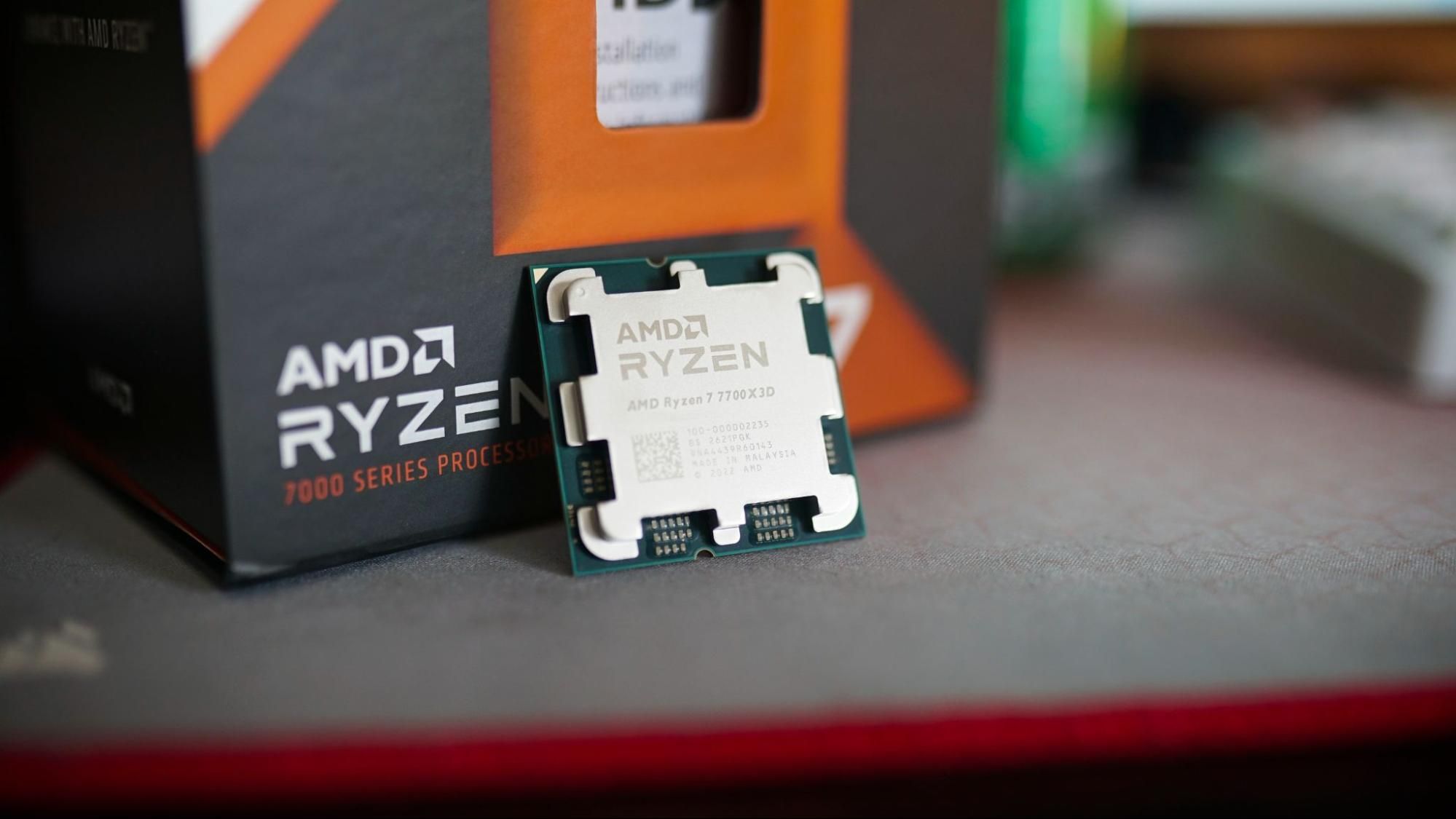
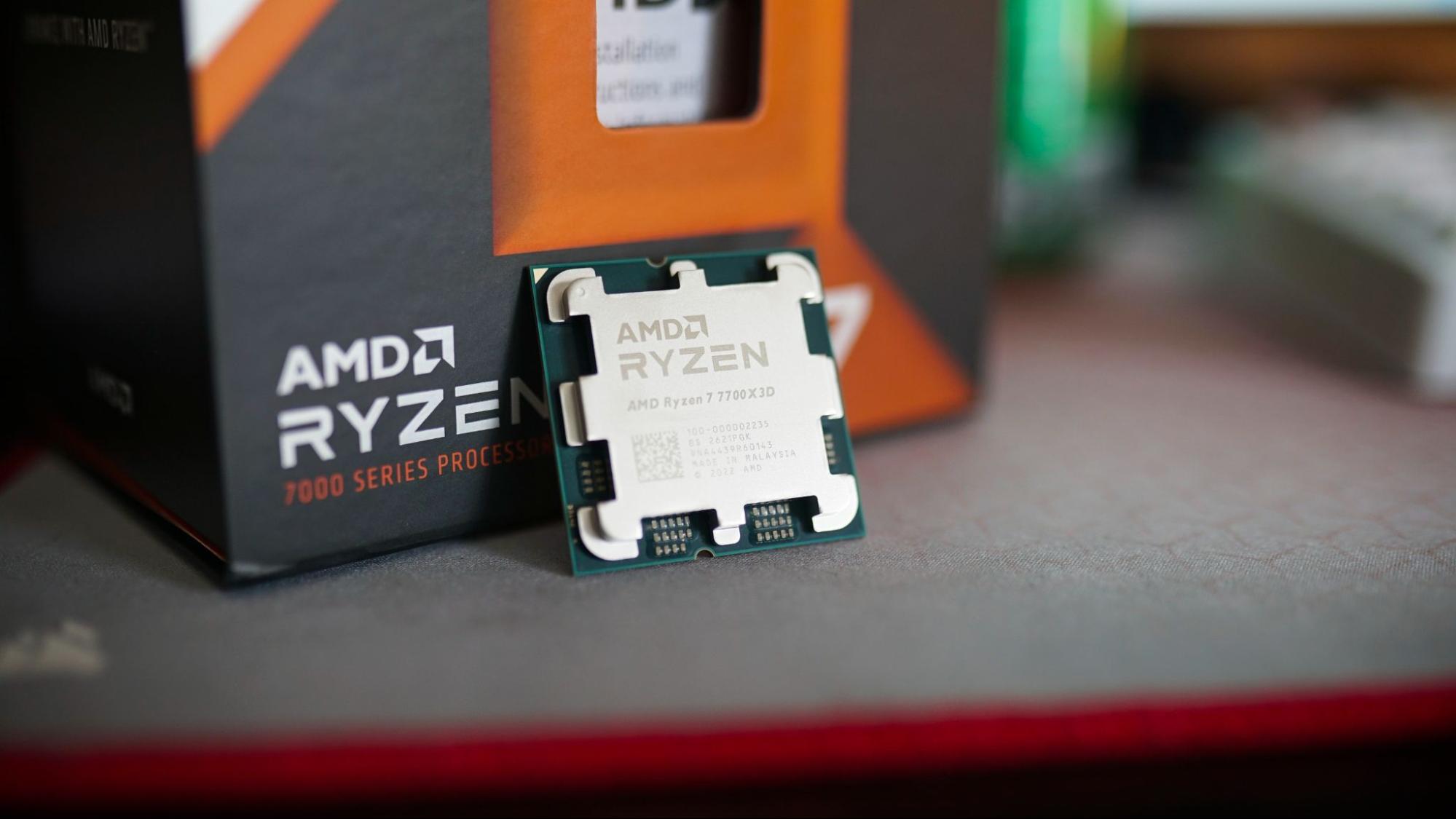
The Ryzen 7 7700X3D arrives with a suggested retail price of $329, placing it firmly in the mid-to-high-tier segment. On paper, it is remarkably similar to its more famous sibling, the 7800X3D. Both utilize the Zen 4 architecture, featuring 8 cores and 16 threads, and share a massive 104MB cache pool that gives the X3D series its characteristic gaming advantage.
The thermal and power profiles also mirror the 7800X3D, with a 120W TDP and a maximum power limit of 162W. The primary differentiator is the clock speed; while the 7800X3D can reach boost frequencies of up to 5.0 GHz, the 7700X3D is capped at 4.5 GHz. This minor reduction in clock frequency is intended to differentiate the product tiers, but it raises questions about the performance ceiling for users who demand top-tier frame rates.
Perhaps the most significant aspect of the launch is its distribution strategy. AMD has opted for a period of exclusivity, making the 7700X3D available solely through Newegg for North American consumers. This arrangement, which is slated to continue through Q3 2026, limits consumer choice and complicates the competitive landscape compared to its counterparts, which are more widely distributed or tied to specific retail partners like Micro Center.
A Chronology of the X3D Expansion
The journey to the 7700X3D began with the massive success of the Ryzen 7 5800X3D, which proved that gaming performance was as much about cache latency as it was about raw clock speed. Following the Zen 4 rollout, AMD launched the 7800X3D, which quickly became the de facto choice for high-end gaming builds.
- Pre-2026: AMD solidified its market position with the Ryzen 7 7800X3D, widely regarded as the best gaming CPU on the market.
- Early 2026: The market saw the emergence of lower-tier, retailer-exclusive options like the Ryzen 5 7600X3D and 7500X3D, which offered "X3D" performance to budget-conscious gamers.
- Computex 2026: AMD officially unveiled the 7700X3D, signaling a desire to fill the price gap between the mid-range 6-core variants and the flagship 8-core 7800X3D.
- Post-Launch (Present): With the chip now in the hands of reviewers and early adopters, the consensus is that the product fills a niche that arguably didn’t require filling, given the aggressive pricing of the 7600X3D.
Supporting Data: Performance vs. Price
The central tension of the 7700X3D lies in its value proposition. Independent testing at 1080p—the resolution where CPU bottlenecks are most apparent—places the 7700X3D as the third-fastest processor currently tested, sitting just behind the 7800X3D and the 9800X3D.
While that sounds impressive, the numbers reveal a troubling reality for the product’s market viability: the 7700X3D is only approximately 2% faster than the Ryzen 5 7600X3D in gaming scenarios. When one considers that the 7600X3D is priced significantly lower—often by $100 or more—the 7700X3D struggles to justify its $329 MSRP.
Efficiency Benchmarks
Where the 7700X3D does find redemption is in power efficiency. It has posted the highest frames-per-watt results in current testing, narrowly defeating the 7600X3D. For users building small-form-factor (SFF) PCs or those concerned with thermals and power consumption, this efficiency is a legitimate selling point. However, in professional productivity workloads, the chip underperforms. It ranks toward the bottom of modern benchmarks, making it a poor choice for content creators, video editors, or professionals who require multi-threaded power.
For those looking for a general-purpose processor, the market offers more compelling alternatives. Intel’s Core Ultra 250K Plus (approx. $200) and 270K Plus (approx. $300) provide better multi-core performance for professional tasks, confirming that the X3D series remains a specialized tool primarily for the gaming enthusiast.
Official Stance and Market Availability
AMD has kept a relatively quiet profile regarding the specific target audience for the 7700X3D, focusing instead on the continued expansion of the AM5 platform. By segmenting the market with exclusive retailer deals, AMD aims to keep its older Zen 4 inventory moving while simultaneously pushing consumers toward the newer 9000-series architectures.
The Newegg exclusivity in North America is a strategic move to ensure stock allocation and potentially stabilize prices, but it has drawn criticism from the DIY community. With the 7600X3D being a Micro Center exclusive and the 7700X3D locked to Newegg, the fragmentation of the market makes it difficult for a consumer to walk into a general retailer and compare options side-by-side. As of now, Amazon and other major retailers remain devoid of these specific SKU variants, pushing the "exclusivity" narrative to the forefront of the consumer experience.
The Implications: Is the 7700X3D Dead on Arrival?
The launch of the Ryzen 7 7700X3D carries several implications for the future of the AM5 socket and the broader CPU market.
1. Diminishing Returns in Product Segmentation
The most immediate takeaway is that AMD is hitting a wall regarding product segmentation. When a "new" chip offers only a 2% performance gain over a cheaper, lower-tier sibling, it risks alienating enthusiasts who have become accustomed to the clear performance tiers of previous generations. The 7700X3D feels like a "gap-filler" product that exists more for inventory management than for genuine consumer need.
2. The Dominance of the 7600X3D
The existence of the 7600X3D is the 7700X3D’s greatest hurdle. By offering near-identical gaming performance for significantly less money, the 7600X3D has effectively cannibalized the market for the 7700X3D. Unless AMD adjusts the pricing of the 7700X3D to be more competitive, it is likely to remain a niche product for those who specifically need 8 cores for gaming but aren’t quite ready to step up to the 7800X3D.
3. Productivity as a Secondary Concern
The poor performance in professional workloads reinforces the reality that X3D chips are "gaming-only" devices. This has led to a bifurcated market: those who need a workstation CPU will look toward Intel or AMD’s standard non-X3D Ryzen chips, while gamers are increasingly looking for the highest possible value for 1080p and 1440p gaming. The 7700X3D fails to capture either group effectively.
4. The Future of Retail Exclusivity
Finally, the industry is watching how this retail-exclusive model affects brand loyalty. If consumers cannot find the products they want at their preferred retailers, they may be less inclined to stay within the ecosystem. The current arrangement, lasting through Q3 2026, will serve as a long-term case study on whether segmenting chips by retailer is a sustainable strategy for CPU manufacturers.
Conclusion
The AMD Ryzen 7 7700X3D is a highly capable piece of hardware, but it arrives at a time when the market is already saturated with superior value propositions. While its power efficiency is commendable and its gaming performance remains in the top echelon, it fails to distinguish itself from the 7600X3D in any meaningful way that would justify the price hike.
For the average gamer, the path remains clear: if you are on a budget, the 7600X3D offers a near-identical experience for significantly less. If you are an enthusiast who wants the best, the 7800X3D remains the undisputed king. The 7700X3D occupies a lonely middle ground, serving as a reminder that even the most innovative technology can struggle when it is priced without a clear place in the consumer’s heart—and wallet.











