Nana
Nana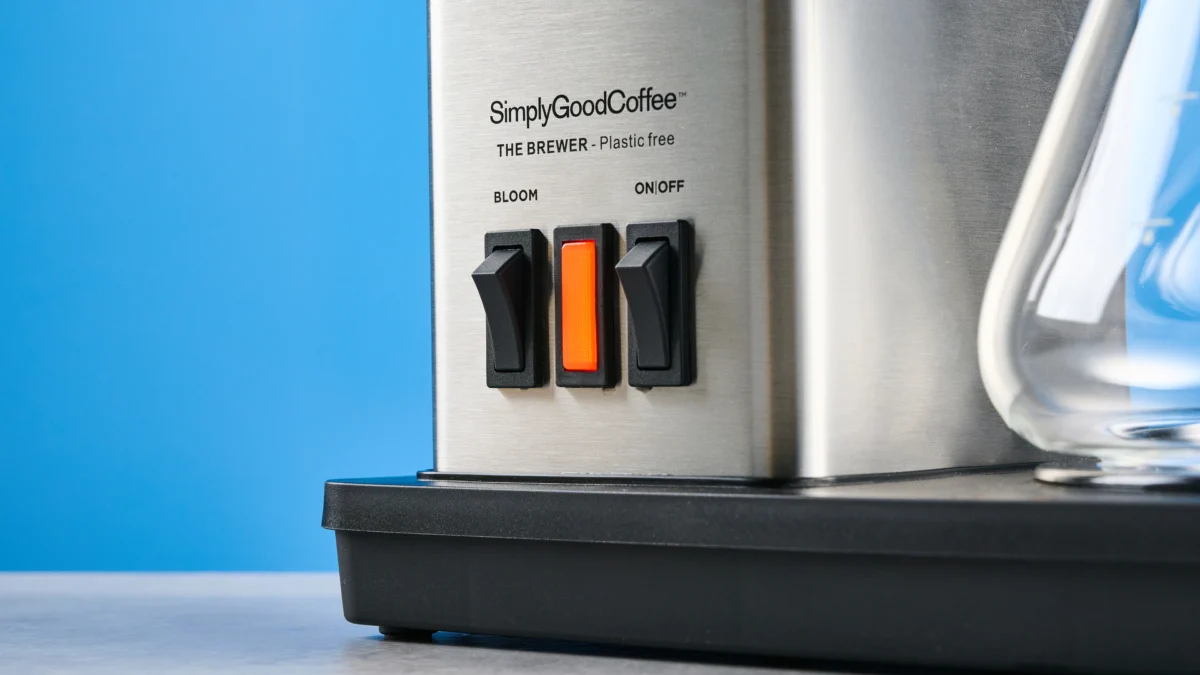
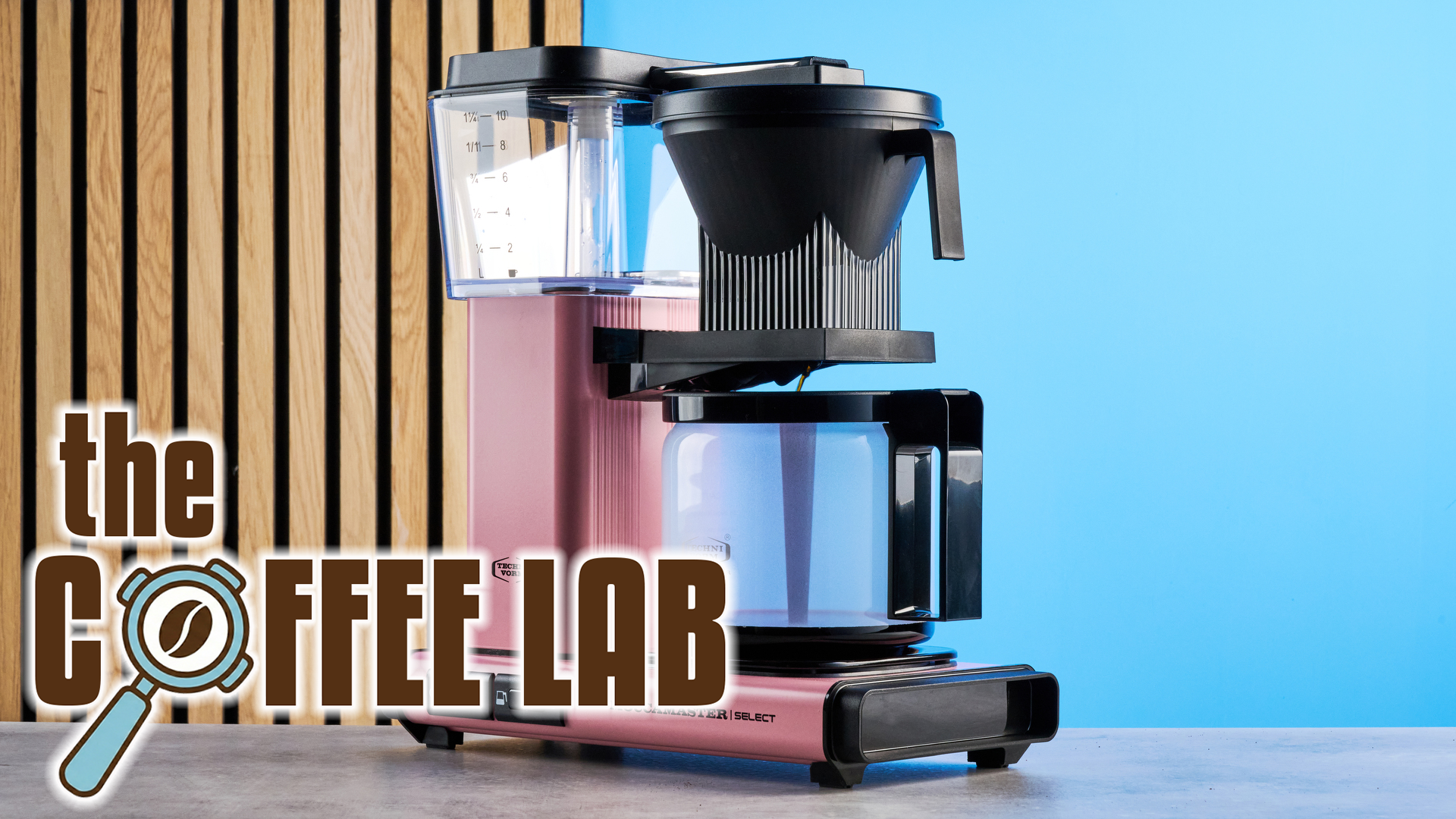
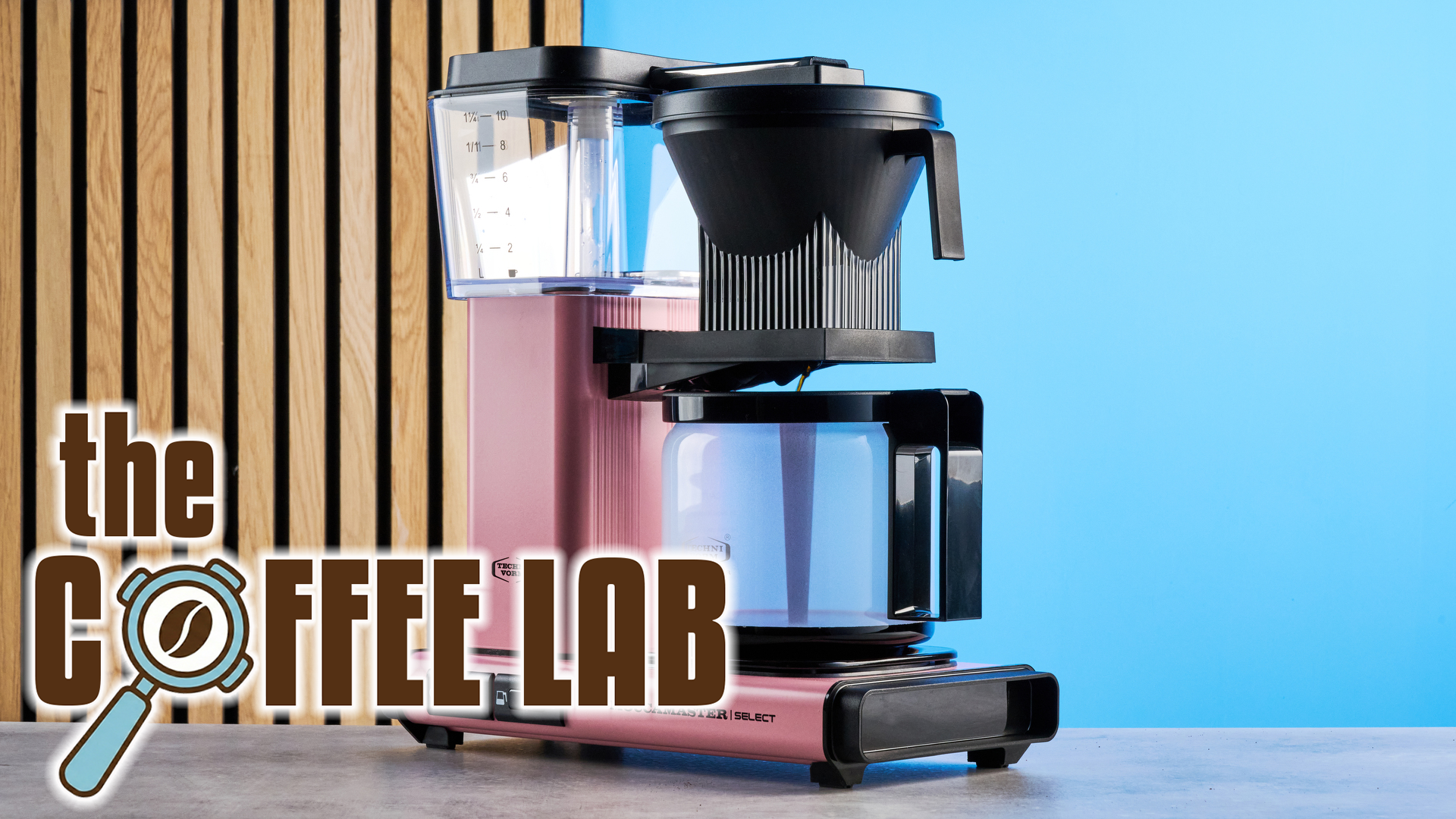
The Technivorm Moccamaster has long occupied a hallowed space in the world of home brewing. Often referred to as the "gold standard" of drip coffee makers, it is a machine that bridges the gap between the convenience of a traditional countertop brewer and the precision typically reserved for manual pour-over enthusiasts. Yet, its iconic status has made it a lightning rod for criticism in the digital age.
In the sixteenth installment of The Coffee Lab, we move past the elitist gatekeeping that often plagues the specialty coffee community. Our goal is simple: to make coffee fun, accessible, and understandable. Recently, our social media channels—specifically TikTok—have been flooded with pointed questions regarding the Moccamaster. Users are challenging the machine’s design choices, its water distribution mechanics, and its thermal management.
To provide clarity, we are breaking down the three most common criticisms leveled against this Dutch-engineered powerhouse, separating engineering reality from common misconceptions.
1. The "Plastic" Paradox: Is Premium Engineering Compromised?
The most frequent criticism directed at the Moccamaster is its reliance on plastic components. For a machine that commands a premium price point, detractors often argue that the aesthetic should lean more heavily into metal and glass.
The Engineering Perspective
It is essential to distinguish between "cheap" plastic and high-grade, food-safe polymers. Technivorm manufactures its machines in the Netherlands under strict European Union regulatory standards. These machines utilize virgin, BPA-free, and phthalate-free plastics. From an engineering standpoint, this material choice is not a cost-cutting measure; it is a calculated decision based on durability, thermal insulation, and the prevention of chemical leaching.
The Supply Chain Reality
Beyond the material science, there is a logistical argument. The Moccamaster is built to be a "buy-it-for-life" product. It features a modular design that allows for individual component repair, supported by a generous five-year warranty. If the entire chassis were constructed from heavy-gauge steel or thick glass, the weight and fragility during international shipping would lead to a massive carbon footprint and increased breakage rates, ultimately driving the retail price even higher than its current premium positioning.
Alternatives for the Plastic-Averse
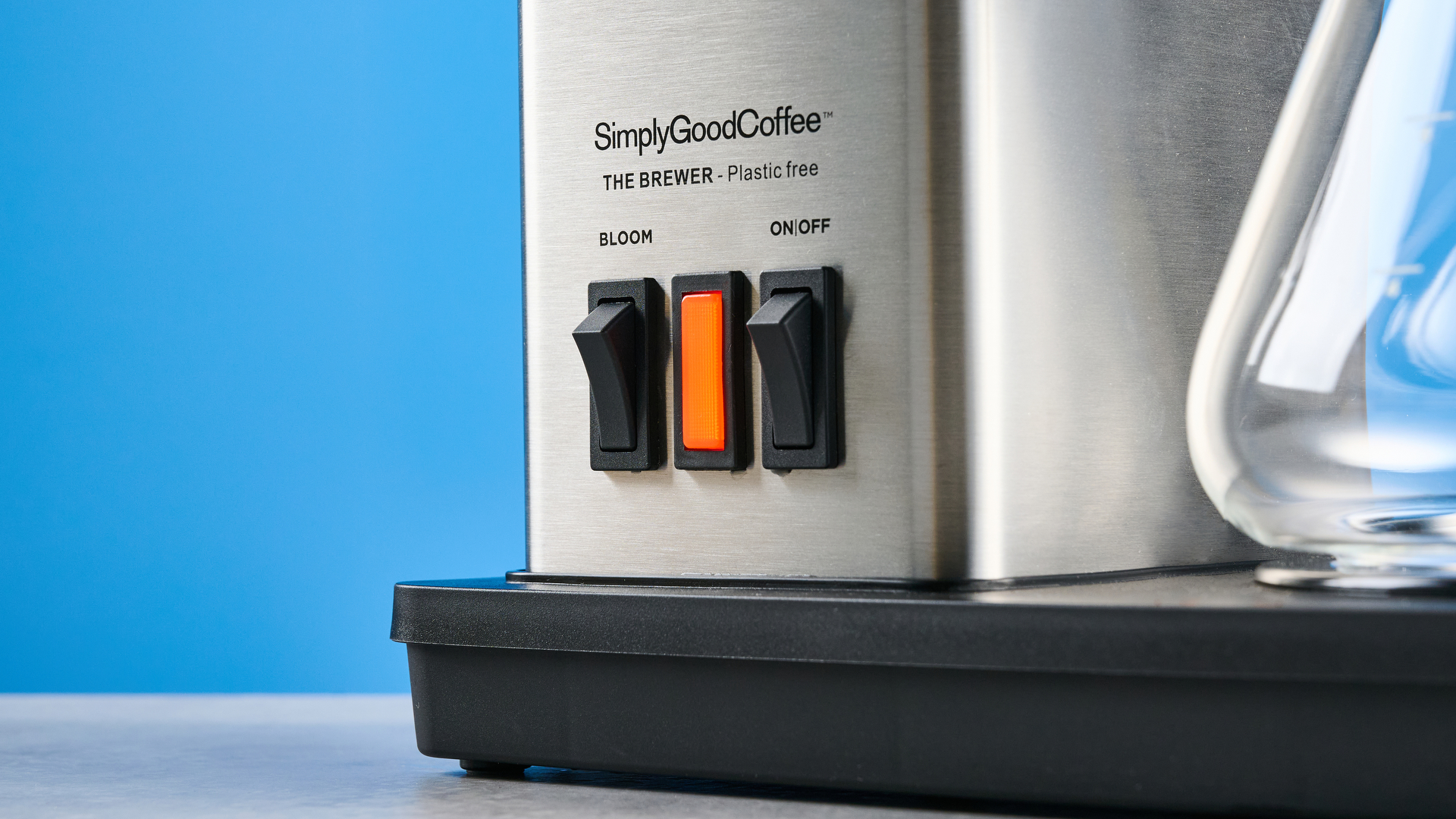
For consumers who are steadfast in their desire to eliminate plastic from their brewing cycle entirely, options do exist. The Simply Good Coffee (SGC) Plastic-Free Brewer has emerged as a compelling alternative. During our recent testing, we found the SGC to be an impressive machine that utilizes a bloom feature to extract brighter, fruitier notes—a profile often favored by "coffee snobs." While the SGC still utilizes external silicone and plastic for heat safety, it represents a significant reduction in total synthetic material compared to the Moccamaster.
2. Navigating the "Horrible Water Distribution" Debate
Perhaps the most technical critique of the Moccamaster is the accusation of "horrible water distribution." Critics claim that the machine suffers from "funneling," where water channels through the center of the coffee bed, leaving the grounds on the periphery under-extracted.
Is It a Machine Failure or a Brewing Standard?
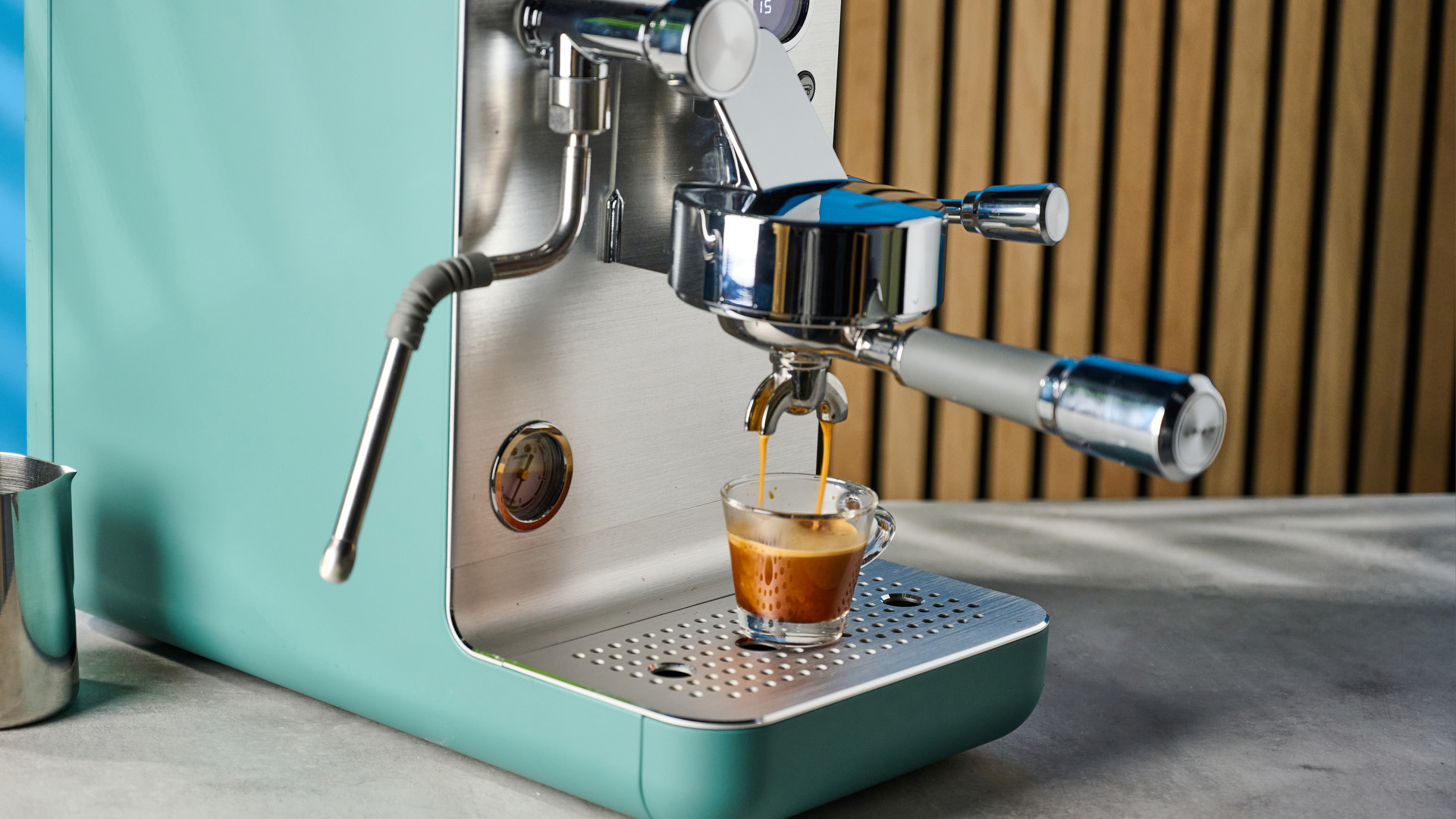
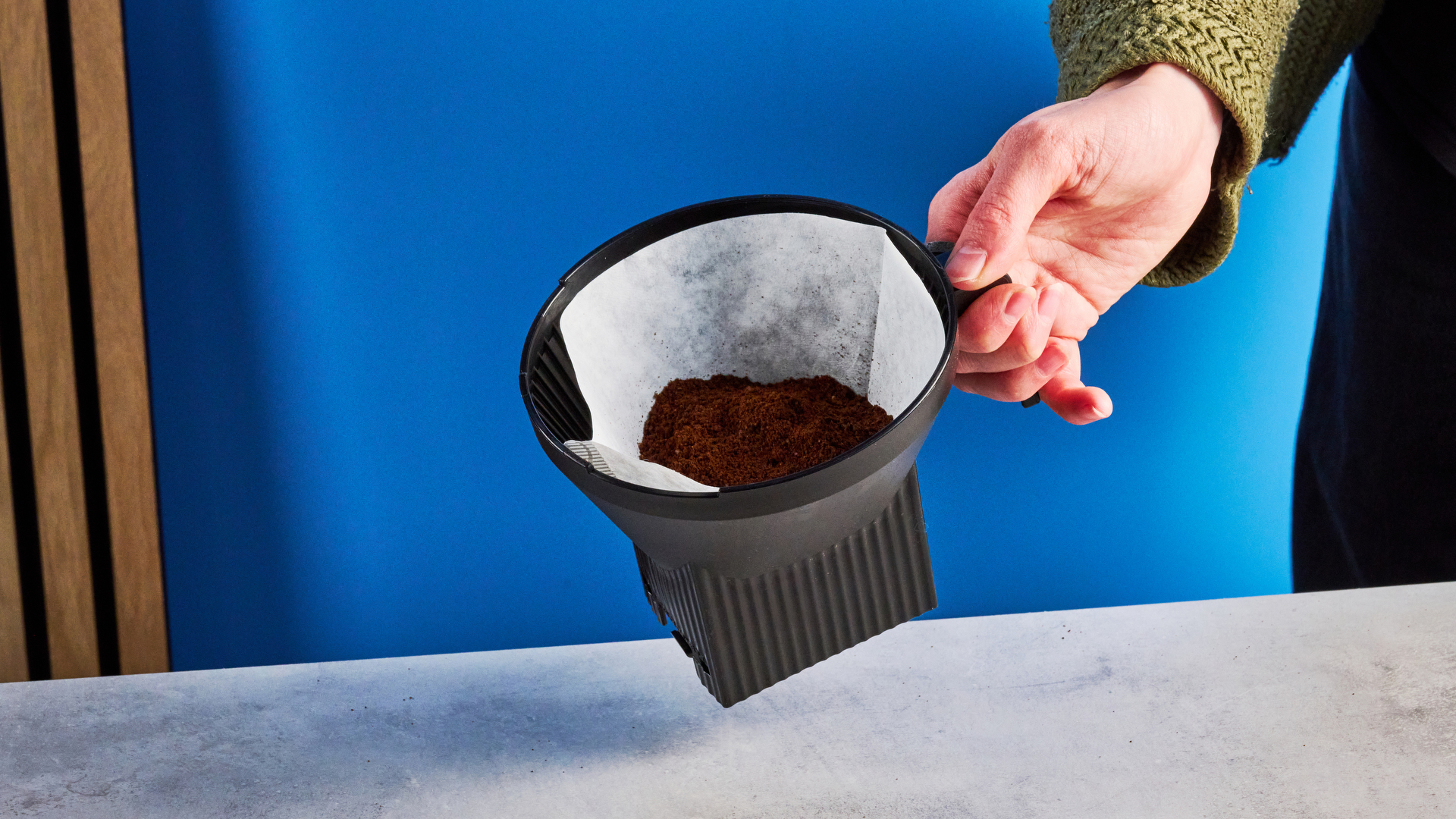
It is critical to note that funneling is not a failure exclusive to Technivorm; it is an inherent challenge in almost all drip-style automatic coffee makers. Even in high-end specialty machines, achieving the uniform saturation of a hand-poured gooseneck kettle is exceptionally difficult. When compared to the industry average for drip brewers, the Moccamaster’s spray-head actually performs above expectations.
Mitigation Strategies for the Home Brewer
If you are experiencing inconsistent extraction with your Moccamaster, the issue likely stems from the grind size rather than the machine’s mechanics:
- Grind Consistency: Invest in a high-quality burr grinder. The Baratza Encore ESP ($199) offers exceptional uniformity, which is the primary defense against channeling. For those on a stricter budget, the Timemore Chestnut C2s ($60) provides a manual grinding experience that ensures particles are sized correctly for drip extraction.
- Grind Size Calibration: If your grounds are too coarse, water will find the path of least resistance (funneling). If they are too fine, the filter basket will clog, leading to bitterness. Finding the "sweet spot" is an iterative process.
- The Manual Bloom Hack: For those seeking perfection, forgo the automatic lid. By manually adding a small amount of water to the grounds and stirring—a process known as the "bloom"—you ensure total saturation before the machine takes over. This simple step effectively neutralizes the distribution limitations of any automatic brewer.
3. Thermal Management: The "Burnt Coffee" Narrative
The third major point of contention is the Moccamaster’s hot plate. Users frequently report that the coffee tastes "burnt" or bitter after sitting on the warmer for an extended period.
The Science of Thermal Degradation
Here, the critics are correct. No matter how sophisticated a hot plate is, applying direct heat to a carafe of brewed coffee will inevitably alter its chemical composition. Over time, volatile aromatic compounds evaporate, and the chemical structure of the coffee acids shifts, leading to the "burnt" taste that many consumers associate with diner coffee.
The Solution: Thermal Carafes
The solution is not to blame the machine, but to change how the coffee is stored. If you are a slow drinker, the glass carafe and hot plate configuration is likely not for you. Technivorm produces a stainless steel thermal carafe version of the machine, which uses a vacuum-insulated vessel to maintain temperature without an external heat source. Investing in this model—or purchasing the thermal carafe separately ($84)—is the most effective way to preserve the flavor profile of your beans for hours.
Implications for the Future of Home Brewing
The discourse surrounding the Moccamaster highlights a broader trend in the home coffee industry: the collision of convenience and craft. As consumers become more educated about extraction, grind quality, and water chemistry, their expectations for "standard" appliances have shifted.
The debate proves that there is no "perfect" machine, only one that aligns with the user’s workflow and priorities. The Moccamaster remains a favorite among professionals and enthusiasts alike because it provides a reliable, repairable platform that can be "hacked" to produce café-quality results.
Key Takeaways for Your Coffee Journey:
- Sustainability: The ability to repair a machine is inherently more sustainable than a "throwaway" appliance, even if that machine contains high-quality BPA-free plastic.
- Precision: An automatic brewer is a tool, not a miracle worker. Pairing a quality machine with a quality grinder remains the most important investment you can make.
- Freshness: Heat management is the final frontier. If you are not drinking your coffee immediately, ditch the hot plate for a thermal vessel.
As we continue our exploration at The Coffee Lab, we encourage you to stay curious. The journey toward the perfect cup is rarely about buying the most expensive gear; it is about understanding how to use the equipment you have to get the best out of your beans.
Join us next Friday as we continue to answer your most pressing questions. Whether you are a casual drinker or a self-proclaimed coffee snob, there is always more to learn—and more to enjoy.
Erin Bashford is a senior writer at Tom’s Guide. With a background as a professional barista and a Master’s degree in Digital Journalism, she is dedicated to demystifying the world of home appliances. Follow her journey through the world of coffee on TikTok, YouTube, and the Tom’s Guide Savings Squad.


 Reynand Wu
 Neng Nana