

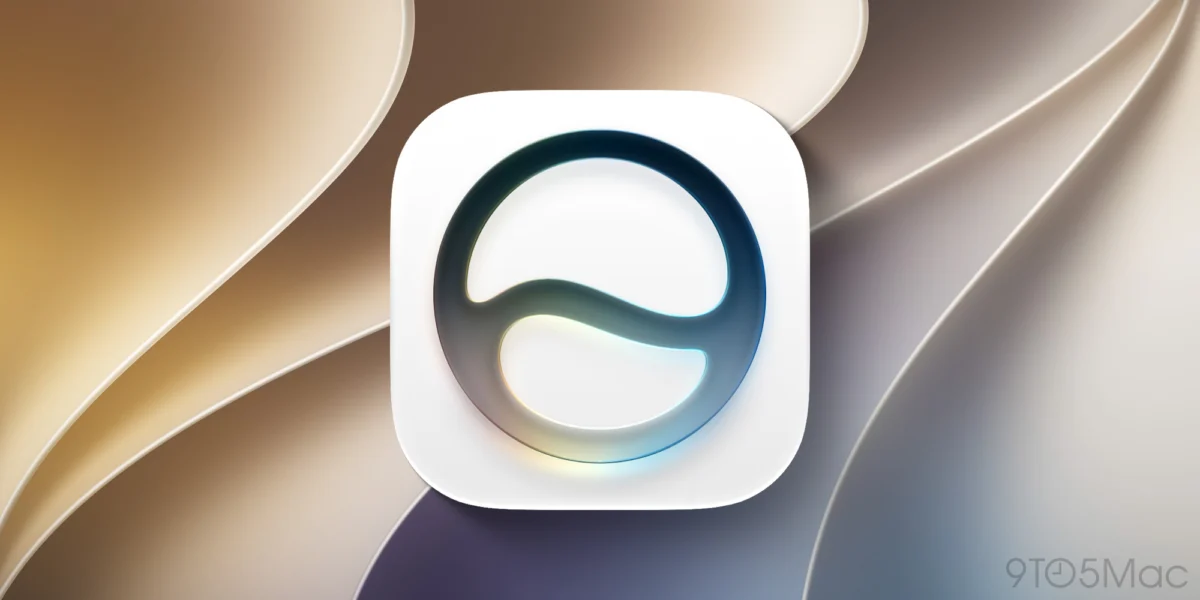
Apple has officially opened the doors to its most ambitious software update yet. With the release of the iOS 27 public beta this week, the tech giant has finally moved its flagship digital assistant out of the shadows of the operating system’s background and into the spotlight. For the first time in its 15-year history, Siri is arriving as a standalone, dedicated application, fundamentally changing how users interact with their devices and the vast expanse of Apple Intelligence.
This shift is not merely cosmetic. It represents a pivot toward a chat-centric paradigm, aligning Apple’s ecosystem with the modern expectations of generative AI. By transitioning from a reactive, voice-only command interface to a persistent, visual, and context-aware workspace, Apple is positioning Siri to be the central hub of the modern digital life.
Main Facts: A New Home for Intelligence
The centerpiece of the iOS 27 update is the dedicated Siri app, which will appear on the Home Screens of millions of devices later this year. This is not an isolated experiment; the Siri app is part of a cross-platform rollout that extends to macOS 27, iPadOS 27, watchOS 27, and even the spatial computing environment of visionOS 27.
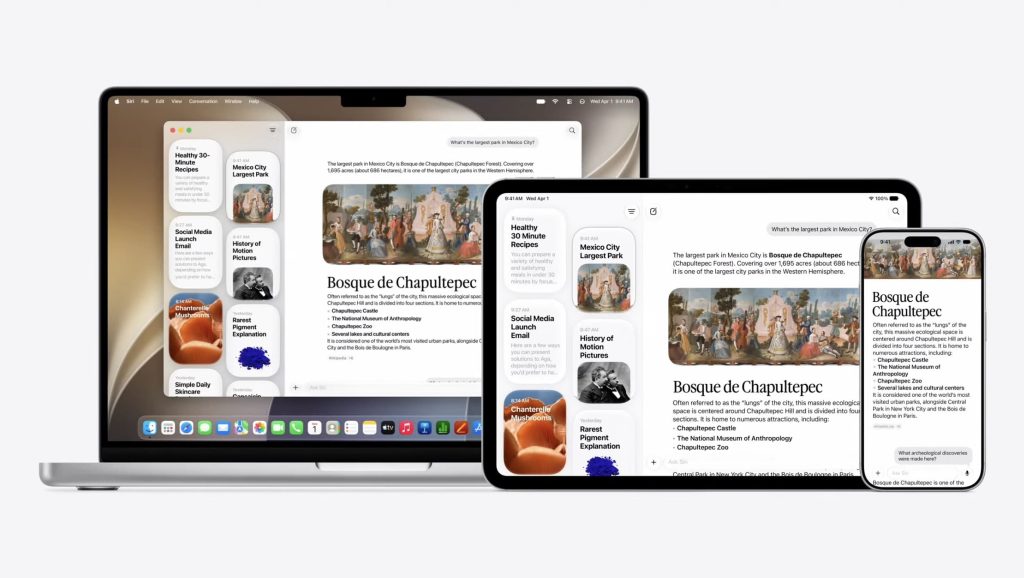
The application serves as a persistent repository for user interaction. Unlike previous iterations of Siri—which functioned as fleeting, ephemeral overlays—the new app features a robust, chat-style interface. This design choice allows users to scroll through their history, reference past queries, and maintain long-term context that was previously lost the moment a session ended.
Crucially, the app acts as a gateway to the broader Apple Intelligence suite. It supports multimodal inputs, meaning users can now upload photos, documents, and various file types directly into the chat stream for analysis. Whether you are asking Siri to summarize a PDF, extract text from an image, or troubleshoot a screenshot of a technical error, the new interface is built to handle the heavy lifting of generative AI.

Chronology: From Voice Command to Cognitive Assistant
To understand the magnitude of this update, one must look at the trajectory of Apple’s AI efforts over the last several years.
- 2011: Siri is introduced with the iPhone 4S as a groundbreaking, though limited, voice assistant.
- 2024: Following the release of iOS 18.2 in December, Apple begins integrating more generative AI tools, such as Image Playground, signaling a shift toward more creative, on-device AI capabilities.
- 2025: iOS 26 introduces the "Preview" and "Games" apps, laying the groundwork for a more app-centric approach to iOS navigation and utility.
- 2026 (June): Apple announces the total overhaul of Siri at WWDC, framing it as the brain of "Apple Intelligence."
- 2026 (July): The public beta of iOS 27 is released, marking the official debut of the standalone Siri application to the public.
This chronology illustrates a clear, deliberate path. Apple spent over a decade perfecting voice recognition and privacy-first data processing. Now, with the hardware capabilities of the iPhone 15 Pro and newer models, the company has the necessary "on-device" silicon power to handle complex reasoning tasks without relying solely on cloud-based processing.
Supporting Data: The Power of Contextual Awareness
The effectiveness of the new Siri app lies in its ability to synthesize "personal context." By leveraging Apple Intelligence, the app can securely access information across your entire digital life—messages, emails, calendar events, and even the visual content currently displayed on your screen.
On-Screen Awareness
One of the most significant upgrades is Siri’s ability to "see" what is on the screen. Previously, if a user wanted to ask a question about an image or a block of text, they would have to copy, paste, or describe it. Now, with "On-Screen Awareness," the user can invoke the Siri app and simply ask, "What is this?" or "Can you explain this chart?" The AI analyzes the pixels in real-time, providing an immediate, contextually relevant answer.
iCloud Synchronization
The app’s integration with iCloud is another massive leap forward. Because the interface is now persistent, conversations sync across devices. If you start a complex research query on your Mac while working at your desk, you can pick up that same thread on your iPhone while commuting or on your Vision Pro while relaxing at home. This creates a "continuous intelligence" loop that bridges the gap between different Apple hardware ecosystems.
Official Responses and Strategic Positioning
Apple has been characteristically measured in its public statements regarding the update, focusing heavily on privacy and integration. During the initial reveal at WWDC, Apple executives emphasized that the Siri app is designed to function as an "extension of the user’s intent."
The decision to limit the app to the iPhone 15 Pro and newer models—and, by extension, devices equipped with the A17 Pro chip or later—is a strategic move. Apple is signaling that their vision of "true" AI requires specific neural engine performance. While some critics argue this creates a form of "planned obsolescence," Apple maintains that the privacy-centric, on-device processing required for this level of intelligence cannot be achieved on older hardware without sacrificing speed or data security.
By bundling the app into the default installation of iOS 27, Apple is effectively forcing a change in user behavior. Just as the Files or Notes apps became staples of the mobile experience, Apple intends for the Siri app to become the primary interface through which users interact with their data.
Implications: The Future of Personal Computing
The release of the standalone Siri app carries profound implications for the tech industry and for the average user.
1. The Death of the "Command" Paradigm
For years, digital assistants were defined by command-and-response. "Set a timer," "Play music," or "What’s the weather?" were the limits of interaction. With the new Siri app, we are entering the era of the "conversational interface." The user no longer needs to remember specific syntax; they can speak or type in natural language, and the AI will infer intent based on previous messages and current screen context.
2. Privacy as a Competitive Advantage
In an era where competitors like Google and OpenAI are increasingly reliant on cloud-based LLMs (Large Language Models), Apple is betting that consumers will prefer an assistant that keeps as much data as possible on-device. The Siri app’s ability to reference local photos and emails without sending that data to a server remains Apple’s primary differentiator in the crowded AI marketplace.
3. The Centralization of the OS
By turning Siri into a full-fledged app, Apple is essentially turning the assistant into an operating system within an operating system. This could eventually lead to a future where users interact less with individual apps (like a dedicated email client or a calculator) and more with the Siri app, which then performs the necessary tasks behind the scenes. This "agentic" future, where AI performs actions on behalf of the user, is the logical endpoint of the path Apple has started today.
4. Accessibility and Inclusion
For users with visual or motor impairments, the transition to a visual, conversational, and persistent Siri app is a major win. The ability to "talk" to the interface to manipulate files or summarize long documents will likely make Apple’s suite of devices more accessible than ever before.
Conclusion: A New Era
As the iOS 27 public beta continues to reach more users, the true test of the Siri app will be its reliability in daily, high-stakes tasks. Can it truly handle the complexity of a busy professional’s email thread? Will it become a trusted partner in creative brainstorming?
The transition to a standalone app is the first step in a much larger evolution. We are witnessing the shift from the smartphone as a "tool" to the smartphone as a "partner." If Apple’s execution matches its ambition, the new Siri app will not just be a new icon on your Home Screen—it will be the most significant upgrade to the iPhone experience in over a decade.

For those currently running the public beta, the invitation is clear: start a conversation, test the limits of the new AI integration, and see if the future of computing is truly as intuitive as Apple claims. As we head toward the final release later this year, all eyes will be on whether this "intelligence" can scale to meet the high expectations of a global user base.
Disclaimer: This article contains affiliate links that support the continued operation of our coverage.











