

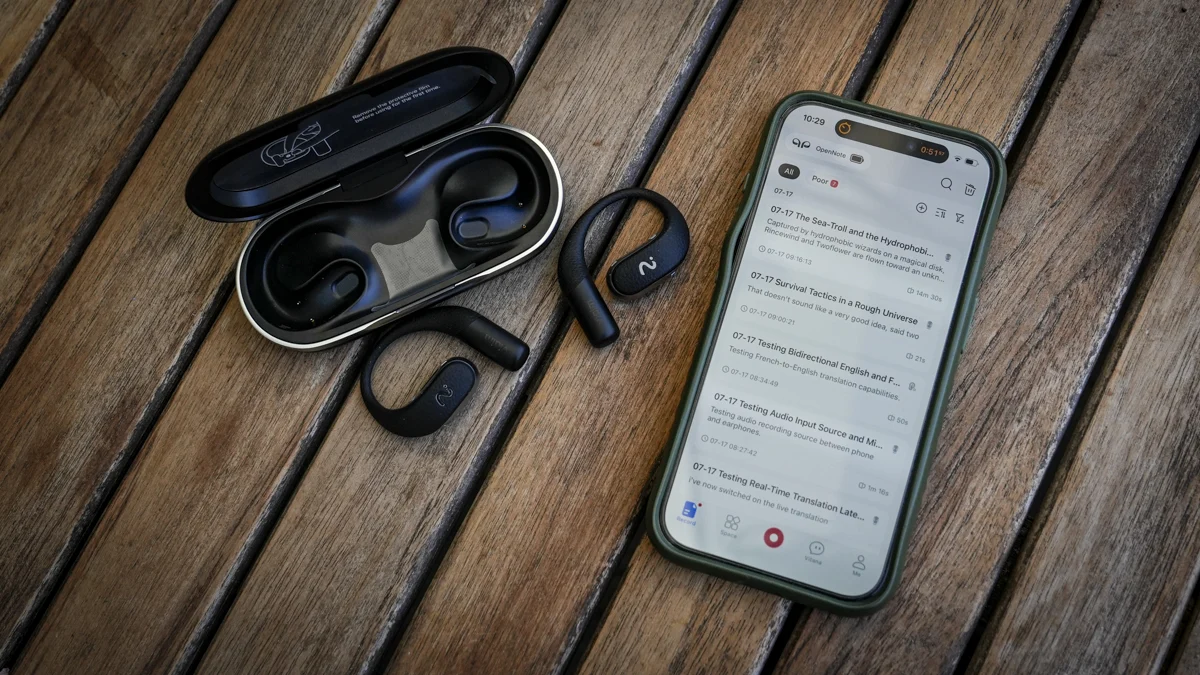
In the rapidly evolving landscape of workplace productivity tools, the line between wearable hardware and professional software is becoming increasingly blurred. The Viaim OpenNote is the latest device to challenge the status quo, positioning itself not just as a pair of headphones, but as an essential AI-driven administrative assistant. By combining open-ear acoustic technology with sophisticated, on-device recording and cloud-based AI summarization, Viaim is targeting a specific professional demographic: the constant communicator.
At its core, the OpenNote represents a departure from the noise-canceling trend that has dominated the audio market for the last decade. Instead of isolating the user, these earphones encourage a "connected" workspace, allowing users to capture high-stakes meetings, spontaneous brainstorming sessions, and telephonic correspondence with the press of a button.
Main Facts: What is the Viaim OpenNote?
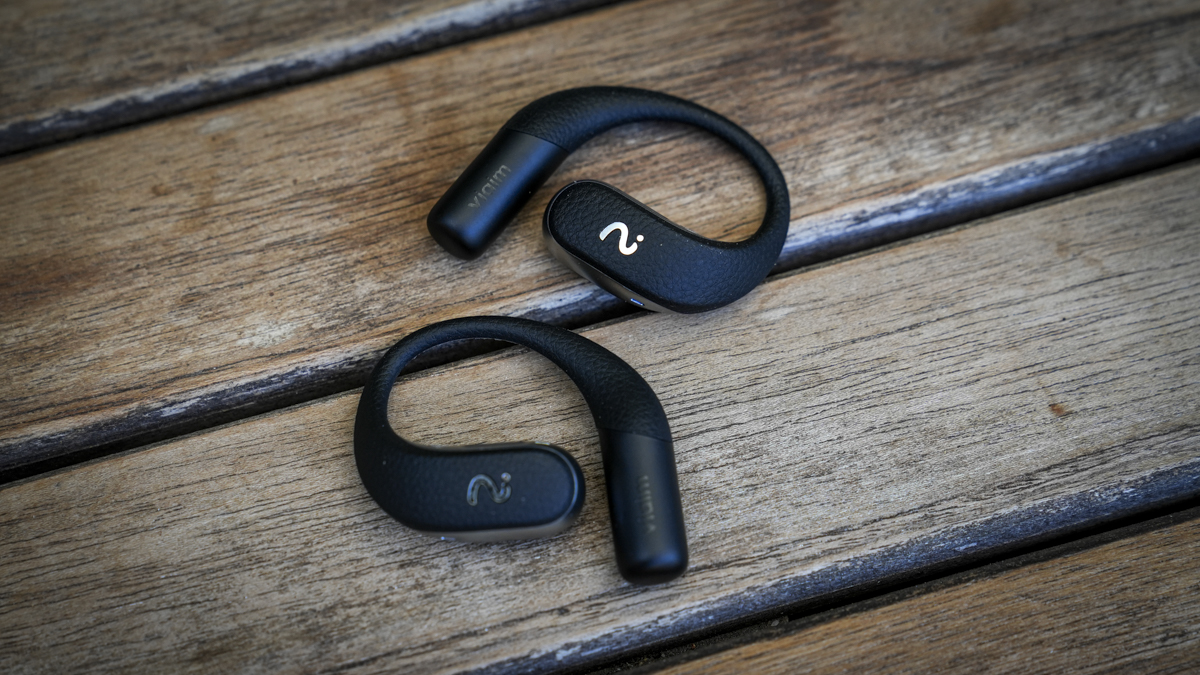
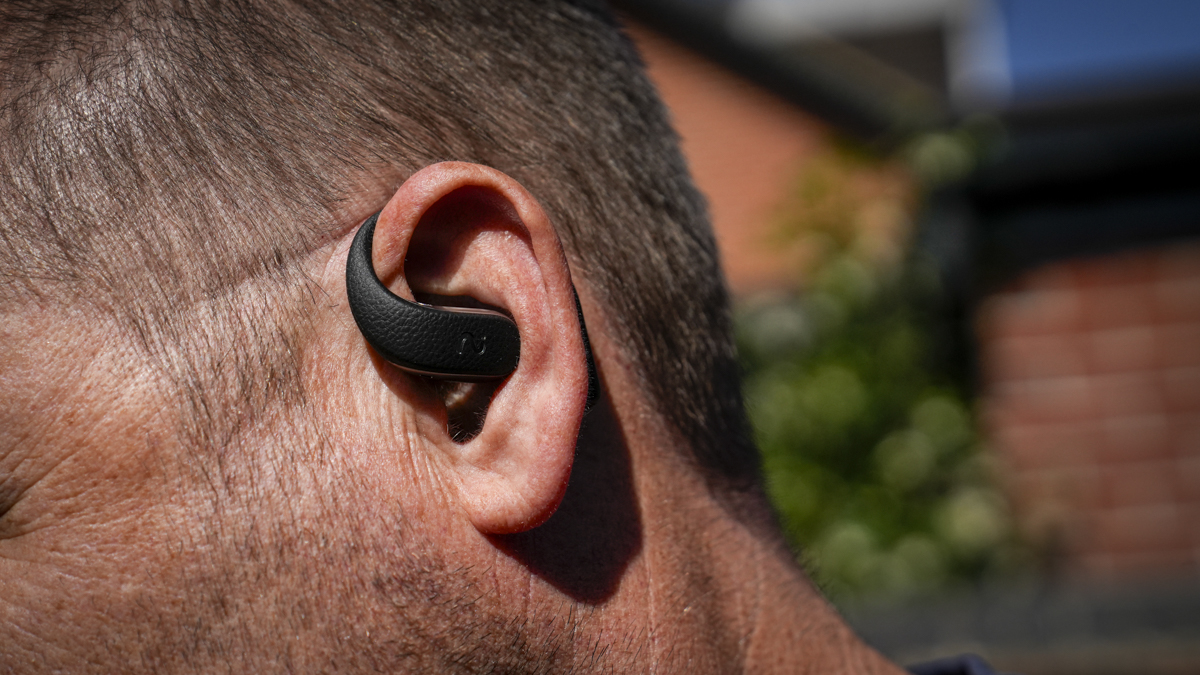
The Viaim OpenNote is an open-ear wireless headset designed specifically for office environments. Unlike standard earbuds that penetrate the ear canal to provide an acoustic seal, the OpenNote utilizes a hook-over-ear design, with the driver unit resting just outside the ear. This design choice serves two purposes: comfort for all-day wear and ambient awareness, which is vital for the collaborative office.
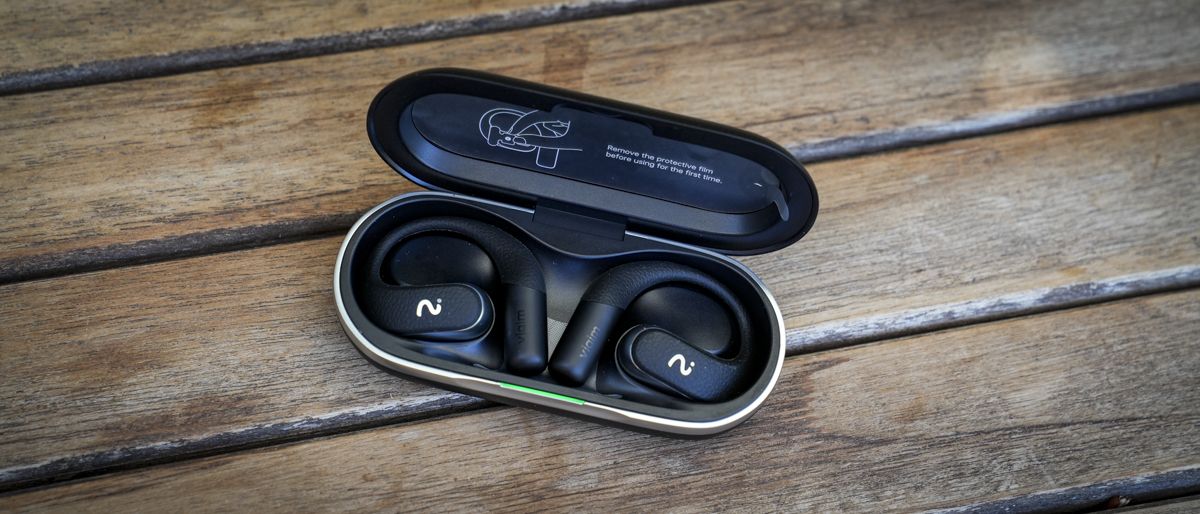
The device’s standout feature is its "FlashRecord" capability. Users can trigger a recording directly from the hardware—using a physical squeeze gesture on the earphone housing—without needing to interact with a smartphone or laptop. This removes the "friction" often associated with starting a recording in the middle of a meeting. Once captured, the audio is synced to a companion app where it undergoes AI-powered transcription and summarization in 78 different languages, covering 145 regional accents.
Key Specifications
- Audio Connectivity: Bluetooth 5.3 with dual-device pairing.
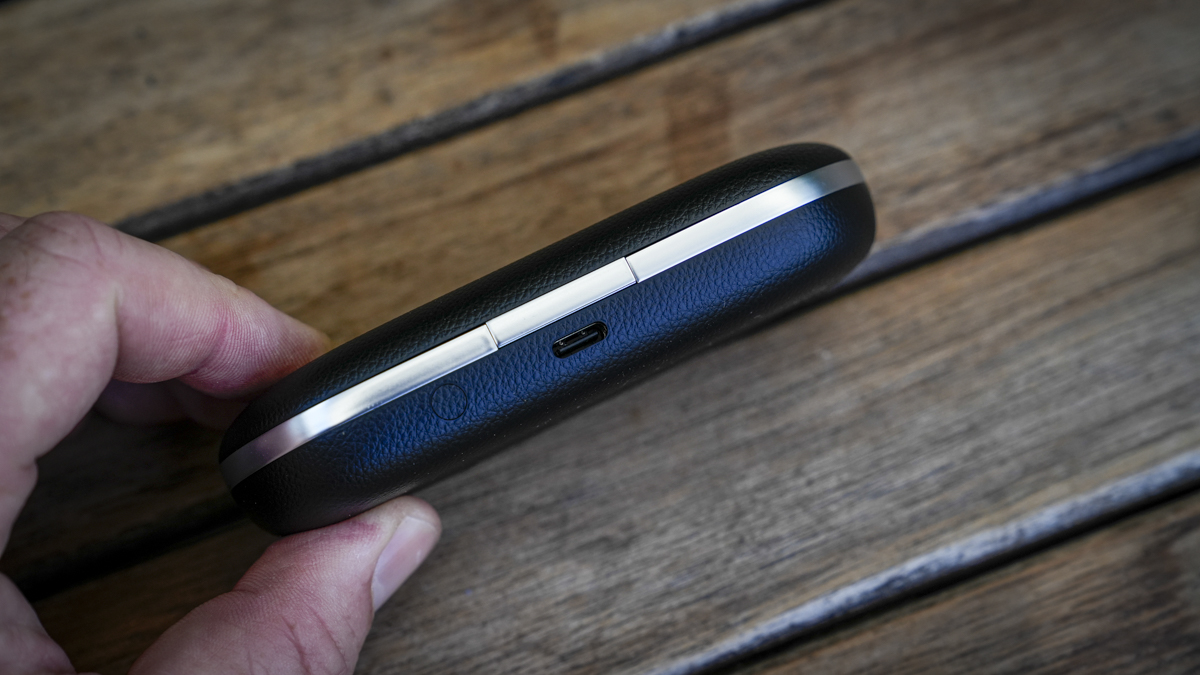
- Battery Performance: Up to 19 hours of playback (earbuds) with a total of 53 hours including the charging case.
- Microphone Array: Quad-microphone system with advanced call-noise reduction.
- Build Quality: 0.8mm titanium memory wire frame with IP55 water and dust resistance.
- Transcription: 600 minutes of free monthly transcription included in the base offering.
A Chronology of Testing and Implementation
The integration of the OpenNote into a professional workflow requires a period of adjustment. During our extensive testing period, we mapped out the user journey to determine the effectiveness of the device in real-world scenarios.
Week 1: The Integration Phase
The first hurdle is the initial setup and "training" of the AI. The companion app requires users to input job roles and positions to calibrate the transcription engine. While some users may find this initial data entry slightly invasive, it is a necessary step for the AI to provide context-aware summaries. Pairing the device via Bluetooth was seamless, though users should be aware that the app is listed under "Viaim" in the App Store rather than "OpenNote."
Week 2: Routine Adoption
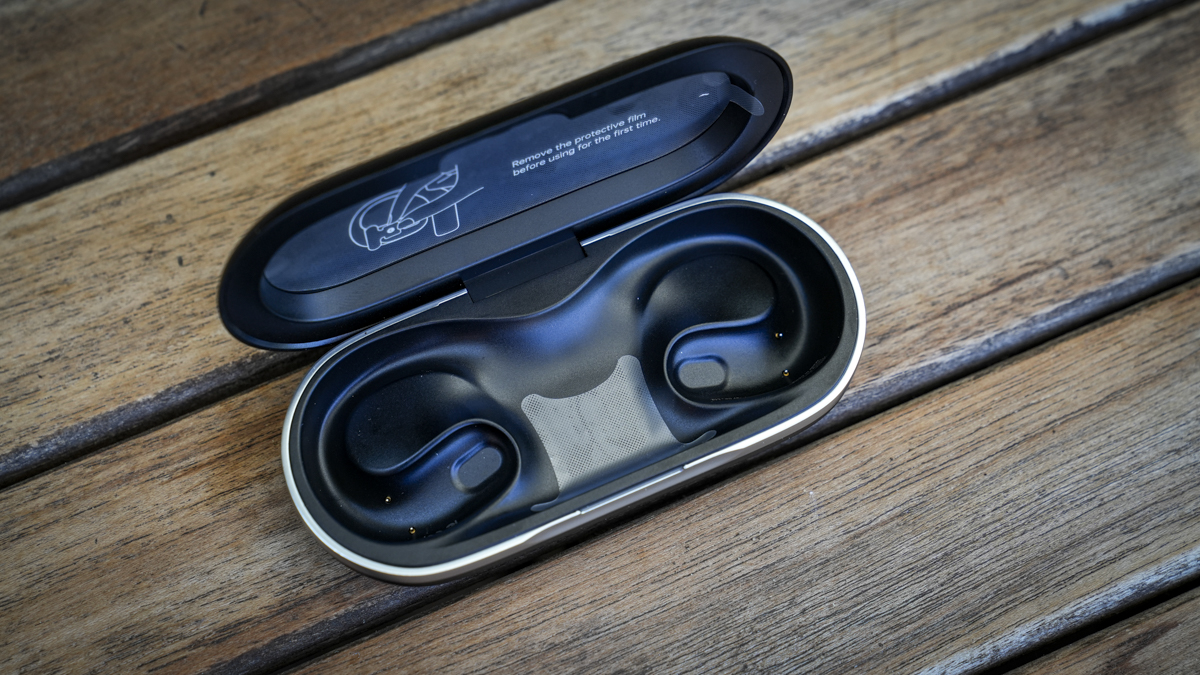
By the second week, the "squeeze-to-record" function became second nature. The ability to leave the earbuds on a desk during a meeting—effectively turning them into a high-fidelity omnidirectional microphone—proved to be a significant advantage. The device’s internal storage handles the heavy lifting, ensuring that even if the smartphone connection flickers, the audio is preserved.
Week 3: Advanced Optimization
In the final stages, we tested the advanced AI models (GPT 5.4, Gemini 3.1 Pro, and Claude Sonnet 4.5). While the free tier is sufficient for basic meeting notes, the paid tier (starting at $9.99/month) offers a marked improvement in accuracy, particularly when dealing with industry-specific jargon or complex technical discussions.
Supporting Data: Performance and AI Accuracy
The efficacy of the OpenNote is tethered to the quality of its AI models. Our tests revealed that while the transcription is not "perfect" in the human sense, it is significantly more reliable than standard dictation software.
- Transcription Latency: A 15-minute recording typically takes approximately 60 seconds to transfer to the phone and 42 seconds to transcribe and generate summaries.
- Language Versatility: The device handles 78 languages. Our tests using English-to-French translations showed that while the system is highly capable, it requires manual toggling when the speakers switch languages frequently, as it does not currently support an "auto-switch" for dual-language speakers.
- Speaker Diarization: One of the most impressive features is the post-meeting speaker labeling. By selecting the number of speakers in the app after the recording ends, the AI successfully attributes dialogue to specific participants, a critical feature for generating actionable meeting minutes.
The audio quality, while clear for speech, remains the "weakest" link for audiophiles. Because the design lacks an airtight seal, bass response is limited. However, as the device is marketed as a productivity tool rather than a Hi-Fi listening device, this is a reasonable trade-off for the improved social awareness it provides.
Official Responses and Ethical Considerations
The introduction of wearable recording devices into the workplace raises significant ethical questions regarding consent and privacy. Viaim has emphasized that the device is intended for professional documentation, yet the onus remains on the user to follow local laws regarding the recording of conversations.
During our testing, we found that transparency is the best policy. When users inform meeting participants that they are using an AI assistant to generate action points and summaries, the reaction is almost universally positive. In many cases, colleagues prefer the clarity of an AI-generated summary over handwritten notes. However, organizations should develop clear internal policies regarding the use of such devices to ensure that proprietary or sensitive information is handled securely within the app’s ecosystem.
Implications for the Future of Work
The Viaim OpenNote is part of a larger, broader shift toward "ambient computing." As AI models become smaller and more efficient, we are moving away from devices that require constant screen interaction and toward hardware that passively collects and processes data to augment human memory.
The Professional Advantage
For consultants, project managers, and journalists, the implications are profound. The ability to turn a verbal conversation into a structured "mind map" or an itemized list of "action points" in under two minutes effectively eliminates the "admin gap" that often follows a productive meeting.
Limitations and Challenges
Despite its strengths, the OpenNote is not without its flaws. The dependence on a subscription model for the most advanced AI models may alienate users looking for a one-time purchase solution. Furthermore, the lack of hardware-level control for certain features—such as starting a call recording directly from the headset without the app—suggests that there is still room for refinement in the firmware.
Verdict: Should you invest?
The Viaim OpenNote earns a solid 4/5 rating. It is an excellent value for professionals who find themselves drowning in meetings and needing a robust, hands-free way to document their day. While it won’t replace a pair of dedicated noise-canceling headphones for a long-haul flight or a high-fidelity listening session, it succeeds brilliantly in its primary mission: transforming the spoken word into a structured, digital asset.
As we move forward, the success of such devices will depend on the continued improvement of on-device processing and the transparency of the companies behind the AI. For now, the Viaim OpenNote stands as a compelling, early-adopter tool for the modern, high-output professional.











