

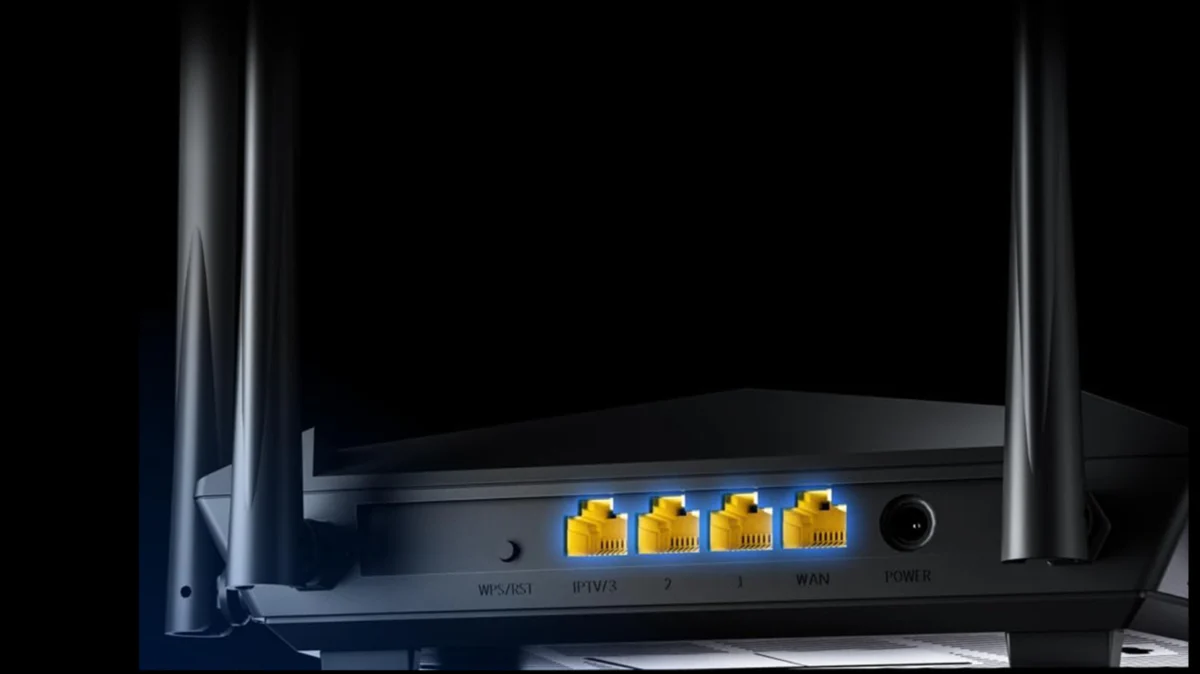
In the modern digital landscape, the home router has transitioned from a peripheral luxury to an essential utility. With approximately 94% of American households now connected to the internet—and 87% relying on fixed broadband—the wireless router serves as the silent, often overlooked gatekeeper of our digital lives. However, a recent security revelation has pulled back the curtain on a critical vulnerability inherent in the hardware itself, reminding users that even the most robust home security practices can be rendered obsolete by a flaw in the device’s own "DNA."
Researchers at the CERT Coordination Center (CERT/CC), based at Carnegie Mellon University, have identified a significant security vulnerability in select Tenda router models. This flaw is not merely a result of poor user configuration or weak passwords; it is an integrated "backdoor" embedded within the device’s firmware. This discovery poses a direct threat to the integrity of countless home networks, leaving users exposed to a variety of cyberattacks with potentially devastating consequences.
The Anatomy of the Flaw: Bypassing the Front Door
The vulnerability reported by CERT/CC is categorized as an authentication bypass. In a standard, secure network environment, a router’s administrative interface is protected by a username-and-password challenge. This mechanism is designed to ensure that only authorized individuals—typically the homeowner—can modify network settings, open ports, or access sensitive diagnostic logs.
The flaw discovered in Tenda’s firmware systematically dismantles this protection. According to the technical analysis, the device’s authentication logic contains a hardcoded path that completely ignores the username field. If an attacker inputs a specific, hardcoded password—widely reported as "rzadmin"—the system grants full administrative access to the user, regardless of whether the username is valid, empty, or intentionally malicious.
Because the system fails to validate the username, it essentially treats the "rzadmin" password as a master key. This bypass is not a result of a brute-force attack or a sophisticated exploit; it is a fundamental design error that allows anyone with network access (or, in some cases, remote access) to take complete control of the device in seconds.
Chronology of the Discovery and Disclosure
The timeline of this discovery highlights the precarious nature of IoT (Internet of Things) security.
- Initial Discovery: Researchers identified the vulnerability while auditing the firmware of various low-to-mid-range networking hardware. It was quickly realized that the login portal failed to verify administrative credentials properly, relying instead on a hardcoded, static string.
- CERT/CC Intervention: Recognizing the potential for widespread exploitation, the findings were reported to the CERT Coordination Center. CERT/CC plays a vital role in vulnerability disclosure, often acting as a bridge between researchers and manufacturers to ensure that flaws are patched before they become common knowledge among cybercriminals.
- The Disclosure Gap: Despite the severity of the "rzadmin" backdoor, the manufacturer, Tenda, has not provided a definitive timeline or confirmation regarding a firmware patch. This lack of responsiveness is a growing trend in the networking hardware industry, where older or budget-friendly product lines are often abandoned by manufacturers in favor of newer models, leaving users of legacy hardware stranded in a "vulnerability limbo."
Supporting Data: Why This Matters for Modern Households
To understand the scale of the threat, one must consider the role the router plays in the modern home. The average American household now contains over a dozen connected devices, including smart TVs, laptops, smartphones, security cameras, and smart thermostats. Each of these devices communicates through the router.
When an attacker gains administrative access to the router, they are effectively sitting at the center of the household’s digital traffic. The potential for damage is extensive:
- Traffic Redirection: An attacker can alter the router’s DNS settings to redirect traffic. If a user tries to log into their bank or email, the router could be configured to send them to a pixel-perfect replica of those sites, harvesting credentials in the process.
- Man-in-the-Middle (MitM) Attacks: By controlling the router, an attacker can intercept, view, or even modify data packets being sent and received by every device on the network.
- Network Exposure: An attacker can manually open network ports, effectively punching holes in the household firewall. This can expose previously secure devices—like internal home servers or smart cameras—directly to the public internet, making them vulnerable to further exploitation.
- Ransomware and Botnets: Infected routers are frequently recruited into botnets (like Mirai), which are used to conduct massive DDoS attacks against websites. Furthermore, an attacker can force the router to download malicious payloads onto connected computers, potentially leading to ransomware infections.
Affected Models and the Search for Solutions
The vulnerability is linked to specific firmware versions found in several Tenda product lines. While the list of affected devices is not exhaustive, users of the following routers should exercise immediate caution:
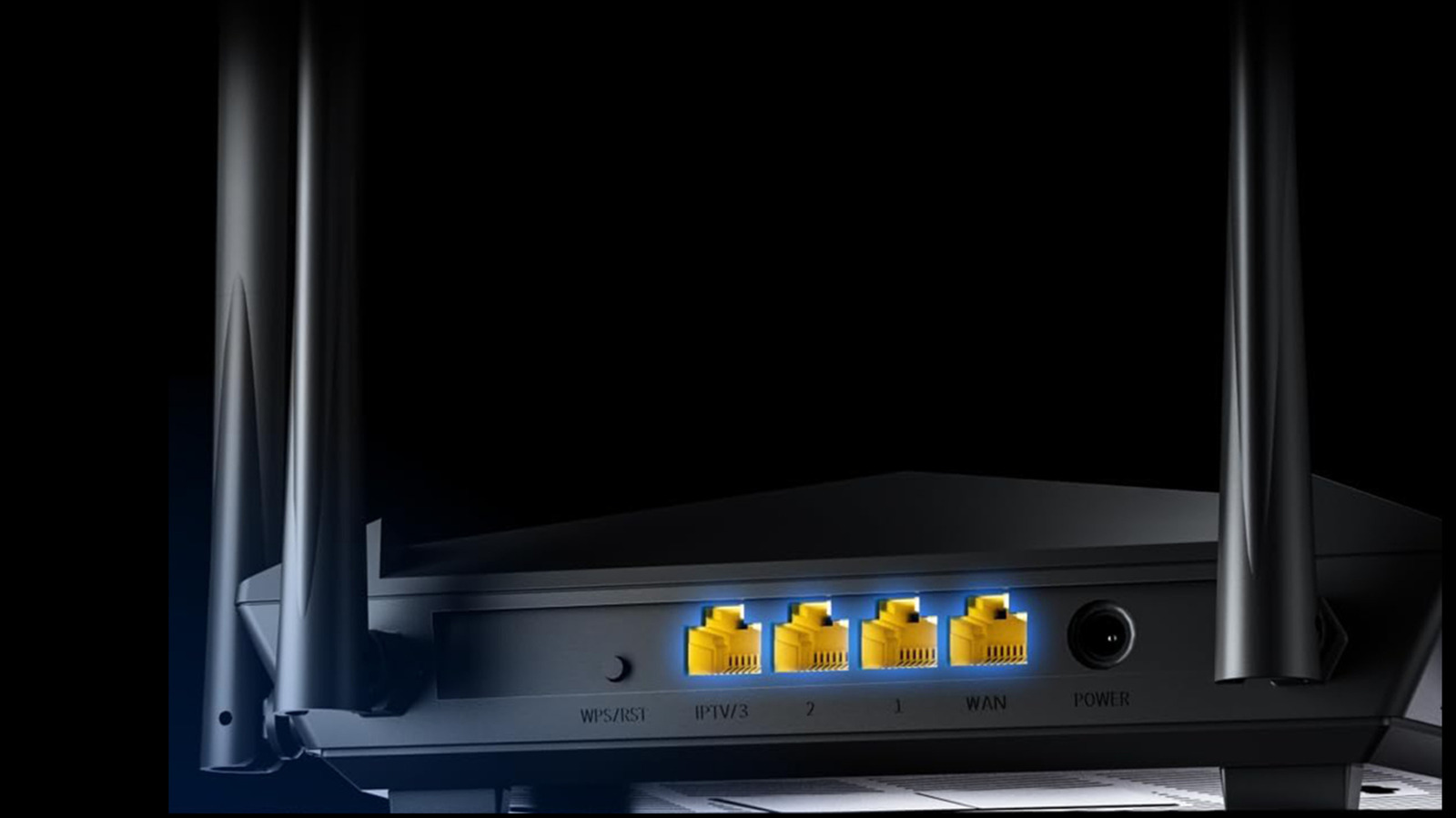
- FH1201 wireless router
- W15E wireless hotspot routers
- AC10 AC1200 Smart Dual-Band router (v1)
- AC5 AC1200 Smart Dual-Band router (v1)
- AC6 AC1200 router (v2)
How to Audit Your Own Device
For those who own a Tenda router, the first step is to verify the firmware version. Access the router’s interface by typing 192.168.0.1 into a web browser. Once logged in, navigate to System Tools and select Upgrade. This will display your current firmware version.
If you suspect you are at risk, you can perform a "sanity check" by attempting to log in using the username "admin" and the password "rzadmin." If the device allows entry, you have confirmed that your router is vulnerable.
Defensive Strategies: Mitigating the Risk
Given that a permanent fix from the manufacturer may not be forthcoming, users must take proactive measures to harden their network security.
1. Disable Remote Management
The most critical step is to disable "Remote Web Management." This feature is intended to allow users to troubleshoot their network from outside the home. However, it also allows anyone on the internet to reach your router’s login page. By disabling this, you limit the threat to individuals who are physically on your network (e.g., neighbors or visitors). To do this, navigate to Advanced, then Security, then Remote Web Management, and ensure the checkbox is unchecked.
2. Change the Default LAN IP
While it does not fix the backdoor, changing the default LAN IP (e.g., from 192.168.0.1 to something like 192.168.201.1) can prevent automated, script-based attacks that target the default gateway addresses of common routers.
3. Consider Hardware Retirement
The sad reality of the IoT market is that hardware has an expiration date. If your router is no longer receiving security updates from the manufacturer, it is, by definition, a security liability. If you own an affected Tenda device, it is strongly recommended that you consider replacing it with a modern router from a manufacturer with a proven track record of timely security patching.
Implications for the Future of Network Security
The Tenda "rzadmin" backdoor is a sobering case study in the "Security-by-Design" failure. For years, the cybersecurity community has warned that the proliferation of low-cost, under-supported networking hardware would create a systemic risk to the internet.
When security is treated as an afterthought—or, worse, intentionally bypassed for ease of manufacturing or debugging—it is the consumer who pays the price. The implications extend far beyond a single brand; they highlight a systemic lack of accountability in the hardware manufacturing sector. As we move toward an increasingly interconnected future, the pressure must mount on manufacturers to provide long-term support, transparent security audits, and a commitment to patching flaws before they become public vulnerabilities.
Until then, the burden remains on the user. In the digital age, a router is not just a piece of plastic that brings the internet to your devices; it is the front door to your digital identity. Checking your hardware for vulnerabilities is no longer a niche task for IT professionals—it is a mandatory step in maintaining a secure home environment. If your router is compromised, the strongest password in the world on your laptop will not save you; the weakness is already inside the walls.











