Layla Zulfa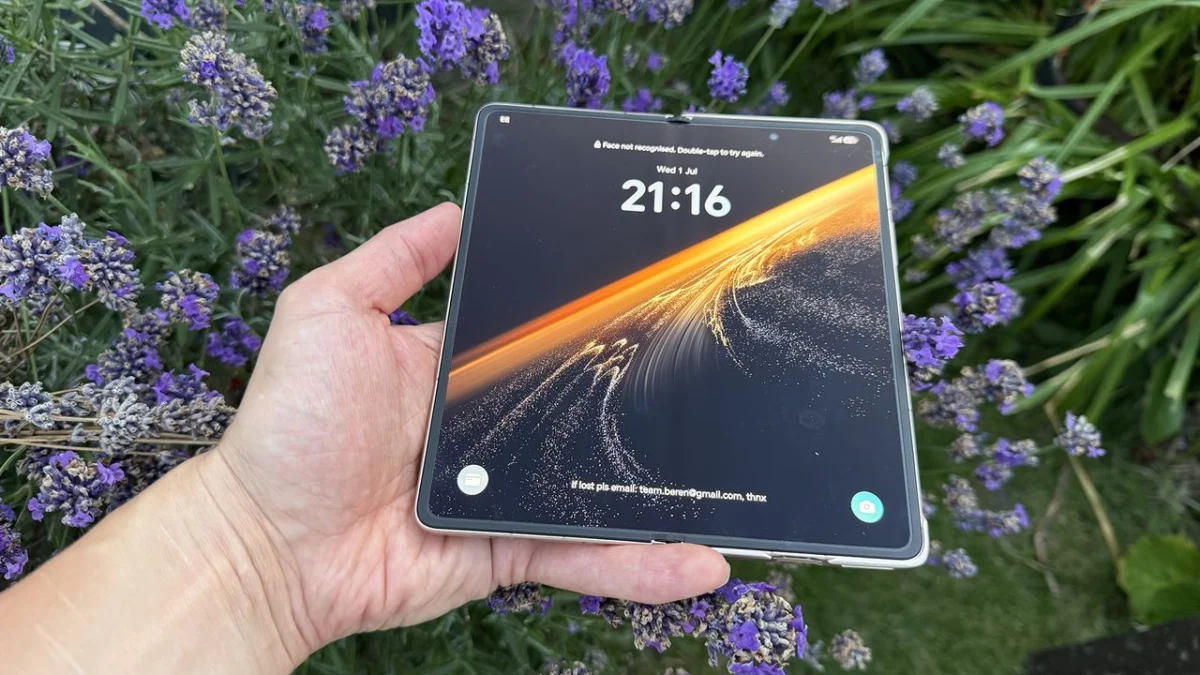
The landscape of mobile technology has shifted seismically this week, as the foldable smartphone market enters its most aggressive phase of competition to date. With the global launch of the Samsung Galaxy Z Fold8 and its premium sibling, the Fold8 Ultra, the market leader has once again attempted to cement its dominance in the premium foldable category. However, in an industry where timing and value proposition are everything, Honor has executed a strategic counter-maneuver that is turning heads: a significant price reduction on its own flagship, the Magic V6.
As tech enthusiasts debate the merits of Samsung’s refined hardware, Honor’s decision to slash £100 off its promotional pricing for the Magic V6—now offering a total saving of £600 alongside bundled accessories—suggests that the foldable wars are no longer just about engineering prowess; they are now a battle for market share and consumer loyalty.
The Chronology of a Foldable Conflict
To understand the current tension in the market, one must look at the timeline of innovation and release. Samsung has historically held the pole position in the foldable segment, having launched the category into the mainstream consciousness years ago. The arrival of the Galaxy Z Fold8 on Wednesday was the culmination of years of iterative design, promising a thinner, more durable, and more refined experience.
However, Honor, which has rapidly evolved from a subsidiary to an independent powerhouse, "got there first" in terms of current-generation momentum. Having launched the Magic V6 back in March, Honor established a high bar early in the year. While Samsung is often seen as the industry benchmark, Honor’s strategic release cycle allowed it to capture the interest of early adopters long before the Fold8 was even confirmed.
The current week has become a pressure cooker of marketing. Samsung is banking on its deep-rooted ecosystem and brand recognition, while Honor is leveraging aggressive pricing to lure users away from the established hierarchy. By shaving £100 off the Magic V6 just as its biggest competitor hits the shelves, Honor is explicitly targeting the "value-conscious enthusiast"—the user who wants cutting-edge hardware but is increasingly wary of the premium tax associated with the Samsung brand.
Technical Superiority and the "Fence-Sitter" Dilemma
Having spent significant time with both devices, the consensus among industry insiders is that the performance gap has narrowed to almost nothing. The Samsung Galaxy Z Fold8 features a stunning display and an ecosystem that is, frankly, difficult to abandon. Samsung’s One UI and the seamless integration with the Galaxy Watch, Buds, and Tab series remain a formidable "walled garden."
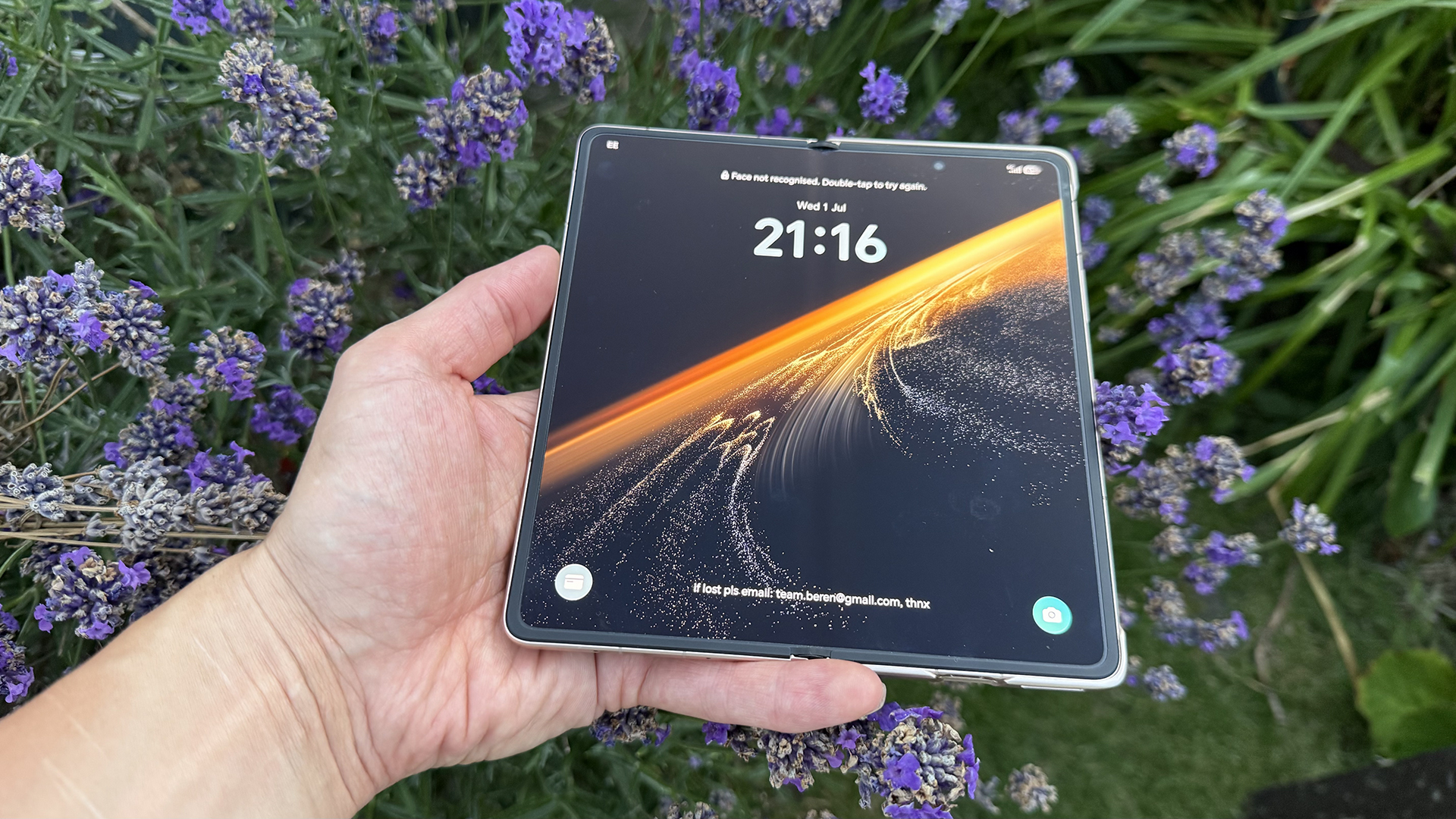
Conversely, the Honor Magic V6 represents a "fresh and exciting" alternative. It offers a design philosophy that leans into slimness and portability, often outstripping its competitors in pure ergonomic feel. For those who are not tethered to the Samsung ecosystem, the Magic V6 offers a compelling argument: why pay the premium for a brand name when the hardware quality is arguably on par, if not superior, in specific metrics like battery density and hinge refinement?
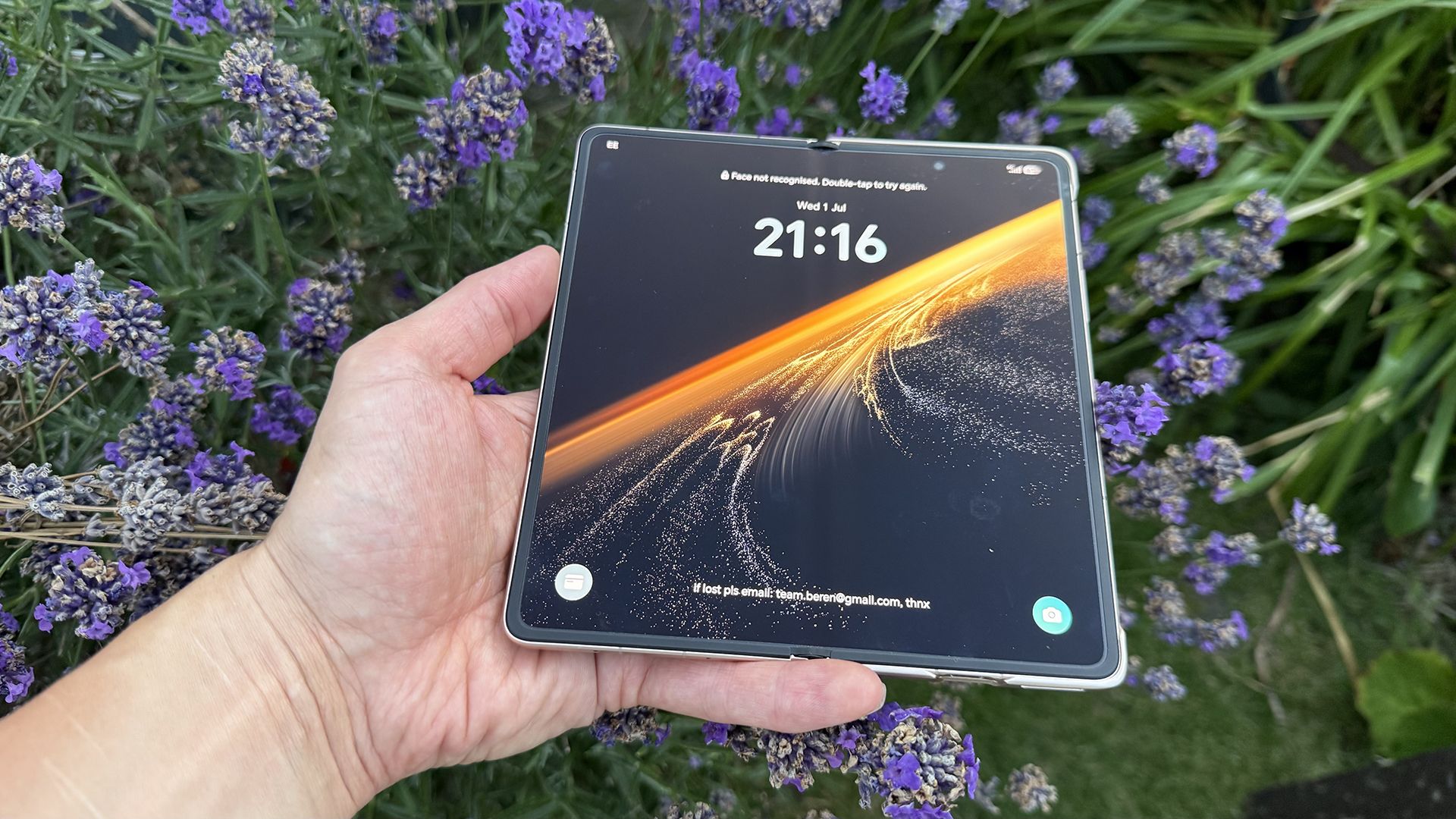
This is the central dilemma for modern consumers. Do you choose the safety of the known ecosystem, or do you gamble on the disruptive challenger that is currently offering a much more attractive financial entry point?
Supporting Data: Why the Price Matters
The financial incentive provided by Honor is not merely a discount; it is a tactical strike. In the current global economic climate, the "premium foldable" market is facing a plateau. Consumers are holding onto their devices for longer, and the jump to a £1,500+ device is becoming a harder sell.
By offering a £600 total saving (inclusive of the latest discount and bundle incentives), Honor is essentially subsidizing the transition for potential defectors. Data from recent retail trends suggests that foldable adoption is highly elastic; when prices drop below a certain psychological threshold, conversion rates spike significantly. Honor’s move to lower the price during the launch window of the Galaxy Z Fold8 is designed to intercept those who were initially leaning toward Samsung but are now pausing to compare the "value per dollar" ratio.
Official Responses and Industry Positioning
While neither company has issued a formal press release attacking the other, the subtext of their marketing campaigns is loud and clear. Samsung’s messaging focuses on "redefining what foldables can do," emphasizing their AI integration and long-term software support. They are positioning themselves as the mature, reliable choice for professionals and power users.
Honor, meanwhile, is leaning into its reputation as an innovator. Their messaging—often centered on being "first" to market with thinner, more capable hardware—positions them as the agile challenger. The industry is watching closely. If Honor’s gamble pays off, it could force Samsung to reconsider its pricing strategy for future releases, potentially leading to a more competitive market where foldable phones become accessible to a wider demographic.
The Future: Beyond the Fold
The conversation around these devices is also expanding to include what comes next. Honor has already teased its "Robot Phone" concept, signaling that they intend to stay at the cutting edge of form-factor innovation. This keeps their brand in the spotlight even when they aren’t the primary topic of conversation, maintaining a sense of momentum that Samsung must work hard to match.
For the consumer, this competition is entirely beneficial. We are witnessing a classic "arms race" that is driving better hardware, more durable materials, and more aggressive pricing.
Implications for the Creative Professional
For the target audience of creative professionals—designers, photographers, and writers—the choice of device has practical implications. A phone is not just a communication tool; it is a mobile studio.
- The Display: Both the Magic V6 and the Z Fold8 offer expansive screens that act as perfect canvases for real-time edits or reviewing high-resolution imagery.
- The Ecosystem: For the photographer already shooting with a high-end mirrorless system, the integration of a smartphone into a professional workflow is crucial. Samsung’s suite of tools for file transfer and cloud storage remains superior for those already in the ecosystem.
- The Portability: For the creative who is constantly on the move, the Magic V6’s design may offer a slight edge in comfort, making it a better "daily driver" for those who find the bulk of traditional foldables prohibitive.
Final Verdict: Which Path to Take?
As the dust settles on the launch week, the decision comes down to personal priorities. If you are deeply embedded in the Samsung ecosystem—using a Galaxy Tab, a Galaxy Watch, and relying on Samsung Cloud—the transition to the Z Fold8 is the logical, albeit expensive, upgrade. The software optimization is mature, and the brand loyalty is well-earned.
However, if you are a user who values innovation for its own sake and wants to see how far the current generation of mobile hardware can be pushed, the Honor Magic V6 is, at this moment, the better financial decision. With the additional £100 discount, the value gap between the two is now wide enough that it can no longer be ignored.
The foldable phone is no longer a niche curiosity; it is a mature, competitive category. As Honor continues to challenge the status quo, the real winner in this war of attrition is the consumer, who now finds themselves with more choice, better hardware, and—finally—a bit of relief on the price tag.
Whether you opt for the established giant or the bold challenger, one thing is certain: the foldable revolution is here to stay, and it’s only getting more interesting from here.


 Sagoh
Sagoh
 Lina Irawan