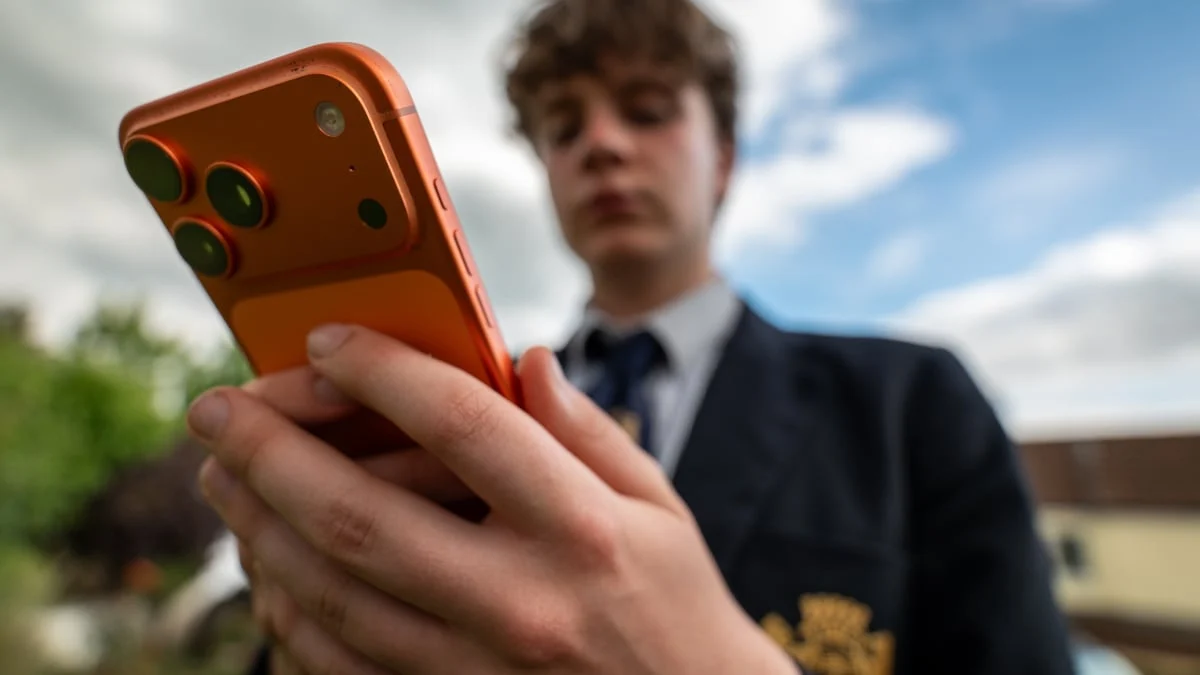
The United Kingdom is poised to deepen its intervention into the digital lives of its citizens. Following a series of aggressive regulatory maneuvers aimed at curbing the influence of Big Tech, the UK government has announced plans to implement a mandatory social media curfew for 16- and 17-year-olds. The proposal, which would effectively bar access to platforms such as Instagram, TikTok, and YouTube between the hours of midnight and 6:00 a.m., represents a significant escalation in the state’s attempt to manage the intersection of adolescent mental health and algorithmic design.
This latest development arrives less than a month after the government confirmed a comprehensive ban on social media access for children under the age of 16. As Western nations scramble to address the growing concerns regarding screen addiction, cyberbullying, and exposure to harmful content, the UK is positioning itself as a global pioneer—or, as some critics argue, an experimental outlier—in the field of digital regulation.
A Chronology of Escalation: From Oversight to Curfews
The road to the current legislative climate began in earnest with the introduction of the Online Safety Act, which became fully operational in July 2025. The Act was initially framed as a mechanism to protect minors from explicit material, such as pornography, and to mitigate exposure to content promoting self-harm or eating disorders. However, the scope of the legislation has rapidly expanded.
- July 2025: The Online Safety Act enters into force, mandating strict age-verification protocols for platforms hosting content deemed "restricted to adults."
- December 2025: Inspired by international trends, particularly the legislative push in Australia, the UK government announces a near-total ban on social media access for children under 16, sparking intense debate regarding privacy, parental autonomy, and the efficacy of age-gating technology.
- Early 2026: In the wake of the EU’s decision to pursue similar restrictions for children under 13, the UK government signals that it will expand its regulatory framework to include older teenagers (16 and 17), citing the need for "digital hygiene" and sleep health.
- Present Day: The government confirms the proposal for a midnight-to-6:00 a.m. curfew, with an "opt-out" provision currently under discussion, aimed at balancing state oversight with personal choice.
The Regulatory Framework: How the "Curfew" Would Function
The mechanics of the proposed curfew remain a point of technical and political contention. The government envisions a system where major social media platforms would be required to implement "hard stops" on activity for accounts verified to be held by 16- and 17-year-olds.
While the proposal is framed as a restriction, the inclusion of an "opt-out" mechanism suggests a recognition of the difficulty in enforcing a blanket ban on older adolescents who are legally allowed to work, drive, and enlist in the military. Critics have questioned whether an opt-out system would simply shift the burden of responsibility onto parents, effectively neutralizing the safety intent of the law if the majority of users choose to bypass the restriction.
Furthermore, the curfew sits alongside the existing infrastructure of the Online Safety Act. This act requires platforms to verify the age of their users to ensure they are not accessing material deemed harmful. The challenge, however, has been the ubiquity of circumvention tools.
The VPN Dilemma: A Case of Unintended Consequences
A central theme in the UK’s legislative saga has been the role of Virtual Private Networks (VPNs). When the Online Safety Act was first debated, there was significant pressure on the government to ban or strictly regulate VPNs, as these tools can mask a user’s location and bypass age-verification filters.
However, the government has recently walked back this hardline stance. Kanishka Narayan, the UK’s online safety minister, clarified in a recent appearance on BBC Breakfast that a ban on VPNs is currently off the table. Citing internal government research, Narayan suggested that there is little evidence that children are using VPNs on a widespread scale to circumvent age checks.
"We have decided not to limit VPNs today and that’s the primary conclusion for now, but it is something we will continue to review," Narayan stated. This pivot highlights the difficulty of regulating a borderless internet through localized legislation. If the state cannot stop children from using simple tools to hide their digital footprints, the efficacy of the curfew—and the underlying ban for under-16s—remains fundamentally fragile.
Official Responses and the "Most Robust" Regulator
The government’s rhetoric remains defiant. Minister Narayan emphasized that Britain intends to be the most "robust" place in the world for tech regulation. The strategy includes not just curfews, but also potential limitations on "addictive" design features, such as the infinite scroll and aggressive autoplay algorithms that keep users engaged for hours.
However, the government’s approach has met with skepticism from advocacy groups. Andy Burrows, chief executive of the Molly Rose Foundation—a leading voice in suicide prevention for young people—offered a scathing assessment of the policy.
"While we welcome these measures for older teens, this latest move is yet another piecemeal set of announcements, not the comprehensive plan for children’s safety that’s required," Burrows said. His argument is that by focusing on curfews and age-gating, the government is focusing on the symptoms of digital harm rather than the root causes—specifically, the business models of platforms that prioritize engagement over user well-being.
Global Context: Are Bans Working?
The UK’s strategy is not happening in a vacuum. Australia’s recent enactment of a social media ban for minors in December 2025 serves as a cautionary tale for policymakers. Initial reports from that region suggest that the ban has been largely ineffective, with a significant percentage of teenagers finding ways to log onto platforms despite the legislative hurdles.
The failure of the Australian model to achieve high compliance rates suggests that the "digital generation" is highly adept at bypassing technological barriers. This creates a risk for the UK government: if they implement a stringent curfew that can be easily circumvented, they may undermine public trust in their broader regulatory efforts.
Moreover, there is the question of the "digital divide." Wealthier households may have the resources to ensure compliance through parental control software, while other demographics may find themselves in a state of constant digital friction, where the technology is constantly being "fixed" to account for new ways around the bans.
Implications for the Future of the Internet
The move toward a curfew for 16- and 17-year-olds marks a turning point in the relationship between the state and the tech industry. It effectively treats social media as a regulated utility—akin to alcohol or gambling—where access is restricted based on time and maturity.
For tech companies, the implications are profound. They are now tasked with building "age-aware" platforms that can verify identity, track time, and restrict functionality in real-time. This requires a level of data collection that many privacy advocates find deeply alarming. To enforce an age-based curfew, a platform must know exactly how old a user is at all times, which necessitates the collection and storage of sensitive identity documents or government-verified digital IDs.
As the UK moves forward with these plans, the global community will be watching. If the curfew is implemented and proves effective, it could become the new gold standard for digital governance, potentially prompting other nations to follow suit. If it fails, or if it leads to a surge in black-market circumvention tools, it may serve as a final lesson in the futility of trying to legislate against the tide of global connectivity.
For now, the midnight silence on British screens remains a proposal, a line drawn in the digital sand that the government hopes will protect a generation—even as that generation finds new ways to walk right over it.