
 Raul Delapena Setiawan
In an era defined by the rapid proliferation of automated surveillance, the line between public safety and unauthorized intrusion has often been blurred. However, a recent development in St. Lucie County, Florida, has elevated these concerns from abstract privacy debates to a tangible, localized crisis. While attempting to decommission and remove a municipal network of Flock Safety license plate-reading cameras, local officials stumbled upon a disturbing discovery: 11 surveillance devices were actively operating within the county’s jurisdiction without permits, official authorization, or even a clear trail of ownership.
This revelation has not only triggered a local investigation but has also reignited a nationwide conversation regarding the ubiquity of automated license plate readers (ALPRs) and the lack of regulatory oversight governing their deployment.
The Discovery: A Breakdown in Oversight
The incident began when St. Lucie County authorities initiated a policy shift, opting to terminate their contract and discontinue the use of Flock Safety’s camera technology. As municipal workers began the systematic process of identifying and removing the units, a discrepancy emerged between the official inventory and the reality on the ground.
County officials had initially accounted for 52 authorized cameras under their jurisdiction. However, as the deinstallation progressed, crews encountered 14 additional units that were not listed in any municipal ledger. Following an initial review, the St. Lucie County Sheriff’s Office stepped forward to claim ownership of three of these unauthorized devices. While the department acknowledged the ownership, they provided no explanation as to why these units were installed without the requisite permits or why they were absent from the county’s official inventory.
This left 11 "ghost" cameras—high-tech surveillance devices embedded in the public infrastructure of St. Lucie County—with no known owner. The discovery has left residents and local privacy advocates reeling, as the cameras were found to be operational, recording vehicle movements and potentially cataloging the daily routines of unsuspecting citizens.
Chronology of the Surveillance Expansion
To understand how these cameras appeared without oversight, one must look at the meteoric rise of Flock Safety in the American surveillance landscape.
- 2017–2020: The Rapid Deployment Phase: Flock Safety, a technology firm based in Atlanta, began aggressively marketing its solar-powered, motion-activated ALPR cameras to homeowner associations (HOAs) and small municipalities across the United States. Their business model relied on ease of installation and a subscription-based data service.
- 2021–2023: Public-Private Partnerships: During this period, many counties—including St. Lucie—began integrating private camera feeds into their law enforcement operations, creating a web of surveillance that bridged the gap between private property and public thoroughfares.
- Mid-2024: The Regulatory Pushback: Growing concerns regarding data privacy and the potential for abuse led several jurisdictions to reconsider their reliance on third-party surveillance providers. The Florida Department of Transportation (FDOT) eventually took a hard line, enacting a statewide ban on the use of Flock cameras on state roads.
- October 2024: The St. Lucie Discovery: As St. Lucie County moved to comply with the shifting regulatory landscape and terminate their program, the discrepancy in the camera inventory was identified, revealing that private entities or undocumented government sub-units had been operating cameras in the shadows.
Supporting Data: The Scale of the Problem
The presence of these ghost cameras is not merely a bureaucratic error; it is indicative of a broader lack of transparency in the surveillance-industrial complex. According to industry reports, there are currently more than 100,000 Flock Safety cameras installed across the United States.
The technology is designed to be "always on." Each camera captures high-resolution images of passing vehicles, recording license plates, make, model, and even identifying marks like bumper stickers. This data is fed into a cloud-based network that uses machine learning to alert law enforcement to "hot list" vehicles.
However, the data is not strictly reserved for police. When a private entity—such as an HOA or a private developer—installs these cameras, they often retain the ability to share that data with local law enforcement, or conversely, local law enforcement may have access to a network of private feeds that were never vetted by public transparency laws or city council oversight. In St. Lucie, the fact that 11 cameras remained, even after a supposed total audit of the county’s inventory, suggests that the "surveillance net" in many American towns is far wider than what is documented on official government websites.
Official Responses and the Quest for Accountability
The response from local government has been one of reactive damage control. A county official confirmed that upon finding the unpermitted cameras, they immediately placed official notices on each device. The notices ordered the owners to come forward and remove the hardware.
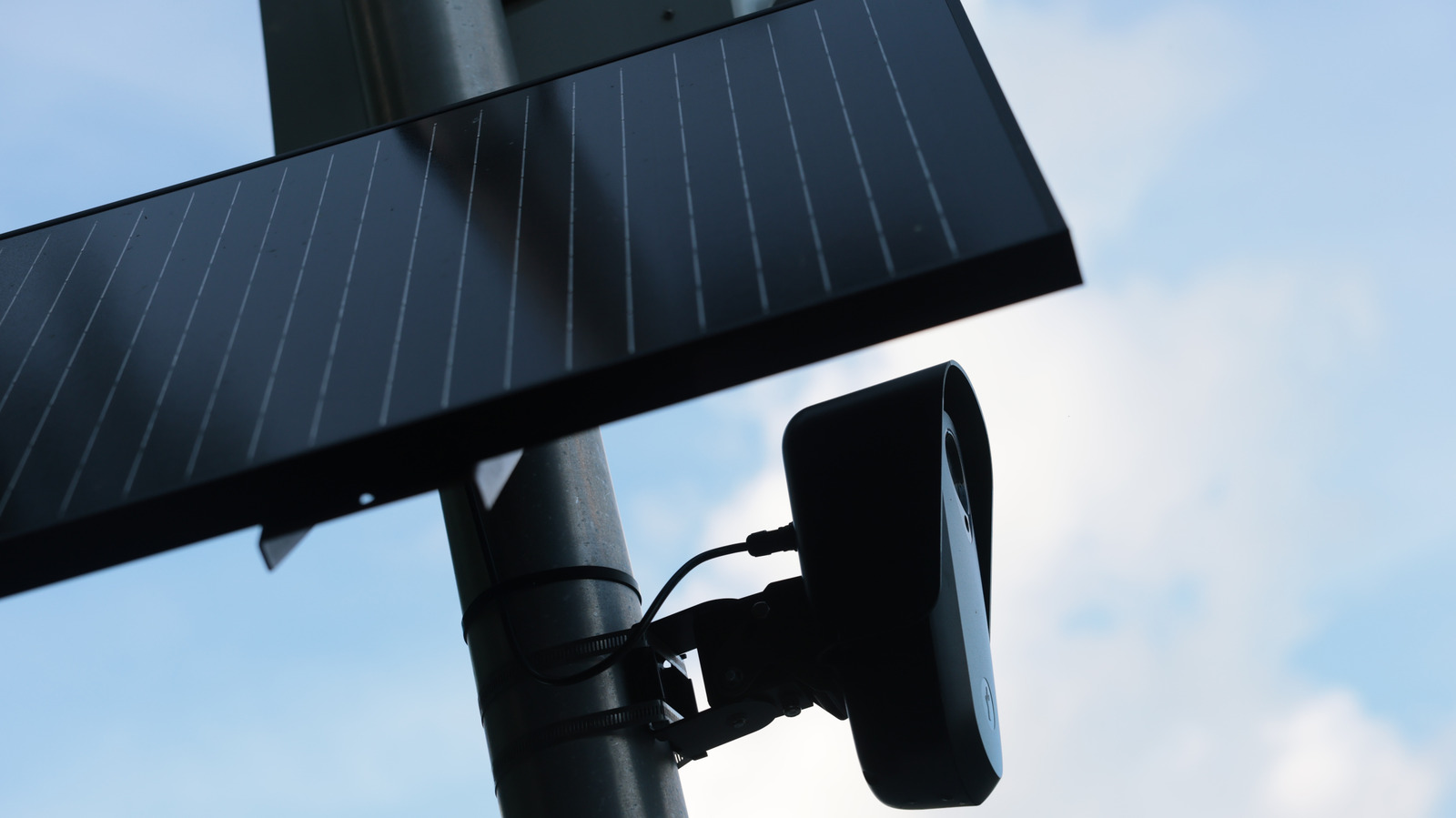
In the interim, the county took the stop-gap measure of wrapping the cameras in opaque plastic bags. This was a necessary step to prevent further data collection while the legal status of the devices remained in flux. The visual impact of these bagged cameras—standing like silent, hooded sentinels along Florida roadways—has served as a potent symbol of the public’s lost control over the surveillance of their own communities.
When journalists from The Washington Post visited the location of one such unpermitted camera, they found that it had been removed, but there were no records or witnesses to explain who had performed the removal. This highlights the "black box" nature of the equipment: the devices are installed by third-party contractors, often with minimal public notice, and can be removed just as silently, leaving no paper trail behind.
Flock Safety has been reached for comment regarding the proliferation of their devices without proper permitting. Historically, the company has maintained that they provide the tools, but it is the responsibility of the client to ensure compliance with local regulations.
Implications: A Crisis of Public Trust
The St. Lucie County incident raises profound questions about the future of civil liberties.
1. The Erosion of Due Process
When surveillance is conducted by unauthorized or unpermitted entities, the standard legal protections associated with government-run surveillance evaporate. If a private entity operates a camera that tracks a citizen, there is often no clear mechanism for that citizen to request the deletion of their data or to challenge the surveillance in court.
2. Regulatory Lag
Legislative bodies at both the state and federal levels are struggling to keep pace with the technology. While the Florida Department of Transportation has banned the cameras on state roads, the "last mile" of local roads and private intersections remains largely unregulated. The St. Lucie case serves as a warning that without rigorous oversight, the market for surveillance technology will outpace the rule of law.
3. The Normalization of Surveillance
Perhaps the most dangerous implication is the normalization of the "always-on" gaze. Residents in St. Lucie County have expressed a palpable sense of unease, noting that they no longer feel they have a right to move through their community without being tracked. This "panopticon effect" can chill freedom of association and movement, as citizens modify their behavior to avoid the watchful eye of invisible sensors.
Moving Forward: The Need for Transparency
The situation in St. Lucie County is likely just the tip of the iceberg. As jurisdictions across the country continue to debate the utility of these cameras, the discovery of "ghost" devices underscores the need for:
- Public Registries: Every surveillance camera operating in a public space should be documented in a publicly accessible registry, complete with the name of the owner, the purpose of the data collection, and the retention policy.
- Stricter Permitting: Municipalities must enforce rigorous permitting processes for any camera that captures data on public thoroughfares, regardless of who owns the equipment.
- Accountability for Manufacturers: Technology providers like Flock Safety should be required to verify the legal authorization of a site before their cameras are activated on the network.
As the plastic bags are removed and the debate continues, the residents of St. Lucie County are left with a sobering reality: in the age of data-driven policing, the most dangerous cameras may be the ones you don’t know are watching. The incident serves as a critical call to action for lawmakers to reclaim the public square from unauthorized, unchecked, and invisible surveillance.


 Neng Nana
 Laily UPN




