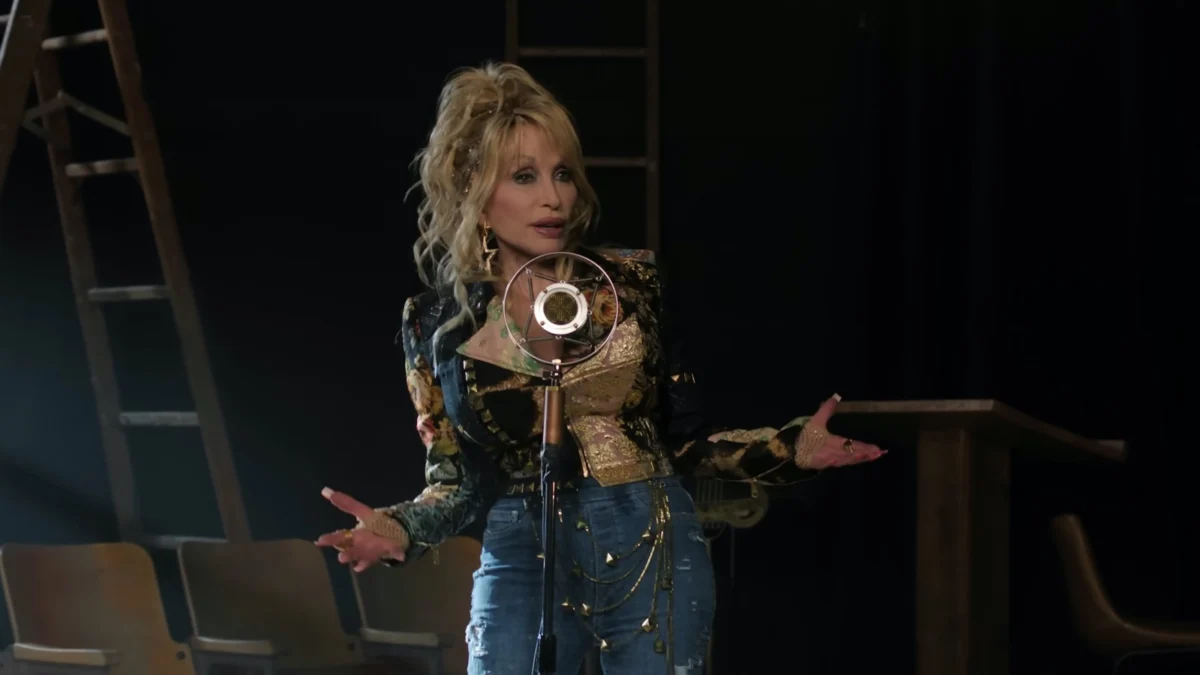
The world is mourning the loss of a cultural titan. Dolly Rebecca Parton Dean, the singer, songwriter, actress, and philanthropist whose influence transcended the boundaries of country music to touch the hearts of millions globally, has died at the age of 80. Her passing marks the conclusion of one of the most storied and beloved careers in the history of American entertainment.
The news was confirmed on August 25 via a poignant video statement posted to Instagram. The announcement was delivered by her nephew, Brian Seaver, who spoke on behalf of the extended Parton and Owens families.
"My name is Brian Seaver, son of Cassie Parton, and I’m representing the Parton and Owens family today announcing the passing of my aunt, Dolly Rebecca Parton Dean," Seaver stated. In a deeply personal revelation, Seaver shared that this somber duty was a request made by the icon herself years prior, long before the reality of her passing had settled upon the family. "This video announcement is something Dolly asked of me years ago, before I fully absorbed it as a future reality," he added.
A Final Act of Resilience
Just days before her passing, on August 21, Parton had offered a candid glimpse into her physical struggles. In an interview with PEOPLE, she acknowledged that she had been grappling with health complications that she had largely sidelined while she served as the primary caregiver for her husband, Carl Dean, who passed away in March 2025.
"As I’ve shared in video messages throughout the past year, I am dealing with some health issues that I just didn’t pay attention to when I was watching over Carl," she admitted. Despite the gravity of her condition, her indomitable spirit remained intact. True to her legendary work ethic, she remained focused on her creative output until the end. "Even though I’m still healin’, I’m still workin’!" she remarked, echoing the sentiment that had defined her seven-decade career. "I’m gonna keep on working as long as I can to see everything come to life."
A Chronology of a Legendary Life
To understand the magnitude of Dolly Parton’s loss, one must look at the trajectory of a girl from the Smoky Mountains who conquered the world.
The Tennessee Roots (1946–1964)
Born on January 19, 1946, in Sevier County, Tennessee, Parton was the fourth of twelve children. Raised in the impoverished, rural landscape of the Great Smoky Mountains, her early life was defined by the music of her church and her family. She began performing on local radio and television stations in East Tennessee while still a child. Upon her graduation from high school in 1964, she wasted no time, moving to Nashville the very next day to pursue her dreams.
The Rise to Stardom (1967–1980)
Parton’s ascent was meteoric. Her debut studio album, Hello, I’m Dolly, was released in 1967, and she quickly became a fixture on the Porter Wagoner Show. Throughout the 1970s, she transitioned from a country music star to a crossover phenomenon. Songs like "Jolene" (1973) and "I Will Always Love You" (1974)—the latter of which would become a global anthem via Whitney Houston’s cover decades later—cemented her status as a songwriting genius.
The Global Icon (1980–2025)
In 1980, Parton solidified her status as a mainstream cultural icon with the hit song and film 9 to 5. She became one of the few artists to achieve success across multiple mediums, including film (Steel Magnolias, The Best Little Whorehouse in Texas), literature, and theme park management with her Dollywood enterprise. By the time of her passing, she had sold more than 160 million records worldwide, earned countless Grammy Awards, and was inducted into the Country Music Hall of Fame.
Supporting Data: The Scale of Her Impact
Dolly Parton was more than a singer; she was a global industry. The data surrounding her career illustrates why she was often referred to as a "national treasure."
- Commercial Reach: With over 160 million records sold, Parton remains one of the best-selling female country artists in history. Her songwriting credits include over 3,000 original songs, a testament to her prolific nature.
- Cultural Longevity: Parton’s music has bridged generations. From her early bluegrass-tinged roots to her modern collaborations with pop and rock artists, her work has remained consistently relevant for over 60 years.
- Philanthropy: Beyond the stage, the Dolly Parton’s Imagination Library—a program she founded to provide free books to children—has gifted over 200 million books worldwide. Her commitment to education and literacy has left a legacy that will outlive her musical recordings.
- The Business of Dolly: From the Dollywood theme park in Pigeon Forge, Tennessee, which attracts millions of visitors annually, to her various production companies, Parton was a shrewd businessperson who maintained ownership of her publishing rights—a rare feat in the music industry.
Official Responses and Public Outpouring
The news of Parton’s death triggered a wave of grief across the globe. From the halls of Nashville to the global stage, tributes began pouring in almost immediately.
The Country Music Association (CMA) released a statement describing her as the "heart and soul of country music." Nashville’s mayor noted that "Dolly Parton was the bridge between our city’s traditional roots and its future as a global cultural capital."
On social media, fellow artists expressed their heartbreak. Fellow country legends and pop stars alike took to platforms like X (formerly Twitter) and Instagram to share memories. One sentiment was universal: while the world has lost an icon, the world is better because she lived in it. Fans gathered at the entrance of Dollywood, leaving flowers and notes in a somber vigil that mirrored the deep personal connection fans felt with the singer, who often treated her audience like family.
The Implications: A Void in Culture
The passing of Dolly Parton leaves a void that is difficult to quantify. Her influence was not limited to her chart-topping hits; it was found in her unwavering advocacy for literacy, her championing of women in the music industry, and her ability to remain authentic in a business that often demands conformity.
The Future of Her Legacy
In the coming years, the focus will shift toward the preservation of her extensive archives and the continued operation of her charitable initiatives. Her family and the representatives of her estate face the monumental task of managing a multi-million-dollar legacy that encompasses everything from master recordings to theme parks.
A Lasting Cultural Shift
Parton was a pioneer in navigating the intersection of "country girl" identity and modern, professional success. She navigated the male-dominated music industry of the 1960s and 70s with a mix of humor, grit, and intelligence, often using her "Dolly" persona as a tool to disarm her critics. Her life serves as a blueprint for future generations of women in music. By owning her brand, her songs, and her image, she taught a generation of artists that artistic integrity and commercial success are not mutually exclusive.
Conclusion: The Girl from the Smoky Mountains
Dolly Parton often said that she wanted to be remembered for her kindness as much as her music. In her final days, even while facing the physical decline that followed her husband’s death, she remained concerned with her work and the people who supported it.
As the sun sets on the life of this Tennessee legend, it is clear that she left behind a world that is brighter than the one she entered. Whether through the lyrics of "I Will Always Love You," the childhood joy brought by her Imagination Library, or the enduring image of a woman who never forgot where she came from, Dolly Parton’s presence will be felt for generations.
She was, as she often called herself, "The Smoky Mountain Songbird." Though the song has ended, the melody remains, etched into the cultural fabric of a nation and the hearts of millions of fans who now mourn the loss of their dearest friend. She asked us to keep working, to keep living, and to keep moving forward. It is a challenge that her family, her fans, and the music industry will surely take to heart as they navigate a world without Dolly.