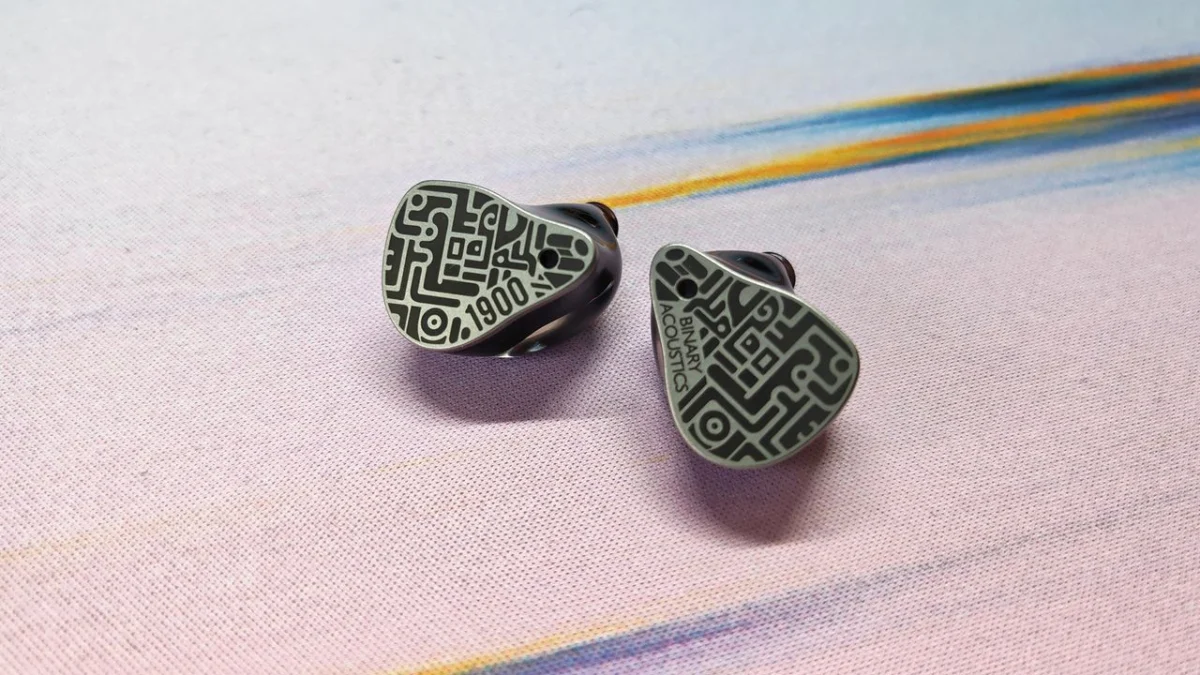
The landscape of In-Ear Monitors (IEMs) is currently undergoing a renaissance. Where once audiophiles were forced to choose between exorbitant "summit-fi" price tags or the disposable quality of entry-level consumer buds, a new tier of high-performance gear has emerged. At the heart of this shift is the Binary Acoustics 1900—a set of earphones that manages to marry industrial elegance with a sophisticated, six-driver hybrid acoustic architecture. Currently retailing with significant discounts, the 1900 is challenging the status quo of the £200–£250 price bracket.
The Main Facts: A Technical Marvel at an Accessible Price
The Binary 1900 is not merely another entry in a crowded market; it is a carefully calibrated piece of audio engineering. Priced at a standard MSRP of £230—and currently available for as low as £218 via Amazon—it occupies a critical "sweet spot" for enthusiasts looking to transition from casual listening to serious audiophile enjoyment.
The core of the 1900’s performance lies in its complex internal configuration. Unlike many competitors that rely on a single driver or simple dual-driver setups, Binary Acoustics has opted for a six-driver hybrid array. This includes:
- A 10mm dynamic driver dedicated to the low-end frequencies.
- A 6mm passive radiator designed to enhance bass texture and decay.
- Four balanced armatures distributed across the mid and high frequencies.
- A precision three-way crossover that ensures seamless integration between these disparate drivers.
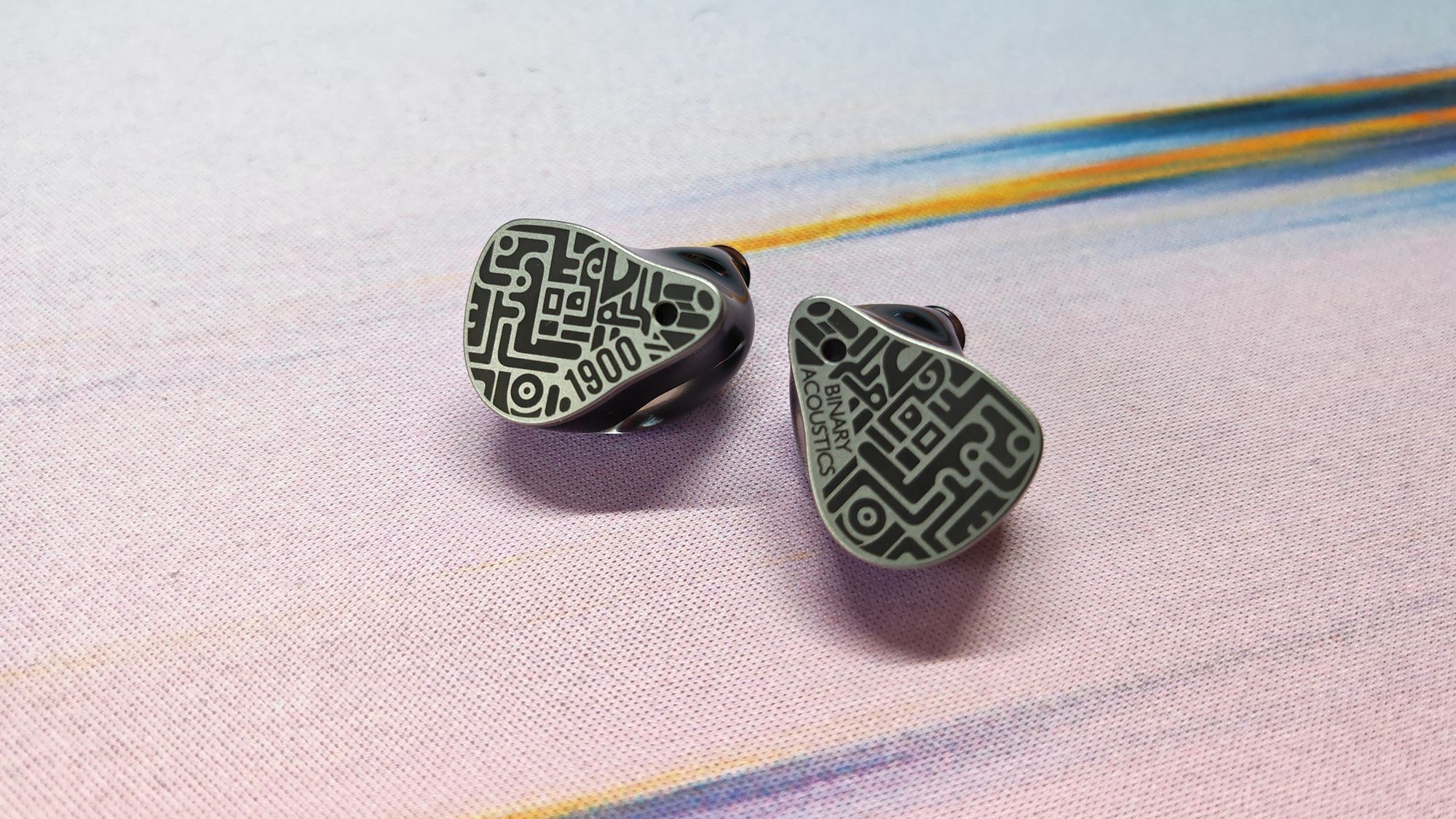
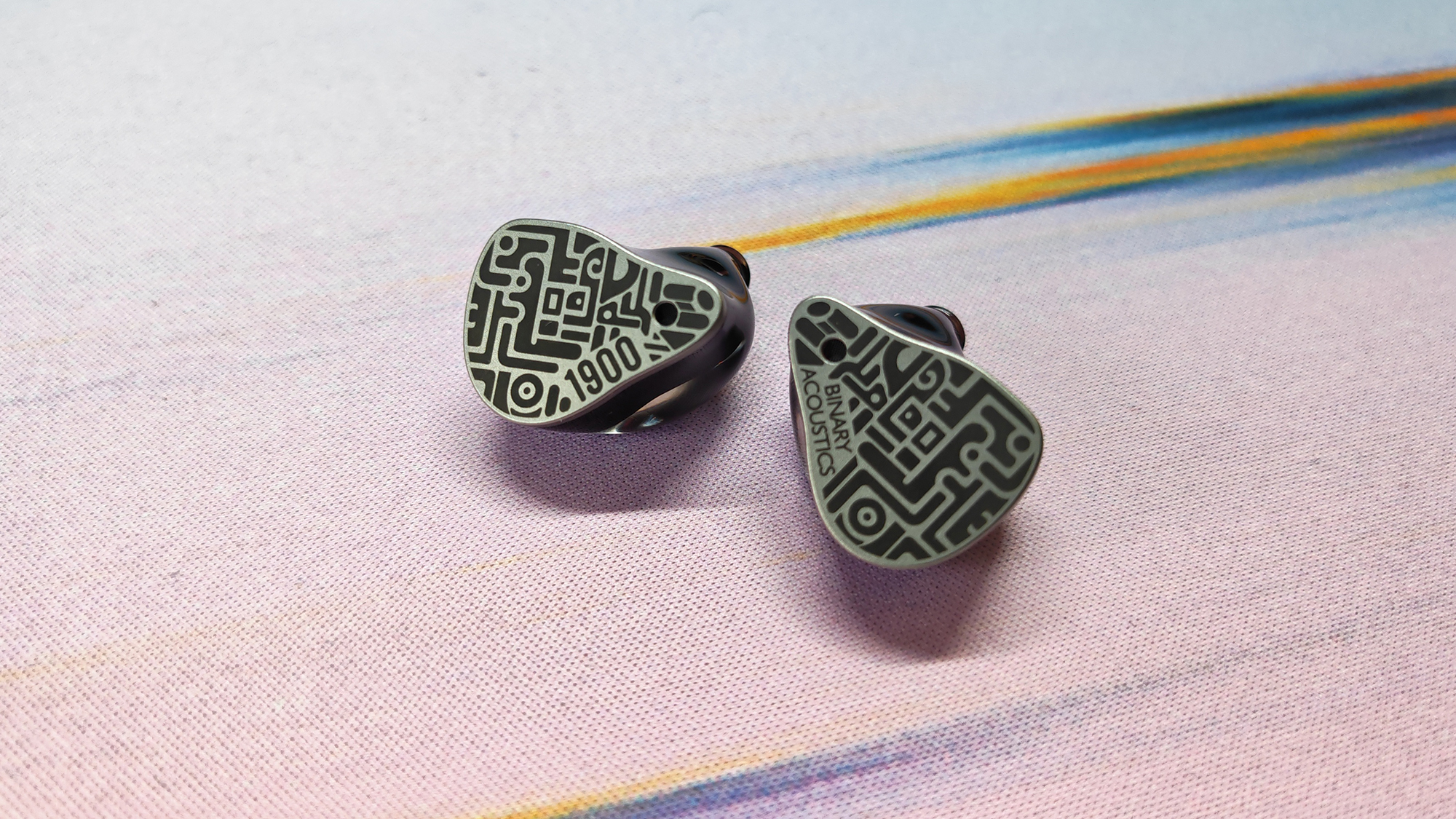
This hardware is housed within a 3D-printed resin shell, capped with stainless steel faceplates that feature a distinct "turn-of-the-century" aesthetic, paying homage to the 1998 film The Legend of 1900.
Chronology: From Concept to Consumer Favorite
The journey of the 1900 began with the brand’s previous success, the Binary Acoustics EP321. Released last year, the EP321 established the company’s reputation for "treble-forward" tuning, prioritizing clarity, airiness, and surgical precision.
Following the critical acclaim of the EP321, Binary Acoustics faced a design challenge: could they maintain the high-fidelity clarity of their debut while introducing a more "musical" and "emotional" sound signature? The development phase for the 1900 focused on balancing the analytical nature of the EP321 with a warmer, more forgiving frequency response. By mid-year, the prototype was finalized, moving away from the clinical "Harman target" tuning favored by many competitors and toward a "sophisticated V-shape" that prioritizes engagement over raw transparency.
Supporting Data: Comparative Analysis and Performance
To understand where the 1900 sits in the market, one must compare it against the current stalwarts of the mid-range sector.
The Tuning Philosophy
The 1900 is characterized by its punchy bass, warm mids, and elevated vocal presence. While it retains the extended treble that made the EP321 popular, the 1900 softens the "bite," making it significantly less fatiguing for long-term listening sessions.
Competitive Benchmarking
| Model | Price (Approx.) | Tuning Style | Primary Strength |
|---|---|---|---|
| Binary 1900 | £218 | Sophisticated V-Shape | Musicality & Bass Texture |
| Truthear Nova | £140 | Strictly Harman | Neutrality |
| Letshuoer Cadenza 4 | £228 | Analytical/Lean | Technical Resolution |
As the data suggests, the 1900 offers a distinct alternative to the Truthear Nova, which focuses on a scientifically neutral Harman curve. While the Nova is excellent for those who want a "studio monitor" sound, the 1900 is geared toward the listener who wants to feel the weight of a cello or the resonance of a vocal track. It is objectively less "stark" than the Letshuoer Cadenza 4, opting for warmth and depth rather than clinical separation.
Design and Ergonomics
The 1900 does not shy away from aesthetic ambition. The 3D-printed resin shells are ergonomically contoured to fit the human ear canal, providing long-term comfort that is often missing in metallic-heavy competitors. The stainless steel faceplate provides a premium touch, though it does add a slight weight that some users may find noticeable during extended sessions.
However, the package is not without its flaws. The included silver-plated cable, while functional, has faced criticism for lacking modular plugs—a feature that has become standard at this price point. For a product marketed toward audiophiles, the inability to easily swap between 3.5mm and balanced 2.5mm/4.4mm terminations without replacing the cable is a notable oversight.
Official Perspectives: The Philosophy of Sound
Binary Acoustics has publicly emphasized that their design philosophy is rooted in "analogue-style" reproduction. In an era where digital signal processing (DSP) can make any cheap driver sound "correct," the team behind the 1900 has opted for physical acoustic tuning.
The inclusion of the 6mm passive radiator is a direct response to the "muddy bass" complaints often associated with multi-driver IEMs. By offloading the sub-bass pressure to a passive element, the dynamic driver remains free to handle the mid-bass punch, resulting in a cleaner, more textured low end that does not bleed into the midrange frequencies. This design choice is aimed at purists who demand speed and impact without sacrificing vocal clarity.
Implications for the Market
The emergence of the Binary 1900 signals a broader trend in the high-fidelity audio market: the "democratization of premium sound."
- Price-to-Performance Disruption: At ~£218, the 1900 performs at a level that would have commanded £500+ only five years ago. This puts immense pressure on established heritage brands to justify their higher price points.
- The Shift Toward Musicality: The success of the 1900 indicates that consumers are tiring of the "clinical" trend. There is a growing appetite for gear that prioritizes emotional resonance and "fun" over strictly flat frequency response curves.
- The Accessory Gap: The criticism regarding the 1900’s non-modular cable suggests that the market has matured. Consumers are no longer just buying sound; they are buying the entire experience, including build quality, cable modularity, and aesthetic presentation.
Conclusion: Is the 1900 Right for You?
For the listener who prioritizes a rich, lush soundstage and textured, physical bass, the Binary 1900 is a formidable contender. It avoids the fatigue of over-emphasized treble, instead offering a smooth, detailed, and highly engaging performance that breathes life into complex recordings.
While it faces stiff competition from analytical rivals, its ability to inject emotion into music sets it apart. It is not merely a piece of technology; it is a carefully considered instrument for those who view listening as an active, rather than passive, pursuit. Despite the minor grievance regarding the fixed cable, the sound quality on offer for under £220 makes the Binary 1900 one of the most compelling value propositions in the current high-fidelity landscape. Whether you are a long-time audiophile looking for a daily driver or an enthusiast seeking an upgrade, the 1900 demands an audition.