Jia Lissa
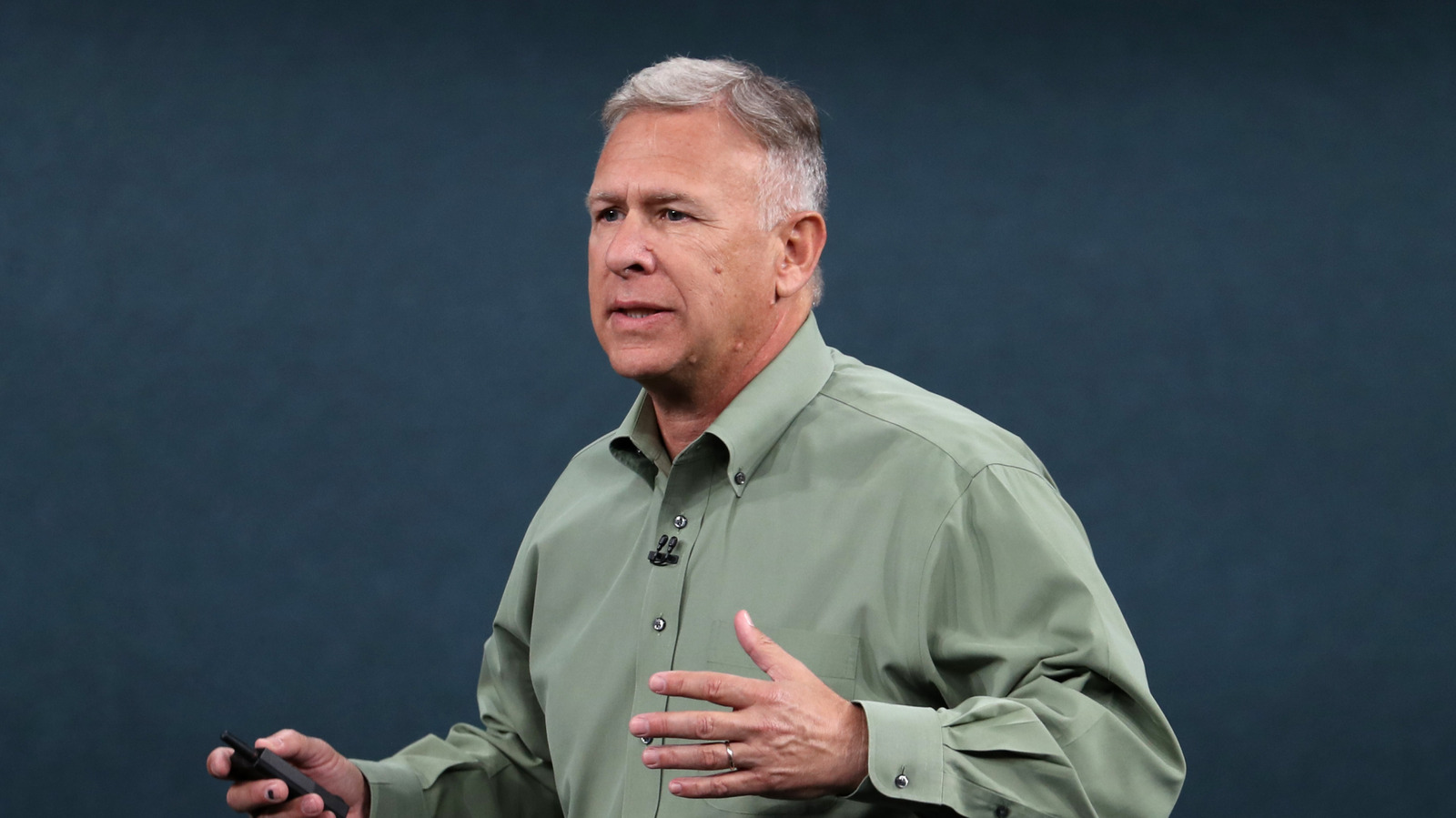
In a period of profound transition for Apple, the company is witnessing more than just a change in its highest office. Following the landmark announcement that John Ternus is set to succeed Tim Cook as CEO, the tech giant is undergoing a significant reconfiguration of its leadership hierarchy. Phil Schiller, a figure synonymous with Apple’s rise to global dominance, has reportedly stepped down from his role overseeing the App Store and the company’s high-profile product launch events.
According to reports from Bloomberg, Schiller will remain with the company in his capacity as an Apple Fellow, a prestigious title he assumed in 2020. In this advisory role, he will focus on "unspecified initiatives," signaling a move away from the day-to-day operational pressures of running the world’s most scrutinized digital marketplace and orchestrating the company’s iconic keynote presentations.
The End of an Era: The Schiller Legacy
To understand the magnitude of this departure, one must look at the trajectory of Apple over the last three decades. Phil Schiller was not merely an executive; he was a foundational architect of the modern Apple ecosystem. Joining the company in 1987, Schiller became one of the most recognizable faces of the brand, standing alongside Steve Jobs during the pivotal product unveilings that defined the 21st century.
From the introduction of the iMac and the iPod to the monumental launch of the original iPhone in 2007, Schiller was the personification of Apple’s marketing prowess. He possessed an uncanny ability to translate complex technical specifications into the "must-have" features that captured the public imagination. His transition out of the marketing department in 2020 was the first sign of a gradual withdrawal, but his continued grip on the App Store—a multi-billion dollar juggernaut—kept him at the epicenter of Apple’s business strategy.
Chronology: A Career of Constant Evolution
The shift in Schiller’s responsibilities is the culmination of years of internal movement. His tenure can be categorized into several distinct phases:
- The Growth Years (1997–2010): Following Steve Jobs’ return to Apple, Schiller emerged as the primary "voice" of the company’s hardware launches. He was instrumental in defining the user experience that separated Apple from its competitors.
- The App Store Era (2015–2020): Taking over the App Store from Eddy Cue in 2015, Schiller inherited a platform that was growing from a digital novelty into the primary economic engine for millions of developers.
- The Regulatory Firestorm (2020–2024): As the face of the App Store, Schiller became the primary point of contact for regulators and the target of litigation. His role became increasingly defensive, managing the fallout of the Epic Games v. Apple litigation and the global push for antitrust compliance.
- The Transition (2024–Present): With the appointment of John Ternus as the incoming CEO, the company has begun a "generational reset." Schiller’s move to an advisory "Fellow" position reflects a broader effort to empower a new cohort of leadership.
The App Store: A Mandate for Change
The App Store has arguably become Apple’s most controversial asset under Schiller’s leadership. Charged with maintaining the "walled garden" that Apple prides itself on, Schiller was the architect of policies that drew the ire of developers and international regulators alike.
Under his guidance, the company navigated the transition from a flat 30% commission model to more nuanced structures, including the Small Business Program, which lowered fees to 15% for smaller developers. However, these changes were often reactive, stemming from the intense legal pressure exerted by entities like Epic Games and the European Union’s Digital Markets Act (DMA).
By handing the reins back to Eddy Cue—who now oversees the entirety of the Services division—Apple is signaling a desire to unify its digital offerings. Cue, a veteran of Apple’s content and services expansion, is expected to bring a more streamlined approach to the App Store, potentially integrating it more deeply into the broader Services ecosystem that includes iCloud, Apple Music, and Apple TV+.
New Leadership: The Next Generation
While the macro-structure shifts to Eddy Cue, the day-to-day operations of the App Store are moving to Carson Oliver. Oliver, one of Schiller’s most trusted deputies, has been groomed for this role for several years. His appointment suggests that Apple intends to maintain institutional continuity while pivoting away from the specific policy battles that defined the latter half of Schiller’s tenure.
The team reporting to Oliver will include Ann Thai, who will continue her focus on app distribution tools and third-party marketplaces—a critical area as Apple adjusts to the requirements of the European Union. Furthermore, the inclusion of Alex Rofman, the head of Apple Arcade, into this reporting structure indicates that the App Store is moving toward a more integrated, service-oriented model.
On the events front, Nola Weinstein is stepping into the void left by Schiller. As the new lead for Apple’s product launches, Weinstein takes on the mantle of arguably the most important stage in the tech industry. Her first major test will be the September 9th event, where the stakes are particularly high. Market analysts expect the debut of the iPhone 18 Pro, new Apple Watch iterations, and the highly anticipated, first-ever foldable iPhone. Managing these high-profile unveilings requires a delicate balance of marketing polish and technical clarity—a hallmark of the "Schiller style" that Weinstein will now need to emulate or evolve.
Implications: A Strategic Pivot
The departure of a figure as influential as Phil Schiller is rarely a coincidence in corporate timing. It reflects three major strategic pivots for Apple under its new leadership:
- De-escalation of Conflict: By removing the executive most closely associated with the aggressive defense of App Store policies, Apple may be attempting to signal a "clean slate" to regulators in the U.S. and Europe.
- Streamlining Services: Bringing the App Store under Eddy Cue’s unified services umbrella suggests that Apple views software and services as a singular growth engine rather than a collection of disparate silos.
- Preparing for a Post-Cook Era: As John Ternus prepares to take the helm, the company is clearly undergoing a "brain dump" process. By moving veterans like Schiller into "Fellow" roles, the company ensures that their institutional knowledge remains accessible while allowing younger leaders to make the tough decisions necessary for the next decade of growth.
The Road Ahead
The upcoming September event will serve as a bellwether for the new guard at Apple. While the products on display—particularly the foldable iPhone—will dominate the headlines, the invisible story remains the change in command behind the scenes.
Phil Schiller’s legacy is secure; he helped steer Apple from the brink of bankruptcy to a multi-trillion-dollar enterprise. However, the tech landscape has shifted toward a more open, regulated, and service-heavy environment. Whether the new leadership team can maintain the brand’s premium status while navigating the increasingly complex regulatory and competitive pressures of the 2020s remains the defining question of this transition.
As Apple moves forward, the "unspecified initiatives" that Schiller will work on remain a mystery. But given his history of involvement in everything from the iPod to the App Store’s complex policy frameworks, it is likely that his influence will be felt in Apple’s future for years to come, even if he is no longer standing in the spotlight of the keynote stage.

 Azzam Bilal Chamdy
 Laily UPN