

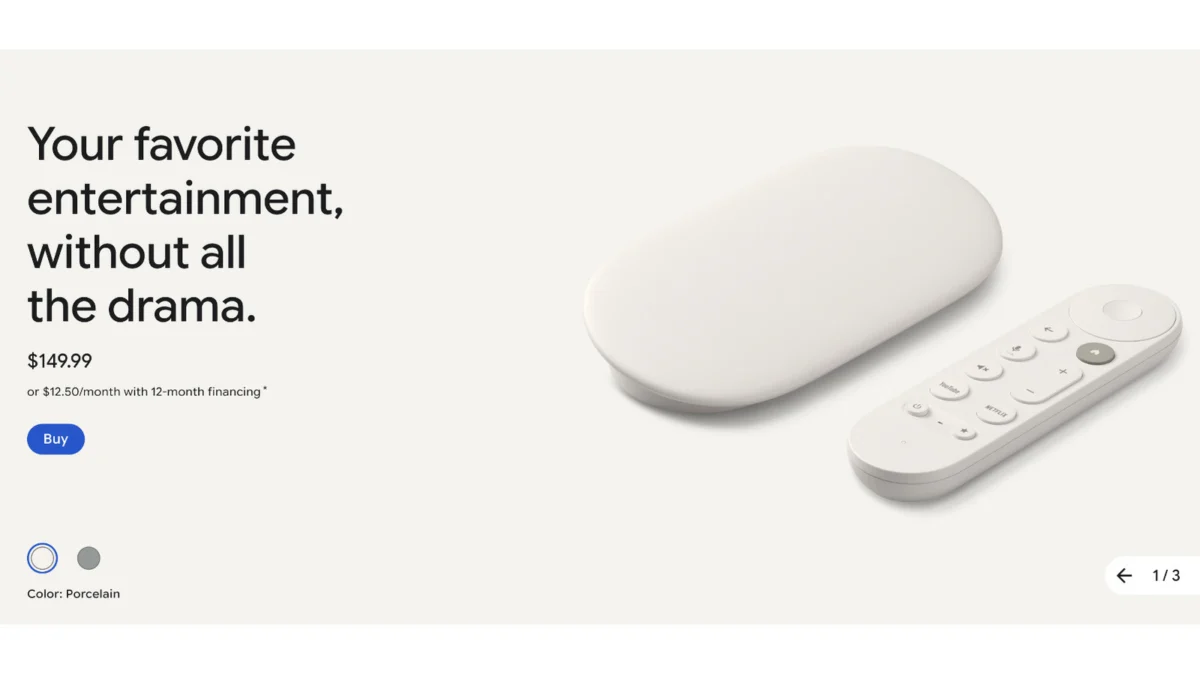
In an unexpected move that has rippled through the consumer electronics market, Google has quietly implemented a significant price increase for its flagship streaming device, the Google TV Streamer. The device, which serves as the direct successor to the long-standing Chromecast line, has seen its retail price jump from $100 to $150—a substantial 50 percent hike that positions the hardware in a much more competitive and premium tier of the living room ecosystem.
While Google has remained characteristically tight-lipped regarding the sudden adjustment, the move has triggered widespread speculation among tech analysts and consumers alike. As of now, the new pricing is reflected across Google’s official online storefront and major third-party retailers such as Best Buy. However, savvy shoppers may still find a window of opportunity to purchase the device at its original launch price via Amazon, though industry experts suggest that this price parity is likely temporary.
The Evolution of the Google TV Streamer
To understand the weight of this price adjustment, one must look at the device’s role in Google’s broader strategy. In 2024, Google made the controversial decision to sunset the iconic Chromecast brand, a product line that had democratized streaming for over a decade. The Google TV Streamer was introduced not merely as a replacement, but as an evolution.
At its $100 launch price, the Streamer was already a polarizing product. It was twice as expensive as the 4K Chromecast it replaced, signaling Google’s intent to pivot toward a more "premium" hardware experience. The device was designed to be more than just a media player; it functions as a central hub for smart home management, integrating Google Home controls and Thread border router capabilities, effectively acting as a bridge between high-definition entertainment and domestic automation.
Chronology of a Quiet Rollout
The transition to the new pricing structure appears to have been executed with minimal fanfare, a strategy often employed by tech giants to mitigate immediate public relations backlash.
- 2024 Launch: Google introduces the Google TV Streamer at a $100 MSRP, replacing the Chromecast 4K.
- Late 2026: The device earns accolades as the "best all-in-one streaming device" from major tech publications, praised for its snappy interface and expanded storage.
- August 31, 2026: Observers, led by reporting from 9to5Google, notice that the official Google Store and major retailers like Best Buy have updated the product page to reflect a $150 price tag.
- Current Status: As of this writing, Amazon maintains the original $100 price point, though the market expects this to be an inventory-clearing event before the platform aligns with Google’s new pricing strategy.
Supporting Data: Hardware Capabilities and Value Proposition
The Google TV Streamer’s appeal has largely rested on its robust technical specifications. Unlike its predecessors, which were often criticized for limited storage and occasional performance lag, the Streamer addressed these pain points directly.
Key hardware highlights include:
- Storage and Memory: The device features 32GB of internal storage, a significant jump from the previous standard, allowing for a more extensive library of apps and cached media. With 4GB of RAM, the user interface remains fluid even when multitasking between streaming apps and smart home dashboards.
- Visual and Audio Fidelity: It supports 4K resolution at 60 frames per second, ensuring smooth playback. The device is also a powerhouse for home cinema enthusiasts, offering comprehensive support for HDR, HDR10, HDR10+, and Dolby Vision. On the audio front, it handles Dolby Digital and Dolby Atmos, and includes a seamless integration for spatial audio when paired with Pixel Buds Pro.
- The "All-in-One" Edge: By acting as a Thread and Matter-enabled smart home hub, the Streamer offers utility that traditional "dumb" streaming sticks do not. It essentially functions as a mini-server for one’s local network, a feature that justified the initial $100 price point for many early adopters.
However, at $150, the value proposition shifts dramatically. At this price point, the Google TV Streamer enters a territory populated by the Apple TV 4K, which has long set the gold standard for premium streaming hardware. The comparison is no longer between an affordable upgrade and a budget dongle, but between two high-end, ecosystem-dependent platforms.
Implications of the Industry-Wide RAM Crunch
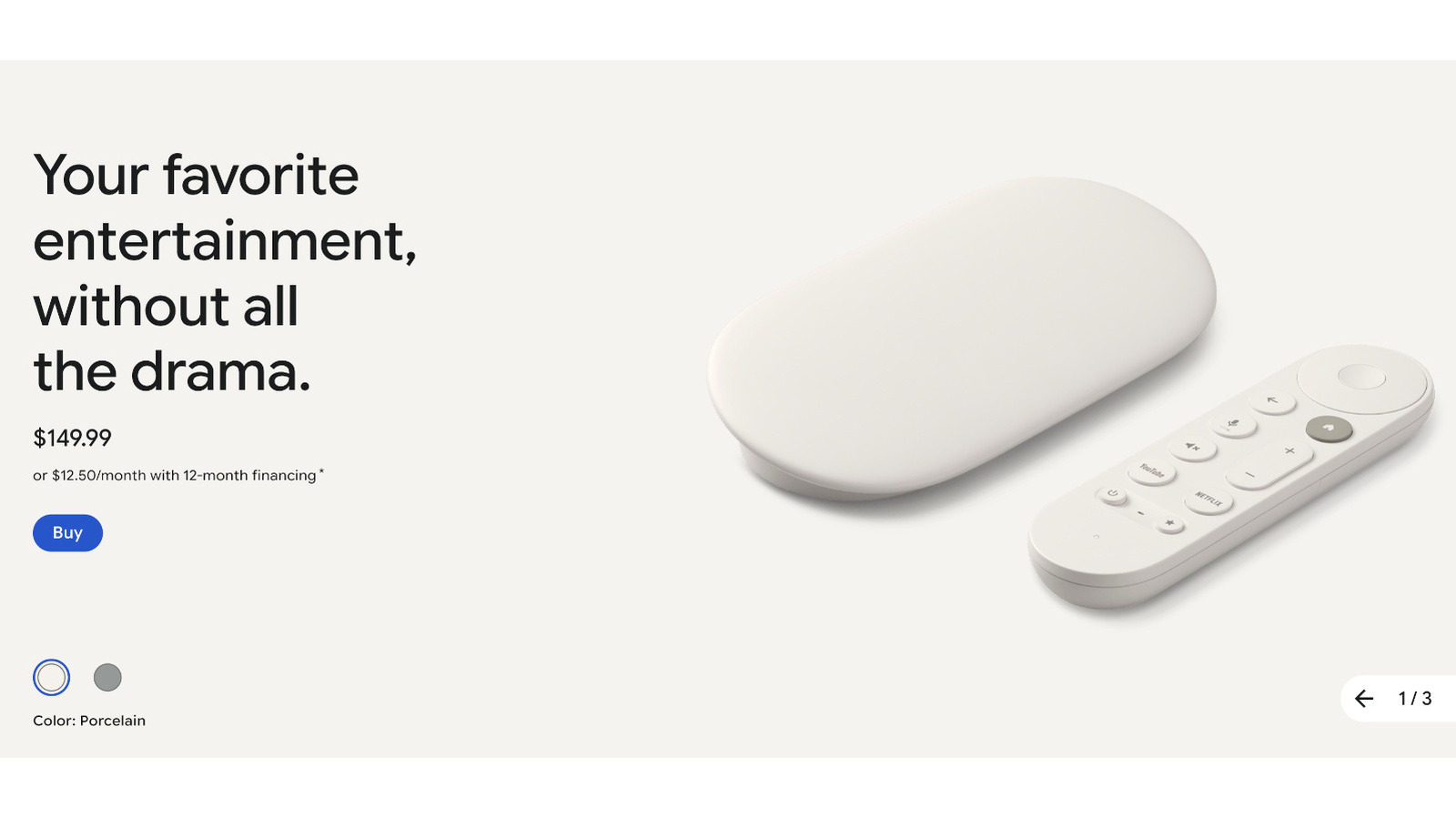
While Google has offered no official explanation for the price hike, industry analysts point to a significant macroeconomic factor: the global scarcity and rising cost of DRAM.
The rise of Generative AI has fundamentally altered the semiconductor landscape. Large-scale AI model training and inference require massive quantities of high-speed memory. Consequently, AI-focused hardware companies have been aggressively securing supply chains, effectively monopolizing the world’s RAM production capacity. This has created a ripple effect, forcing consumer electronics manufacturers to either absorb the costs—thereby shrinking their margins—or pass the costs onto the consumer.
If the $50 increase is indeed tied to component costs, it serves as a harbinger for the rest of the tech industry. We may see similar, unannounced price adjustments across a range of consumer gadgets, from tablets to smart home appliances, as the "AI tax" continues to manifest in retail prices.
Official Responses and Market Reaction
As of the latest reports, Google has maintained a policy of silence regarding the change. When contacted for comment, representatives have generally deferred to standard statements regarding market fluctuations and internal pricing strategies.
This silence has left a void that the tech community is currently filling with speculation. There is no indication that the hardware itself has been updated or "revised" to justify a 50 percent increase in manufacturing costs. This implies that the hike is purely a pricing strategy adjustment, potentially designed to position the device as a higher-end product to better compete with Apple, or perhaps to compensate for the R&D costs of the device’s advanced AI-integrated interface.
What This Means for the Consumer
For those who have been waiting to purchase the Google TV Streamer, the current situation presents a classic "buy now or regret later" dilemma.
- The Amazon Opportunity: Retailers like Amazon are often slower to update their pricing models compared to official brand stores. If a consumer is determined to acquire the device at its original price, the remaining stock at current retailers represents a final chance to save $50.
- Re-evaluating the Market: At $150, the device must be judged against a new tier of competition. Consumers should consider whether the smart home integration and the Google ecosystem are worth the premium compared to the Apple TV 4K, which remains at a similar price point but offers a more mature app ecosystem and arguably superior long-term software support.
- The Wait-and-See Approach: For those not in an immediate rush, it may be prudent to wait for the next major retail holiday (such as Black Friday or Cyber Monday). Even if the base price has increased, the retail sector is prone to aggressive discounting. The new $150 price may simply become the new "MSRP," with frequent sales bringing it closer to the original $100 price point.
Ultimately, the Google TV Streamer remains an excellent piece of hardware. Its performance, storage capacity, and ecosystem integration are top-tier. However, the sudden 50 percent price hike is a stark reminder of how volatile the hardware market has become in the age of AI. Whether this is a calculated branding move or a necessity driven by component supply chain pressures, it signals that the era of inexpensive, high-performance streaming devices may be drawing to a close.
Consumers are advised to keep a close eye on retail listings and official announcements from Google in the coming weeks, as the dust settles on this significant market shift. As the industry continues to navigate the complexities of global supply chains and the massive hardware requirements of the AI revolution, price stability in consumer technology is likely to become an increasingly rare commodity.











