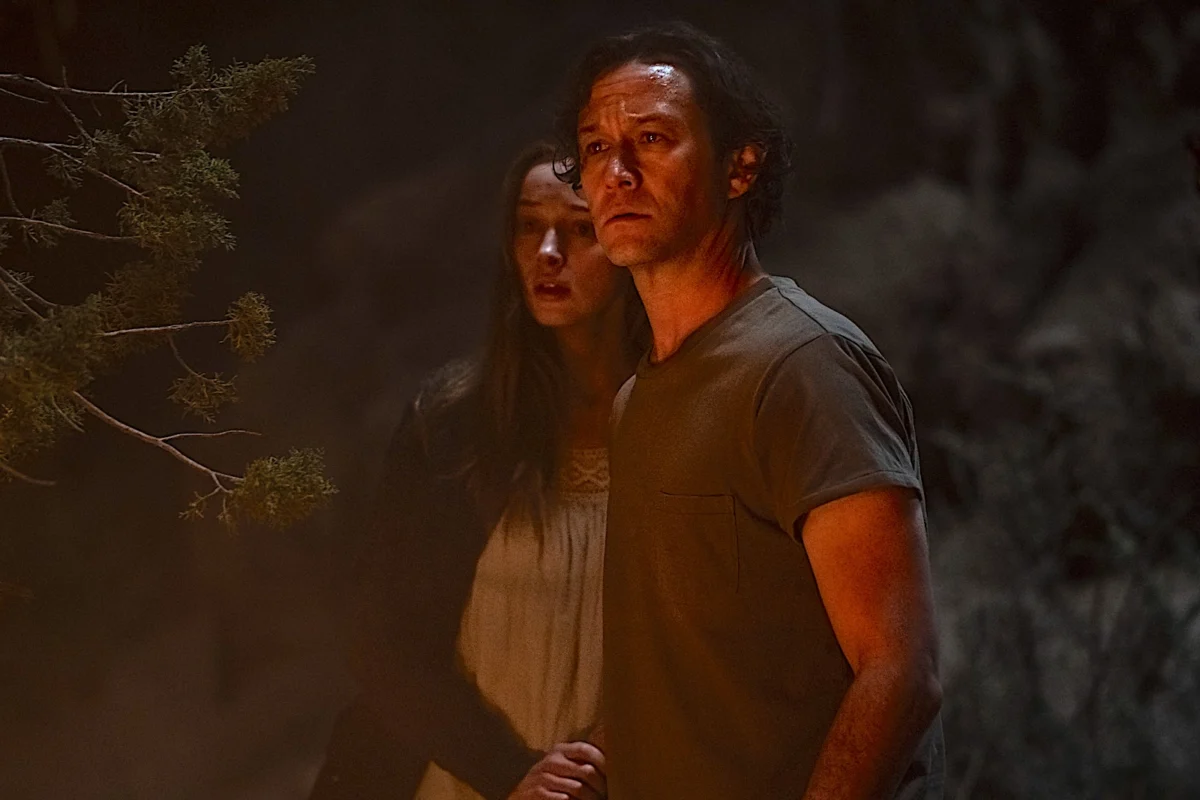
The cinematic landscape is bracing for a profound shift as the first official trailer for Pendulum—the directorial debut of acclaimed screenwriter Mark Heyman—makes its chilling arrival. Known for his unsettling, psychological mastery in scripts like Darren Aronofsky’s Black Swan and the recent reimagining of The Boogeyman, Heyman has finally stepped behind the camera to helm what industry insiders are already describing as one of the most disturbing, atmospheric, and technically precise horror films of the decade.
Slated for a New Year’s Day release on January 1, 2027, Pendulum promises to be more than a mere jump-scare vehicle. It is a calculated, slow-burn descent into the fragile architecture of the human mind, anchored by a powerhouse ensemble cast including Joseph Gordon-Levitt, Phoebe Dynevor, Jacki Weaver, Anna Deavere Smith, Jena Malone, and Norman Reedus.
The Core Narrative: A Retreat into Darkness
At the heart of the film lies a story of grief, manipulation, and the thin, often invisible line between spiritual transcendence and psychological collapse. The synopsis follows a married couple, Patrick (Joseph Gordon-Levitt) and Abigail (Phoebe Dynevor), who are attempting to mend their fractured relationship in the wake of a devastating, unnamed traumatic event.
Seeking solace, they travel to a secluded, new-age retreat nestled deep within the stark, isolating landscapes of New Mexico. While Patrick is initially driven by a protective, if somewhat desperate, desire to heal his wife, he quickly becomes the primary skeptic. He grows increasingly wary of the retreat’s enigmatic leader, played with chilling, understated authority by Jacki Weaver. As the narrative progresses, Abigail finds herself drawn into the group’s intense spiritual practices, leaving Patrick isolated in his growing paranoia. The central question the film poses—and leaves tantalizingly unanswered—is whether the group’s practices are unlocking genuine, transformative healing, or if they are merely a front for a sinister force that threatens to consume the couple entirely.
Chronology of the Project: From Script to Screen
The journey of Pendulum has been one of meticulous development and intentional secrecy. Mark Heyman, who solidified his reputation in the horror genre through his collaboration with Darren Aronofsky, began drafting the project with a specific, deeply personal vision.
- 2023: The Conception: Heyman began outlining the script, drawing heavily from "family lore" and his own upbringing in New Mexico. The desert environment was always intended to be a character in itself—a place of vast, unforgiving beauty that mirrors the internal isolation of the protagonists.
- 2025: Assembly of Talent: The casting process was highly competitive, with industry heavyweights drawn to the script’s tight, claustrophobic pacing. The final ensemble was finalized by the summer of 2025, bringing together a mix of seasoned veterans and contemporary stars.
- 2026: Principal Photography: Filming took place on location in the high deserts of New Mexico. The production team utilized the natural, harsh light and the surreal, sweeping vistas of the region to create an aesthetic that feels both grounded in reality and uncomfortably otherworldly.
- Late 2026: Post-Production and Marketing: With Darren Aronofsky attached as a producer, the film benefited from a distinct, high-concept approach to its marketing, emphasizing the ambiguity of the "supernatural vs. psychological" debate.
- January 1, 2027: The Wide Release: The film is scheduled to hit theaters globally, positioning itself as a "freaky head trip" to start the new year.
Supporting Data: Why ‘Pendulum’ Commands Attention
The anticipation surrounding Pendulum is not merely hype; it is rooted in the proven track records of its primary creators. Heyman’s work on Black Swan (2010) was instrumental in the film’s critical success, earning an Academy Award nomination for Best Picture and cementing his ability to weave high-tension psychological trauma into a cohesive, horrifying narrative.
Furthermore, the involvement of Darren Aronofsky as a producer signals a specific stylistic commitment. Aronofsky’s own filmography—ranging from the surrealist horror of mother! to the visceral despair of Requiem for a Dream—shares a common DNA with the themes presented in Pendulum. By leveraging a budget that allows for high-end practical effects and immersive sound design, the production aims to move away from the current trend of over-reliance on CGI, favoring a visceral, tactile experience that mimics the unpredictability of a "pendulum" swinging between reality and hallucination.
The cast selection also provides a strong indicator of the film’s quality. Joseph Gordon-Levitt’s return to a more intense, dramatic horror role is a major draw, while Phoebe Dynevor, fresh off her meteoric rise in television, is expected to provide the film’s emotional anchor. The presence of character actors like Jacki Weaver and Anna Deavere Smith adds a layer of prestige, suggesting a script that demands significant dramatic range rather than simple "scream queen" tropes.
Official Responses and Creative Intent
In a rare statement regarding the film’s production, Mark Heyman offered insight into the inspirations behind Pendulum. "This movie is deeply personal," Heyman noted. "It is inspired by my family lore, and shooting it in New Mexico, where I grew up and the real events took place, elevated every scene and made it all the more surreal."
Heyman’s comments emphasize the dual nature of the horror on display. By grounding the narrative in "real events" while simultaneously creating a film that explores the "surreal," he is inviting audiences to scrutinize the reality of the onscreen events. Is Patrick’s descent into paranoia a logical reaction to a cult-like environment, or is it a symptom of a mind breaking under the weight of his own trauma?
The studio’s decision to release the film on New Year’s Day is a calculated risk. Traditionally, early January is a quiet period for major studio releases. However, by positioning Pendulum as a "freaky head trip," the marketing team is targeting an audience that is perhaps tired of the standard "feel-good" holiday fare and looking for a more intense, provocative cinematic experience.
Implications for the Genre
Pendulum arrives at a pivotal moment in the horror genre. The "elevated horror" movement—films that prioritize theme, character, and atmosphere over traditional jump scares—has dominated the discourse for the past several years. Pendulum appears to be a natural successor to this lineage, yet it seeks to push the boundaries by blending the cult-horror subgenre with the psychological thriller.
If Pendulum succeeds, it will likely confirm that audiences have a voracious appetite for horror that respects their intelligence—films that allow for ambiguity and demand multiple viewings to parse the truth. The implications for the industry are clear: the success of a film like this could pave the way for more mid-budget, director-driven horror projects that focus on localized, specific, and "personal" stories rather than sprawling, franchise-heavy IP.
Moreover, the film’s exploration of "healing" as a mechanism for horror is a timely critique of modern wellness culture. By placing a couple in a new-age, potentially predatory environment, Heyman taps into the collective anxiety regarding the search for meaning and the vulnerability of those in pain.
Final Reflections
As the release date of January 1, 2027, draws closer, the cultural conversation surrounding Pendulum is only expected to intensify. The trailer, which masterfully obscures whether the terror is supernatural or psychological, has already ignited fierce debate on social media. Is the "terrifying truth" that threatens the couple something that exists in the physical world of the retreat, or is it the inevitable outcome of their own unresolved trauma?
Mark Heyman has crafted a film that asks the audience to look past the surface and into the dark, rhythmic swing of the pendulum. Whether it leaves viewers satisfied or deeply unsettled remains to be seen, but one thing is certain: Pendulum is poised to be the first significant, and likely most debated, film event of the new year. For those who enjoy the feeling of being truly, existentially disturbed, the wait is almost over.