

By Industry Correspondent
In a landmark display of international unity, the Motion Picture Association (MPA) solidified its role as the global steward of the creative economy this week by signing two pivotal declarations at the prestigious Lumière Summit. The event, which convened world leaders and industry titans, underscored the increasingly borderless nature of the entertainment industry and the urgent necessity for unified legal frameworks to protect the lifeblood of that industry: intellectual property.
Co-chaired by French President Emmanuel Macron and South Korean President Lee Jae-myung, the summit served as a strategic nexus for cross-cultural cooperation, focusing on the future of cinematic storytelling and the existential threat posed by digital piracy. For the MPA—representing the world’s most iconic studios including Netflix, Paramount Pictures, Prime Video and Amazon MGM Studios, Sony Pictures, Universal Studios, The Walt Disney Studios, and Warner Bros. Discovery—the summit was not merely ceremonial; it was a high-level operational engagement designed to bridge the gap between creative ambition and regulatory reality.
The Core Commitments: Two Declarations for a New Era
The centerpiece of the MPA’s involvement was the formal endorsement of two foundational documents: the Lumière Declaration on the Future of Cinema and the Moving Image and the Declaration on Strengthened International Cooperation in the Fight Against Film and Audiovisual Piracy.
The Future of Cinema
The Lumière Declaration serves as a modern manifesto for the medium. It acknowledges that while technology has revolutionized how stories are consumed—from the flicker of the silent era to the high-definition streaming era—the fundamental value of the motion picture remains a pillar of global culture. By signing this, the MPA and its international partners have pledged to foster environments that encourage investment in film, protect cultural diversity in storytelling, and ensure that the cinematic experience remains accessible to global audiences.
The War on Piracy
Perhaps more critical to the economic health of the industry is the Declaration on Strengthened International Cooperation in the Fight Against Film and Audiovisual Piracy. This agreement marks a shift from reactive, localized enforcement to a proactive, globalized strategy. Recognizing that piracy is no longer a localized nuisance but a sophisticated, cross-border criminal enterprise, the signatories have committed to sharing intelligence, harmonizing legal standards, and pressuring illicit streaming platforms that undermine the livelihoods of millions of creative professionals.
Chronology of the Summit: A Diplomatic and Industrial Strategy
The summit’s schedule was meticulously engineered to facilitate direct dialogue between the private sector and heads of state.
Monday Morning: High-Level Roundtables
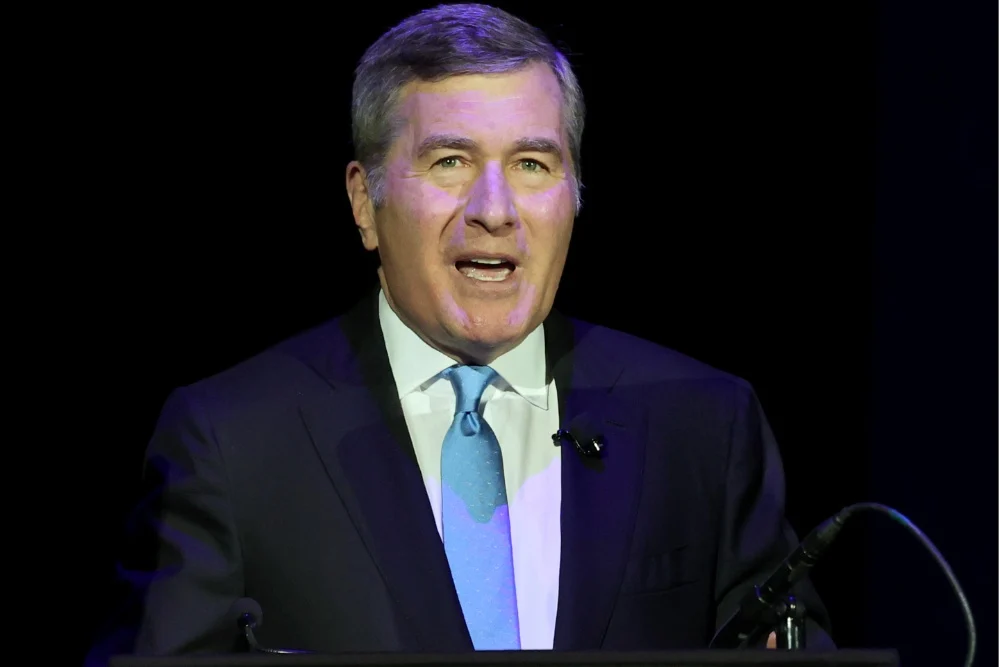
The day commenced with private business roundtables. MPA Chairman and CEO Charles Rivkin engaged in a bilateral session with President Lee Jae-myung. The discussion focused on the symbiotic relationship between Hollywood and the burgeoning South Korean creative sector. As Korea has solidified its position as a global cultural powerhouse, the MPA’s interest lies in ensuring that the market remains open, fair, and protected from intellectual property infringement.
Monday Midday: Strategic Alliances with France
Following the Korean session, Rivkin pivoted to a roundtable with President Emmanuel Macron. This meeting centered on the European landscape, specifically the future of French-American collaboration. France, a nation that prides itself on its "cultural exception," remains a vital partner for the MPA. The conversation highlighted opportunities to streamline production pipelines and strengthen ties between French creative talent and American studio infrastructure.
Monday Afternoon: Addressing the Global Audience
The afternoon sessions shifted toward broader industry panels. Emilie Anthonis, President and Managing Director of the MPA’s EMEA (Europe, Middle East, and Africa) region, took center stage to discuss the "race against piracy." Her participation signaled the MPA’s commitment to addressing the practical, technical, and legal challenges inherent in tracking digital content theft across continents.
Supporting Data: The Economic Imperative
To understand why the MPA’s involvement in these declarations is essential, one must look at the economic data surrounding the creative industries. The film and television sector is a massive engine of job creation, contributing hundreds of billions of dollars to the global GDP.
- The Scale of Piracy: According to recent estimates from the Alliance for Creativity and Entertainment (ACE)—the global coalition spearheaded by the MPA—digital piracy results in billions of dollars in lost revenue annually. This is not just a loss for shareholders; it represents lost wages for thousands of craftspeople, from lighting technicians and costume designers to visual effects artists and sound engineers.
- The Rise of Korea: South Korea’s export of culture, dubbed the "Hallyu" or "Korean Wave," has transformed the global media market. The engagement between the MPA and President Lee reflects the reality that the world’s largest entertainment market (the U.S.) and one of the world’s fastest-growing creative hubs (Korea) are now inextricably linked.
- Investment Flows: The MPA member studios are currently investing tens of billions of dollars annually in content production globally. This investment acts as a catalyst for local economies, fostering job growth and infrastructure development in countries that prioritize robust copyright protections.
Official Responses: The Philosophy of Connection
The tone set by leadership at the summit was one of optimism tempered by realism. Addressing the assembly, Charles Rivkin emphasized the human element of the industry.
"Our industry is fueled by a simple proposition: audiences love great stories, well told," Rivkin stated during his keynote address. "From the U.S. to France to Korea and beyond, we each have a stake in ensuring that our industry remains a force for openness, a source of investment, and a driver of jobs, growth, and opportunity. This summit proved a vital forum to translate that common ground into greater cooperation."
Emilie Anthonis echoed these sentiments, specifically regarding the anti-piracy efforts. She praised the summit for acknowledging that "protecting intellectual property and fighting piracy are fundamental to sustaining the creative economy." For Anthonis, the goal is clear: by aligning international legal frameworks, the industry can stifle the illegal syndicates that prioritize theft over innovation.
Implications: A New Roadmap for the Creative Economy
The signing of these declarations carries profound implications for the future of the entertainment industry.
1. Unified Regulatory Enforcement
The most immediate implication is the potential for enhanced cooperation between international law enforcement agencies. By signing the anti-piracy declaration, participating nations are signaling that they will treat intellectual property theft as a serious crime, potentially leading to more aggressive prosecution of the criminal networks that host illegal streaming sites.
2. Market Stability and Investment Confidence
For studios, the commitment from leaders like Presidents Macron and Lee provides a layer of stability. Knowing that there is a high-level, multi-national consensus on the value of copyright gives studios the confidence to pour resources into international co-productions and regional hubs, knowing their assets will be protected by local governments.
3. Strengthening the "Cultural Exception"
The collaboration with France highlights a shift in the debate regarding cultural protectionism. Rather than seeing American studio investment as a threat, the summit suggests that European and American entities are finding common ground. By working together, they can ensure that local stories are preserved while the global industry continues to scale.
4. The Future of Content Distribution
Finally, these declarations hint at a more coordinated approach to global content delivery. As streaming platforms become the primary mode of consumption, the ability to protect content from the moment of release—simultaneously, across all time zones—is paramount. The agreements signed at the Lumière Summit provide the political backbone for the technical solutions that the MPA and ACE are currently developing.
Conclusion
The Lumière Summit has effectively drawn a line in the sand. It is a recognition that the age of "wild west" digital media is drawing to a close, replaced by a more mature, collaborative, and legally robust ecosystem. By aligning with world leaders, the Motion Picture Association has reaffirmed that the future of cinema is not just about the stories on the screen, but the security and international cooperation that allow those stories to be told in the first place.
As the industry moves forward, the success of these declarations will be measured by the actions of the signatory nations in the coming years. If the promises made in the shadow of the French and Korean presidencies are kept, the global creative economy stands to enter a period of unprecedented stability and growth, ensuring that the next generation of storytellers has a safe, profitable, and vibrant environment in which to create.










