Rifan Muazin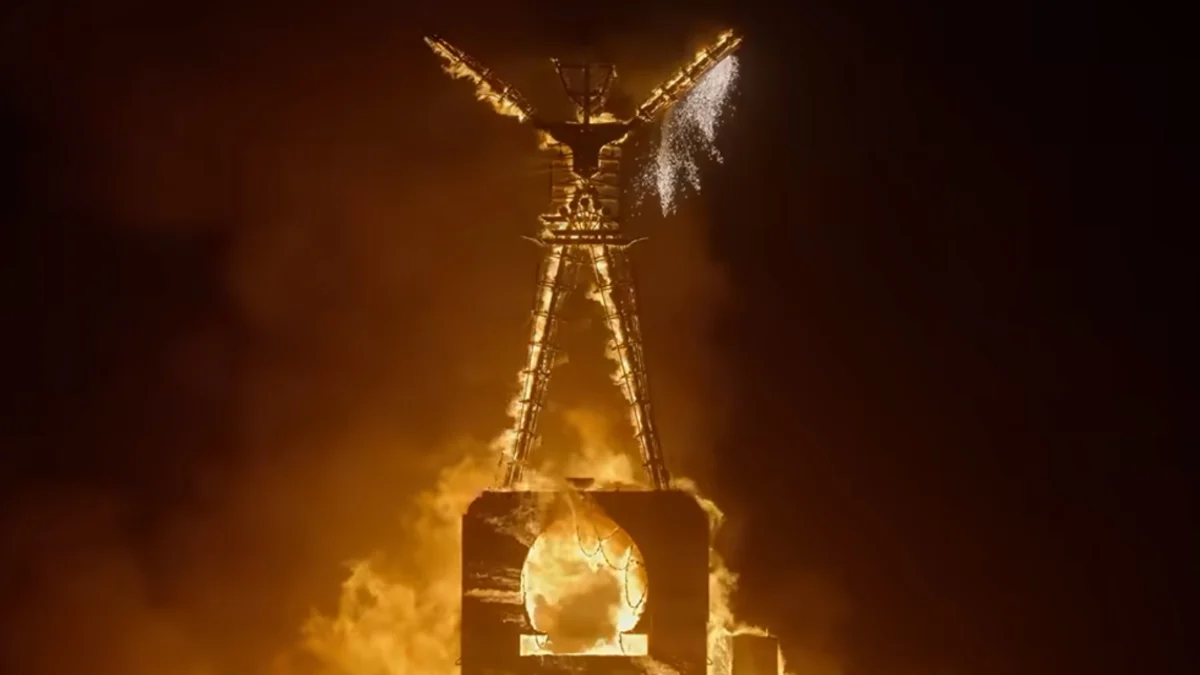
The 2026 iteration of Burning Man, the world-renowned experimental art and community gathering held annually in Nevada’s Black Rock Desert, has been cast in a somber light following the deaths of two attendees and a series of high-profile safety incidents. What was intended to be a week of radical self-expression and communal living from August 31 to September 7 concluded with significant questions regarding the safety and operational integrity of the event.
The Tragic Loss of Life: A Chronology of Events
The most recent fatality occurred on Saturday, September 5, casting a pall over the final days of the event. Craigh Mann, a 60-year-old participant, was discovered unresponsive by his campmates at their site within Black Rock City at approximately 3:00 PM. Despite the proximity of medical resources, it was quickly determined that Mann had passed away.
The Burning Man Project, the non-profit organization responsible for the event, issued an official statement confirming the death. As of this writing, a definitive cause of death has not been released by the Pershing County Coroner’s Office. The organization has maintained a stance of privacy regarding the specific circumstances of the tragedy, stating only that they are working closely with local authorities.
This incident marks the second confirmed fatality during the 2026 festival. Two days prior, on September 3, another attendee—a man in his mid-50s—suffered a sudden medical emergency. According to event organizers, the participant received immediate life-saving intervention from onsite medical staff. Despite these efforts, he was transported to the festival’s dedicated emergency care facility, where he was pronounced dead shortly thereafter.
Pershing County Sheriff and Coroner Jerry Allen noted that, based on preliminary investigations, there were no outward signs of foul play regarding the first fatality. As with the death of Craigh Mann, the name of the first individual has been withheld pending notification of next of kin, and toxicology reports are expected to be pending for several weeks. At this time, investigators have found no evidence linking the two deaths, suggesting they were isolated medical events occurring within the high-stress, high-heat environment of the desert.
A Season of Instability: The 2026 Atmosphere
The fatalities arrived during a particularly turbulent chapter for the festival. The harsh, unpredictable climate of the Black Rock Desert—a recurring antagonist in the event’s history—once again disrupted the proceedings. Heavy, unseasonal rainfall transformed the playa into a thick, impassable sludge, reminiscent of the 2023 "mud-pocalypse" that left 73,000 attendees stranded for days.
The 2026 deluge led to the temporary closure of the festival’s primary infrastructure: the gate, the exit roads, and the Black Rock City Municipal Airport. While organizers were better prepared than in 2023, the psychological toll of being "locked in" by the elements, combined with the news of the two deaths, contributed to an atmosphere of anxiety that permeated the camp.
Beyond the fatalities, safety concerns were further exacerbated by a serious injury occurring earlier in the week. An attendee sustained critical injuries after a fall from the "Nest Tower," a 55-foot-tall art installation. The incident sparked a flurry of debate regarding the safety protocols governing the massive, self-built art structures that define the Burning Man landscape.
Historical Context: A Pattern of Scrutiny
The 2026 festival does not exist in a vacuum; it follows several years of heightened scrutiny regarding safety and crime. The shadow of the 2025 event remains long, particularly regarding the unsolved homicide of 37-year-old Vadim Kruglov. Kruglov was found stabbed to death inside his tent, a rare and chilling instance of violence in a community that prides itself on "radical inclusion."
While Pershing County authorities have recently indicated that they have recovered potential suspect DNA profiles, the case remains cold, and no arrests have been made. The contrast between the festival’s utopian ideals and the stark reality of a violent crime has forced a difficult conversation among organizers and participants alike: Can an open-access city of 70,000 people ever truly be kept safe from the outside world—or from the darker impulses of its own?

The 2025 event was also characterized by a bizarre range of controversies. A woman famously gave birth at the festival, completely unaware that she had been pregnant, a story that went viral and highlighted the limitations of the event’s medical infrastructure. Simultaneously, the organization faced legal challenges, including a lawsuit filed by two YouTubers who alleged that they were threatened and physically obstructed from filming by Burning Man personnel, raising questions about the organization’s control over the "narrative" of the playa.
Official Responses and Mental Health Support
In the wake of the 2026 deaths, the Burning Man Project has been forced into a defensive posture. Their official statement reflected the gravity of the situation: "Our thoughts and deepest condolences are with the participant’s family, friends, campmates, and all those affected by this loss."
Recognizing the emotional strain of these events, the organization has emphasized the availability of "Black Rock Rangers" and dedicated peer-support services. These teams are trained to provide psychological first aid and crisis intervention, operating around the clock. The goal, according to organizers, is to provide a container for grief within a setting that is intentionally designed to be an escape from the "default world."
However, critics argue that the sheer scale of the event makes comprehensive oversight impossible. As one veteran participant noted, "When you bring 70,000 people into an environment that is actively trying to kill them—through heat, dust, and isolation—you are bound to have medical emergencies. The question is whether the infrastructure, which is built by volunteers, is sophisticated enough to handle the sheer statistical inevitability of death."
Implications for the Future
The recurring nature of these incidents—medical crises, extreme weather, and high-profile legal issues—has led to increasing pressure from local Nevada officials for stricter regulation of the event. The Pershing County Sheriff’s Office has historically maintained a cooperative relationship with the Burning Man Project, but with fatalities occurring annually, the logistical burden on local law enforcement and coroner services is reaching a breaking point.
The Balancing Act
The central challenge for Burning Man is its foundational principle of "Radical Self-Reliance." Participants are explicitly told they are responsible for their own safety and survival. Yet, as the event has grown into a global cultural phenomenon, the expectation of safety has shifted. The public and the families of those who pass away at the event increasingly view the Burning Man Project not just as a permit holder, but as a host with a duty of care.
The Environmental Factor
Furthermore, the climate-driven disruptions of 2023 and 2026 have forced the organization to reconsider the viability of the Black Rock Desert as a long-term home. While the location is intrinsic to the "mythology" of the event, the logistical nightmare of managing a city of 70,000 in a region increasingly prone to flash flooding suggests that the future of the festival may involve significant changes in timing or capacity.
Conclusion
As the dust settles on the 2026 event, the Burning Man community finds itself at a crossroads. The celebration of art, music, and counter-culture is now inextricably linked with the tragic reminders of mortality that occurred this year. The deaths of Craigh Mann and his fellow attendee serve as a somber reality check, reminding all who trek to the Black Rock Desert that beneath the neon lights, elaborate costumes, and temporary utopia, the desert remains an unforgiving and often dangerous wilderness.
The coming months will likely see a push for enhanced transparency and perhaps a re-evaluation of safety protocols. For now, however, the focus remains on the families of the deceased and the hundreds of thousands of participants who left the playa with memories that are now permanently shadowed by the events of early September. As the Burning Man Project prepares for the 2027 season, they must contend with the reality that their "city of dreams" is subject to the same laws of human frailty and environmental volatility as any other in the world.


 Iffa Jayyana
 Lina Hope