Nana Muazin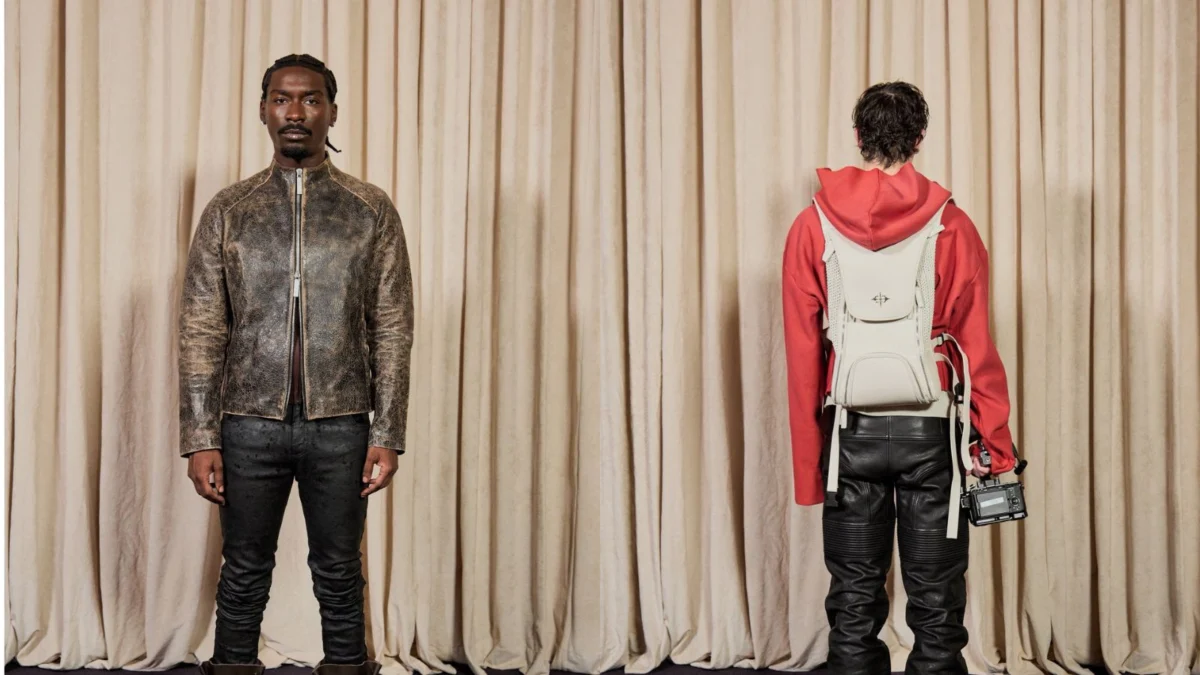
In the rapidly evolving landscape of digital content creation, the line between "streamer" and "lifestyle icon" has become increasingly blurred. Few individuals embody this transition more effectively than Kai Cenat, the Twitch titan who has consistently pushed the boundaries of what it means to be an online entertainer. With his latest venture, the high-fashion brand Vivet, Cenat is not just launching a clothing line; he is attempting to formalize the aesthetic of the modern creator. The centerpiece of this debut collection is a $550 designer backpack specifically engineered to house the complex hardware required for IRL (In Real Life) streaming—a move that signals a bold new chapter in the intersection of tech-utility and luxury fashion.
The Intersection of Utility and Couture: The Vivet Backpack
For years, IRL streamers have relied on utilitarian, often clunky backpacks—most notably the TVU One cellular bonding unit—to broadcast high-definition content from remote locations. While these devices are the lifeblood of the industry, they have historically been eyesores, clashing with the curated image that top-tier creators strive to maintain.
Cenat’s Vivet backpack solves this discrepancy by providing a sleek, designer shell that fits the TVU One perfectly. It transforms a piece of industrial networking equipment into a genuine fashion statement. Priced at $550 for the functional streaming model and $995 for the standard, non-functional "lifestyle" version, the backpack represents a significant investment in personal branding for content creators.
During his recent appearance on the New York Times Popcast, Cenat revealed that the backpack was one of the first concepts he sketched when he began conceptualizing Vivet. "I had that idea the first month of me making the clothes," he explained. "That was like one of my first items that I had drawn in my journal. I really want this to be a statement piece."
A Chronology of the Vivet Reveal
The journey to the Vivet runway was marked by a sophisticated marketing campaign designed to build anticipation among both fashion enthusiasts and the gaming community.
The Tease and The Hype
Months before the official unveiling, Cenat began dropping subtle hints about his foray into the fashion world. The build-up reached a fever pitch in the week leading up to New York Fashion Week (NYFW), when Cenat blanketed Manhattan with digital billboards. The minimalist aesthetic of the advertisements signaled a shift from his chaotic, high-energy streaming persona to a more calculated, elevated brand identity.
The NYFW Runway Debut
The official reveal took place during an exclusive NYFW show, broadcast live to his millions of followers. The event was not merely a fashion show; it was a cultural summit. The front row was a "who’s who" of the streaming world, featuring members of AMP, the CORE boys, and alumni from Cenat’s Streamer University. The atmosphere was electric, blending the prestige of traditional high-fashion runway culture with the raucous, community-driven energy of a Twitch chat.
Post-Show Adoption
Within hours of the runway debut, the industry’s response was immediate. Major creators—including JasonTheWeen, Lacy, DDG, Mister Arther, and Kanel Joseph—took to social media platform X to confirm their purchases. This swift adoption by his peers suggests that the Vivet backpack is poised to become the "must-have" accessory for the next generation of digital influencers.
Supporting Data: Understanding the Market
The pricing of the Vivet collection places it firmly in the premium fashion segment, a bold move for a brand rooted in the "creator economy."
- The Streaming Shell ($550): Designed specifically for the TVU One, this unit features reinforced materials and ergonomic straps to accommodate the weight of the battery packs and cellular routers.
- The Lifestyle Shell ($995): While it maintains the exact silhouette and design language of the streaming unit, this version is marketed as an everyday luxury item for the consumer who wants the look without the need for broadcast hardware.
The price disparity—where the functional version is cheaper than the aesthetic-only version—is a fascinating commentary on the industry. It suggests that while Cenat recognizes the functional necessity of streaming gear, he is also positioning his brand as a luxury status symbol that holds value even when divorced from its original purpose.
The broader collection includes 21 distinct pieces. While the backpack is the headline, the brand offers a tiered selection of garments, ranging from entry-level basics to high-end leather outerwear, ensuring that fans at various price points can participate in the Vivet ecosystem.
Official Perspectives and the "Cameraman" Ethos
Central to the Vivet philosophy is the concept of elevating the "cameraman"—the unsung hero of the IRL streaming world. In many cases, a streamer’s quality is dictated by the comfort and efficiency of the person holding the camera.
Cenat’s focus on the cameraman "looking fly" is an attempt to professionalize the entire streaming ecosystem. By equipping the technical team with high-end, cohesive fashion, Cenat is signaling that the production value of a stream should be reflected in the personal aesthetic of the production team.
"When everybody see it, they’re gonna be like, ‘Whoa, he’s connected something from his world and plugged it into our world,’" Cenat noted during his Popcast interview. This "bridging" effect is exactly what Vivet aims to achieve: a seamless integration of tech-forward utility with the aesthetic standards of luxury couture.
Implications for the Future of Creator-Led Fashion
The launch of Vivet carries significant implications for the future of the creator economy.
1. The Rise of the Creator-Designer
Kai Cenat is part of a growing wave of creators who are moving beyond simple "merch drops" (screen-printed hoodies and basic t-shirts) and toward full-fledged fashion houses. Vivet suggests that creators are no longer content with being the face of other brands; they want to define the visual language of their own generation.
2. Tech-Integrated Fashion
We are entering an era where technology and fashion are inextricably linked. The Vivet backpack is likely just the beginning. As creators continue to adopt sophisticated hardware—VR headsets, advanced mobile broadcasting rigs, and wearable health sensors—there will be a growing demand for apparel that accommodates this gear without sacrificing style.
3. Community as a Consumer Base
The speed with which Cenat’s colleagues adopted the brand demonstrates the power of the "creator network." Because the streaming community is so interconnected, a brand endorsed by the top 1% of creators can reach saturation within days. This is a level of marketing efficiency that traditional fashion brands spend millions to replicate, yet for Cenat, it happens organically.
4. The "Status Symbol" Shift
Traditionally, luxury status symbols were defined by heritage brands like Louis Vuitton or Gucci. Vivet is attempting to challenge this by proposing that in the 21st century, status is defined by one’s contribution to the creator economy. Wearing a Vivet piece is not just about the quality of the fabric; it is a signifier that the wearer is "in the know" regarding the current cultural zeitgeist.
Conclusion
Kai Cenat’s Vivet is more than a fashion collection; it is a declaration of independence for the digital creator. By designing a backpack that bridges the gap between the chaotic, mobile world of IRL streaming and the refined, orderly world of high fashion, Cenat has identified a unique niche.
Whether Vivet will successfully compete with established luxury houses in the long term remains to be seen, but the initial reception proves that there is a massive, untapped market for apparel that respects the technical demands of the creator lifestyle. As the line between digital broadcast and physical reality continues to dissolve, Kai Cenat and Vivet are perfectly positioned to lead the charge, one stylish, tech-ready backpack at a time.


 Layla Zulfa
 Asro
Asro