Nana Muazin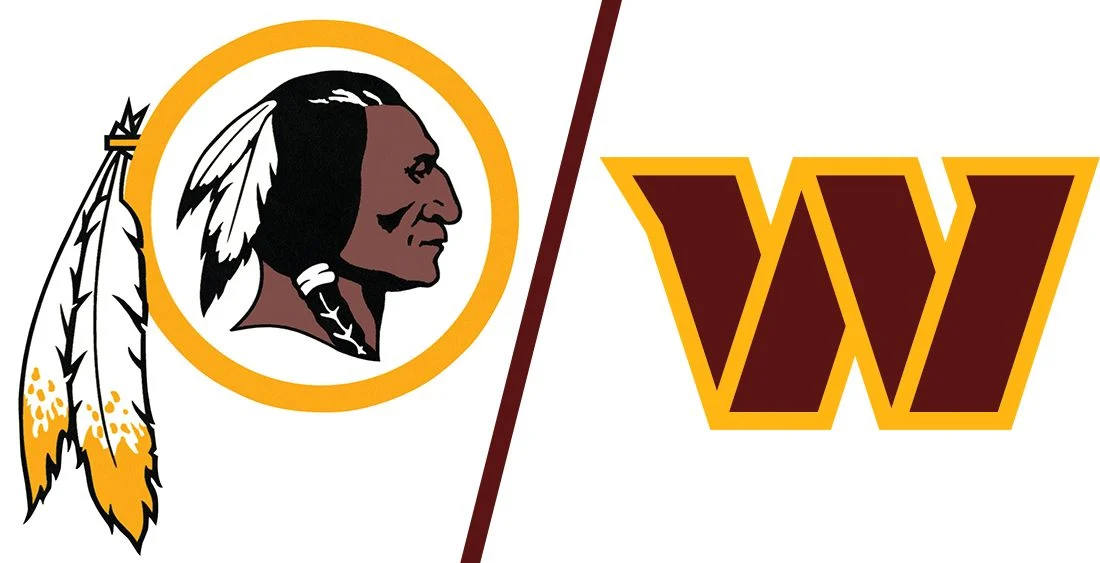
Six years after the Washington Commanders officially retired their former name and logo, the specter of the team’s controversial past has returned to the forefront of the cultural conversation. The recent release of a "retro" merchandise line featuring the long-abandoned moniker has ignited a firestorm of criticism, forcing a public debate that transcends sports and touches upon the complexities of intellectual property law, corporate responsibility, and the lingering influence of racist stereotypes in American branding.
As the team navigates the fallout, the justification provided—a legal necessity to protect trademark rights—has raised uncomfortable questions about whether our current legal framework forces corporations to perpetuate offensive imagery against their own wishes, or if such justifications are merely a convenient smokescreen for profit-seeking.
A Chronology of Controversy: From Retirement to Resurgence
The saga of the Washington franchise’s branding began long before the 2020 decision to drop the name. For decades, Indigenous advocacy groups, sociologists, and civil rights organizations decried the team’s name and logo as a racist caricature that dehumanized Native American populations. Despite mounting pressure, the franchise long resisted change, citing tradition and history.
The tipping point arrived in the summer of 2020. Amidst a national reckoning regarding racial justice and following renewed pressure from major corporate sponsors—including Nike and FedEx—the team finally capitulated. In July 2020, the franchise announced it would retire the name and logo, entering a period of transition that eventually led to the adoption of the "Commanders" identity.
For years, it seemed as though the chapter had been closed. However, the August 2026 release of a collection featuring the old branding caught the public off-guard. Within 48 hours, the inventory was entirely sold out, demonstrating that while the brand is offensive to many, it remains a lucrative commodity for a subset of the fanbase. The Association on American Indian Affairs was quick to condemn the move, suggesting that the limited-edition drop served as a "trial balloon" to gauge public appetite for a potential return to the former name—a suggestion the team has categorically denied.
The Legal Defense: Trademark "Abandonment"
At the heart of the team’s defense lies the principle of "trademark abandonment." Under United States law, a trademark owner must demonstrate "use in commerce" to maintain exclusive rights to a mark. If a company stops using a trademark, competitors or third parties could theoretically argue that the owner has abandoned the mark, potentially allowing them to seize control of the intellectual property.
In a statement following the backlash, the Commanders addressed the controversy directly: "We are required to maintain the marks in commercial usage so that marks remain under franchise control."
Legal experts confirm that this is a legitimate fear for major sports franchises. The loss of a trademark to a "trademark squatter"—someone who registers an abandoned mark to sell it back to the original owner or to profit from its unauthorized use—is a well-documented risk. The team argues that by occasionally producing merchandise, they are effectively "locking" the mark, ensuring it cannot be co-opted by bad actors or third parties who might use the offensive imagery in ways that the organization finds even more objectionable.
However, critics point out that the team’s approach was far from subtle. The collection included high-profile items, such as an Art Monk T-shirt featuring the logo prominently. Trademark law requires only bona fide commercial use to prevent abandonment; it does not mandate high-volume, mass-market campaigns that maximize sales. By choosing to push the branding so aggressively, the team fueled the perception that they were prioritizing revenue over the sensitivity of the issues at hand.
Comparing Corporate Strategies: Discretion vs. Exposure
The dilemma faced by the Washington franchise is not unique, but their strategy for mitigating it stands in stark contrast to other corporate giants. When companies rebrand to move away from problematic imagery, they often seek "quiet" ways to maintain trademark protection without keeping the offensive symbols in the public eye.
Consider the case of the Quaker Oats Company and the Aunt Jemima brand. After retiring the controversial imagery in 2020, the company rebranded to "Pearl Milling Co." To maintain their legal hold on the legacy trademarks, the company has, in some instances, continued to utilize the old branding in extremely limited, discreet capacities on packaging or archival materials. This allows the company to retain its legal rights without actively promoting the offensive caricatures to the mass market.
The Commanders, by contrast, chose a path of high-visibility retail. By treating the old logo as a "retro" product line, they invited the very controversy they claimed to be avoiding. This strategy has led legal scholars to argue that the team’s justification of "legal necessity" is, at the very least, an oversimplification of their options.
The Call for Legislative Reform
The incident has sparked a broader debate among legal scholars, most notably Chris Buccafusco and Jon J. Lee, who argue that the current state of trademark law is ill-equipped to handle the transition of brands with significant social and historical weight.
Writing in MS Now, Buccafusco and Lee posit that the law should not force companies to choose between abandoning their trademarks and perpetuating harmful stereotypes. They propose a legislative solution: the creation of a "retired trademark registry."
Under such a framework, a company could voluntarily register a trademark as "retired" or "archived." This status would formally recognize the company’s intent to move away from the brand while still granting them a "defensive" hold on the intellectual property. This would effectively prevent third parties from using the mark, while simultaneously removing it from the marketplace entirely.
The benefits of such a system are two-fold:
- Public Welfare: It would facilitate a clean break for companies wishing to disassociate from racist or otherwise harmful legacies, preventing the "re-exposure" of offensive symbols to the public.
- Corporate Protection: It would provide a secure legal harbor for companies, removing the fear of "trademark squatters" and the need for high-profile merchandise drops just to satisfy archaic legal requirements.
"With such a law," the authors argue, "the United States Patent and Trademark Office would be empowered to stop others from selling merchandise bearing the trademarks, ensuring that the trademarks would be removed from the marketplace for good. It also allows companies that want to sever ties with their racist pasts to do so with less concern that others will be able to swoop in to take their place."
The Societal Implications: What Do We Value?
The controversy surrounding the Commanders is emblematic of a larger struggle in American culture: the tension between property rights and social progress. For decades, the "Redskins" brand was a source of pride for some, but a source of pain and marginalization for others. The 2020 decision to move forward was hailed as a necessary step toward inclusivity.
When that progress is reversed—even under the guise of legal strategy—it sends a message about what the organization values. Critics argue that by choosing to sell the merchandise, the team validated the nostalgia of those who wish to return to the status quo, effectively alienating the very communities they sought to respect four years prior.
Furthermore, the "retro" nature of the release raises questions about the commercialization of history. In the world of sports, "retro" is usually a synonym for "nostalgic" and "profitable." By applying that same marketing logic to a symbol that was retired specifically because of its discriminatory nature, the team effectively sanitized the controversy, turning a symbol of oppression into just another piece of fan apparel.
Moving Forward: Beyond the Folded ‘W’
As the franchise continues its attempt to build a new identity, the distraction of the old logo remains a persistent roadblock. Fans and critics alike remain divided on the team’s current branding—including the much-debated "folded W" logo—but these aesthetic arguments pale in comparison to the fundamental question of whether the team can truly leave its past behind.
If the goal of the NFL and the Washington Commanders is to foster a more inclusive, modern environment, the current reliance on trademark law as a justification for selling "retro" gear is insufficient. It is a legal argument, yes, but it is a poor social one.
The proposal by Buccafusco and Lee for a legislative update to the Trademark Act offers a pragmatic path forward. If the law were updated, it would provide a permanent, dignified, and legal way for the Commanders to finally lay their former name and logo to rest. Until then, the team remains caught in a self-inflicted trap: citing the law to justify the distribution of a brand they officially deemed unacceptable.
For the Washington Commanders, the future of the franchise depends not just on the performance of their players on the field, but on their ability to definitively sever ties with a past that, for many, should have been buried years ago. Whether they choose to push for legislative change or continue to lean on the current, flawed legal system will speak volumes about their commitment to the values they claim to uphold.


 Basiran
 Sagoh
Sagoh