Reynand Wu
The Dark Souls franchise stands as a monolith in the landscape of modern gaming. Since its inception, FromSoftware has redefined the action-RPG genre, cultivating a brand of “tough but fair” design that has inspired countless imitators and a global, deeply dedicated fanbase. With the meteoric success of Elden Ring, the Soulsborne formula has reached a level of cultural saturation few could have predicted back in 2011. However, as the series has expanded, so too have the debates regarding its evolution.
While the shift toward massive, open-world exploration has introduced millions to the genre, long-time veterans often look back at the original Dark Souls with a sense of nostalgia for its tight, interconnected level design and specific mechanical nuances. If FromSoftware were to return to the drawing board for a new entry in this storied saga, what would the ideal game look like? By analyzing the strengths and shortcomings of the existing library, we can envision a title that synthesizes the best of the past with the innovations of the future.
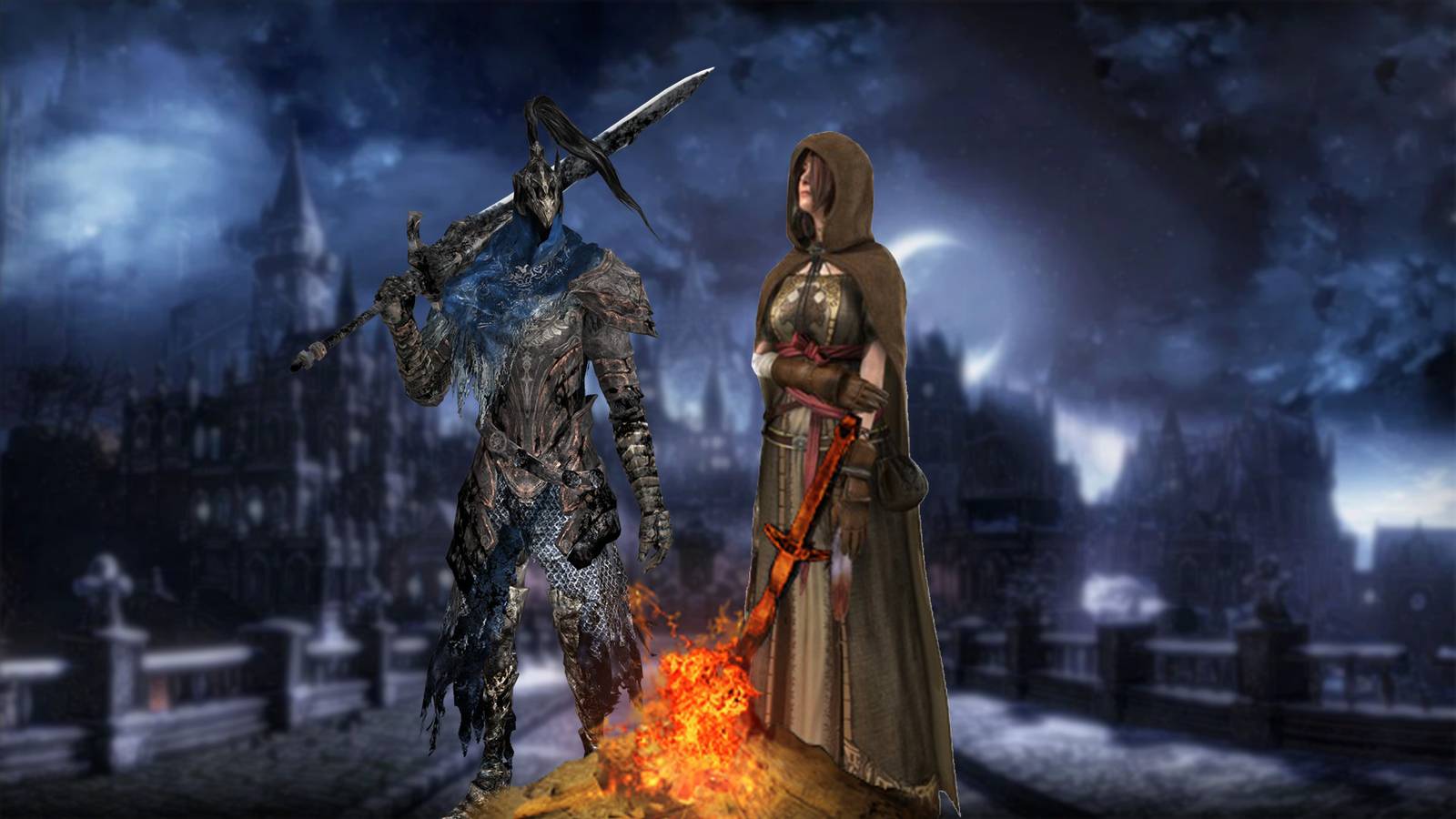
The Chronology of Complexity: A Look Back
To understand where the series should go, we must acknowledge where it has been. The progression of the Soulsborne formula has been marked by a constant tug-of-war between accessibility and depth.
- 2011 – The Birth of a Legend: Dark Souls arrived with a focus on claustrophobic, interconnected level design. It prioritized resource management and deliberate movement. Features like armor upgrading and the lack of fast travel for much of the game created a tangible sense of place.
- 2014 – The Experimental Phase: Dark Souls 2 introduced the "Adaptability" stat, a controversial mechanic that tied dodge frames to player attributes. While it received mixed feedback, it experimented with dual-wielding and power-stancing, which would eventually become staples of the series.
- 2016 – The Refinement: Dark Souls 3 streamlined the combat, making it faster and more fluid. It leaned into the "linear but branching" design, losing some of the verticality of the original but gaining immense polish in boss design.
- 2022 – The Open World Revolution: Elden Ring shattered expectations by applying the Souls formula to an expansive, open-world canvas. While successful, the sheer scale led to "content dilution," where the intimate, hand-crafted feel of earlier titles was occasionally lost in the vastness of the map.
Re-evaluating Core Mechanics: The Wishlist
For a hypothetical future title, the focus should not necessarily be on "more" content, but on "deeper" integration of existing systems.

1. The Return of Armor Upgrades
In the original Dark Souls, blacksmiths were more than just vendors for weapons; they were essential for survival. Upgrading armor pieces allowed players to tailor their defensive stats to specific enemy types. This mechanic was largely discarded in later entries, reducing armor to a purely aesthetic or poise-based choice. Bringing back deep armor customization would incentivize players to engage with the crafting system more meaningfully, rewarding those who take the time to prepare for specific regions or boss encounters.
2. A More Interactive NPC Ecosystem
NPCs are the heart of the Souls experience. In a lonely, dying world, their presence provides necessary context and emotional stakes. However, as the worlds have grown larger, NPCs have become harder to track. Future titles should aim for a "hub-and-spoke" model where NPCs occupy more densely packed, interactive settlements. Increasing the number of specialists—magic teachers, blacksmiths, and lore-keepers—would make the world feel lived-in rather than merely haunted by ghosts of the past.

3. The "Known Land" Narrative
Much of the lore in Dark Souls is communicated through item descriptions and NPC dialogue mentioning distant lands like Carim, Catarina, or Zena. A future game set in one of these fabled locations would provide instant familiarity while offering a fresh visual palette. Exploring the homeland of the knights of Catarina, for instance, would allow developers to lean into a distinct architectural style that contrasts sharply with the ruins of Lordran or the golden plains of the Lands Between.
4. Boss Re-fights and Training Grounds
One of the most requested features in the community is a legitimate way to re-fight bosses. Currently, players must initiate a New Game+ cycle or wait for a rare mod to test new builds against their favorite adversaries. A dedicated training ground—perhaps a "Memory of the Abyss"—would allow players to challenge defeated bosses without the tedium of re-traversing the entire game. This would elevate the skill ceiling, as players could practice parries and dodging patterns with surgical precision.
5. Revisiting the "Lordvessel" Philosophy
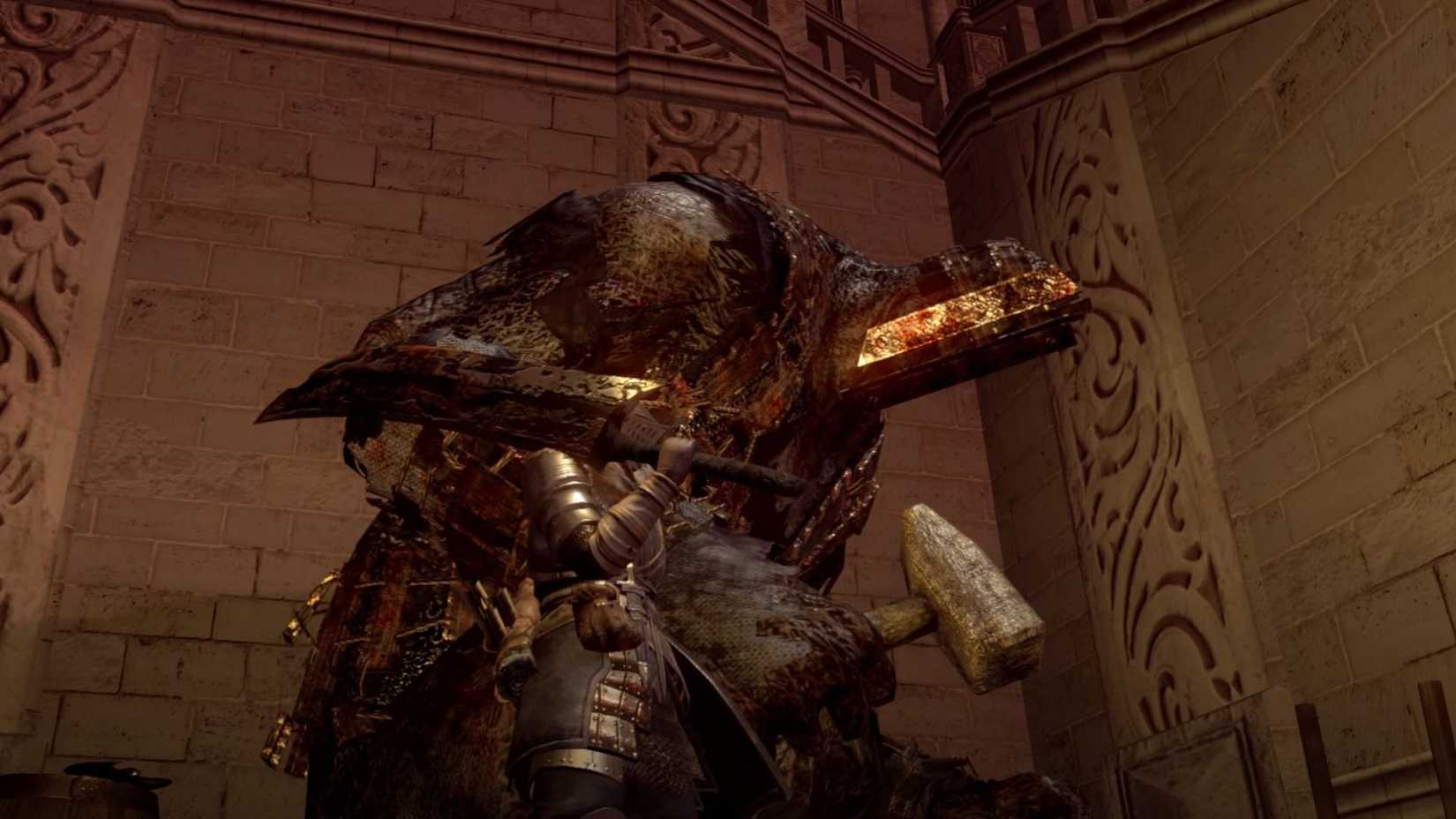
The instant fast travel available in modern titles has effectively killed the "sense of journey." In the first Dark Souls, the inability to teleport for the first half of the game was a stroke of genius; it forced players to learn the map, discover shortcuts, and respect the danger of the world. A future game should restrict fast travel until a major milestone is reached, reinforcing the idea that the player is an adventurer navigating a dangerous landscape, not a tourist hopping between checkpoints.
Deeper Build Potential: Weapon Modification
Elden Ring introduced "Ashes of War," which allowed for unprecedented flexibility in combat. The next logical step is to allow for the modification of internal weapon stats. If a player could choose to prioritize physical scaling, bleed buildup, or specialized magic absorption through a granular modification system, the "meta" would expand exponentially. Furthermore, allowing for swappable movesets—not just special abilities—would ensure that no two longswords feel the same, turning every drop into a potential cornerstone for a new character build.
Interconnectivity: The "Non-Open" World
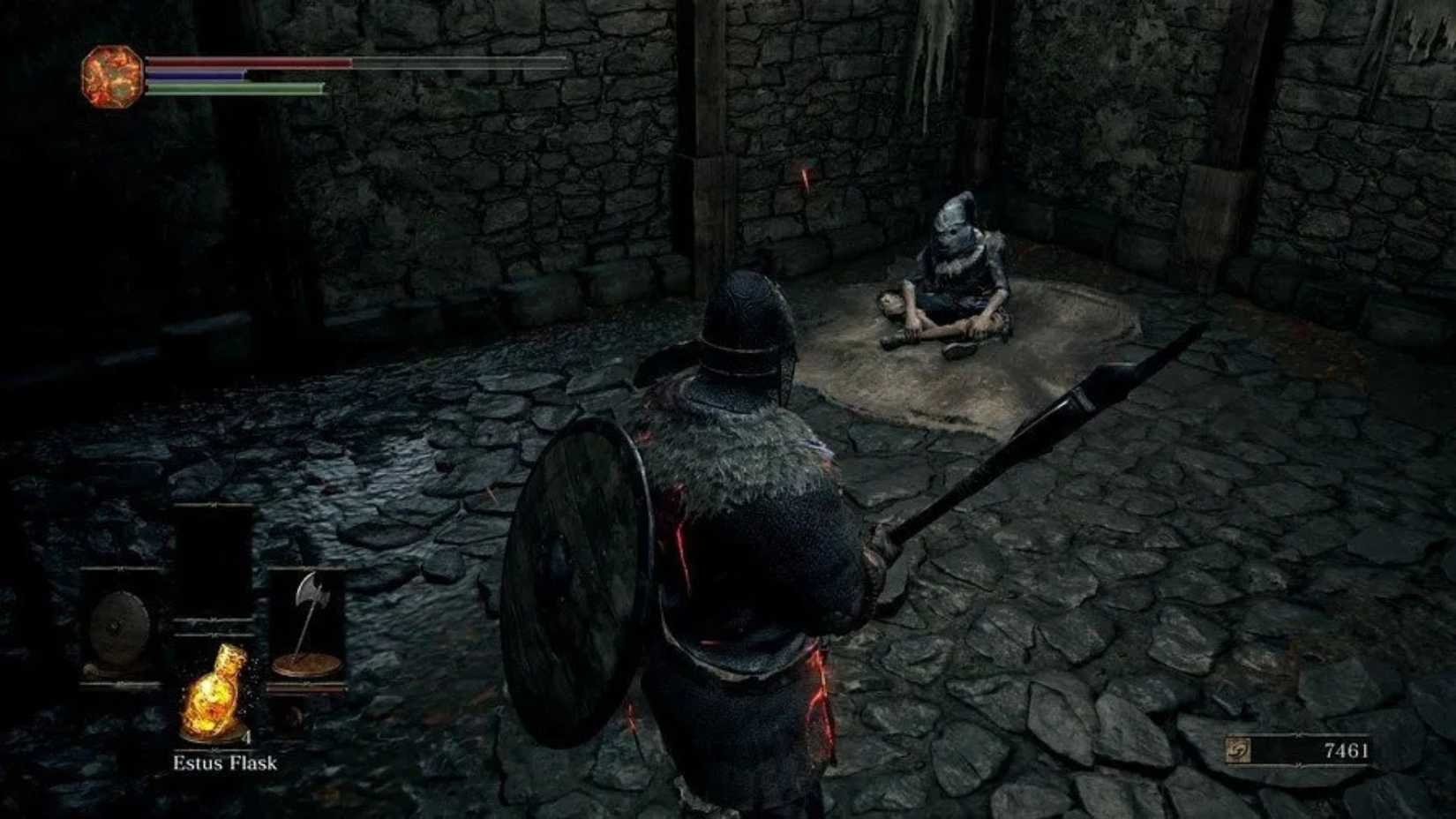
While open worlds are currently the industry standard, the "Souls-like" genre arguably suffers from them. The most memorable moments in the series come from unlocking a door that leads back to the very first bonfire of the game. This "metroidvania-style" of world design creates a feeling of accomplishment that a giant, flat map cannot replicate. Future titles should look toward a "compact, vertical" design philosophy: worlds that are smaller in total square footage but infinitely more dense in shortcuts, hidden passages, and interconnected layers.
The Future of Co-op: Seamless Integration
The current summoning system—using signs on the ground and waiting for connection—is a relic of 2011. While it adds a layer of vulnerability (and "jolly cooperation"), it is undeniably clunky. The success of the "Seamless Co-op" mod for Elden Ring proves that the community is desperate for a way to play the entire game with friends without the constant risk of being disconnected after every boss. An official, robust implementation of seamless co-op would not only make the game more accessible but would fundamentally change the way players interact with the world, turning the game into a shared, emergent story.
Official Perspectives and Industry Implications
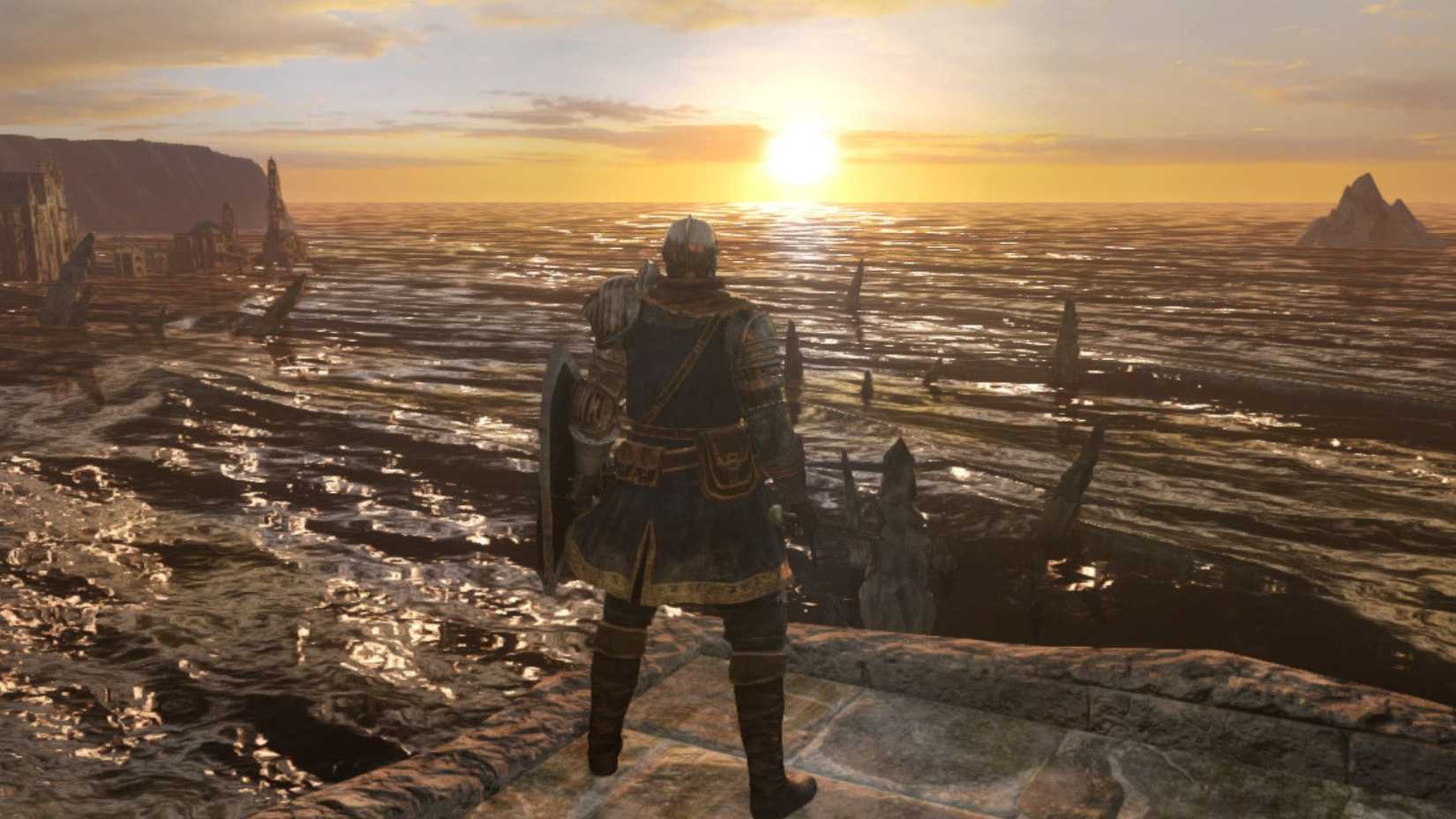
FromSoftware, led by Hidetaka Miyazaki, has historically been reticent about discussing "what comes next," preferring to let their games speak for themselves. In various interviews, Miyazaki has expressed a desire to continue creating games that challenge the player’s perception of what a video game can be.
The industry at large is currently grappling with "AAA bloat." By focusing on tighter, more mechanically dense experiences rather than ever-increasing maps, FromSoftware has the opportunity to lead a counter-movement. The implication for the gaming industry is clear: players are willing to engage with high-difficulty, high-reward systems if the world-building is sufficiently immersive. A future Soulsborne title that doubles down on these "classic" values while incorporating the quality-of-life upgrades of the last decade would not only satisfy the hardcore base but set a new standard for the entire action-RPG genre.
Conclusion
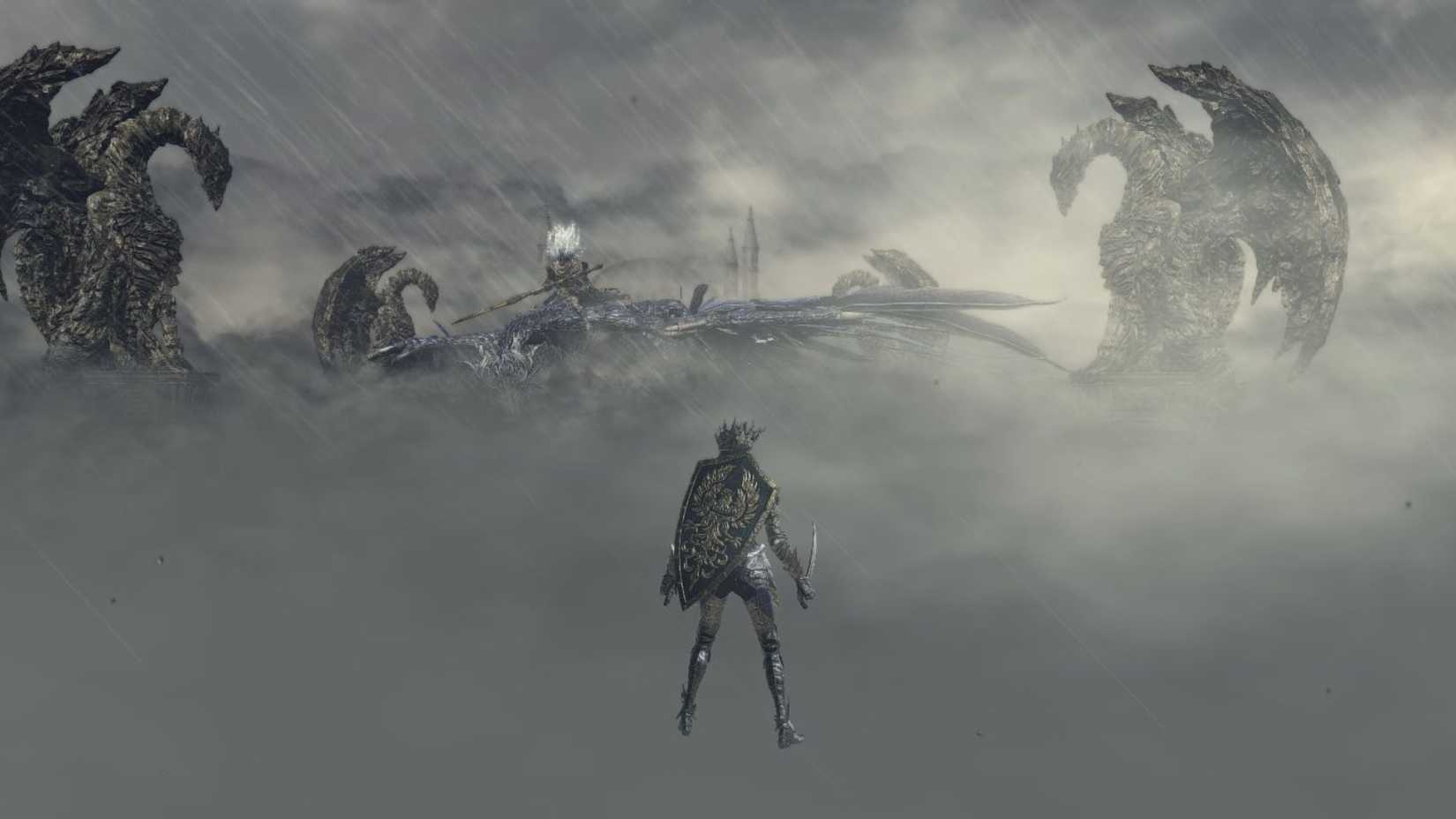
The brilliance of the Dark Souls franchise lies in its ability to make the player feel small, fragile, and ultimately, triumphant. As we look toward the future, the goal should not be to build a bigger world, but to build a more meaningful one. By returning to the roots of interconnected level design, refining the depth of customization, and modernizing the social experience of co-op, FromSoftware can ensure that the "Soulsborne" legacy continues to cast a long, influential shadow over the gaming world for another decade. The fire may be fading, but the embers still hold the potential to ignite something entirely new.


 Ammar Sabilarrohman
 Siti Muinah