Suro Senen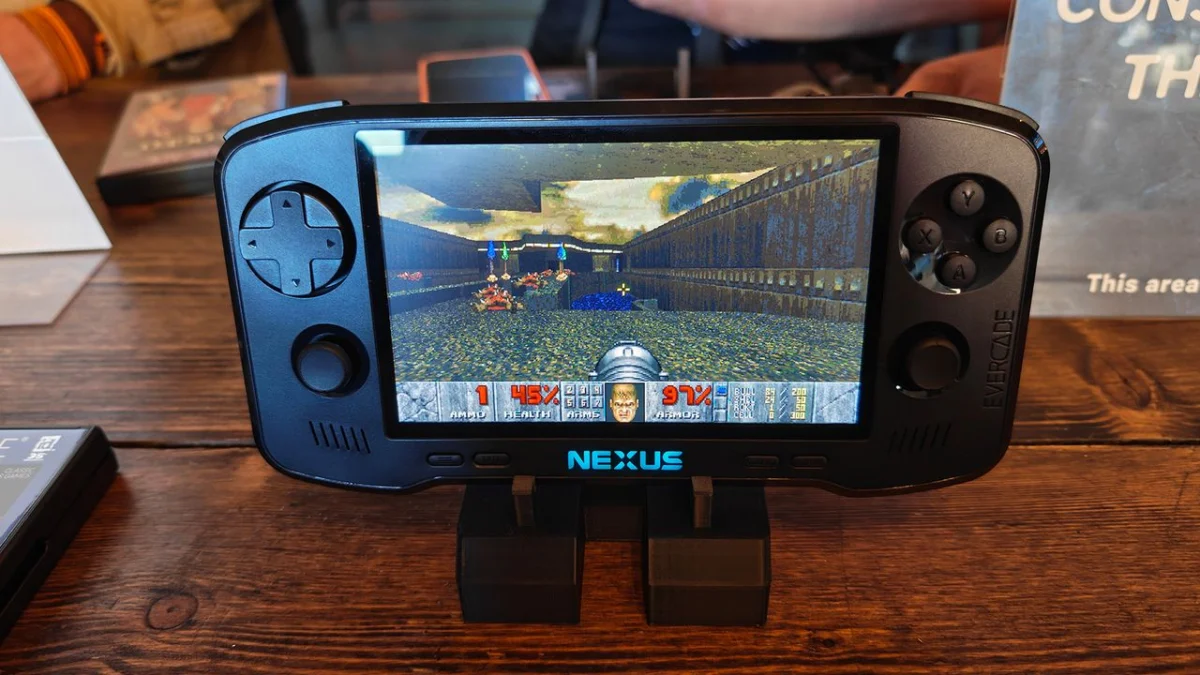
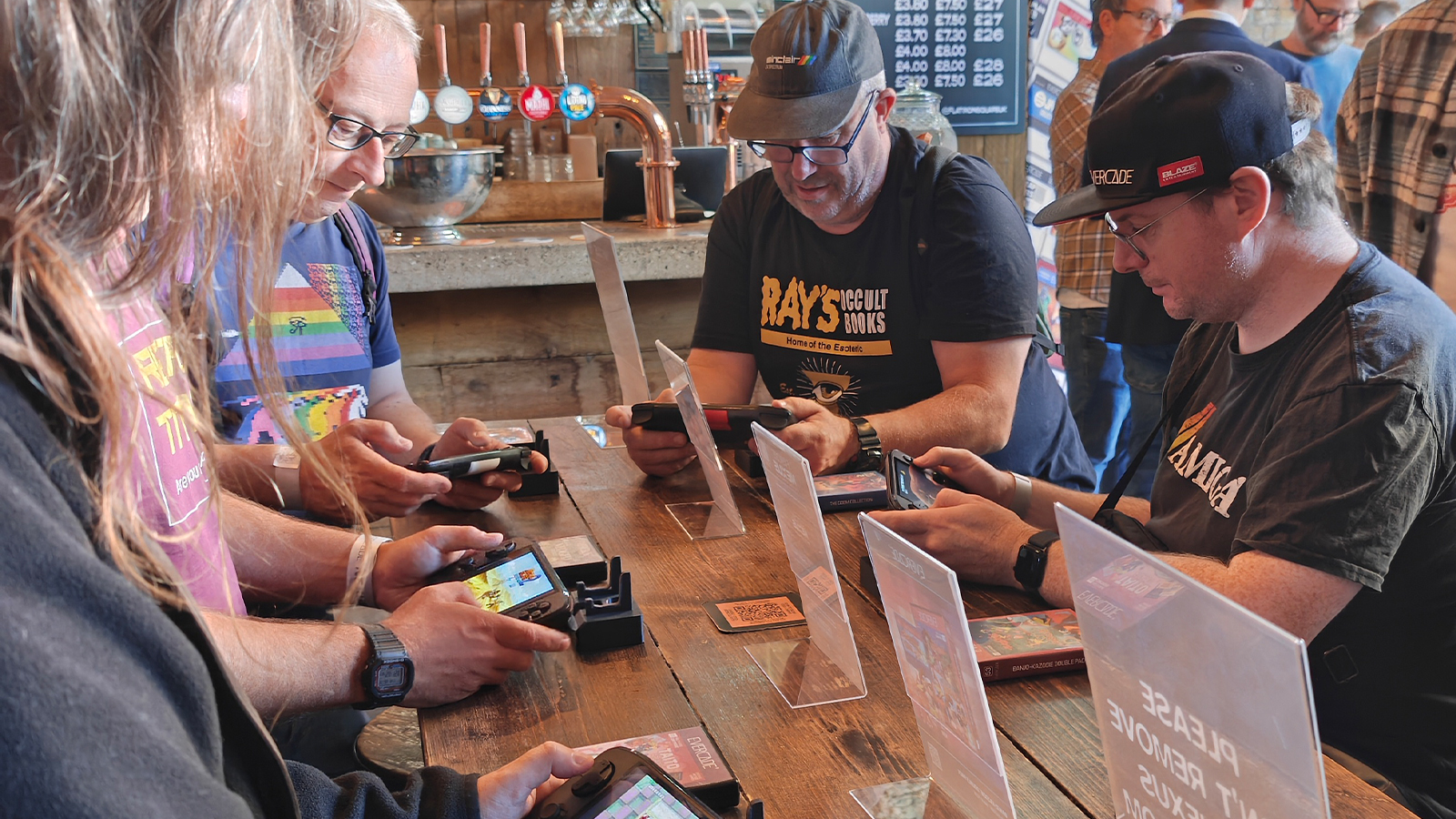
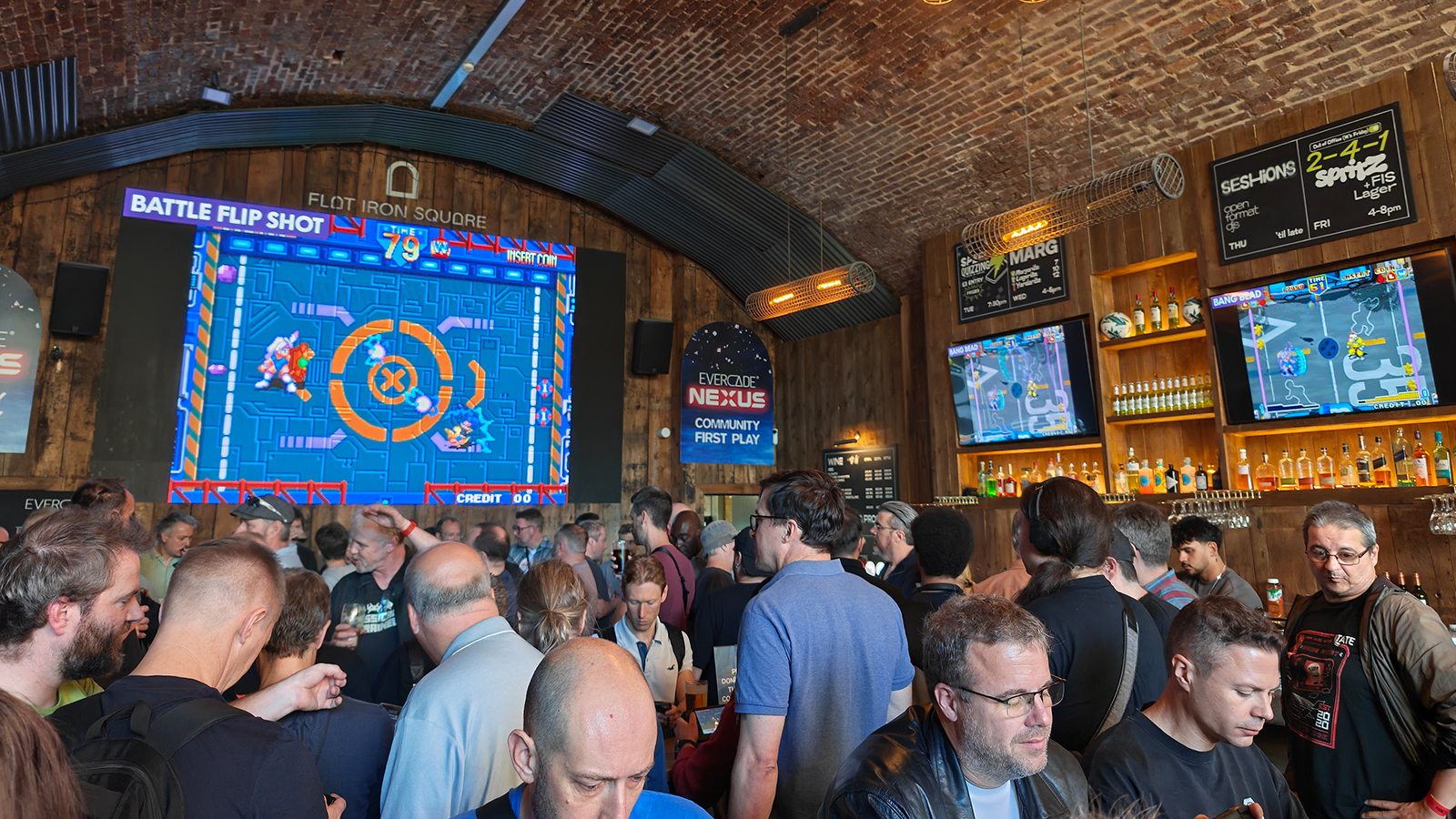
Stepping into a bustling London pub for the "Nexus Community First Play" event, I found myself struck by a sudden sense of temporal displacement. With a pint in one hand and a prototype handheld in the other, the atmosphere felt remarkably reminiscent of the late 90s—a time when gaming PR was defined by tangible excitement, social connection, and a certain "scruffy" charm that has largely vanished from today’s sanitized, digital-first industry.
While modern gaming often prioritizes sterile demo stations and carefully curated, timed windows, Blaze Entertainment’s unveiling of the Evercade Nexus felt like a refreshing throwback to the era of physical media and community-driven enthusiasm. As a long-term advocate for the Evercade EXP-R, I approached the Nexus with a mix of curiosity and skepticism. Yet, after spending the afternoon putting the device through its paces, it is clear that this is not merely another emulator in a generic plastic shell; it is a deliberate evolution of the retro-gaming ecosystem.
The Core Specs: A New Benchmark for Retro Handhelds
The Evercade Nexus marks a significant shift in Blaze Entertainment’s hardware philosophy. Where previous iterations were optimized for 8- and 16-bit classics, the Nexus is engineered with a singular, clear purpose: to provide a premium, dedicated handheld experience for 32-bit and 64-bit gaming.
Technical Specifications and Design
- Display: A vibrant, 5.89-inch screen that offers significantly more real estate than the EXP-R, allowing for the complex UI and wide-field-of-view gameplay common in 3D titles.
- Control Layout: The introduction of dual, symmetrical analogue sticks is the most impactful design choice. This layout addresses the specific needs of 3D shooters and platformers, ensuring that camera control and character movement are as intuitive as they were on original hardware.
- Ergonomics: Despite its larger footprint, the device is surprisingly lightweight. The inclusion of dedicated rear grips makes long-form sessions comfortable, effectively mitigating the fatigue often associated with smaller, flat-backed handhelds.
Chronology of Development: From Concept to Console
The journey to the Nexus was not a straight line. According to Haydn Thomas, Senior Product Designer at Blaze Entertainment, the development process was an iterative loop defined by intense deliberation. The placement of the analogue sticks, for instance, was a point of significant internal debate.
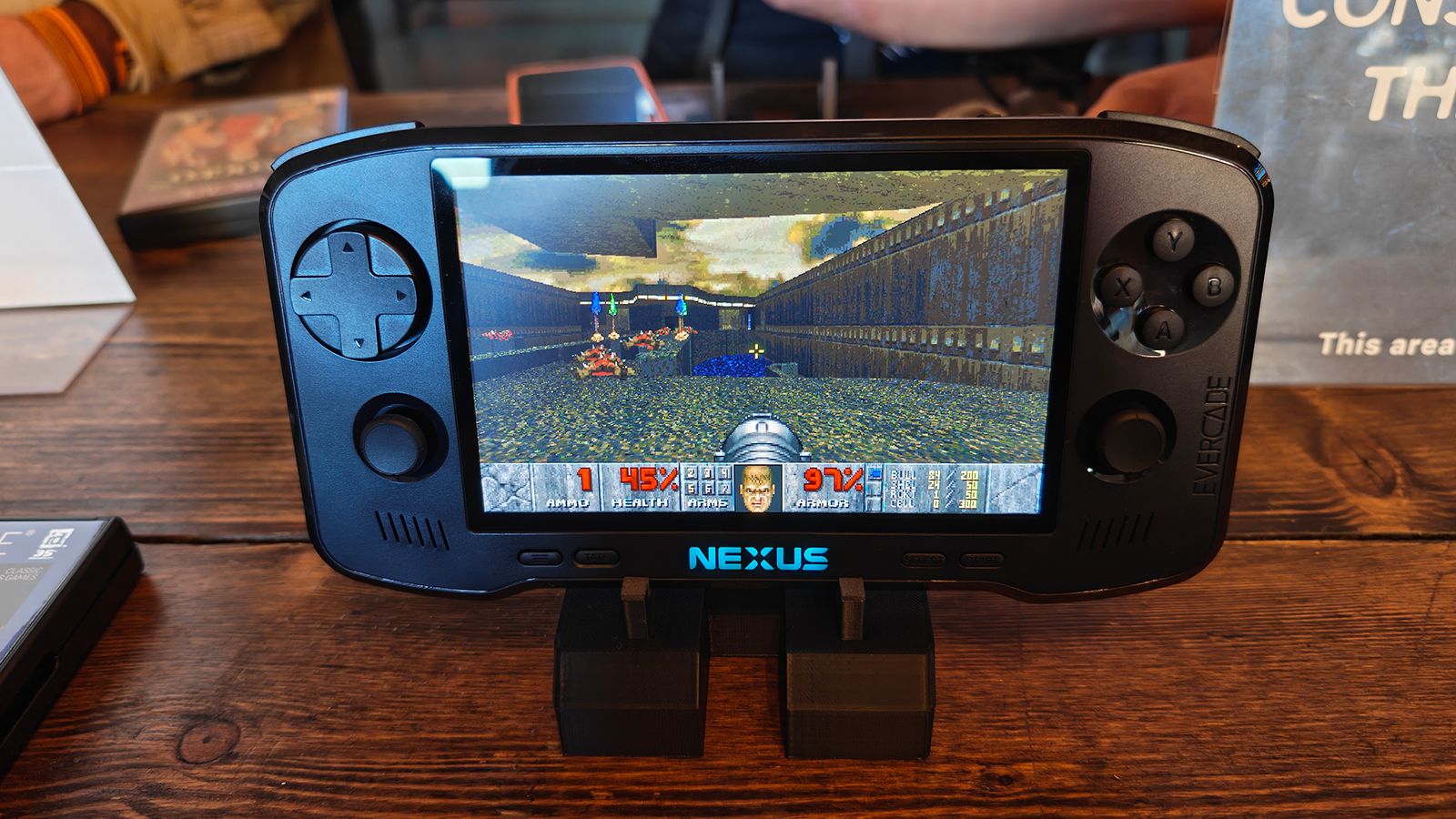
"We went back and forth on the ergonomics for months," Thomas noted during our discussion. The team realized early on that while symmetrical sticks might be a point of contention for some, they were essential for a device aiming to replicate the "feel" of 32-bit consoles. The result is a device that feels purpose-built for the transition into 3D-era retro gaming, prioritizing functional accuracy over aesthetic trends.
The design team also paid close attention to the device’s "DNA." Beyond the obvious hardware specs, they incorporated subtle branding flourishes—such as the ‘A’ from the Evercade logo integrated into the texture of the rear grips and the cooling vents. These touches ensure that the Nexus feels like a cohesive piece of industrial design rather than a white-label product repurposed for retro gaming.
Supporting Data: Why Size Matters
In the world of emulation, size is often viewed as a trade-off between portability and performance. However, for 64-bit titles like Banjo-Kazooie or the original Doom, the screen size is a functional necessity.
During my hands-on time, the difference was stark. Playing Banjo-Kazooie on the smaller EXP-R is technically possible, but it lacks the clarity required to truly appreciate the level design and hidden secrets that defined the genre. The Nexus, with its increased display size, allows for the nuances of 3D camera control and environmental exploration that were once confined to CRT televisions.
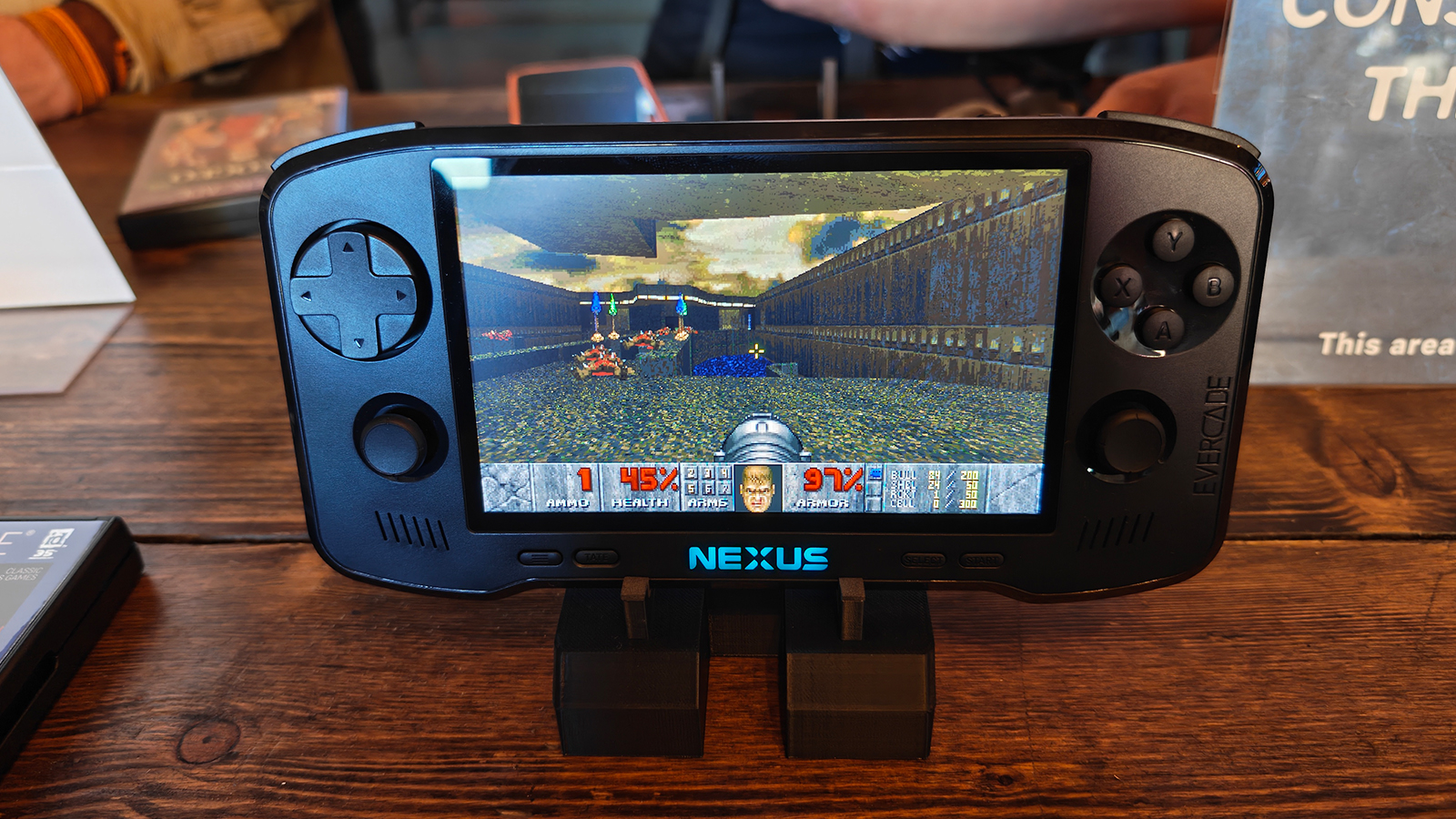
Blaze Entertainment’s approach to these games goes beyond simple emulation. By working directly from original source code rather than relying on "ROM dumps," the company is producing cartridges that are closer to official re-releases. The new Banjo-Kazooie collection, for example, features original assets, refined enemy designs, and even previously unknown data discovered within the source code—a level of attention to detail that sets the Evercade ecosystem apart from the "pirate-lite" retro handheld market.
Official Perspectives: The Philosophy of Physicality
Blaze Entertainment has consistently positioned itself as the antithesis to modern gaming’s "anti-physical" trajectory. In an era where digital storefronts can disappear and game ownership is increasingly ephemeral, the Evercade model remains tethered to the physical cartridge.
This philosophy is central to the Nexus’s identity. The console is not just a delivery system for games; it is an invitation to engage with a "way" of collecting. The hardware’s identity is intrinsically linked to the physical library. When you hold a Nexus, you aren’t just holding a processor and a battery; you are holding a key to a curated, licensed, and tangible library of gaming history.
The company is keenly aware of the demographic it serves. As Haydn Thomas and I discussed while looking over the device, there is a shared understanding that the community is maturing. Our eyes are not getting any younger, and the demand for larger screens, more ergonomic controls, and authentic, high-quality re-releases is a direct response to the needs of long-time fans who refuse to abandon the titles that defined their youth.
Implications for the Future of Retro Gaming
The release of the Nexus suggests a pivot point for Blaze Entertainment. It proves that the company is willing to invest in hardware that specifically caters to the more complex, 3D-era titles of the late 90s and early 2000s.
The "3D Era" Potential
With the success of the Banjo-Kazooie and Doom collections, the door is now open for a wider array of titles. The community is already speculating about potential future releases: Ready 2 Rumble, forgotten Dreamcast gems, and other "orphaned" IP that never made the leap to modern consoles. The hardware is now capable of supporting these, but the success of the platform will depend on Blaze’s ability to navigate the complex licensing landscape of the PS1/N64 era.
The Ecosystem Effect
Importantly, the Nexus does not render previous hardware obsolete. The Evercade library remains consistent; cartridges work across devices. This forward-and-backward compatibility is a massive strength for the brand. It allows users to grow their collection without fear that their investment will be invalidated by the next console release—a stark contrast to the rapid hardware cycles seen in the smartphone or PC gaming space.
Conclusion: A Necessary Evolution
I entered the London pub expecting a standard, nostalgic afternoon. I left with a newfound appreciation for what Blaze Entertainment is trying to achieve. The Nexus is not just a hardware upgrade; it is a statement of intent. By focusing on the specific requirements of 3D-era gaming—larger, brighter screens and precise, dual-stick controls—the company is ensuring that this pivotal era of gaming history is preserved in a format that does it justice.
Whether or not the Nexus will redefine the retro handheld market remains to be seen, but it has already succeeded in creating an emotional connection. It feels like a device that was made by people who love games, for people who love games. If the goal was to create a hardware experience that respects the source material, the Nexus has done exactly that.
For those who have been waiting for a reason to jump into the Evercade ecosystem, or for current fans looking to finally play their 3D favorites with the comfort they deserve, the Nexus feels like the inevitable, and very welcome, next step.
The Evercade Nexus is set for release this October, priced at $199.99 / £169.99. Pre-orders are currently live via the official Evercade website.

 Laily UPN
 Dwi Wanna