Azzam Bilal Chamdy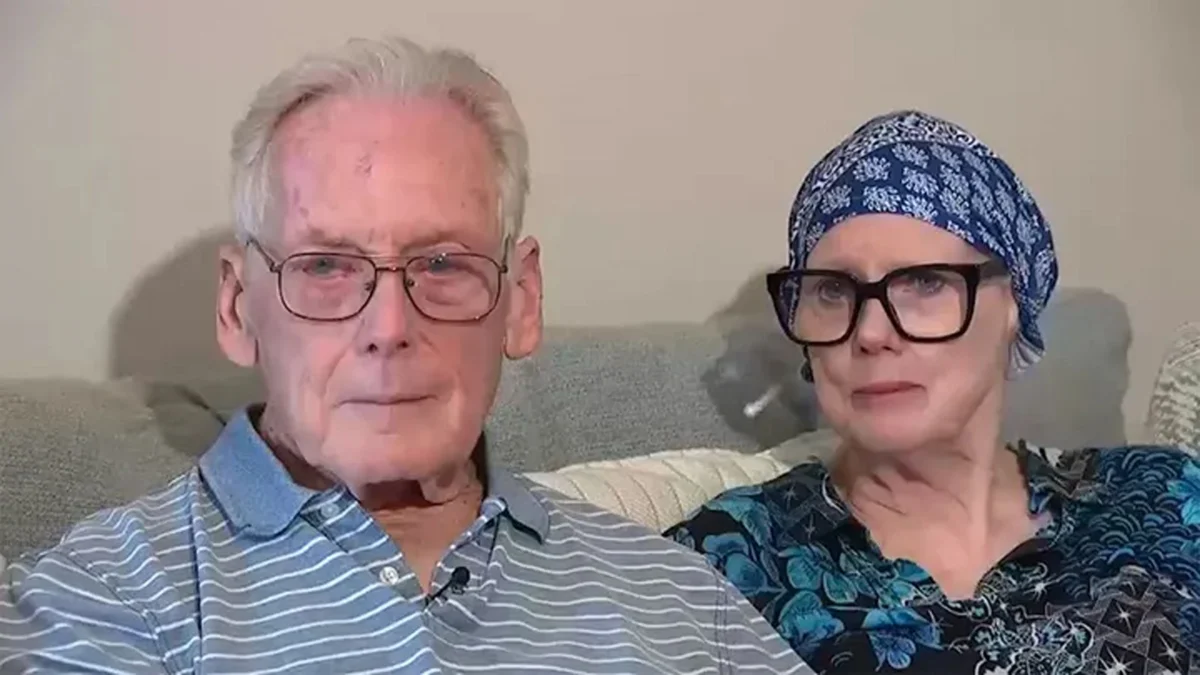
In an era defined by the "human interest" viral story, the internet has become a potent engine for philanthropy. When a narrative captures the collective conscience—the image of an 81-year-old man, Don Johnson, hauling heavy luggage up flights of stairs for 14 hours a day to pay for his wife’s pancreatic cancer treatment—the response is often instantaneous and overwhelming. Last week, that response materialized in the form of nearly $745,000 in donations.
However, this heart-wrenching tale of a stranger’s kindness has unraveled. The campaign, which promised to help the elderly Texan retire, was not launched by a compassionate neighbor, but by his own daughter. Following an internal investigation, GoFundMe shuttered the fundraiser, citing "factual misrepresentations," and initiated a full refund process for every donor.
The Anatomy of a Viral Narrative
The fundraiser was built on a foundation of empathy and, ultimately, artifice. The campaign page featured a compelling hook: a woman named "Erin" claimed she had met Don Johnson when he arrived at her doorstep to deliver a bag. She painted a portrait of a man whose work ethic was as exhausting as it was necessary, detailing his struggle to manage his wife Josephine’s mounting medical bills.
The narrative struck a chord. In modern digital culture, stories of elderly individuals forced to labor well past retirement age to survive often serve as a lightning rod for broader societal frustrations regarding healthcare costs and the erosion of the social safety net. Donors were not just funding a retirement; they were participating in a moral crusade against an indifferent system.
For several days, the campaign soared. The internet flung its wallets open, driven by the belief that a simple act of digital generosity could rectify a tragic personal situation. But behind the scenes, the identity of the "Good Samaritan" was a calculated fabrication.
Chronology of a Failed Campaign
The collapse of the fundraiser was swift, triggered by a tip received by GoFundMe on September 25. The inquiry questioned the identity of the campaign organizer, "Erin."
September 20–24: The Rise
- The Launch: The campaign goes live, gaining massive traction on social media platforms like TikTok and X (formerly Twitter).
- The Narrative: "Erin" positions herself as an outside observer, providing an anecdotal perspective that adds emotional weight to the request for funds.
- The Surge: Donations reach approximately $745,000, signaling a massive outpouring of support from thousands of individuals across the globe.
September 25–26: The Investigation
- The Tip: GoFundMe’s Trust & Safety team receives credible information challenging the organizer’s claims regarding her relationship to the subjects.
- The Confrontation: The platform initiates a recorded call with the organizer. Under questioning, the organizer admits that "Erin" is a persona and that the beneficiaries, Don and Josephine Johnson, are her parents.
- The Deactivation: GoFundMe immediately shuts down the campaign, citing a breach of terms of service regarding "factual misrepresentations."
September 27–Present: The Aftermath
- The Refunds: GoFundMe confirms that all funds are being returned to the original donors, ensuring that no money was misappropriated, but also ensuring that the family receives none of the pledged support.
- The Public Response: The family, through their daughter, Amy Johnson, characterizes the platform’s decision as a "technicality," sparking a new wave of debate regarding transparency in digital fundraising.
The Mechanics of Deception
The daughter’s justification for the ruse reveals a cynical understanding of how the internet consumes information. She confessed to GoFundMe investigators that she invented the neighbor persona because she believed her parents’ story would be more compelling if it came from a "moved stranger" rather than their own child.
In the psychology of digital crowdfunding, there is a distinct difference between a "personal appeal" and a "third-party endorsement." By posing as a neighbor, the daughter hoped to provide a layer of perceived objectivity and external verification. She believed that donors would be more inclined to trust a narrative that appeared to be validated by an outside party, rather than one coming directly from a family member—which might be perceived as biased or less urgent.
However, this strategy backfired significantly. By assuming that the "ends justified the means," the organizer failed to account for the fundamental requirement of any financial transaction: trust.
Official Responses and Platform Integrity
GoFundMe’s decision to terminate the campaign was not a matter of choice, but a matter of operational necessity. In an official statement, the platform maintained that its rules require absolute authenticity and transparency.

"We are committed to the safety of our donors," a spokesperson indicated. "When a fundraiser is built on a misrepresentation of the relationship between the organizer and the beneficiary, it fundamentally breaks the trust that our platform is built upon."
Conversely, the family’s reaction suggests a fundamental disagreement with the platform’s ethics. In a TikTok video featuring the parents, the daughter, Amy Johnson, dismissed the incident as a "technicality." This framing attempts to minimize the deception, suggesting that because the facts of the parents’ medical needs were true, the method of soliciting the money was secondary.
The clash between these two perspectives—the platform’s insistence on procedural transparency and the family’s focus on the sincerity of their need—highlights the growing pains of the gig-philanthropy economy.
The Implications for Crowdfunding
This incident raises critical questions about the future of digital altruism.
1. The "Verification" Gap
While platforms like GoFundMe employ advanced fraud-detection algorithms, they struggle to verify the personal nuances of a story. A platform can verify a bank account or a medical diagnosis, but it is significantly harder to verify that a neighbor is, in fact, just a neighbor. This case will likely lead to more stringent verification processes for high-dollar campaigns.
2. The Erosion of Trust
Every time a high-profile fundraiser is exposed as a fabrication, the broader ecosystem of charitable giving suffers. Potential donors become more skeptical, potentially withholding support from legitimate causes out of a fear that they are being manipulated. The "GoFundMe effect"—where genuine stories go viral—is contingent on a baseline level of faith that is now being tested.
3. Comparison with Authentic Cases
The Don Johnson case stands in stark contrast to other viral stories, such as the $950,000 raised in March for an elderly couple working for DoorDash. In that instance, the organizer was a genuine stranger. The success of that campaign remains a gold standard for digital philanthropy, proving that when the narrative matches the reality, the internet can be a force for profound, transformative good.
Conclusion: Lessons for the Digital Age
The $745,000 fundraiser for Don Johnson serves as a cautionary tale about the intersection of social media storytelling and financial transparency. While the family’s desperation regarding their medical bills was undoubtedly real, the choice to manufacture a narrative destroyed their opportunity to receive the very help they sought.
As we move forward, the onus rests on both the platforms to refine their transparency requirements and on the public to maintain a healthy level of critical thinking. The internet remains a powerful tool for social support, but it is not a vacuum where intent excuses deception. In the digital age, truth—much like the luggage Don Johnson carried—is a heavy burden, but it is one that must be handled with total honesty to reach its destination.


 Siti Muinah