
 Neng Nana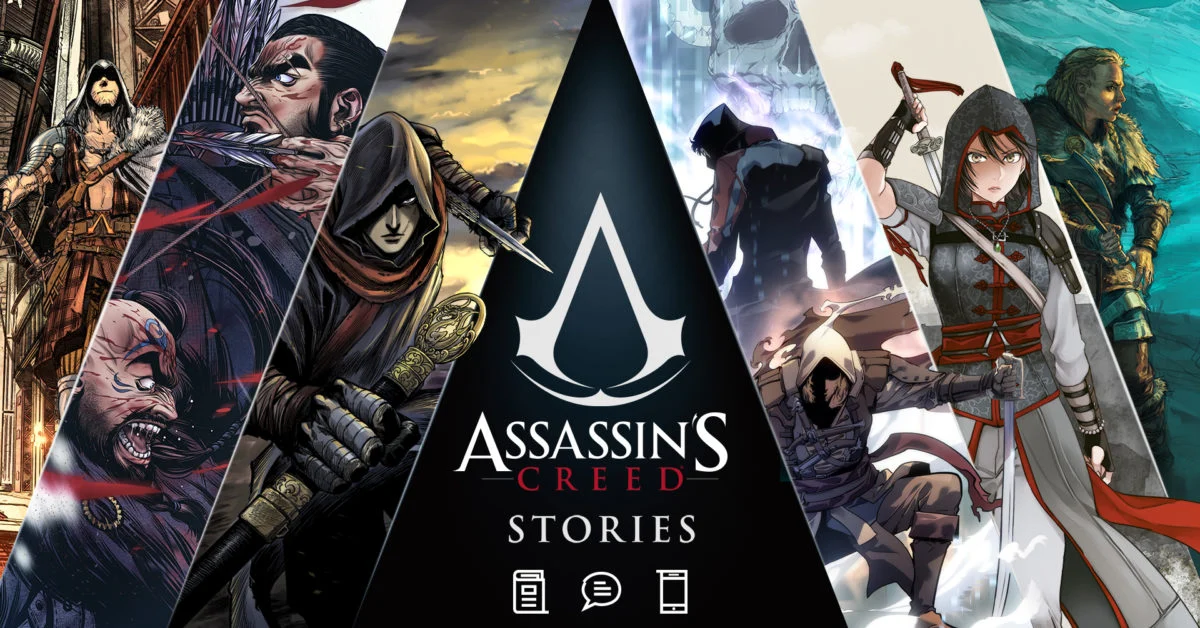
The Assassin’s Creed franchise, a cornerstone of modern gaming since its 2007 debut, is officially transcending the boundaries of the console. Ubisoft has announced a comprehensive strategic expansion that will see the long-running historical action series venture into entirely new creative territories, including webtoons, manhuas, podcasts, and young adult literature. By leveraging global partnerships and diversifying its storytelling formats, the publisher aims to transform the centuries-old conflict between the Brotherhood of Assassins and the Templar Order into a truly ubiquitous transmedia empire.
A New Era of Storytelling: The Triple-Tier Strategy
To organize this ambitious influx of content, Ubisoft has categorized its upcoming publications into three distinct pillars, designed to cater to both veteran fans and newcomers:
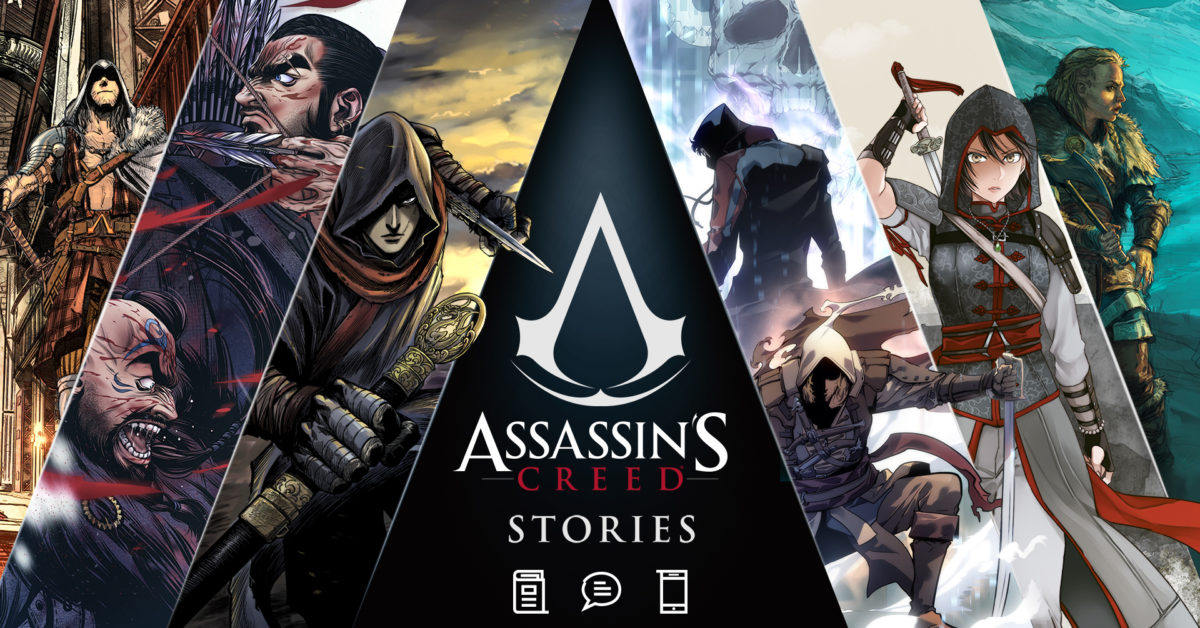
- Classics: These works serve as direct narrative adaptations or expansions of the lore established within the existing video game entries.
- Chronicles: These stories focus on the exploits of fan-favorite Assassins from the games, providing deeper insight into their lives and secondary missions.
- Originals: Perhaps the most expansive category, these works introduce entirely new protagonists, novel time periods, and fresh conflicts within the established universe, allowing for creative experimentation far beyond the constraints of the games.
The Roadmap: A Curated Selection of Upcoming Titles
The scale of this expansion is reflected in the diversity of its upcoming releases. Ubisoft has confirmed a slate of projects spanning the globe, with a heavy emphasis on Asian markets and youth-oriented storytelling.
The Young Adult Frontier: Fragments
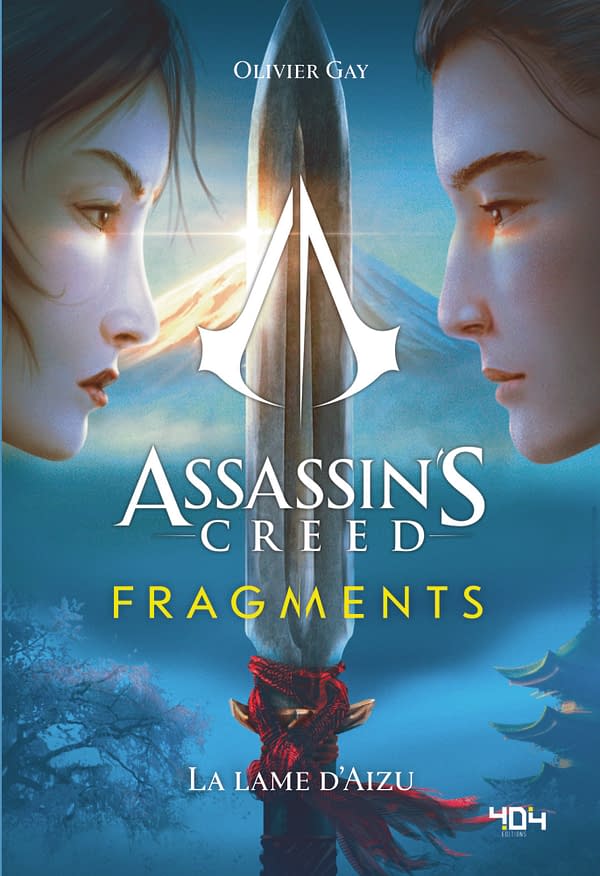
In partnership with the French publishing house Editis, Ubisoft is launching Fragments, an action-adventure young adult trilogy. The series centers on the complex relationships between siblings caught in the crossfire of the Assassin-Templar war. Each installment traverses a different historical epoch and geographical setting: the first in 19th-century Japan, the second in 13th-century Scotland, and the final volume in 17th-century France.
Exploring the Orient: The Jade Seal Collection and The Ming Storm
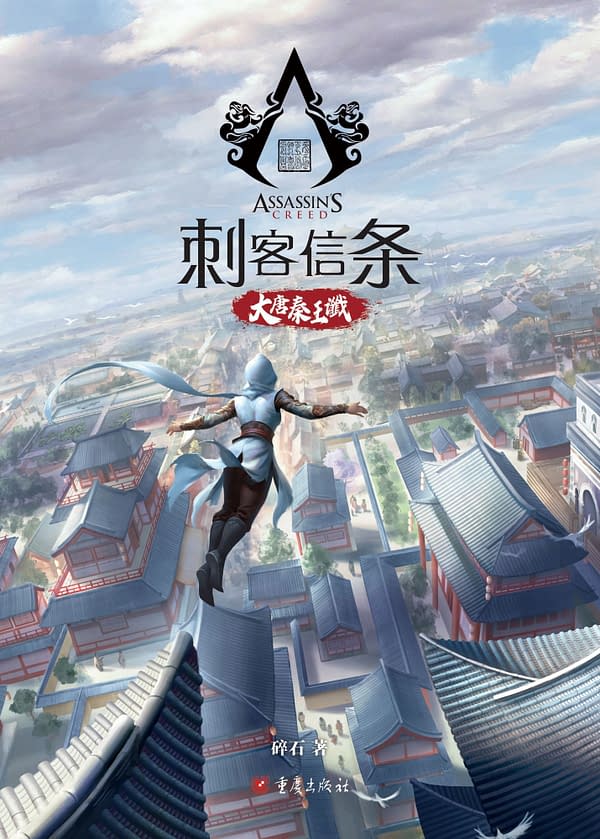
Highlighting the franchise’s commitment to Eastern history, The Jade Seal Collection is an ambitious project consisting of ten novels written by six renowned Chinese authors. Spanning from the Zhou Dynasty to the Ming Dynasty, these books promise to introduce a host of new Assassins and antagonists, grounding the series in authentic Chinese historical figures and cultural milestones.
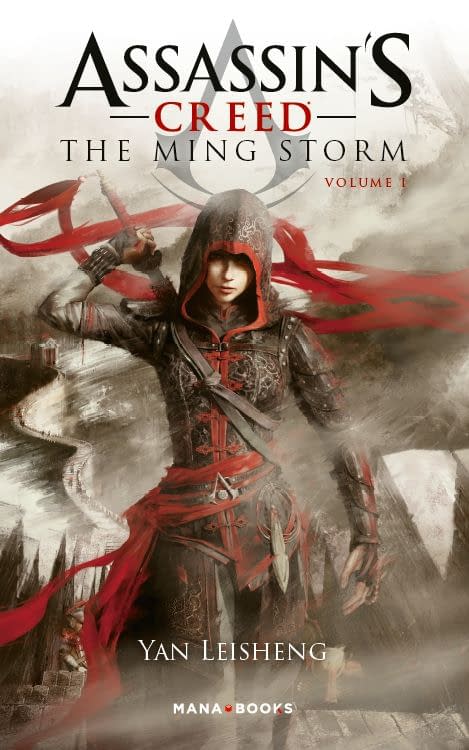
Simultaneously, Aconyte Books will release The Ming Storm on June 1, 2021. Authored by the acclaimed Yan Leisheng, this novel serves as the introduction to a trilogy focusing on Shao Jun—the protagonist of Assassin’s Creed Chronicles: China. This release is just the beginning of a larger partnership with Aconyte, which includes a planned trilogy set within the Assassin’s Creed Valhalla universe for 2022.
Visual Narratives: Manhuas and Webtoons
Ubisoft’s aggressive push into the Asian market is further evidenced by its collaboration with platforms like ULAB and partners like TOKYOPOP.
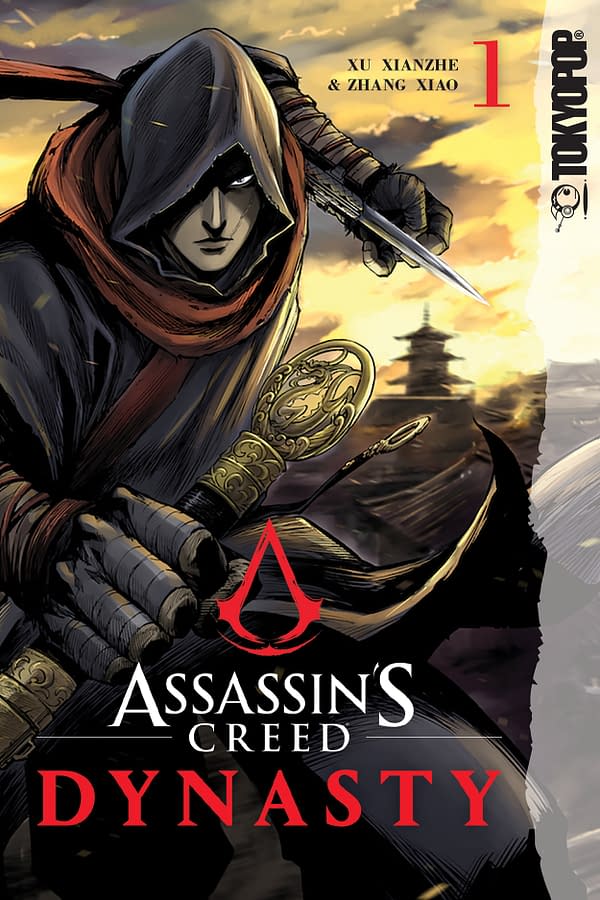
- Assassin’s Creed Dynasty: Originally a webcomic that amassed over 150 million views in China, this manhua follows the Assassin Li E during the Tang Dynasty. It is slated for a North American release in 2021.
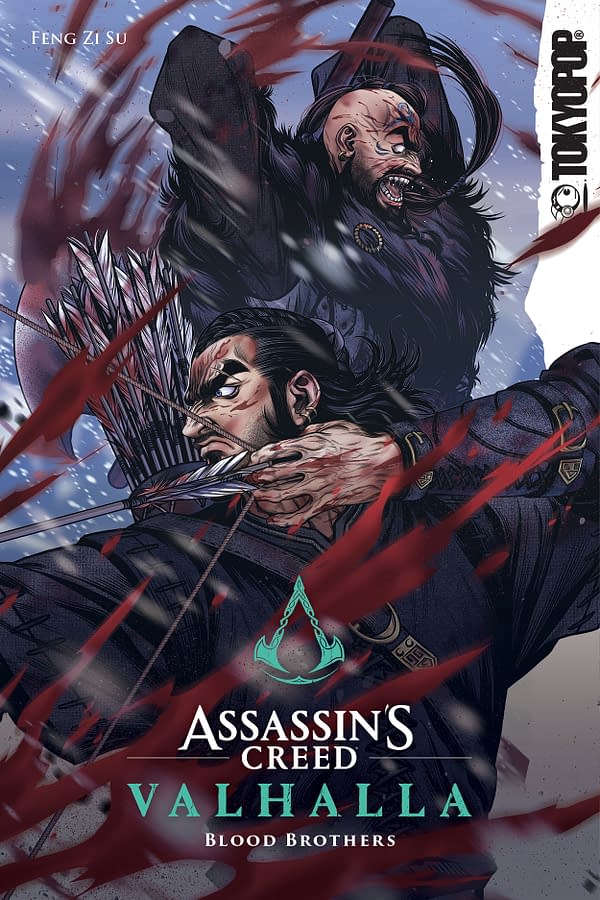
- Valhalla: Blood Brothers: A prequel to Assassin’s Creed Valhalla, this manhua explores the bond between two Viking brothers before the events involving Eivor the Wolf-Kissed.
- Webtoon Sequel: In a major move for digital-first audiences, a new webtoon is currently in development with Redice, serving as a direct sequel to the fan-favorite title Assassin’s Creed IV: Black Flag, focusing on the legacy of Edward Kenway.
Multimedia Immersion: Podcasts and Comics
The expansion extends into the auditory realm with the Turbulence in the Ming Dynasty podcast. Produced by China’s Ximalaya platform, the series features a professional cast, intricate sound design, and an original score, aiming to transport listeners directly into the 16th-century Ming Dynasty.
Additionally, Dark Horse Comics is releasing a collected hardcover edition of Assassin’s Creed Valhalla: Song of Glory, a prequel series that details the early adventures of Eivor and Sigurd. Meanwhile, VIZ Media is handling the distribution of Assassin’s Creed: Blade of Shao Jun, a manga that blends the historical narrative of the Chronicles game with a modern-day plotline involving an Abstergo-led trap for a teenager named Lisa.
Official Perspectives: The Philosophy of Transmedia
The shift toward a "global vision, local approach" is a calculated move to keep the franchise relevant across diverse demographics. Aymar Azaïzia, Transmedia Director at Ubisoft Montreal, emphasized the creative freedom this expansion affords: "With a license as rich as Assassin’s Creed, many creators are excited to offer their vision of the franchise! It’s a great creative opportunity to publish a work that is relevant to the genre in question and produced by authors or illustrators who are recognized in their field."
Julien Fabre, Associate Director of Publishing at Ubisoft, echoed these sentiments, noting that the company has actively sought to forge deep relationships with creators in Asia to ensure that the narratives remain culturally resonant. "With so many creators from all over Asia delivering innovative content, a priority for Ubisoft has been to forge new relationships with talented partners in the region," Fabre stated.
This sentiment was solidified by Etienne Bouvier, Publishing Content Manager, who characterized the initiative as a way to meet fans where they are. "We are all consumers of stories. With this global vision and local approach, we seek to offer our fans new content in formats they are familiar with, and with stories that are rooted in their cultural background and their history."
Industry Implications: Building an Everlasting Universe
The implications of this move are significant. For years, the Assassin’s Creed narrative was primarily driven by biennial or annual video game releases. By shifting to a multi-format, transmedia approach, Ubisoft is effectively ensuring that the "Brand" remains in the public consciousness year-round, regardless of the development cycle of the next major console title.
Furthermore, this strategy mirrors the successful models of other major intellectual properties like Star Wars or the Marvel Cinematic Universe. By allowing for "Original" stories that exist outside the main gaming canon but within the same lore, Ubisoft is lowering the barrier to entry for new fans. One does not need to have played hundreds of hours of Valhalla to enjoy a self-contained graphic novel or a serialized webtoon.
This also allows the publisher to test new settings and historical periods with lower financial risk than a triple-A game. If a particular setting, such as the Tang Dynasty or a specific era in Scotland, resonates strongly with the audience in these graphic novels, it could potentially pave the way for future full-scale video game adaptations.
Conclusion: The Path Forward
As Ubisoft continues to roll out these projects throughout 2021 and 2022, the Assassin’s Creed universe is poised to become one of the most robust and diversified transmedia properties in entertainment. By handing the reins to local creators and embracing formats that have gained massive traction in the digital age—such as webtoons and podcasts—the company is not just expanding its product line; it is evolving its storytelling philosophy to survive and thrive in a fragmented media landscape. Fans are encouraged to monitor the official Assassin’s Creed Stories website for ongoing updates as these projects move from development into the hands of the public.


 Pevita Pearce
 Azzam Bilal Chamdy





