Raul Delapena Setiawan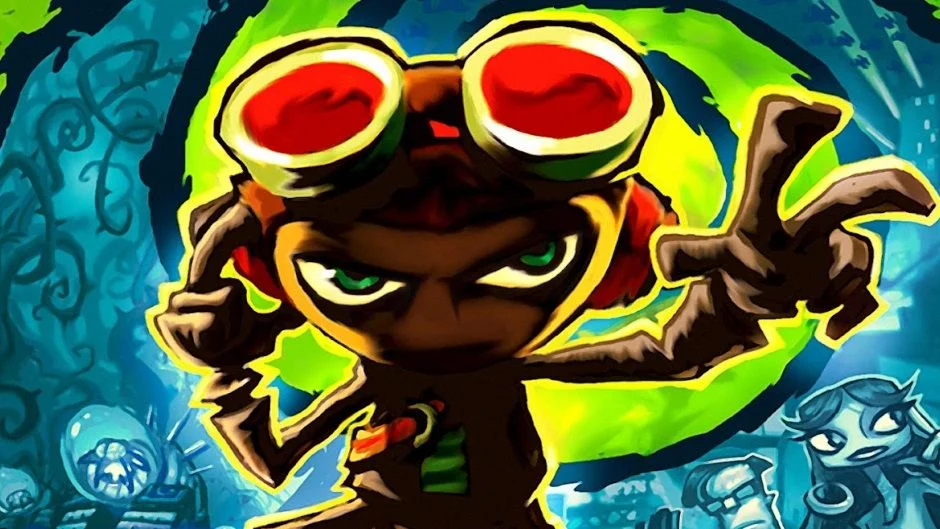
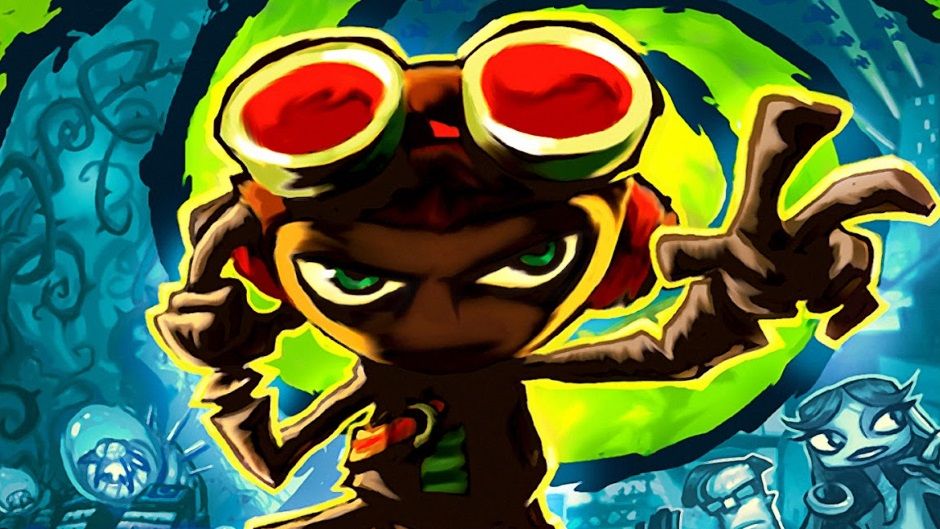
The landscape of the video game industry is undergoing a seismic shift. For decades, the sector was defined by a "crunch culture" and a lack of formal labor representation. However, the tide has turned. Double Fine Productions, the acclaimed first-party Xbox Game Studios developer responsible for genre-defining titles like Psychonauts, Brütal Legend, and Broken Age, has officially initiated the process to unionize.
This move, conducted under the banner of the Communications Workers of America (CWA), marks a significant milestone in the ongoing efforts by game developers to secure collective bargaining rights within the massive corporate structure of Microsoft.
The Core Facts: A Studio Seeks Representation
The petition for unionization involves 42 regular full-time and part-time employees at Double Fine. By organizing under the CWA, these workers are aiming to establish a formal framework to address grievances, solidify workplace standards, and ensure that the studio’s unique culture is protected as it operates under the umbrella of a global technology giant.
The union’s primary goal is clear: to preserve and extend the studio’s long-standing commitments to creative excellence, diversity, inclusion, and, perhaps most importantly, worker quality of life. By seeking voluntary recognition from Microsoft, the employees are signaling a desire for a collaborative path forward—one that avoids the adversarial tone often associated with industrial labor disputes.
A Chronology of the Labor Movement in Gaming
To understand the weight of the Double Fine announcement, one must look at the broader timeline of labor organization in the gaming sector over the past five years.
The Awakening (2018–2020)
For years, the industry was largely unorganized. The spark for change began in the late 2010s, fueled by high-profile exposés on "crunch"—the industry practice of mandatory, unpaid, or high-pressure overtime—and systemic workplace toxicity. Organizations like Game Workers Unite began to gain traction, advocating for the professionalization of game development roles.
The Pandemic Catalyst (2021–2022)
The global pandemic served as a major turning point. As studios transitioned to remote work, the isolation of the development process highlighted the need for more robust communication channels between staff and leadership. During this period, Raven Software (part of Activision Blizzard) made history by forming the first union at a major AAA studio, a move that sent shockwaves through the industry.
The Microsoft-Activision Era (2023–2024)
When Microsoft acquired Activision Blizzard, it entered into a labor neutrality agreement with the CWA. This agreement effectively lowered the barriers for unionization across the massive conglomerate. Double Fine, already a Microsoft subsidiary, now operates within this evolving ecosystem, where the "neutrality" of corporate leadership is a cornerstone of the current labor strategy.
Supporting Data: Why Now?
The decision to unionize is rarely impulsive. It is almost always a response to systemic pressures that have accumulated over time. Industry data and trends provide context as to why developers at a prestigious studio like Double Fine feel the need for a collective voice:
- Job Security in an Uncertain Market: The gaming industry has seen massive layoffs in 2023 and 2024. Even at successful studios, the fear of "restructuring" is omnipresent. A union provides a seat at the table during discussions regarding layoffs, restructuring, and studio closures.
- The Wage Gap vs. Living Costs: While developers are highly skilled professionals, their compensation often lags behind other software engineering sectors. Unionization allows for standardized pay bands and transparency in salary negotiations.
- The "Passion Tax": There is a long-standing culture in gaming that implies employees should be willing to accept lower pay or poorer conditions because they are "lucky to work in games." Unions serve to decouple passion from exploitation, ensuring that love for the craft does not come at the expense of mental health.
Official Responses: Navigating the Neutrality Agreement
The role of the Communications Workers of America (CWA) in this process cannot be overstated. As a powerful labor union, the CWA has provided the legal and strategic infrastructure necessary to navigate the complexities of National Labor Relations Board (NLRB) filings.
In their statement to Aftermath, the CWA highlighted that Double Fine leadership is "requesting voluntary recognition from the company." Voluntary recognition is a significant step; it signifies that the union hopes Microsoft will bypass the need for a contentious, drawn-out election process and simply acknowledge the union based on the evidence of support from the workers.
The union added, "We appreciate that Microsoft has taken a neutral approach and agreed not to interfere in any way with workers’ rights to organize unions." This neutrality is the linchpin of the current labor climate at Microsoft. By choosing not to fight the unionization effort, Microsoft is setting a precedent that contrasts sharply with the aggressive "union-busting" tactics employed by other tech and retail giants.
The Implications: What This Means for Double Fine and the Industry
The unionization of Double Fine is more than just a local news story; it is a bellwether for the entire AAA game development sector.
Implications for Studio Culture
Double Fine has always been viewed as a "boutique" studio—a place where creative vision, led by industry icons like Tim Schafer, takes precedence. Skeptics of unionization often argue that unions can create a rigid, bureaucratic environment that stifles creativity. However, the employees at Double Fine argue the opposite: that by securing their own well-being, they can focus more effectively on the creative risks that made Psychonauts a cult classic. If successful, this could prove that collective bargaining is compatible with artistic innovation.
The "Microsoft Effect"
As one of the largest employers in the gaming world, Microsoft’s neutral stance is transformative. By allowing its subsidiaries to unionize without interference, Microsoft is effectively redefining what it means to be a "good corporate citizen" in the 21st century. This forces competitors like Sony, Nintendo, and Take-Two Interactive to consider their own labor policies. If the industry standard shifts toward unionization, companies that resist may find themselves at a disadvantage in recruiting top-tier talent who now prioritize job stability and representation.
A New Model for AAA
Historically, unionization was largely limited to blue-collar or service-sector roles. The white-collar, highly specialized nature of game development was long thought to be "un-unionizable" due to the individualistic nature of creative work. The Double Fine movement, along with similar efforts at Bethesda Game Studios and ZeniMax, is shattering this myth. It suggests that creative workers are beginning to see themselves as part of a collective labor force, rather than just isolated "creatives" or "contractors."
Conclusion: The Path Ahead
The petition filed with the NLRB is the first step in a process that will likely result in formal contract negotiations. If the 42 workers at Double Fine are successful, they will join a growing cohort of organized game developers who are setting the terms of their own employment.
For a studio that has built its reputation on the whimsical, the surreal, and the imaginative, the move toward unionization is a grounded, pragmatic step into the future. It is a recognition that even in the most creative of environments, the fundamental relationship between worker and employer must be built on the bedrock of security, transparency, and mutual respect.
As the industry watches this development unfold, the message from the Double Fine staff is clear: the future of gaming isn’t just about the games we play—it’s about the people who make them, and their right to have a say in the conditions of their craft. Whether this leads to a new era of labor-management cooperation or a period of complex negotiations remains to be seen, but one thing is certain: the conversation about labor in video games is no longer on the fringes—it is now center stage.

 Layla Zulfa
 Lina Hope