

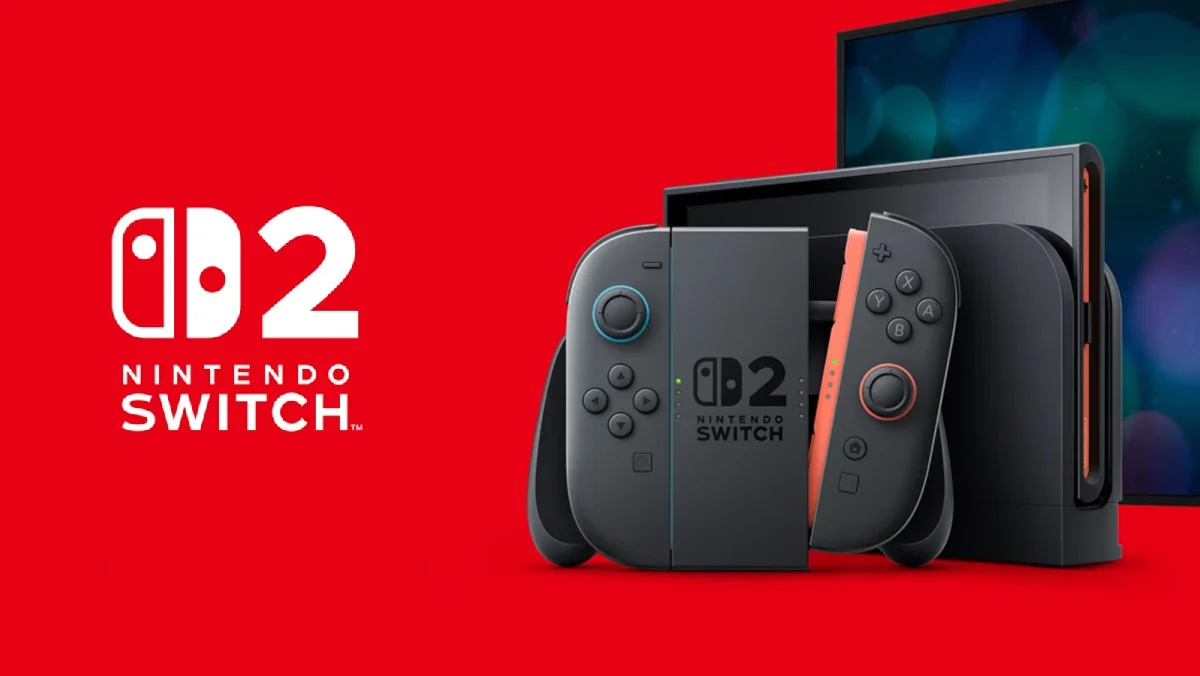
In the ever-evolving landscape of consumer electronics, stability is often a luxury. For millions of gaming enthusiasts who have eagerly awaited or already embraced the Nintendo Switch 2, the promise of a consistent price point has officially dissolved. Following a series of market shifts and supply chain volatility, Nintendo has announced a global restructuring of its hardware pricing, effectively ending the era of the $449.99 entry point for its next-generation console.
As of September 1, the Nintendo Switch 2 will see a $50 price increase, bringing the manufacturer’s suggested retail price (MSRP) to $499.99 in the United States. This adjustment is not isolated; it is a global phenomenon affecting major territories. European consumers will see a €30 increase, pushing the console to €499.99, while Canadian gamers are facing a CA$50 hike, resulting in a new price of CA$679.99. These changes serve as a stark reminder that even the most beloved gaming giants are susceptible to the harsh realities of global economics.
A Timeline of Escalation: From Hope to Hikes
To understand the current situation, one must look back at the recent history of Nintendo’s pricing strategy. Late last year, the industry was rocked by reports that the original Nintendo Switch was subject to price hikes driven by tariff-related cost increases. At the time, Nintendo sought to soothe investor and consumer anxiety by positioning the Switch 2 as a bastion of value, promising that the next-generation hardware would maintain a steady price point regardless of the turbulent market conditions affecting its predecessor.
For roughly six months, that promise held firm. However, as 2026 progressed, the "market conditions" cited by Nintendo began to deteriorate more rapidly than anticipated. By May, the conversation shifted from "holding the line" to "inevitable adjustment."
The chronology of this shift is particularly aggressive in Japan, the company’s home market. Starting May 25, Japanese consumers will face a double-pronged pricing strategy: not only will the Switch 2 increase in price, but the original Nintendo Switch models will also see a retroactive increase. Furthermore, the cost of Nintendo Switch Online—the company’s subscription-based service—is set to rise significantly, compounding the financial burden on the dedicated Nintendo ecosystem user.
The Economic Drivers: Why Costs Are Climbing
Nintendo’s official justification for these changes points to "changes in market conditions" and a "global business outlook." While these phrases are standard corporate vernacular, industry analysts suggest that the primary culprit is a perfect storm of supply chain constraints, most notably a persistent and severe global shortage of high-performance computer memory.
The Memory Bottleneck
Modern gaming consoles are heavily reliant on LPDDR5X RAM and high-speed NAND flash storage. As the demand for artificial intelligence hardware and data center expansion surges, the competition for these components has driven prices to historic highs. Because the Switch 2 utilizes advanced, high-density memory to power its hybrid architecture, Nintendo is directly competing with companies like NVIDIA and major cloud service providers for the same limited inventory. When supply is tight, costs rise, and those costs are inevitably passed down to the consumer.
Inflation and Logistics
Beyond raw components, the global economy is still grappling with the lingering effects of inflation. Logistics, energy costs, and labor in the manufacturing sector have seen steady, upward pressure. While Nintendo has historically maintained lean operating margins, the cumulative weight of these factors has left the company with little room to absorb further hits to their bottom line.
Official Responses: A Delicate Apology
In the wake of these announcements, Nintendo released a formal statement acknowledging the frustration of their user base. A company representative noted:
"We sincerely apologize for the impact these price revisions may have on our customers and other stakeholders, and we deeply appreciate your understanding. Our goal remains to provide unique and engaging entertainment experiences, and this adjustment is necessary to ensure the sustainability of our business and the continued delivery of high-quality hardware."
This statement highlights the balancing act Nintendo must perform: maintaining the brand’s reputation for being "family-friendly" and "accessible" while navigating the cold, hard math of manufacturing a premium piece of technology. The apology, while polite, offers no concessions or grandfathered pricing for those who haven’t yet purchased the console, suggesting that the decision is firm and finalized.
Sales Trajectory: Does Price Sensitivity Matter?
Despite the outcry that inevitably follows any price hike, the data suggests that Nintendo remains in a position of significant strength. The Switch 2 has demonstrated remarkable market penetration, with the company reporting that 19 million units have been sold since launch.
Crucially, the sales velocity of the Switch 2 continues to outpace the original Switch at the same point in its lifecycle. Even with conservative projections—lowered to 16.5 million units for the current fiscal year due to these price adjustments—the console is on track to become one of the fastest-selling devices in gaming history.
The "Nintendo Premium"
Why does the price hike seem unlikely to derail sales? Analysts point to the "Nintendo Premium." Unlike competitors who rely on hyper-realistic graphics and cutting-edge raw power, Nintendo’s value proposition is tied to its exclusive software library. With iconic franchises like Mario, Zelda, and Pokémon acting as a massive moat, many consumers are willing to pay a "Nintendo tax" to access these experiences. The demand for the Switch 2 is largely inelastic; for the die-hard fan, a $50 increase is a nuisance, but it is rarely a dealbreaker when compared to the value of the software library they are investing in.
Broader Implications for the Gaming Industry
The move by Nintendo signals a wider trend across the gaming industry. For years, the price of consoles was heavily subsidized by manufacturers, who expected to make up the difference through software sales and digital subscriptions. However, as the cost of development and manufacturing reaches record levels, the "subsidized console" model is becoming increasingly difficult to maintain.
1. The Death of the Budget Console
With the Switch 2 moving toward the $500 threshold, the "budget-friendly" nature of the Nintendo brand is being challenged. This creates a vacuum in the market for lower-cost, entry-level gaming devices, which may invite increased competition from mobile gaming and cloud-streaming handhelds.
2. Focus on Service Revenue
The simultaneous increase in Nintendo Switch Online subscription fees suggests that Nintendo is pivoting toward a more recurring-revenue-based model. By raising both the hardware cost and the subscription cost, the company is attempting to insulate itself against the volatility of hardware sales, ensuring a more predictable stream of income from its existing user base.
3. Impact on Competitive Strategy
How will Sony and Microsoft respond? Both companies have faced similar pressures, having already raised prices for their own hardware and subscription tiers over the last two years. Nintendo’s decision to follow suit reinforces the industry-wide consensus that the era of sub-$400 high-performance consoles is effectively over.
Conclusion: Navigating the New Normal
The road ahead for Nintendo and its consumers is one of adjustment. While the news of a $50 price increase for the Switch 2 is undoubtedly frustrating for those saving for their next gaming purchase, it reflects the broader economic reality of the tech sector in 2026.
Nintendo remains a juggernaut of the industry, and its ability to maintain high sales figures despite rising costs is a testament to the strength of its intellectual property. However, as the company moves deeper into the lifecycle of the Switch 2, it will need to continue justifying this higher price point through consistent software quality and improved service features.
As of September 1, the market will enter a new phase. Whether consumers will shrug off the increase or if this marks the beginning of a cooling period for Nintendo’s hardware dominance remains to be seen. For now, the "Big N" has played its hand, betting that the quality of its games will continue to outweigh the weight of its price tags.












No comments yet. Be the first to join the conversation!