Suro Senen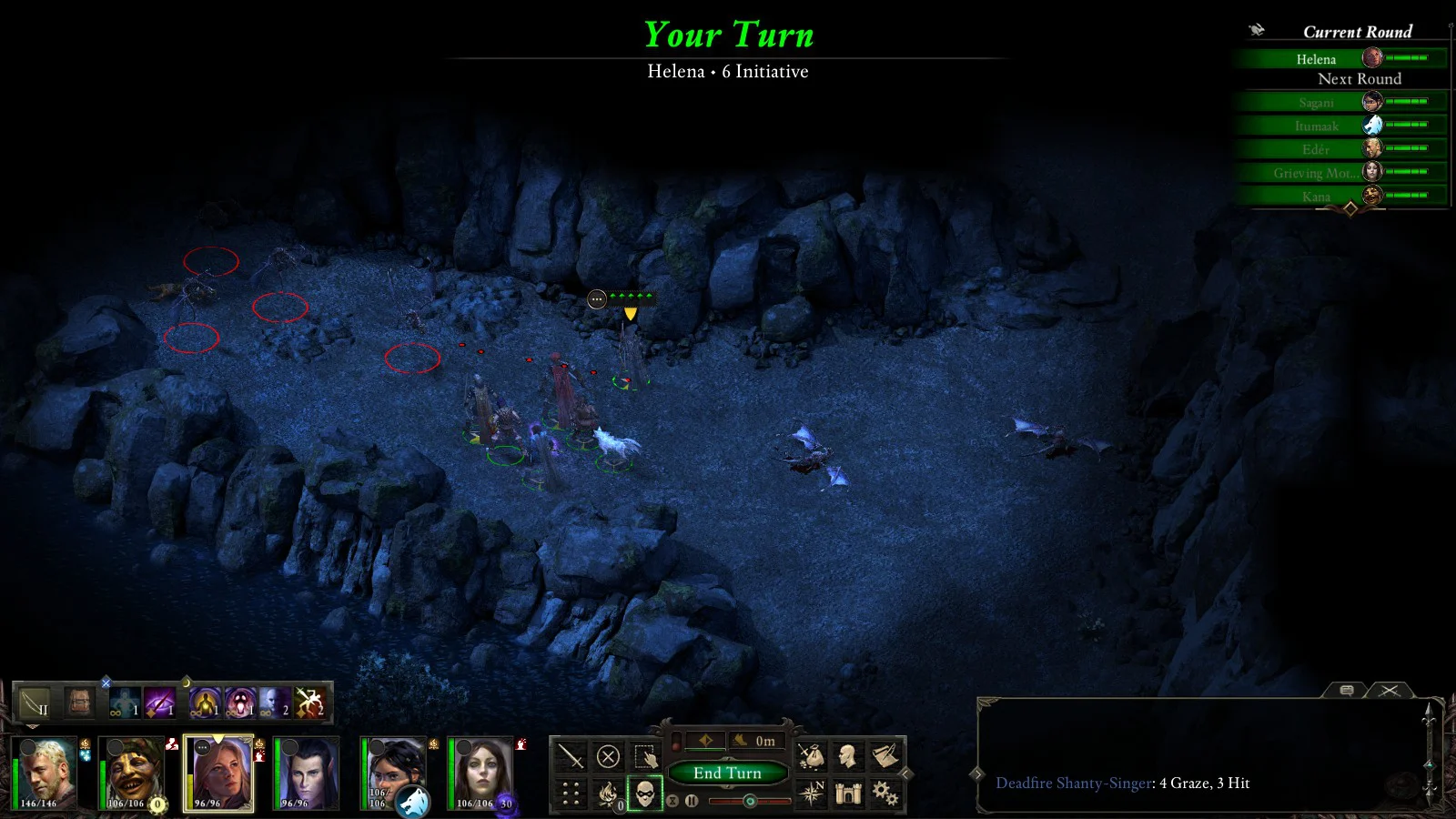
Ten years after its debut, Pillars of Eternity stands as a titan of the computer role-playing game (CRPG) genre. As the title that effectively resurrected the isometric aesthetic of the 1990s, Obsidian Entertainment’s magnum opus has remained a benchmark for narrative depth and world-building. However, in a gaming landscape increasingly defined by the tactical precision of turn-based combat—seen in recent hits like Baldur’s Gate 3 and Pathfinder: Wrath of the Righteous—Obsidian has breathed fresh life into their decade-old classic. By implementing a robust, developer-supported turn-based mode, Pillars of Eternity has transformed from a nostalgic homage into a modern tactical masterpiece.
The Evolution of a Modern Classic: Chronology and Context
When Pillars of Eternity was released in 2015, it was designed with a "Real-Time with Pause" (RTwP) combat engine, a nod to the Infinity Engine games of the late 90s. While that system offered a kinetic, chaotic thrill, a vocal segment of the player base campaigned for a turn-based alternative from the very first days of the game’s announcement.
For years, this request remained a "what-if" scenario, relegated to community mods. However, following the success of the sequel, Pillars of Eternity II: Deadfire—which eventually received its own official turn-based update—Obsidian took the initiative to backport the system to the original game.
The process was handled with the meticulous care of a long-term development project. Obsidian opened an extended public beta, inviting players to stress-test the systems. This community-driven development cycle allowed for the refinement of complex mechanics, ensuring that the transition from real-time to turns didn’t break the game’s internal balance. The result is a seamless integration that feels less like an afterthought and more like a definitive "Director’s Cut" for a new generation of players.
Tactical Precision: The Mechanics of the Turn-Based Shift
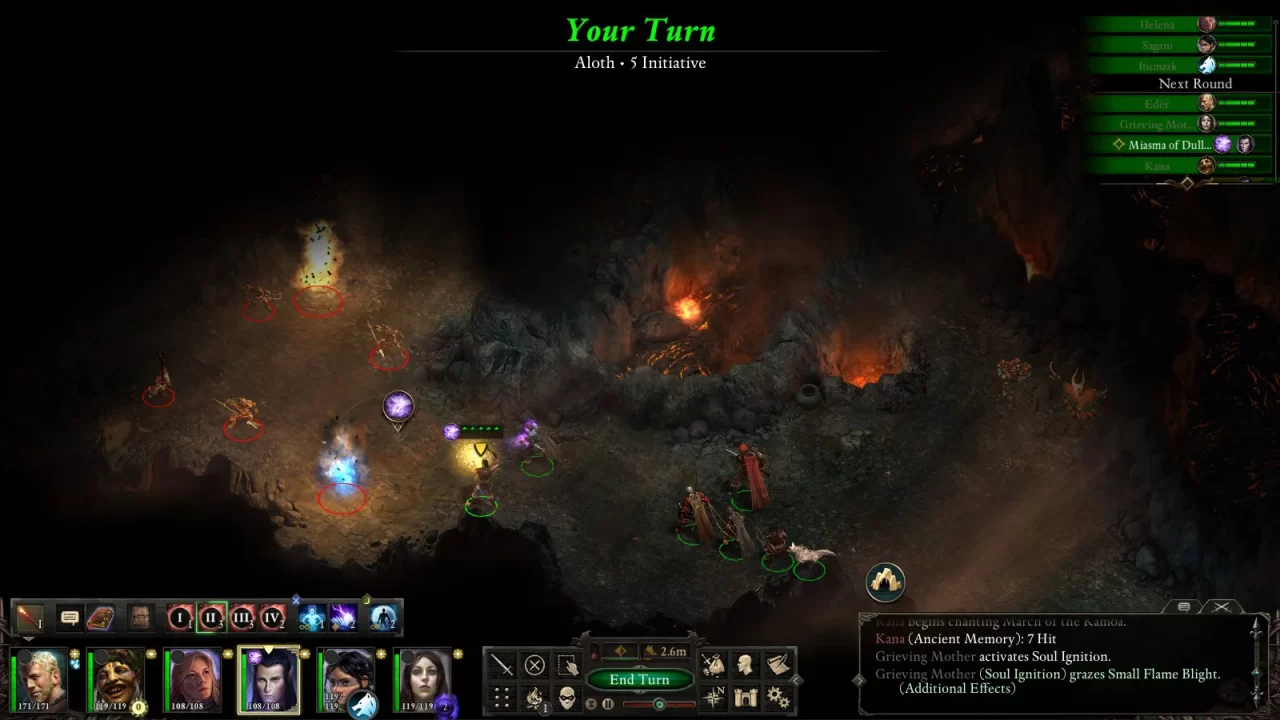
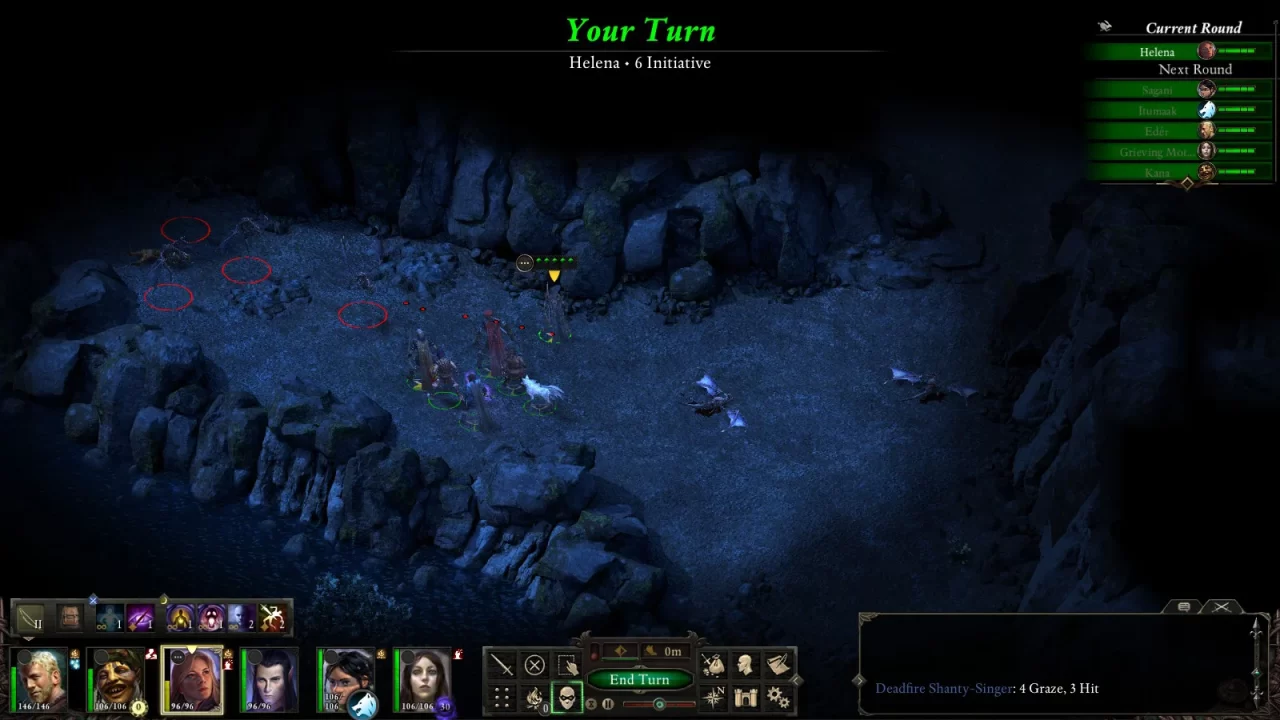
The most striking achievement of this update is how the developers translated the original combat logic into a turn-based framework. Instead of imposing a rigid "one action per turn" rule, the system respects the original game’s emphasis on character speed, weapon recovery, and action casting.
The Rhythm of Combat
The new system pivots on the speed of the character and their equipment. In this tactical iteration, lighter builds and faster weapons allow for multiple actions within a single round, while heavier, high-damage equipment—such as the massive rifles favored by characters like Kana Rua—require significant recovery time. This creates a distinct rhythm:
- Weighty Deliberation: Heavy weaponry provides a sense of impact, with long reload times forcing players to consider every shot.
- Tactical Mobility: Agile companions like the wolf Itumaak can dart across the field, harrying enemies and creating space, effectively controlling the flow of battle.
This shift has profound implications for tactical gameplay. Where RTwP combat often relied on frantic clicking and macro-management, the turn-based mode encourages a more cerebral approach. Crowd-control spells and traps, previously difficult to place effectively due to the chaotic nature of real-time movement, now shine as essential tools. The "Warding Seal" spell, for instance, becomes a precision instrument rather than a hopeful gesture, allowing players to dictate enemy movement with surgical accuracy.
Narrative Density and World-Building
While the combat overhaul is the primary draw for returning veterans, the core of Pillars of Eternity remains its richly novelistic narrative. Set in the world of Eora, the player assumes the mantle of a "Watcher"—a soul-sensitive individual capable of peering into the past lives of others.
The story is a haunting, existential mystery. It begins with a botched ritual and quickly evolves into the "Hollowborn Crisis," an epidemic where children are born without souls. This premise allows Obsidian to explore complex themes of faith, the manipulation of divinity, and the crushing weight of identity. At the center of this web is Thaos, an antagonist whose machinations span lifetimes, forcing the player to confront the foundational lies of their own society.
The narrative demands a high level of intellectual commitment. Much like Disco Elysium or the Baldur’s Gate series, the text is dense and layered, often rewarding players who take the time to re-read key passages or engage in deep dialogue trees. It is not a game designed for casual, distracted play; it is an experience that requires the player’s full, undivided attention to uncover its darkest secrets.
The Companions: Complexity and Character
The companions in Pillars of Eternity serve as more than just party members; they are vessels for the game’s most harrowing themes. Each character arrives with a set of internal burdens that complicate the player’s journey.
- The Grieving Mother: A standout character, her fractured psyche turns every conversation into a haunting reflection of her past as a midwife, slowly revealing a tragedy that defines her existence.
- Durance: A priest whose devotion to a merciless goddess is both his greatest strength and his most corrosive flaw, challenging the player’s perception of morality.
- Edér: A man masking deep-seated trauma with dry wit, whose search for his brother’s fate forces the player to confront the failures of the gods.
- Sagani: A ranger driven by a quiet, desperate need to return to her family, whose optimism is slowly eroded by the existential fear of being forgotten.
These companions do not simply follow; they challenge the player’s decisions, enrich the lore, and turn the world of the Dyrwood into a living, breathing space where every action has emotional consequences.
Implications for the Genre
The successful integration of a turn-based mode into a ten-year-old title has significant implications for the CRPG industry. It demonstrates that the longevity of these games relies not just on their narrative, but on their adaptability.
By removing the "exploitability" of real-time combat—such as pathfinding loops or kiting enemies through doorways—the turn-based mode forces a more "honest" engagement with the game’s systems. It creates a higher floor for difficulty, ensuring that players must truly understand their character builds and party synergies to survive the harder encounters.
However, the update also serves as a reminder of the game’s age. While the environments—hand-drawn, expansive, and filled with the ancient, imposing Adra formations—remain gorgeous, other aspects show the wear of time. The voice acting is inconsistent, the crafting system can feel cumbersome, and the prevalence of fetch-heavy quest design highlights the limitations of the genre’s tropes from a decade ago.
Official Responses and Community Impact
Obsidian Entertainment has remained relatively quiet regarding further updates, viewing this patch as the final, definitive polish on a project they have supported for a decade. The response from the community has been overwhelmingly positive. On forums and social media, long-time fans have praised the developers for prioritizing a legacy title, noting that the turn-based mode has bridged the gap between the "old guard" of CRPG players and a new generation accustomed to the methodical pace of modern titles like Larian Studios’ recent work.
Conclusion: An Old Warrior with New Stories
Pillars of Eternity was, and remains, a crowning achievement in narrative-driven gaming. While it carries the rough edges of its era, its core remains untarnished. The turn-based update is a triumph of design, proving that a solid, well-thought-out system can recontextualize an entire game.
Whether you are a veteran of the Dyrwood or a newcomer intimidated by the real-time chaos of the original release, this version of the game offers a new way to engage with one of the most sophisticated stories ever told in the medium. It is an invitation to step back into the shadows, to peel away the illusions of the gods, and to experience the journey once more—one turn at a time. The game may be ten years old, but in its new form, it feels like it is just beginning.


 Asro
Asro
 Muslim