


The 1990s stand as a monumental era for the first-person shooter (FPS) genre, a decade where digital battlefields transformed from rudimentary mazes into sprawling, narrative-rich experiences. It was an era defined by groundbreaking technological leaps, daring experimental gameplay, and a burgeoning appreciation for storytelling that elevated the FPS from a simple arcade-style distraction to a legitimate narrative medium. Games like Doom and Quake not only pushed the boundaries of what was graphically possible but also laid the foundational architecture for countless shooters that would follow, shaping the genre for decades to come.
Beyond the sheer technical prowess, the 90s witnessed a significant shift in how FPS campaigns were crafted. As the industry matured, so did the emphasis on engaging narratives and compelling player journeys. Developers began to recognize the potential for first-person perspectives to immerse players not just in combat, but in rich worlds brimming with lore, character, and meaningful objectives. This evolution meant that FPS campaigns started to offer more than just a series of escalating challenges; they began to deliver cohesive, often unforgettable, single-player adventures.
This article will explore the ten most impactful FPS campaigns of the 1990s, examining their innovations, their narrative strengths, and their enduring legacy. We will delve into the games that not only defined the decade but also set new benchmarks for storytelling and gameplay in the genre, proving that the FPS could be as intellectually stimulating and emotionally resonant as it was viscerally exciting.
The Dawn of a New Era: Early Innovations in FPS Campaigns
The early 1990s saw the FPS genre solidify its identity, driven by titles that dared to push the envelope. These games weren’t just about shooting; they were about exploration, puzzle-solving, and the creation of immersive worlds.

Duke Nukem 3D: An Innovative Next Step
Released: January 29, 1996
Developer: 3D Realms
Engine: Build
For all his crude, offensive behavior and language, the one thing that has consistently defined the Duke Nukem franchise is its unapologetic self-awareness. Duke is a character who, in many ways, is a relic of a bygone era, a larger-than-life persona often played for laughs. It’s this meta-commentary and tongue-in-cheek humor that has consistently made the franchise so enduringly enjoyable.
Duke Nukem 3D, in particular, was a significant step forward for the genre. It was among the first titles to truly emphasize player interactivity and the freedom to explore environments in depth. The ability to discover secret areas, hidden items, and environmental details by meticulously examining the game world was a philosophy that would profoundly influence not only future titles from 3D Realms but also the broader FPS landscape. This focus on environmental detail and emergent gameplay fostered a sense of discovery that was rarely seen before.
As is characteristic of the franchise, Duke Nukem 3D masterfully ramps up the chaos from the outset. Each level feels distinct and fresh, offering a unique challenge and setting. This design choice ensures that players rarely feel as though they are repeating the same experiences or visiting monotonous environments. The pacing of Duke Nukem 3D is, in a word, perfect, masterfully balancing intense action with moments of exploration and discovery.

South Park: Capturing the Zeitgeist
Released: December 21, 1998
Developers: Appaloosa Interactive, Iguana Entertainment
Publisher: Acclaim Entertainment
It’s almost impossible to envision the late 1990s without the pervasive cultural phenomenon that was South Park. The show was intrinsically linked to the pop culture zeitgeist of the era, and as 3D gaming began to mature, it was a natural progression for the animated satire to make its mark on the burgeoning digital landscape.
The self-titled South Park game, released in 1998, held a particular fascination for many teenagers at the time. Obsessed with the television show, the opportunity to step into the boots of the foul-mouthed fourth-graders was an immediate draw. The game perfectly encapsulated the crude, offbeat, and irreverent humor that defined the iconic animated series. Creators Matt Stone and Trey Parker lent their voices to the project, ensuring that the writing possessed an authentic voice that resonated deeply with fans of the cartoon.
The gameplay itself, while perhaps not as technically groundbreaking as some other titles on this list, was undeniably charming. It captured the spirit of the show through its dialogue, character interactions, and the often absurd scenarios players found themselves in. The game’s ability to translate the anarchic energy of South Park into an interactive experience made it a standout title for fans of the franchise.

Alien vs. Predator: A Heavyweight Showdown of Survival
Released: May 13, 1998
Developer: Rebellion Developments
Platform: PC, Mac
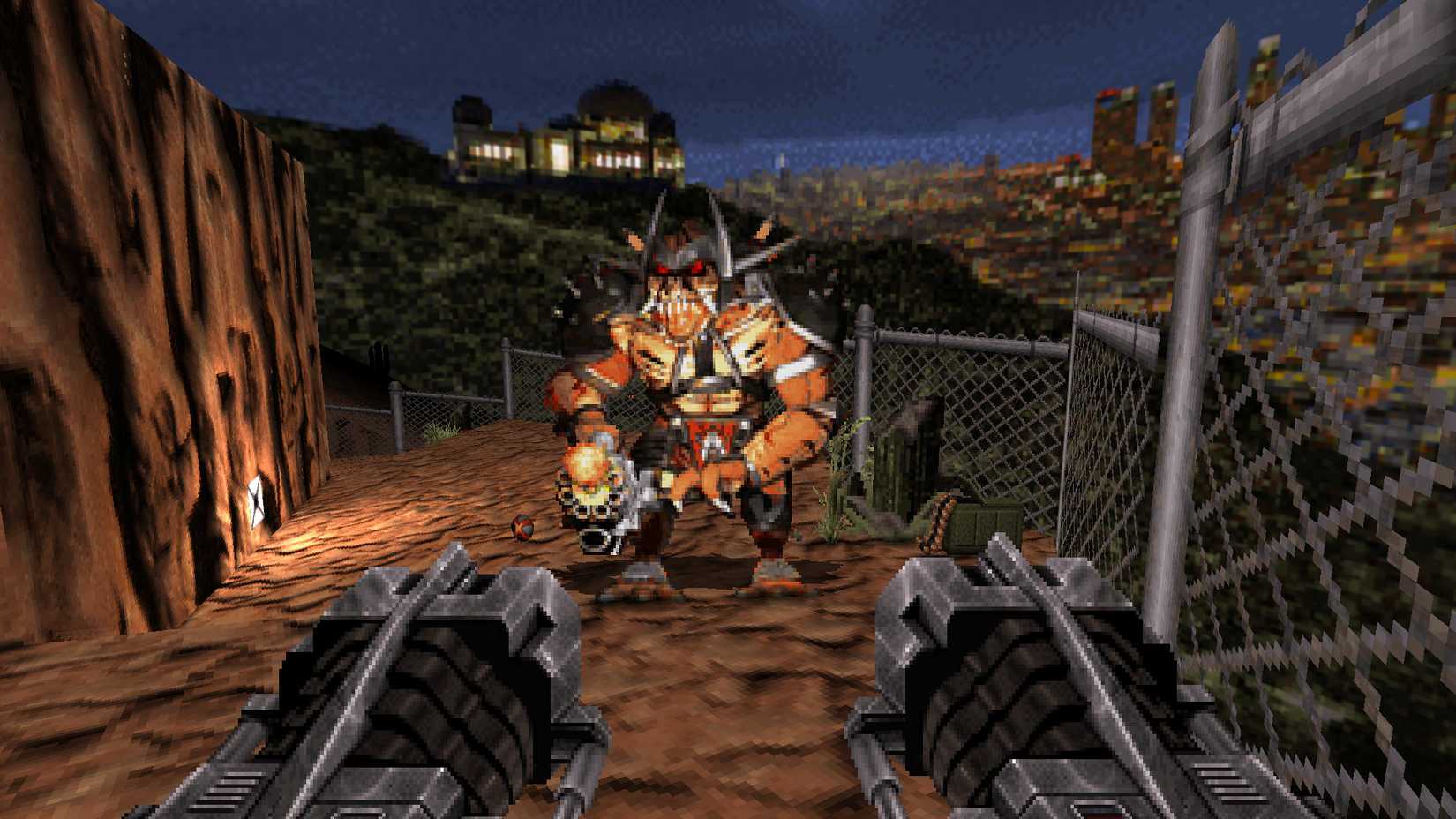
The iconic rivalry between the Xenomorphs and Predators has captivated audiences for decades, originating in a 1989 comic book and evolving into a multimedia franchise encompassing films, books, and, of course, video games. The 1998 PC release of Alien vs. Predator stands as a monumental achievement in translating this visceral conflict into an interactive FPS experience.
While a "Gold Version" released two years later refined the gameplay, the original 1998 iteration remains a spectacular experience that holds up remarkably well. The game’s genius lies in its multi-faceted approach, offering three distinct campaigns: one as the terrifying Xenomorph, another as the technologically advanced Predator, and a third as the resourceful Colonial Marine. This diverse perspective provided players with radically different gameplay mechanics and survival strategies, each tailored to the strengths and weaknesses of their chosen species.
What truly elevates Alien vs. Predator is its masterful level design. Each campaign is filled with some of the most heart-pounding, claustrophobic, and tension-filled environments ever crafted in an FPS. The feeling of being hunted as a Marine, or stalking prey as a Predator, is incredibly palpable. Even over two decades later, Alien vs. Predator is widely regarded as one of the finest 90s FPS games, a testament to its enduring design and its ability to deliver pure, unadulterated terror.
The Mid-90s Renaissance: Expanding Horizons and Deepening Narratives
The mid-90s saw the FPS genre embrace more complex narratives and innovative gameplay mechanics, moving beyond pure action to incorporate elements of strategy, role-playing, and atmospheric storytelling.
Turok 2: Seeds of Evil: Existential Dinosaur Dread
Released: October 26, 1998
Developer: Iguana Entertainment
Platform: Nintendo 64
The Nintendo 64 era was a pivotal period for console FPS games, with titles like GoldenEye 007 and Turok: Dinosaur Hunter proving that the genre could thrive beyond the PC. Turok 2: Seeds of Evil built upon this foundation with a game that offered a blistering pace and a unique approach to narrative.
While Turok 2 may not have presented a traditional, cinematic storyline, it excelled at crafting compelling scenarios that were rich with implied lore and thematic depth. The game’s narrative focus was on creating an interesting and immersive world rather than adhering to a conventional plot. This allowed for a greater emphasis on environmental storytelling, where the player could piece together the game’s overarching themes of forbidden knowledge and the lurking horrors of the game’s universe through subtle clues and atmospheric design.

The gameplay in Turok 2 was characterized by its relentless action and expansive levels. The player, as Turok, was thrust into a prehistoric world teeming with dangerous dinosaurs and alien adversaries. The game’s design encouraged exploration and survival, with a wide array of primitive and futuristic weaponry at the player’s disposal. This blend of primal combat and science-fiction elements created a unique and memorable experience that cemented Turok 2 as a standout title of the N64’s FPS library.
System Shock: The Birthplace of the Immersive Sim
Released: September 23, 1994
Developer: Looking Glass Technologies
Publisher: Origin Systems
Warren Spector, the acclaimed creator of Deus Ex, famously articulated a design philosophy aimed at creating games that were "an inch wide and a mile deep." This philosophy, which prioritized depth and player agency over breadth, found one of its most profound early expressions in System Shock. Largely considered one of the seminal titles that pioneered the "immersive sim" genre, System Shock remains a masterclass in atmospheric dread and psychological horror.
Even by modern standards, the game’s ability to evoke a sense of creeping unease and existential terror is remarkable. The desolate, metallic corridors of Citadel Station, stalked by the malevolent AI SHODAN, create an unparalleled atmosphere of isolation and vulnerability. The game masterfully uses its sound design and environmental cues to build tension, making every creak, every distant scuttling sound, a potential harbinger of doom. This approach to environmental storytelling and atmosphere is something that contemporary immersive sims still strive to emulate.
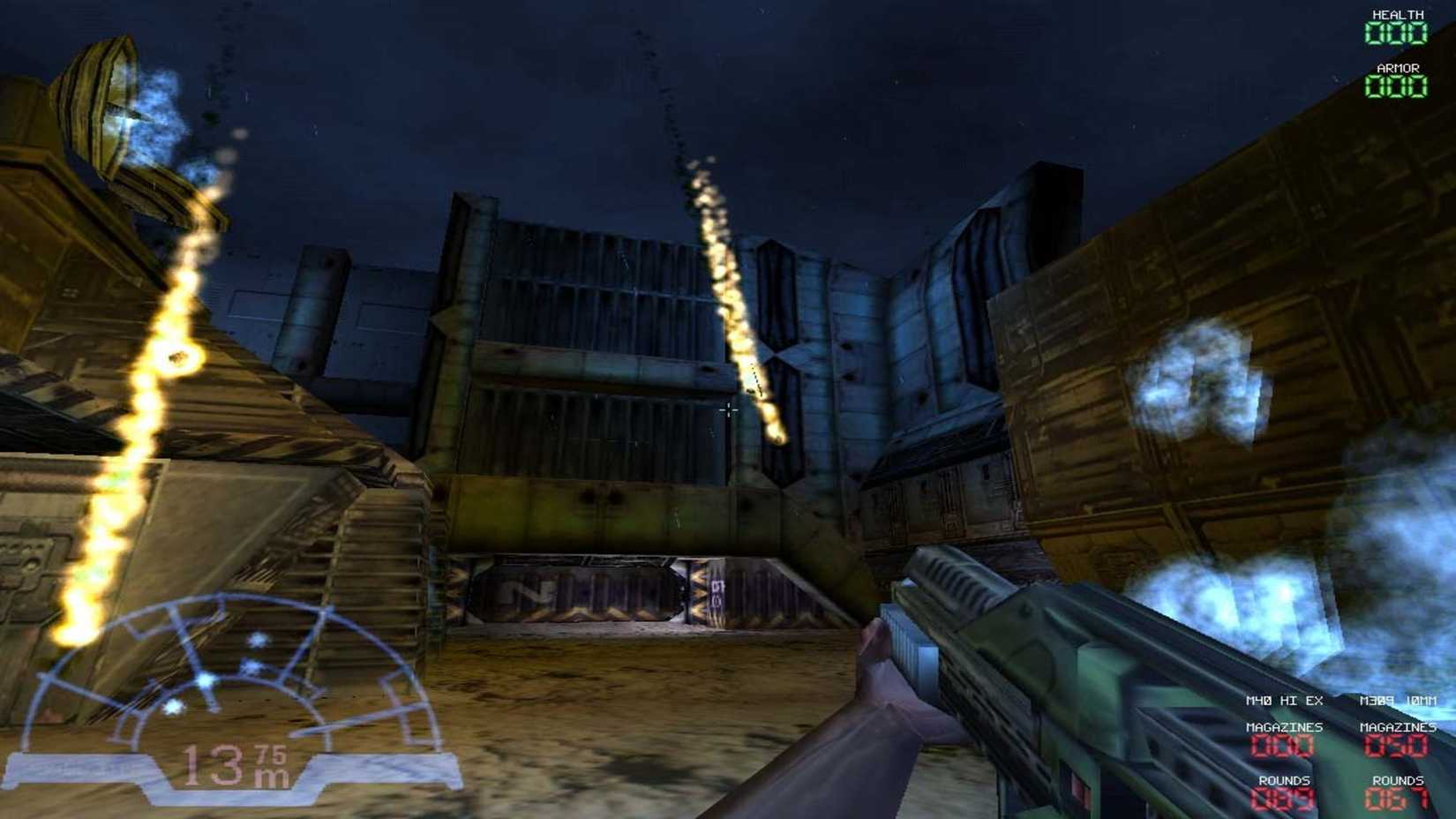
The gameplay in System Shock encouraged a multifaceted approach to problem-solving. Players were not simply tasked with shooting their way through obstacles; they were encouraged to utilize stealth, hacking, and resource management to overcome challenges. The open-ended nature of the game, allowing players to approach objectives in various ways, was revolutionary for its time and laid the groundwork for the rich player choice that defines the immersive sim genre today. The narrative, delivered through audio logs and environmental clues, painted a chilling picture of technological hubris and the dangers of unchecked artificial intelligence.
Star Wars Jedi Knight: Dark Forces II: A Return to a Galaxy Far, Far Away
Released: October 31, 1997
Developer: LucasArts
Platform: PC
Following the conclusion of the original Star Wars film trilogy in 1983, the universe felt somewhat dormant in terms of major cinematic releases. However, the advent of CD-ROM technology and the ability to incorporate full-motion video cutscenes breathed new life into the franchise’s interactive endeavors. Star Wars Jedi Knight: Dark Forces II emerged as a testament to this evolution, delivering an experience that felt like a genuine continuation of the Star Wars saga.
Dark Forces II was a significant leap forward for Star Wars games, being among the first to feature live-action cutscenes, building upon the precedent set by Star Wars: Jedi Knight. This infusion of cinematic flair significantly enhanced the game’s immersion, making players feel as though they were participating directly in a Star Wars production. The game captured the essence of what makes Star Wars so beloved: the blend of gritty underworld dealings with classic space opera tropes.
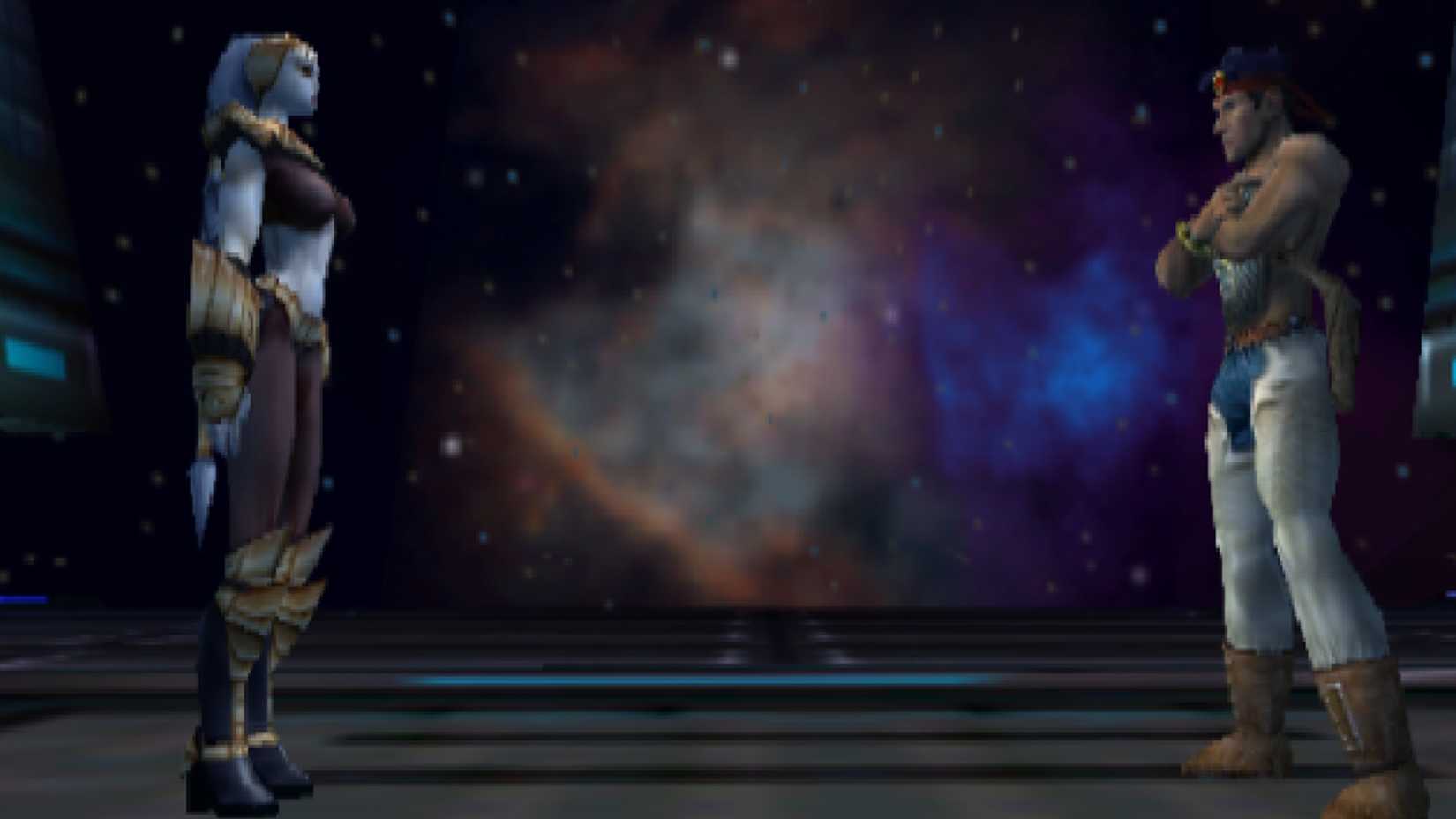
The gameplay itself was robust and engaging, offering a satisfying mix of blaster combat and the eventual incorporation of Force powers. The introduction of lightsaber combat and Force abilities provided players with a dynamic range of combat options, allowing them to truly embody a Force-sensitive protagonist. The game’s visual design, with its dark and atmospheric environments, contributed to a grimy, lived-in feel that perfectly complemented the narrative. Dark Forces II showcased the direction Star Wars gaming was heading, merging thrilling action with a deep connection to the franchise’s iconic lore.
Star Trek Generations: The Underrated Gem of the Final Frontier
Released: May 21, 1997
Developer: MicroProse
Platform: PC
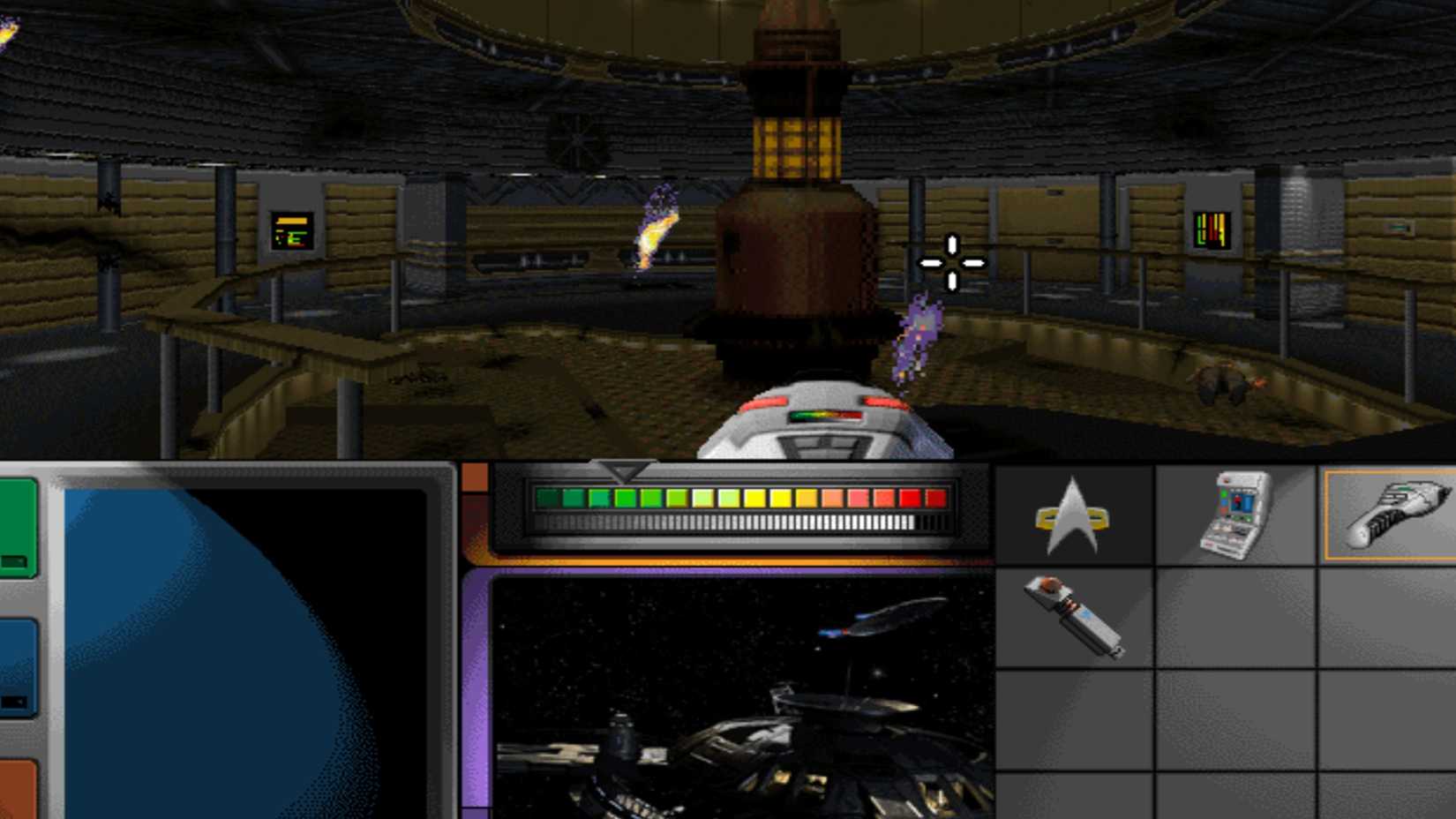
The 1990s marked a golden age for Star Trek, with multiple television series and feature films dominating the cultural landscape. This era of interstellar exploration naturally extended to video games, with developers striving to capture the authentic spirit of the franchise. Star Trek Generations, an adaptation of the 1994 film of the same name, stands out as one of the most fascinating and underrated FPS titles of the decade.
What sets Star Trek Generations apart is its unique fusion of genres. It’s not purely a shooter; it seamlessly blends first-person action with classic adventure game elements, creating an experience that feels akin to a Star Trek episode infused with the survival and puzzle-solving mechanics of titles like Resident Evil. This unconventional approach meant players had to engage with inventory management and resource allocation, adding a strategic layer to the exploration and combat.
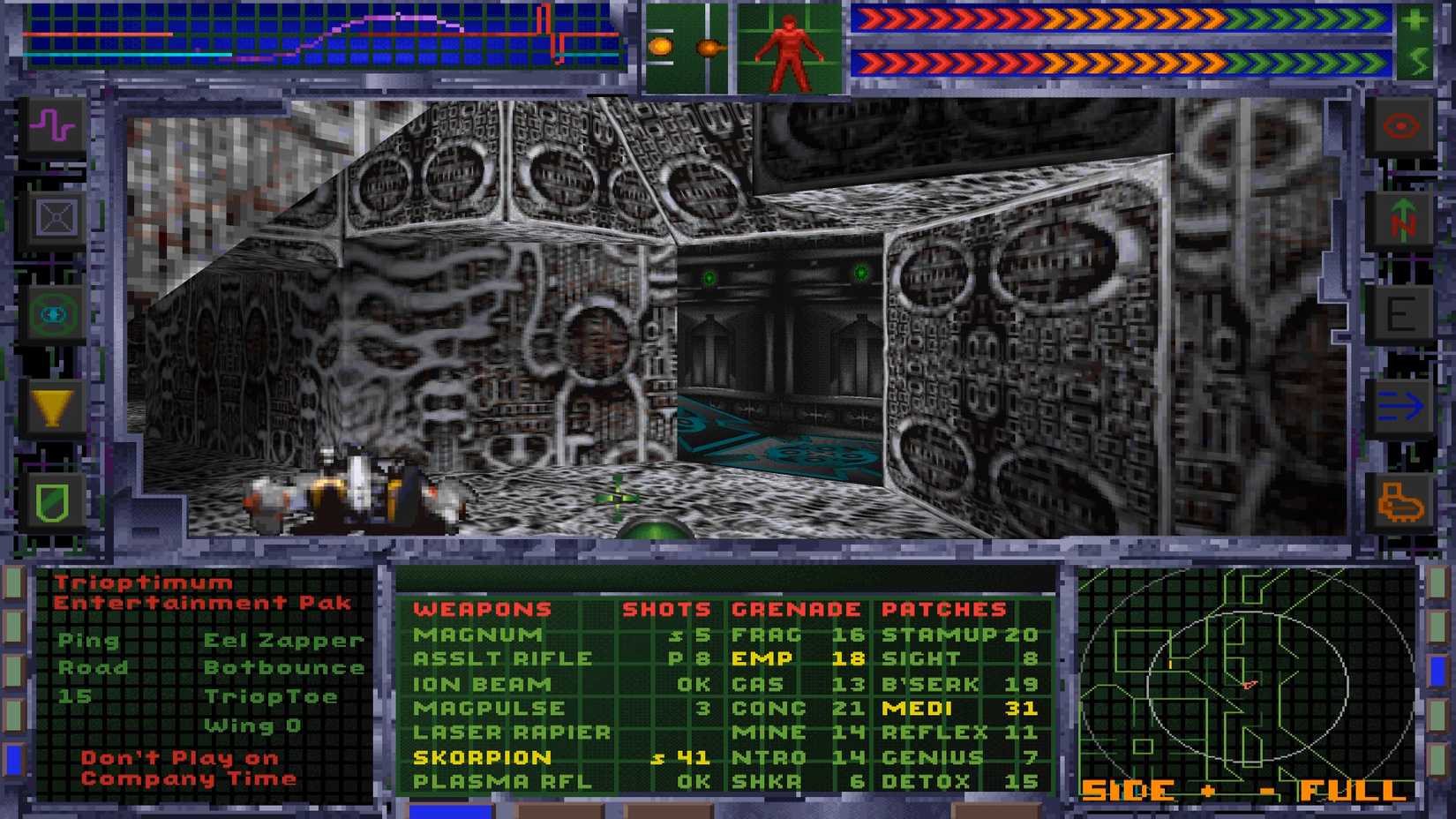
The game’s controls and movement feel remarkably fluid, especially for a title of its age. The developers at MicroProse succeeded in crafting an experience that truly felt like stepping into the shoes of a Starfleet officer. The game masterfully captures the essence of the Star Trek universe, from its technological marvels to its focus on exploration and diplomacy, all while delivering engaging first-person combat. Star Trek Generations is a prime example of how licensed games could transcend simple adaptations and offer truly innovative and enjoyable gameplay experiences.
The Late-90s Apex: Refining the Formula and Setting New Standards
As the decade drew to a close, FPS campaigns reached new heights of polish, narrative sophistication, and sheer entertainment value, solidifying the genre’s place in the gaming pantheon.
Medal of Honor: Bleak and Moody Realism
Released: October 31, 1999
Developers: DreamWorks Interactive
Publishers: Electronic Arts
Platform: PC, PlayStation
While the early 2000s saw World War II shooters become a dominant force, their roots can be firmly planted in the 1990s, with titles like Wolfenstein and Medal of Honor. Spearheaded by director Steven Spielberg through his DreamWorks Interactive label, the original Medal of Honor was one of the first games to approach the horrific realities of World War II with a stark, somber tone, treating the conflict with the gravity it deserved.
The PS1’s graphical capabilities, with their inherent limitations, paradoxically contributed to Medal of Honor‘s unsettling atmosphere. The era’s distinctive visual style, often characterized by its somewhat blocky textures and muted color palettes, lent the game an almost analog horror feel. This bleak, brooding art direction created a powerful sense of immersion, drawing players into the grim realities of the battlefield.
Despite its age, Medal of Honor remains a remarkably compelling game to play. The movement feels responsive and impactful, and each mission is expertly designed to escalate enemy threats and mission objectives, creating a satisfying sense of progression and increasing challenge. The game’s commitment to historical authenticity, coupled with its atmospheric presentation, set a new standard for military shooters and paved the way for future installments in the franchise and the genre as a whole.
Star Wars: Dark Forces: A Fond Farewell to an Era
Released: February 28, 1995
Developer: LucasArts
Platform: PC
The enduring relationship between Star Wars and video games has been a cornerstone of the medium for decades. Even during periods where the franchise’s game output might have felt inconsistent, there have always been standout titles that capture the magic. Star Wars: Dark Forces is one such game, a title that remains a winner regardless of the year it’s played.

Dark Forces was groundbreaking in its exploration of a key plot point in the Star Wars universe: the clandestine acquisition of the Death Star plans. This narrative element, which would be revisited and recontextualized in later installments, was a revelation for fans growing up during this era, offering a deeper dive into the lore beyond the main film saga. Anything that expanded the Star Wars universe felt like invaluable treasure.
Having experienced Dark Forces countless times, the feeling of playing it always evokes a sense of experiencing Star Wars at one of its absolute creative peaks. The game exudes a relentless swagger and undeniable charm that is simply infectious. Its success wasn’t just in its adherence to the Star Wars formula; it was in its execution, offering a compelling FPS experience that felt both authentic to the source material and innovative for its time.
Half-Life: The Undisputed Champion of 90s FPS Campaigns
Released: November 19, 1998
Developers: Valve
Publisher: Sierra Studios
Engine: GoldSrc, Source
There are few games that leave as profound and lasting an impression as Valve’s original Half-Life. Even years later, across countless hours spent with new and upcoming shooters, it remains rare to find a game that resonates with the same unique blend of dark humor, meticulously crafted science fiction, and unparalleled narrative immersion.
Half-Life is a game that is fully committed to its intricate world and provides surprisingly robust, often scientifically plausible, explanations for the extraordinary events that unfold. The seemingly mundane opening moments at the Black Mesa Research Facility serve as a brilliant prelude to the ensuing chaos. It’s precisely this grounding in the ordinary that makes the extraordinary events befalling protagonist Gordon Freeman feel so earned and believable.
The game’s pacing is a masterclass in cinematic storytelling. Half-Life expertly balances moments of intense action with periods of quiet exploration and puzzle-solving, creating an experience that flows seamlessly from one dramatic event to the next. The narrative unfolds organically through the player’s perspective, without relying on traditional cutscenes, immersing the player directly into the unfolding crisis. No other FPS campaign from the 1990s comes close to matching the sheer pace, structural brilliance, and overall quality that Half-Life so effortlessly displays. It remains, without question, the greatest shooter campaign of the decade.
Conclusion: A Legacy That Continues to Inspire
The 1990s were a transformative decade for the first-person shooter. Developers pushed technological boundaries, experimented with narrative structures, and ultimately delivered campaigns that were not only exhilarating to play but also deeply engaging and memorable. From the emergent gameplay of Duke Nukem 3D to the atmospheric horror of System Shock and the unparalleled storytelling of Half-Life, these games laid the foundation for the modern FPS and continue to inspire developers and players alike. Their influence is undeniable, a testament to the creative spirit and innovative drive that defined the golden age of the genre.










No comments yet. Be the first to join the conversation!