

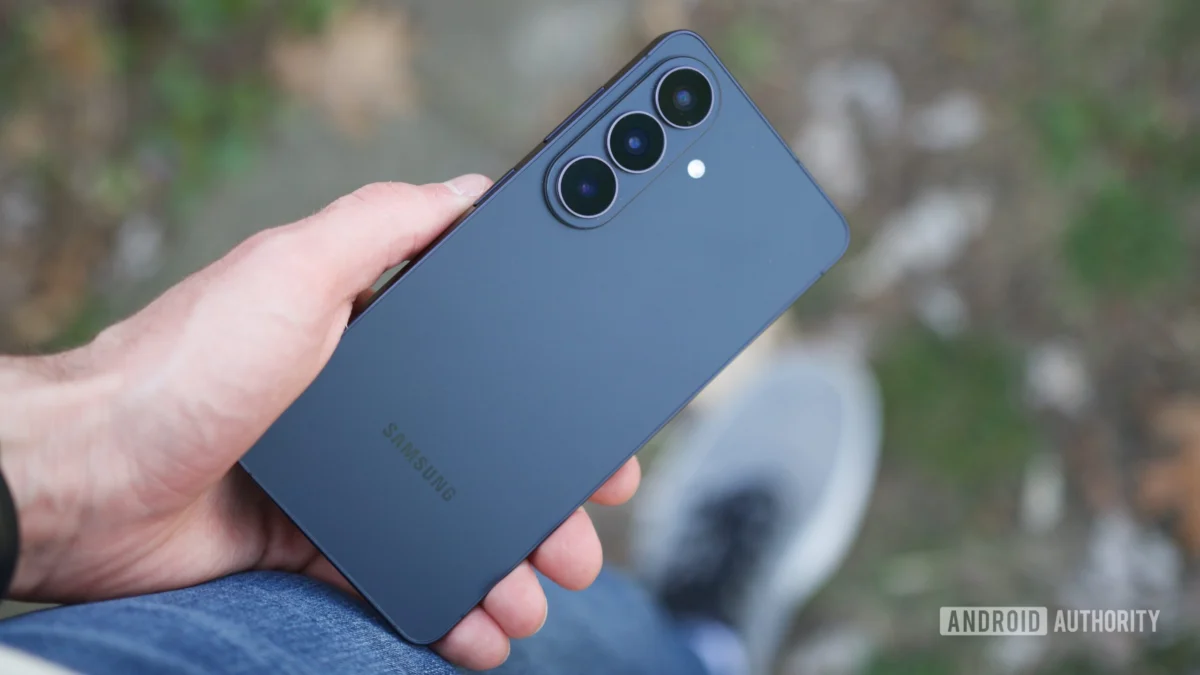
In February 2026, Samsung officially unveiled its Galaxy S26 series, a launch that—as expected—dominated the mobile industry conversation. Among the lineup, the base model Galaxy S26 is being marketed as the premier choice for those seeking a "smaller" Android experience. However, a significant gap persists between marketing rhetoric and physical reality. While the S26 is undeniably more manageable than its gargantuan "Ultra" counterparts, it is not a small phone by any historical definition.
As we traverse the mid-point of the decade, the industry has reached a consensus that a 6.3-inch display constitutes the lower bound of "compact." For enthusiasts who remember the ergonomic perfection of the Sony Xperia XZ2 Compact or the Samsung Galaxy S10e, this shift represents a loss of choice. The death of the truly small phone is a structural trend, but as battery and camera technologies evolve, it is a trend that is becoming increasingly difficult for manufacturers to justify.
The Chronology of Oversizing: From 5 Inches to 6.3
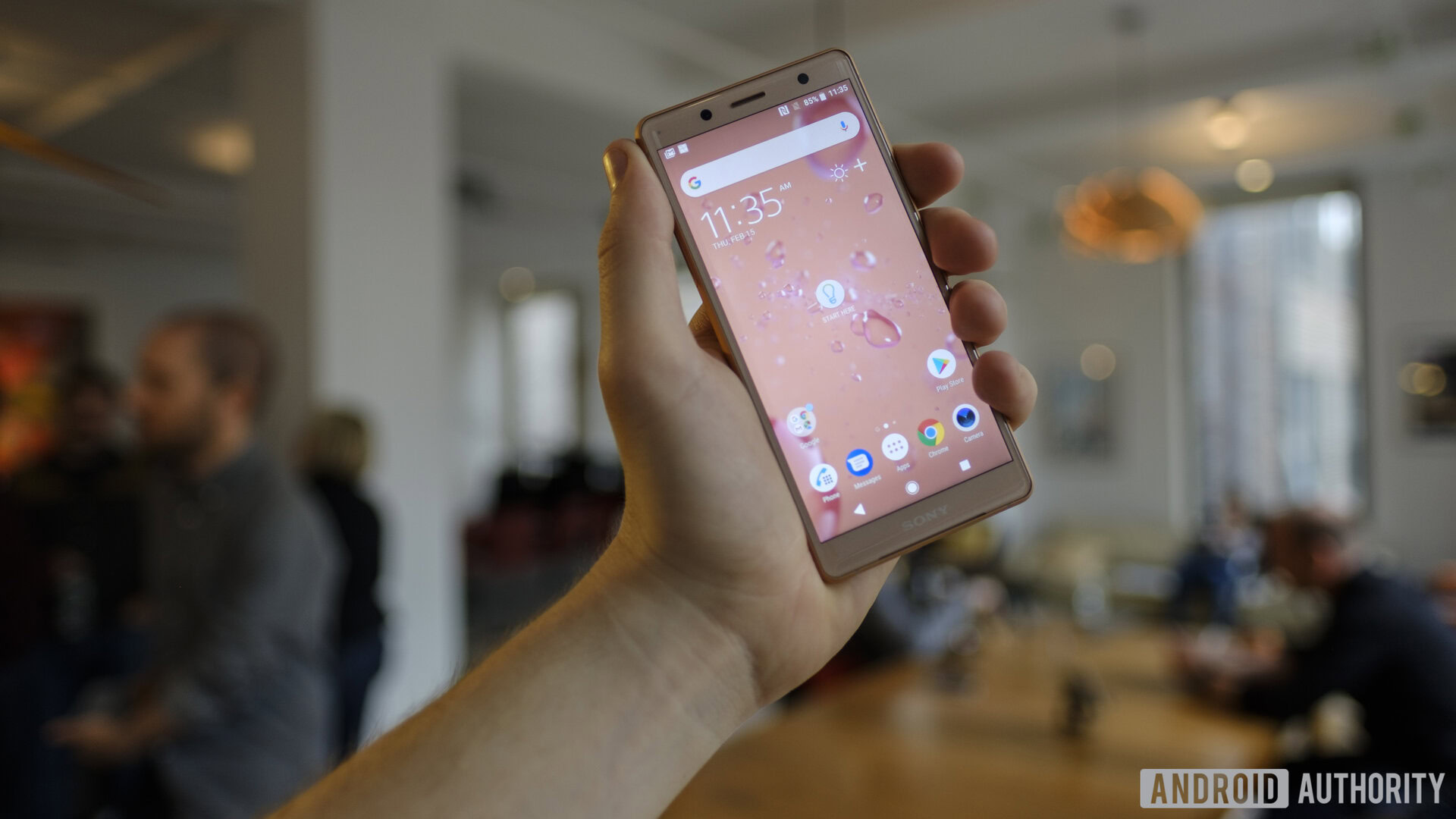
To understand the current state of the market, one must look at the steady migration of smartphone dimensions over the last decade. In the mid-2010s, the "Compact" branding was a staple of the Android ecosystem. Sony’s Xperia Compact series, for instance, set the gold standard: high-end processors, water resistance, and premium sensors packed into frames with 4.6- to 5-inch screens.
By 2019, the Samsung Galaxy S10e arrived with a 5.8-inch display, maintaining a footprint that felt purpose-built for one-handed operation. However, the COVID-19 pandemic and the subsequent explosion in mobile media consumption shifted consumer behavior. As streaming, mobile gaming, and social media dominance accelerated, the demand for "phablet" screen real estate became the primary driver of design.
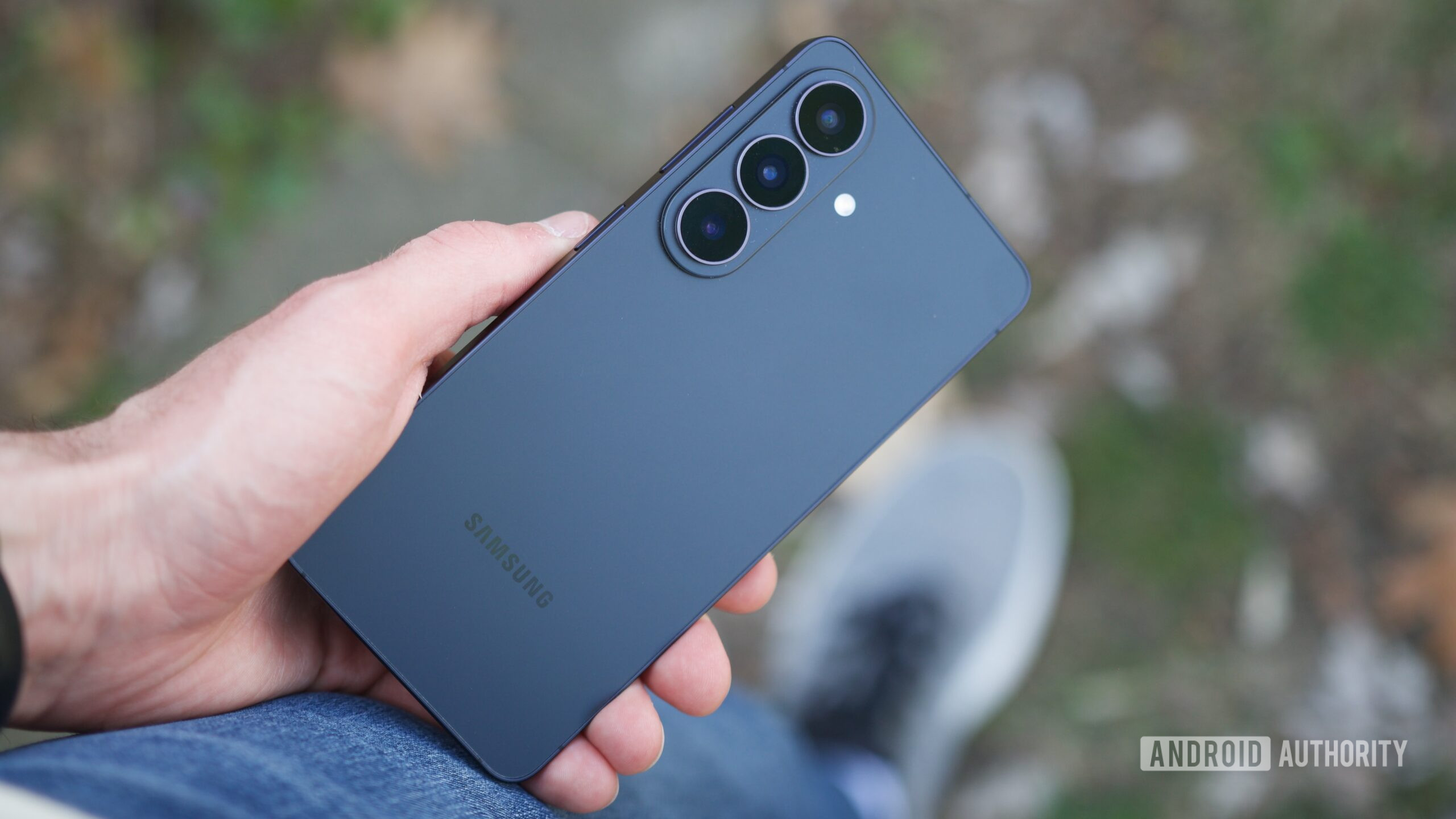
By 2023, the sub-6-inch market had effectively evaporated. By 2026, even the most "compact" flagships from manufacturers like Xiaomi, vivo, and Samsung have settled firmly into the 6.3-inch range. The industry has effectively redefined "small" to mean "a large phone that is slightly less large than the others."
The Technological Argument: Silicon-Carbon and Efficiency
The primary argument against small phones has always been a triad of compromises: battery life, thermal management, and camera housing. Manufacturers have long argued that a device under 6 inches cannot house the high-capacity cells required to power modern 5G modems and high-refresh-rate displays.
However, 2026 presents a different landscape. We are currently witnessing the maturation of silicon-carbon battery technology. Unlike traditional lithium-ion cells, silicon-carbon batteries offer significantly higher energy density. This allows engineers to pack larger capacities—5,500mAh or even 6,000mAh—into physically smaller footprints.
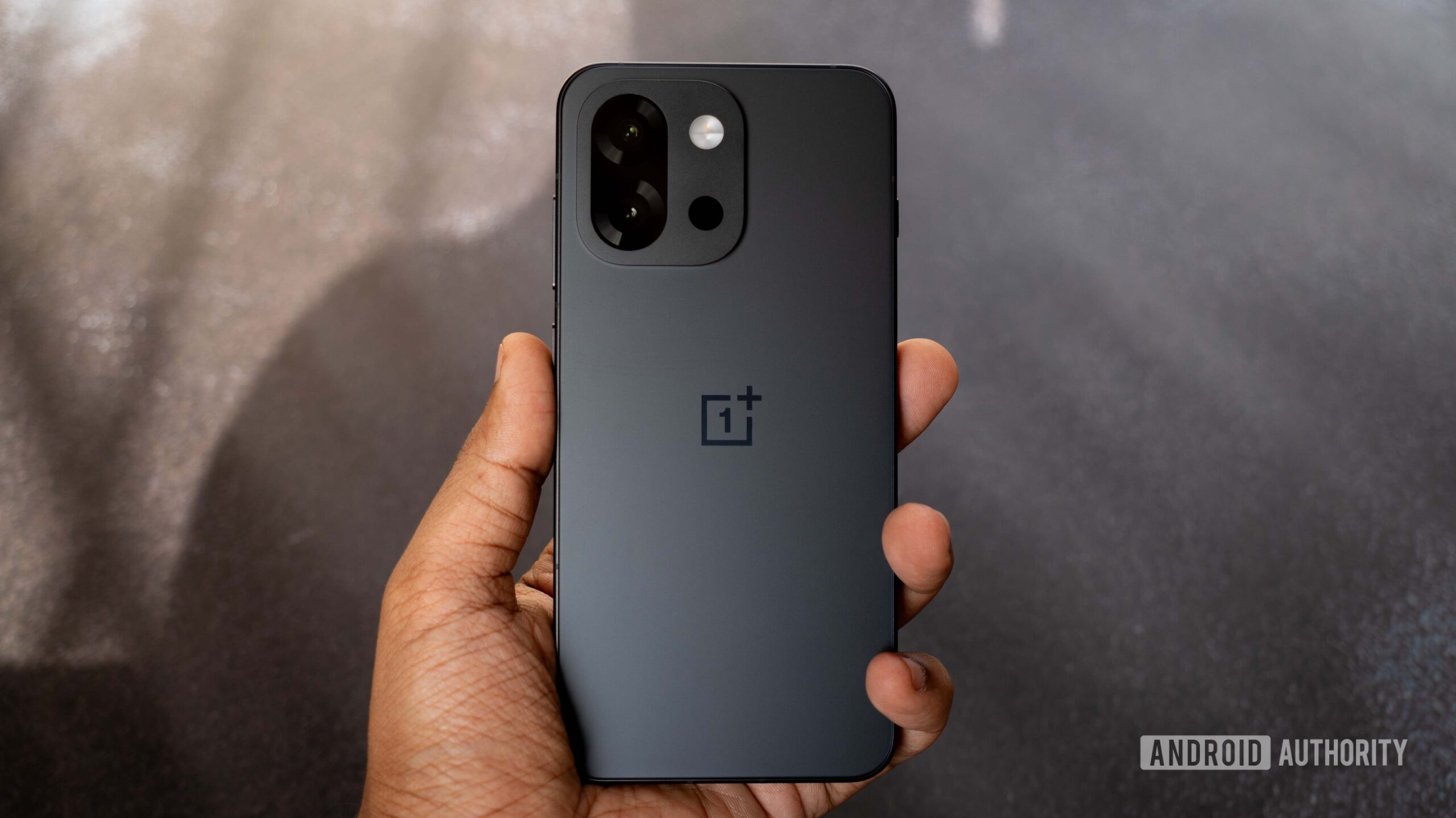
We see this evolution in the current market: the OnePlus 15T, despite its 6.32-inch display, houses a massive 7,500mAh battery. The implication for a hypothetical 5.8-inch device is clear: if a manufacturer were to utilize this technology, they could easily provide a 5,000mAh battery in a chassis that is truly pocketable.
Furthermore, the heat-generation problem is being mitigated by the silicon itself. The Snapdragon 8 Elite Gen 5 chip demonstrates that we have reached a point of diminishing returns in raw power, leading to a focus on efficiency. With a 16% reduction in power consumption compared to its predecessor, the 8 Elite proves that high performance no longer requires a massive chassis to dissipate heat.
Innovations in Optics: The ALoP Revolution
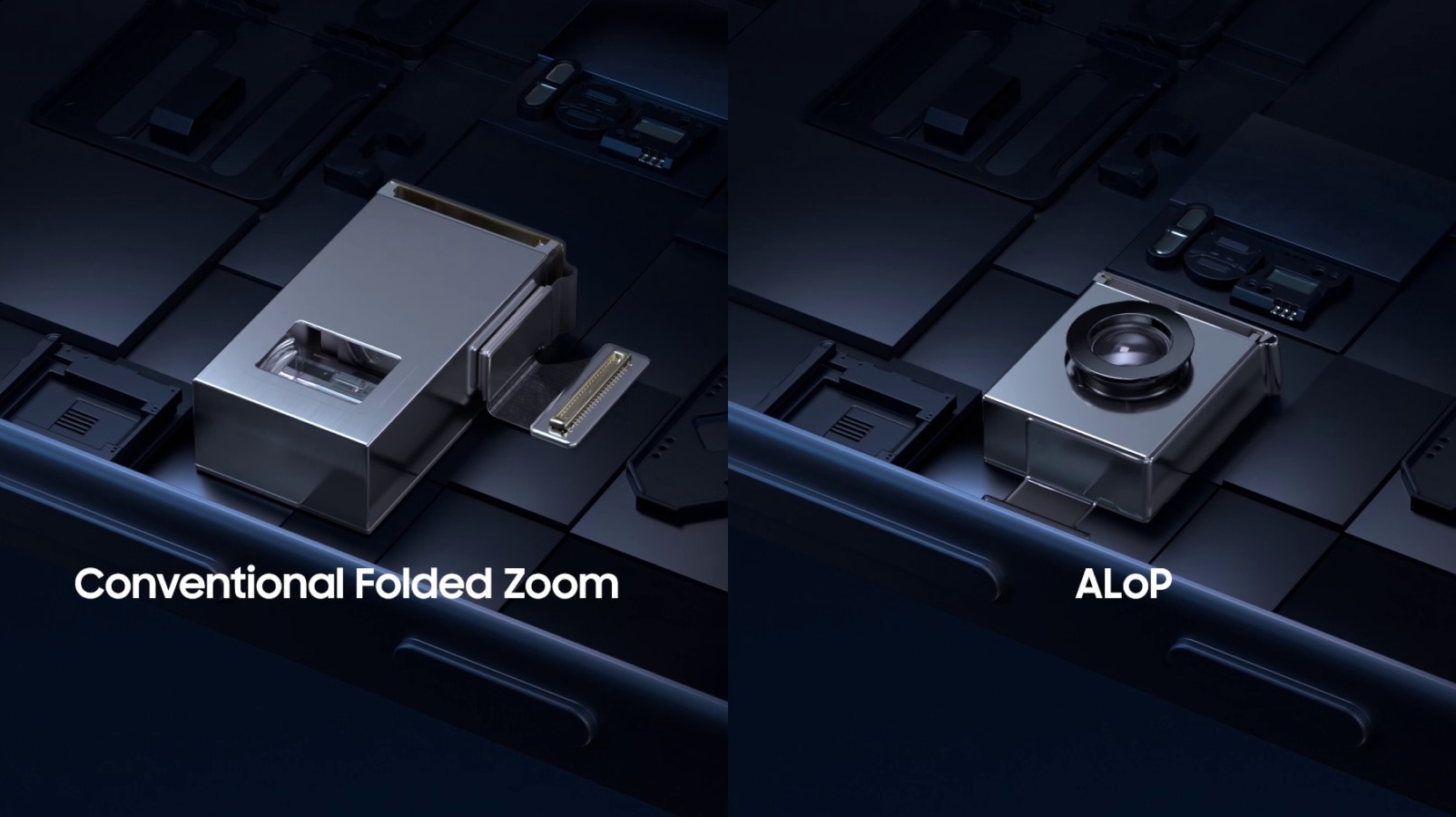
The camera bump is often cited as the enemy of the compact phone. Conventional periscope zoom modules require significant internal volume, which usually forces the entire phone to become larger or thicker to accommodate the folded optics.
Samsung’s introduction of the ALoP (All Lenses on Prism) telephoto module is a potential game-changer. ALoP modules are substantially more compact than traditional periscope systems. By reducing the physical footprint of the camera array, engineers gain back precious internal space. This space could be reclaimed for a larger battery or simply used to shrink the overall volume of the device, finally allowing for professional-grade zoom capabilities in a smaller form factor.
Official Stances: Why Manufacturers Are Hesitant
Despite these technical advancements, the industry remains locked in a cycle of "bigger is better." In a recent AMA regarding the future of Galaxy AI, a Samsung representative reiterated that the company prioritizes larger screens because user data indicates higher engagement with multimedia and multitasking tools on larger surfaces.
Industry analysts and leakers, including voices from Digital Chat Station, have echoed this sentiment, noting that internal surveys from major Chinese manufacturers consistently show that consumers prioritize "all-day battery life" and "camera versatility" over physical dimensions. These companies argue that a 6-inch phone cannot "tick all the boxes" of a modern flagship, essentially viewing the compact form factor as a legacy niche that doesn’t justify the R&D cost.
However, this argument ignores the "pro-compact" segment of the market—a demographic that values ergonomics, pocketability, and one-handed utility. The current "small" flagship is a compromise; it is an attempt to satisfy the mass market while offering a nod to those who find 6.8-inch displays unwieldy.
Implications for the Future of UX
The shift toward 6.3-inch screens and taller aspect ratios has forced a change in how we interact with software. Reachability features, such as "one-handed mode" and gesture navigation, are now necessary crutches because the hardware has outgrown the human hand.
When a phone reaches 150mm in height, the top corners of the screen become unreachable for the average user without shifting their grip. This creates a friction point in the user experience that software patches cannot fully resolve. A truly small phone, in the 135mm–145mm height range, would return the user to a state of ergonomic freedom, where every pixel is accessible without the risk of dropping the device.
The Path Forward: Can the Mini Return?
Is there a future where the sub-6-inch phone returns to the mainstream? The historical trajectory suggests that unless a major player—specifically Apple—re-enters the space, the Android market will continue to prioritize the 6.3-inch standard.
Apple’s "Mini" experiment provided a clear test case for the industry. While it didn’t capture the mass market, it cultivated a fiercely loyal user base that still haunts the secondary market for used models today. If a major brand were to launch a "Compact Pro" model—a device with high-end silicon, a triple-camera array utilizing ALoP, and a high-density silicon-carbon battery—they would likely capture a market segment that is currently being ignored by every major player.
The hardware limitations that once justified the death of the small phone have been dismantled by engineering progress. What remains is a lack of corporate courage. We are living in an era where the hardware exists to make the perfect small phone, but the industry is too focused on the "big screen" narrative to notice.
As we look toward the next iteration of mobile flagships, the hope remains that one manufacturer will break the mold. Until then, the "small" phone remains a misnomer, a phantom of a more ergonomic era, trapped in the shadow of its larger, more popular cousins. The technology is ready; the question is, which company will be the first to realize that, in the smartphone world, sometimes less really is more.












No comments yet. Be the first to join the conversation!