

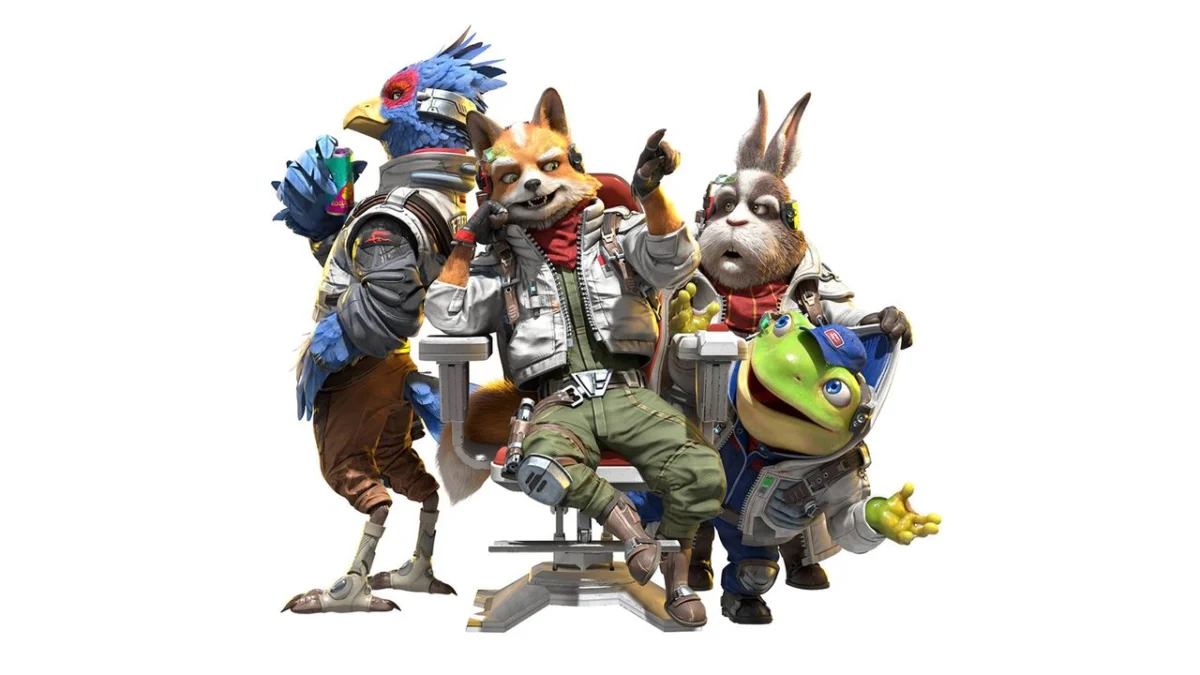
The gaming industry is currently locked in a fascinating, often contentious, debate over the merits of modern remakes. As Nintendo prepares for the next generation of hardware—the long-rumored Switch 2—the unveiling of a new, visually overhauled Star Fox 64 has ignited a firestorm of discussion. While the technical fidelity, lighting engines, and poly-count density of the new models are objectively superior to the N64 original, a significant portion of the fanbase feels that something vital has been lost in translation.
The core of the issue is not technical inadequacy, but a fundamental misunderstanding of what makes iconic character design "work." By chasing the industry-standard goal of hyper-realism, developers risk sanding away the jagged, charming edges that defined the golden age of gaming.
A Chronology of Stylized Evolution
To understand the current backlash, one must look at the trajectory of Star Fox since its inception.
- 1993: The Super FX Era: The original Star Fox was defined by its limitations. The Super FX chip pushed the SNES to its absolute limit, resulting in low-poly, angular ships and characters that relied on "graphic shorthand" to be readable.
- 1997: The N64 Perfection: Star Fox 64 (known as Lylat Wars in Europe) became the gold standard for 3D characterization. The chunky models and exaggerated, oversized features were not just a byproduct of hardware constraints; they were a stylistic choice that emphasized readability and "expressive abstraction."
- 2005–2016: The Experimental Phase: Titles like Assault and Zero attempted to modernize the look, oscillating between anime-inspired aesthetics and gritty military sci-fi.
- 2024–Present: The Realism Push: With the onset of Unreal Engine 5 and the promise of the Switch 2’s hardware capabilities, Nintendo has pivoted toward a "cinematic" aesthetic. Fox McCloud and his team are now rendered with individual fur strands, realistic skin textures, and anatomically accurate proportions.
This evolution tracks the broader industry trend: as graphical power increases, designers feel the burden of "authenticity," often at the expense of the abstract charm that originally endeared these characters to players.
Supporting Data: Why Silhouette and Shape Language Matter
In character design theory, the "Silhouette Test" is paramount. If you can identify a character solely by their outline, the design is successful. This is why Mario (the hat and mustache), Sonic (the quills), and the original Fox McCloud (the distinct ears and flight suit shape) are icons of the medium.
When developers move toward hyper-realism, they often prioritize texture over form. Modern rendering techniques allow for cinematic lighting and "film-quality" materials, but these often clutter the silhouette. In the new Star Fox models, the "confident weirdness" of the original—the oversized expressions and stylized, anthropomorphic features—has been replaced by a more grounded, mammalian anatomy.
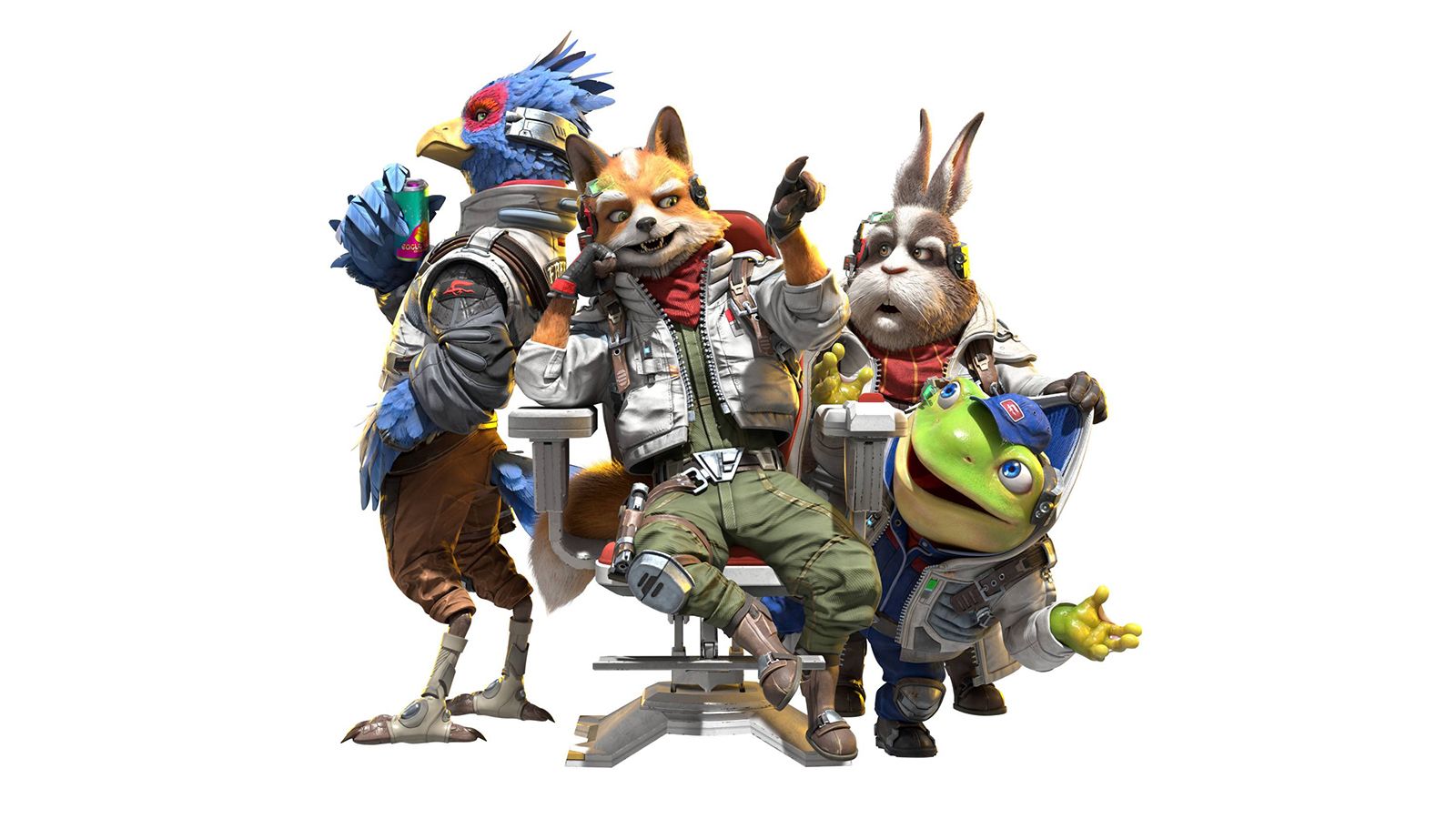
The result is a phenomenon known as the "Uncanny Valley." When a character becomes almost real but retains enough cartoonish features to be unsettling, the player’s brain stops viewing the character as a distinct, artistic entity and starts viewing it as a "broken" version of a real animal. This dissonance disconnects the player from the character’s emotional core.
The Burden of Modern Tools
The accessibility of sophisticated tools like Unreal Engine 5 has created a "detail trap." Just because a developer can render individual pores on a nose or realistic fur physics on a pilot’s jacket, does not mean they should.
In the 90s, artists were forced to be efficient. Because they couldn’t add detail, they had to make every polygon count for something significant. This led to "graphic clarity." Today, the temptation is to fill every pixel with data. This "over-designing" is why modern remakes often feel "soulless" to purists.
Consider the recent redesign of Donkey Kong in the Switch 2 promotional footage. While objectively "better" looking, it faced similar criticism. The focus on anatomical accuracy—such as the realism of feet or the texture of fur—strips away the "cartoon logic" that allows players to suspend their disbelief and engage with the character as a personality rather than a simulation.
Official Responses and Industry Implications
While Nintendo has remained characteristically tight-lipped regarding the specific creative choices behind the Star Fox update, industry analysts point to a "generational pivot." Companies are increasingly targeting a wider, more modern audience that expects high-fidelity graphics consistent with big-budget cinema.
However, the implications for the future of remakes are clear:
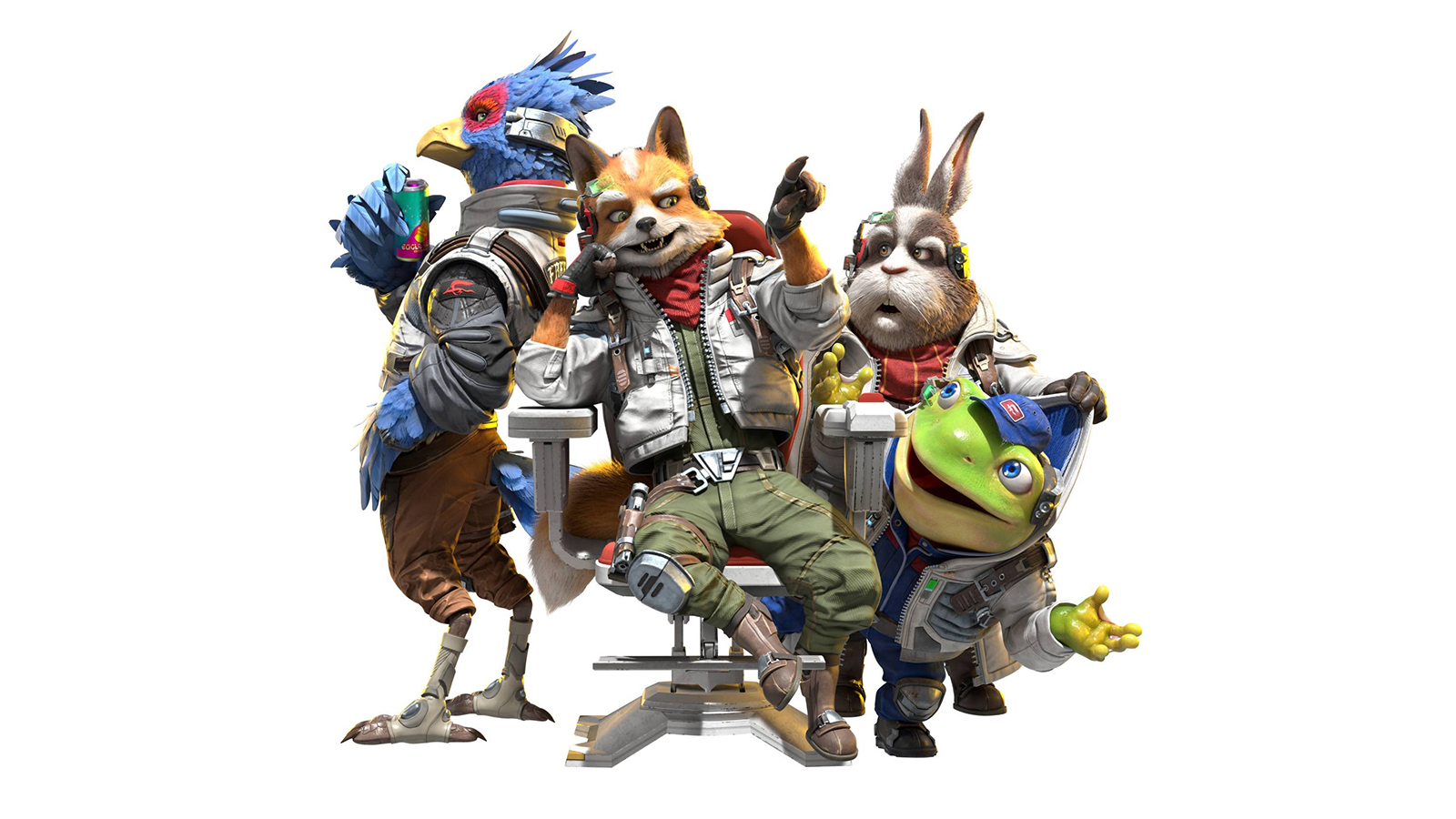
- The "Fixing" Trap: Developers must stop viewing original character designs as "unfinished" versions of a future, more realistic design. The "imperfections" in 90s designs are frequently the very things that define the character’s legacy.
- Stylization as a Feature: Games like Hi-Fi Rush or Spider-Man: Into the Spider-Verse (in film) prove that stylized, non-photorealistic art ages better and maintains a stronger emotional connection with audiences than photorealism.
- Prioritizing Personality: Designers need to ask themselves: "If I strip away the 4K textures and the ray-traced lighting, does the character still possess the same charisma?" If the answer is no, the design has failed.
The Way Forward: Preserving the "Charm"
The current debate is not merely a "grumpy gamer" complaint about change; it is a critical lesson for the next decade of game development. When redesigning classic characters, studios must exercise restraint.
"Protect the charm," as many veteran concept artists advocate, means identifying the "exaggerated bits." If a character was designed with large, expressive eyes to convey emotion on a low-resolution screen, those eyes should not be shrunken down just to satisfy a modern sense of realistic facial proportions. If a character has a specific color palette that was chosen for contrast, it shouldn’t be muted to fit a "cinematic" color grade.
As Nintendo continues to refine its visual identity for the next console generation, the Star Fox controversy serves as a poignant reminder. The technology to build anything is finally here, but the wisdom to know what not to build is the rarest commodity in game design.
For the fans, the hope is that developers will realize that the most important "upgrade" for a classic character isn’t more detail—it’s the preservation of the soul that made them an icon in the first place. Until that balance is struck, we will continue to see the tug-of-war between the technological brilliance of the present and the enduring, messy, and perfect charm of the past.









No comments yet. Be the first to join the conversation!