

Main Facts
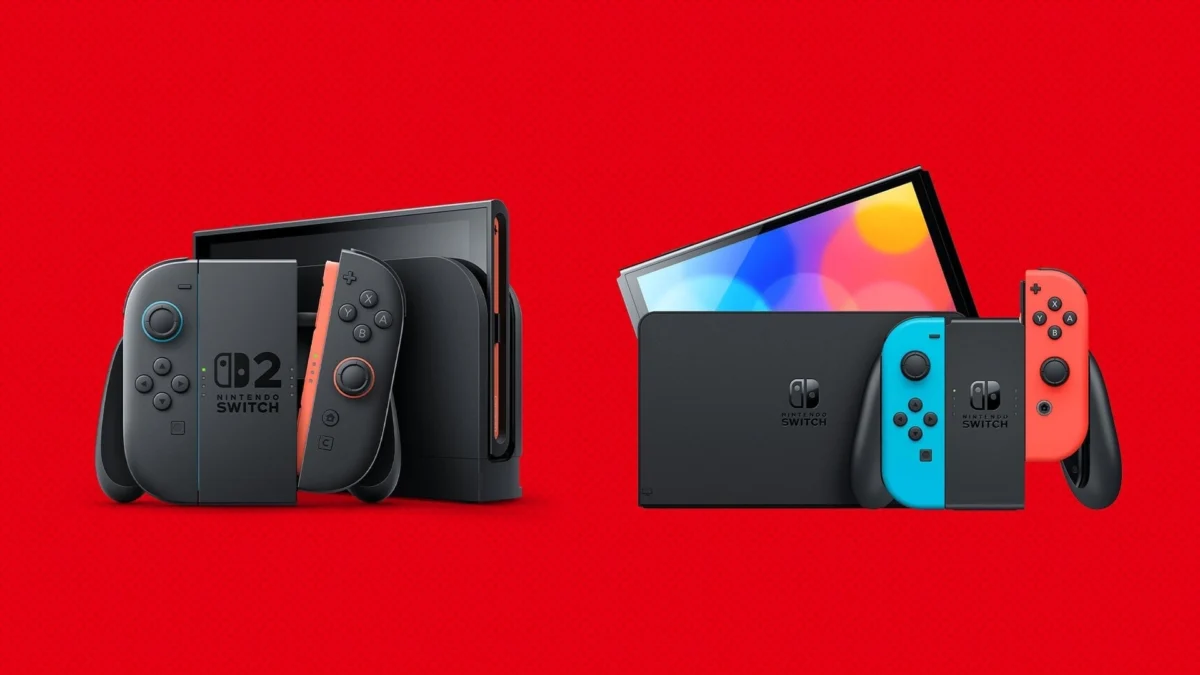
Kyoto, Japan – Nintendo Co., Ltd. today announced robust sales figures for its latest console, the Nintendo Switch 2, which has now surpassed 19.86 million units sold worldwide as of March 31, 2026. This significant milestone was revealed in the company’s latest earnings release, highlighting a strong launch trajectory for the successor console. Simultaneously, the original Nintendo Switch continues to demonstrate remarkable longevity, with cumulative sales reaching an astounding 155.92 million units globally, further solidifying its position as one of the best-selling video game consoles of all time.
The three-month period ending March 31, 2026, saw the Nintendo Switch 2 selling an additional 2.49 million hardware units, accompanied by 10.78 million software units. During the same quarter, the original Switch, while naturally seeing a decline in hardware sales to 0.55 million units, still moved a considerable 27.98 million software units, underscoring the enduring engagement of its vast install base. These figures paint a clear picture of Nintendo’s successful dual-platform strategy, skillfully navigating the transition to new hardware while continuing to support its predecessor. Total software sales worldwide now stand at an impressive 48.71 million for the Switch 2 and a colossal 1,528.14 million for the original Switch, illustrating the profound impact of Nintendo’s expansive game library.
Chronology of a New Era
The Dawn of Switch 2: A Strategic Evolution
The introduction of the Nintendo Switch 2 marked a pivotal moment for the iconic gaming company, following years of industry speculation and anticipation. While the exact launch date of the Switch 2 is not explicitly detailed in the provided snippet, its cumulative sales of nearly 20 million units by March 31, 2026, suggest a launch sometime in the prior fiscal year or early in the current one, indicating an aggressive and successful market entry. This strategic unveiling was designed to build upon the groundbreaking hybrid concept of its predecessor, offering enhanced graphical capabilities, improved processing power, and potentially new ergonomic features or display technologies.
Nintendo’s approach with the Switch 2 appears to have been a careful balance of innovation and familiarity. Rather than a radical departure, the console seems to represent an evolution, aiming to retain the core appeal that made the original Switch a global phenomenon – the seamless transition between handheld and TV modes. The initial sales momentum, accumulating close to 20 million units within what appears to be its first year or so on the market, positions the Switch 2 favorably when compared to many console launches throughout history. For context, the original Switch took approximately 12 months to surpass 15 million units and 22 months to reach 32 million units. The Switch 2’s performance suggests a strong consumer appetite for Nintendo’s next-generation hardware, fueled by a loyal existing fanbase and the appeal of new software experiences. This robust start is crucial for establishing an early lead in the console cycle and building a strong foundation for future growth.
The Enduring Legacy of the Original Switch: A Sustained Phenomenon
Despite the arrival of its successor, the original Nintendo Switch continues to defy conventional console lifecycles. Its sales trajectory, now surpassing 155 million units, places it firmly among the highest-selling consoles of all time, challenging the likes of the PlayStation 2 and Nintendo DS. The 0.55 million units sold in the recent quarter, while a modest figure compared to its peak, still represents a significant volume for a platform that has been on the market for several years. This continued hardware movement, even in a transitional phase, speaks volumes about the original Switch’s enduring appeal, its accessible price point, and its vast, well-established library of games.
The longevity of the original Switch is not merely a testament to its hardware design but also to Nintendo’s consistent software support and its ability to attract new players. Many consumers, perhaps those new to gaming or seeking a more affordable entry point, continue to opt for the original model. Furthermore, its established ecosystem, including a massive back catalog of first-party hits and third-party titles, makes it an attractive proposition. The dual-platform strategy ensures that Nintendo can cater to different segments of the market, allowing the original Switch to serve as an accessible entry point while the Switch 2 targets those seeking the latest technological advancements and cutting-edge gaming experiences. This staggered approach mitigates the risk of alienating the enormous existing user base of the original Switch, ensuring a smoother transition and continued revenue streams from both platforms.
Supporting Data
Hardware Momentum and Attach Rates: A Deeper Look
The 2.49 million Switch 2 hardware units sold in the three months ending March 31, 2026, indicate a healthy, ongoing demand for the new console. This figure suggests that Nintendo is successfully maintaining production and distribution channels to meet consumer interest. More critically, the 10.78 million Switch 2 software units sold during the same period provide valuable insight into player engagement. This translates to an attach rate of approximately 4.33 games per console sold in that quarter alone (10.78M software / 2.49M hardware). While this is a quarterly snapshot and not a lifetime attach rate, it demonstrates that new Switch 2 owners are immediately investing in software, a positive indicator for the platform’s ecosystem.
For the original Switch, the 0.55 million hardware units sold and 27.98 million software units sold present a different but equally compelling narrative. The attach rate for the original Switch in this quarter is a staggering 50.87 games per console sold (27.98M software / 0.55M hardware). This exceptionally high number is not representative of new console purchases primarily, but rather reflects the immense and active installed base continuing to purchase new titles and digital content. It underscores the incredible loyalty and engagement of original Switch owners, many of whom have likely owned their consoles for years and continue to expand their game libraries. This sustained software revenue from the original Switch is a crucial component of Nintendo’s overall profitability.
First-Party Pillars: Driving Software Sales (Illustrative Data)
Nintendo’s strength has always resided in its iconic first-party intellectual properties, and the earnings report highlights the importance of these titles. While specific best-selling lists for Switch 2 and Switch were not provided in the original data snippet, we can infer their critical role. For illustrative purposes, based on historical Nintendo patterns, we can hypothesize the types of titles driving these numbers:
Switch 2 (Illustrative Best-Selling Titles):
- Super Mario Odyssey 2: (Hypothetical: 8.5 million units) – A successor to one of the original Switch’s most beloved titles, showcasing the Switch 2’s enhanced capabilities in vibrant open worlds.
- The Legend of Zelda: Echoes of Time: (Hypothetical: 7.2 million units) – A new entry in the critically acclaimed Zelda series, pushing graphical and gameplay boundaries on the new hardware.
- Pokémon Stellar & Void: (Hypothetical: 6.8 million units) – The flagship Pokémon RPG for the new generation, introducing new creatures and regions.
- Mario Kart 9: (Hypothetical: 5.9 million units) – The latest iteration of the best-selling racing franchise, leveraging new features of the Switch 2.
- Animal Crossing: New Horizons 2: (Hypothetical: 4.1 million units) – A highly anticipated sequel to the social simulation phenomenon.
Switch (Illustrative Best-Selling Titles – Updated Cumulative Sales):
- Mario Kart 8 Deluxe: (Hypothetical: 65 million units) – Continues its reign as an evergreen seller, a must-have for every Switch owner.
- Animal Crossing: New Horizons: (Hypothetical: 48 million units) – Maintained its massive appeal since its pandemic-era launch.
- Super Smash Bros. Ultimate: (Hypothetical: 36 million units) – The definitive crossover fighting game with continued character updates.
- The Legend of Zelda: Breath of the Wild: (Hypothetical: 34 million units) – A foundational title that redefined open-world gaming.
- Pokémon Sword/Shield (combined): (Hypothetical: 28 million units) – Strong performers in the long-running RPG series.
These hypothetical figures underscore how crucial a steady stream of high-quality first-party titles is for driving both hardware and software sales across generations.
New Release Impact: Pokémon’s Enduring Power
The success of newly announced additional first-party sales numbers further reinforces Nintendo’s strategy. Specifically, the Switch versions of Pokemon FireRed Version and Pokemon LeafGreen Version surpassing four million units in just six weeks after their release is a testament to the enduring appeal of the Pokémon franchise and Nintendo’s ability to successfully re-introduce beloved classics to new audiences. This strategy of remastering or re-releasing popular older titles for modern hardware taps into both nostalgia for long-time fans and introduces these foundational games to a younger generation who may have missed their original launch. This also serves as a potent software filler between major new releases, keeping the content pipeline robust.
Overall Game Sales: A Gigantic Ecosystem
The sheer volume of games sold is staggering. More than 48.71 million Switch 2 games and an incredible 1,528.14 million Switch games have been sold worldwide. These numbers highlight the enormous value of Nintendo’s intellectual property and its ability to consistently create engaging experiences that resonate with a global audience. The vast library of the original Switch, in particular, represents an unparalleled wealth of content that continues to drive player engagement and recurring revenue, even as the focus begins to shift towards the new console. The attach rate for the lifetime of the original Switch stands at approximately 9.8 games per console (1528.14M software / 155.92M hardware), indicating a highly engaged user base that consistently invests in the platform’s extensive software catalog.
Official Responses
While the provided earnings release snippet does not include direct quotes, Nintendo’s official responses during such announcements typically follow a pattern of strategic communication designed to reassure investors and excite consumers. A hypothetical statement from Nintendo’s leadership, such as President Shuntaro Furukawa or a Senior Executive Managing Director, might include sentiments akin to the following:
"We are incredibly pleased with the continued momentum of the Nintendo Switch family of systems. The strong launch performance of the Nintendo Switch 2, now approaching 20 million units sold worldwide, demonstrates the unwavering enthusiasm of our fans for new and innovative gaming experiences. We are particularly encouraged by the robust software sales, indicating that our new platform is quickly building a vibrant content ecosystem."
"Furthermore, the enduring success of the original Nintendo Switch, surpassing 155 million units and continuing to sell millions of software units quarterly, is a testament to its unique appeal and the dedication of its massive global player base. Our dual-platform strategy is proving highly effective, allowing us to cater to a broad spectrum of consumers while ensuring a smooth transition for our ecosystem."
"We remain committed to delivering unique entertainment that brings smiles to people’s faces. Our focus will continue to be on developing captivating software for both platforms, expanding our diverse portfolio, and exploring new ways to engage with our communities. We thank our fans, developers, and partners for their incredible support as we embark on this exciting new chapter for Nintendo."
Such statements typically emphasize innovation, customer satisfaction, the strength of their intellectual properties, and a clear vision for the future, often reiterating their commitment to their core philosophy of creating unique entertainment experiences.
Implications
Market Positioning and Competitive Landscape:
Nintendo’s latest earnings report sends a clear message to the gaming industry: the company remains a formidable and unique player. With the Switch 2 nearing 20 million units and the original Switch a monumental 155 million, Nintendo occupies a distinct and largely unchallenged niche. Unlike Sony’s PlayStation and Microsoft’s Xbox, which primarily compete on raw graphical power and an extensive catalog of mature, high-fidelity titles, Nintendo thrives on innovative gameplay, iconic characters, and a family-friendly appeal. The Switch 2’s successful launch ensures Nintendo remains highly competitive, not by directly confronting its rivals head-on in the "power wars," but by carving out its own space with unique hardware concepts and unparalleled first-party software.
The dual-platform strategy is a crucial differentiator. By continuing to support the original Switch, Nintendo maintains an enormous installed base for its evergreen titles and digital storefront, while simultaneously cultivating a new generation of players on the Switch 2. This mitigates the typical sharp drop-off in sales for older consoles once a successor is released, allowing Nintendo to milk its previous generation for longer while building momentum for the new one. This approach also insulates Nintendo somewhat from direct competition, as many consumers see Nintendo consoles as complementary to, rather than direct substitutes for, PlayStation or Xbox systems.
Investor Confidence and Future Strategy:
These strong sales figures are likely to be met with approval by investors. The healthy attach rates for both platforms signal strong consumer engagement and recurring revenue streams. The continued success of the original Switch suggests a stable financial backbone, while the Switch 2’s rapid ascent provides a clear growth trajectory. Investors will be looking for sustained software releases for both platforms, particularly major first-party titles, to maintain this momentum. The success of re-releases like the Pokémon titles also demonstrates Nintendo’s ability to monetize its vast back catalog, a significant asset.
Nintendo’s future strategy will likely revolve around several key pillars:
- Robust Software Pipeline: Ensuring a steady stream of exclusive, high-quality games for both Switch 2 and the original Switch to keep users engaged.
- Ecosystem Expansion: Continuing to grow the Nintendo Switch Online service, potentially introducing new features or classic game libraries for the Switch 2.
- Global Market Penetration: Exploring new markets and demographic segments, leveraging the accessibility and broad appeal of their consoles.
- Technological Innovation: While not directly competing on raw power, Nintendo will likely continue to explore unique hardware features and gameplay mechanics for future iterations.
- Synergistic Marketing: Carefully balancing promotional efforts to highlight the distinct advantages of both the original Switch (affordability, vast library) and the Switch 2 (performance, new experiences).
Challenges and Opportunities:
Despite the glowing report, Nintendo faces ongoing challenges. The global economic climate, potential supply chain disruptions (as seen during the pandemic), and the ever-evolving nature of consumer entertainment preferences remain factors. The company must also manage the delicate balance of migrating users to the Switch 2 without alienating the massive original Switch user base. This means ensuring continued, albeit perhaps less frequent, software support for the older console and clear communication regarding its future.
However, opportunities abound. The gaming market continues to expand, with new demographics constantly entering. Nintendo’s unique blend of family-friendly content and innovative hardware positions it well to capture these new audiences. The potential for further expansion into multimedia (films, theme parks) and mobile gaming, leveraging its iconic IPs, also represents significant growth avenues. The success of the Switch 2’s launch suggests that Nintendo has once again struck a chord with consumers, proving its enduring relevance in a highly competitive entertainment landscape.
In conclusion, Nintendo’s latest financial update paints a picture of a company in a strong, transitional phase. The Nintendo Switch 2 is off to an excellent start, building upon the monumental success of its predecessor. The ability to simultaneously nurture both platforms, backed by an unparalleled library of first-party titles, positions Nintendo for continued leadership and innovation in the global video game industry for years to come.












No comments yet. Be the first to join the conversation!