Lina Hope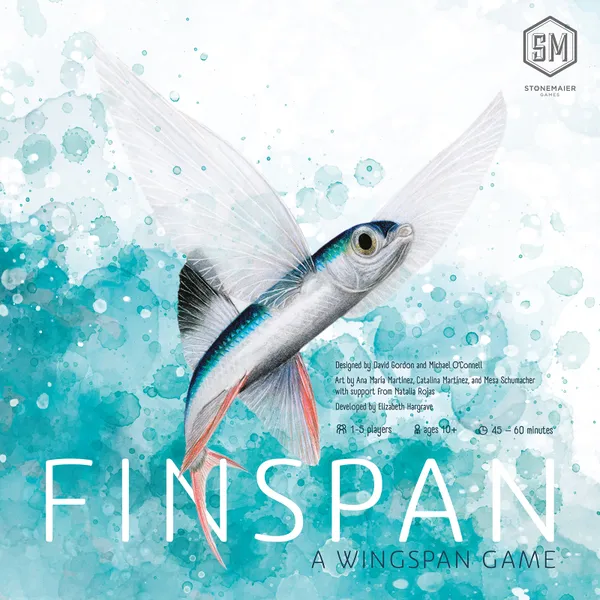
The tabletop gaming landscape has long been dominated by the “-span” family of games, a series celebrated for its elegant mechanics, breathtaking artwork, and satisfying engine-building loops. With the release of Finspan, the developers have submerged their proven formula into the depths of the ocean, offering a refreshed, streamlined experience that trades the avian skies of Wingspan and the mythical caverns of Wyrmspan for the vibrant, pressurized ecosystems of the sea.
Finspan is more than just a thematic reskin; it is a refinement of a design philosophy that prioritizes flow, accessibility, and the tactile joy of building a tableau. By shifting the focus to underwater zones and depth-based requirements, the game introduces a fresh perspective on the classic engine-building genre.
The Core Mechanics: How to Navigate the Depths
At its heart, Finspan remains a game about optimization and resource management. Players act as stewards of an ocean ecosystem, populating their personal boards with a diverse array of marine life. Each turn, the decision-making process is binary, keeping the game moving at a brisk, engaging pace.
Playing Fish and Managing Resources
The primary engine of the game revolves around playing fish cards. Each fish card carries a specific cost—often requiring players to spend eggs, young offspring, or discard other cards from their hand. The crucial innovation here is the placement requirement; fish must be positioned in specific ocean zones based on their biological depth and unique habitat preferences. Once placed, many fish trigger immediate “enter-play” effects, while others provide passive bonuses that compound as your ecosystem expands.
The Dive Action: Activating Your Engine
When players choose the “dive” action, they activate a row of their board. The resolution mechanism is a masterclass in clean design: players resolve abilities from right to left across their ocean zones. This creates a cascading effect where resources are gathered, cards are drawn, and fish abilities are triggered in a satisfying, domino-like sequence. As the tableau grows, these turns become increasingly potent, rewarding players for their long-term planning and efficient placement.
A Chronology of the “-span” Evolution
The evolution of the series tells a story of iterative design. When Wingspan first debuted, it introduced the world to the idea that a high-complexity engine builder could be wrapped in a serene, nature-focused theme. Wyrmspan followed, adding layers of dragon-themed complexity and deeper resource management.
Finspan represents the latest phase in this chronology: the pursuit of pure flow.
- Phase 1 (Wingspan): Established the core loop of resource gathering and engine building through avian habitats.
- Phase 2 (Wyrmspan): Expanded the complexity, introducing cavern exploration and more intricate scoring conditions.
- Phase 3 (Finspan): Focuses on the “streamlining” philosophy. By removing unnecessary overhead—such as complex multi-step turns or hidden costs—the game has been distilled into its most potent form.
For veterans of the series, Finspan feels like a homecoming, but one where the unnecessary furniture has been cleared away to make room for a more fluid experience.
Supporting Data: Why Streamlining Works
The shift in Finspan toward a more accessible engine is supported by its mechanical simplicity. In many modern tableau builders, “feature creep” can lead to significant downtime. Finspan actively combats this through three primary pillars:
- Rule Overhead Reduction: There are no secondary currency systems or complex “tax” mechanics to unlock stronger actions. Every action feels meaningful and impactful from the first turn to the last.
- Visual Clarity: The move to a vertical ocean board is not merely aesthetic. It provides a natural, intuitive flow for the eye, making the “right-to-left” activation mechanic feel logical rather than abstract.
- Low-Downtime Design: Especially at lower player counts, the game maintains a steady cadence. Because there is little to no “take-that” interaction, players are rarely forced to wait for opponents to resolve complex, board-altering effects, allowing the game to conclude in a timeframe that respects the players’ time.
The Paradox of Open Hands: An Official Perspective
One of the most debated changes in Finspan is the implementation of an open-hand policy. For the first time in the series, all players can see the cards held by their opponents.
In professional design circles, this is often done to increase strategic depth. By knowing what your opponents have access to, you can theoretically better predict their next move or identify which resources might become scarce. However, as our analysis and player feedback suggest, this creates a fascinating paradox. While the game provides this information, it offers few tools to actually capitalize on it.
Because Finspan remains a “multiplayer solitaire” experience at its core, the open hands do not lead to direct conflict or strategic disruption. You can see your opponent’s path to victory, but you cannot block their progress or force them to pivot. This has led some critics to wonder: if the game prevents direct interaction, why provide the information?
The developers argue that this is a feature, not a bug. By keeping hands open, the game reduces the “gotcha” moments that can frustrate new players, fostering a more relaxed, transparent environment where the focus remains on individual growth rather than mutual destruction.
Replayability and the Achievement System
The longevity of Finspan is secured by its robust variety. The sheer number of unique fish cards, each with its own habitat requirements and scoring triggers, ensures that no two boards look the same.
However, the true engine of replayability is the variable achievement system. The game features a standard setup for beginners, but the variable side of the board dictates different scoring goals each round. This shift forces players to constantly adapt their strategy. One game might reward a player for having the most diverse set of depths, while another might prioritize a specific type of resource production. This dynamic objective system prevents the “solved game” syndrome, where a player might otherwise rely on a single, repetitive strategy to win.
Implications for the Genre
Finspan is poised to become a benchmark for the “accessible expert” genre. It signals a shift in the industry toward games that offer high-level satisfaction without the barrier to entry of a heavy strategy game.
Who is this game for?
- The Casual Optimizer: Players who love the feeling of a well-oiled machine but don’t want to spend an hour explaining the rules.
- The Relaxed Gamer: Individuals seeking a low-stress environment where the primary goal is personal improvement rather than competitive sabotage.
- The Series Loyalists: Fans of the previous titles who want to see how the mechanics have been refined.
Who might want to look elsewhere?
- The Conflict-Seeker: If your group thrives on interaction, disruption, or “take-that” mechanics, Finspan will likely feel too isolated.
- The Heavy Strategist: Players who prefer tight, interconnected economies where every minor choice ripples across the entire table may find Finspan too lightweight.
Final Verdict: A Refreshing Dive
Finspan successfully captures the essence of what made its predecessors famous while trimming the fat. The artwork is vibrant, the theme is immersive, and the gameplay is as smooth as the water it depicts.
While the missed opportunity for deeper player interaction is a slight blemish, it is a minor one in the context of a game that excels at providing a consistently fun, meditative experience. By removing the barriers of complexity, Finspan allows players to focus on what matters most: the joy of building a beautiful, functioning ecosystem, one card at a time. It is a triumphant entry in a storied series and a must-play for anyone who appreciates the art of the engine-building genre.


 Sagoh
Sagoh
 Ammar Sabilarrohman