

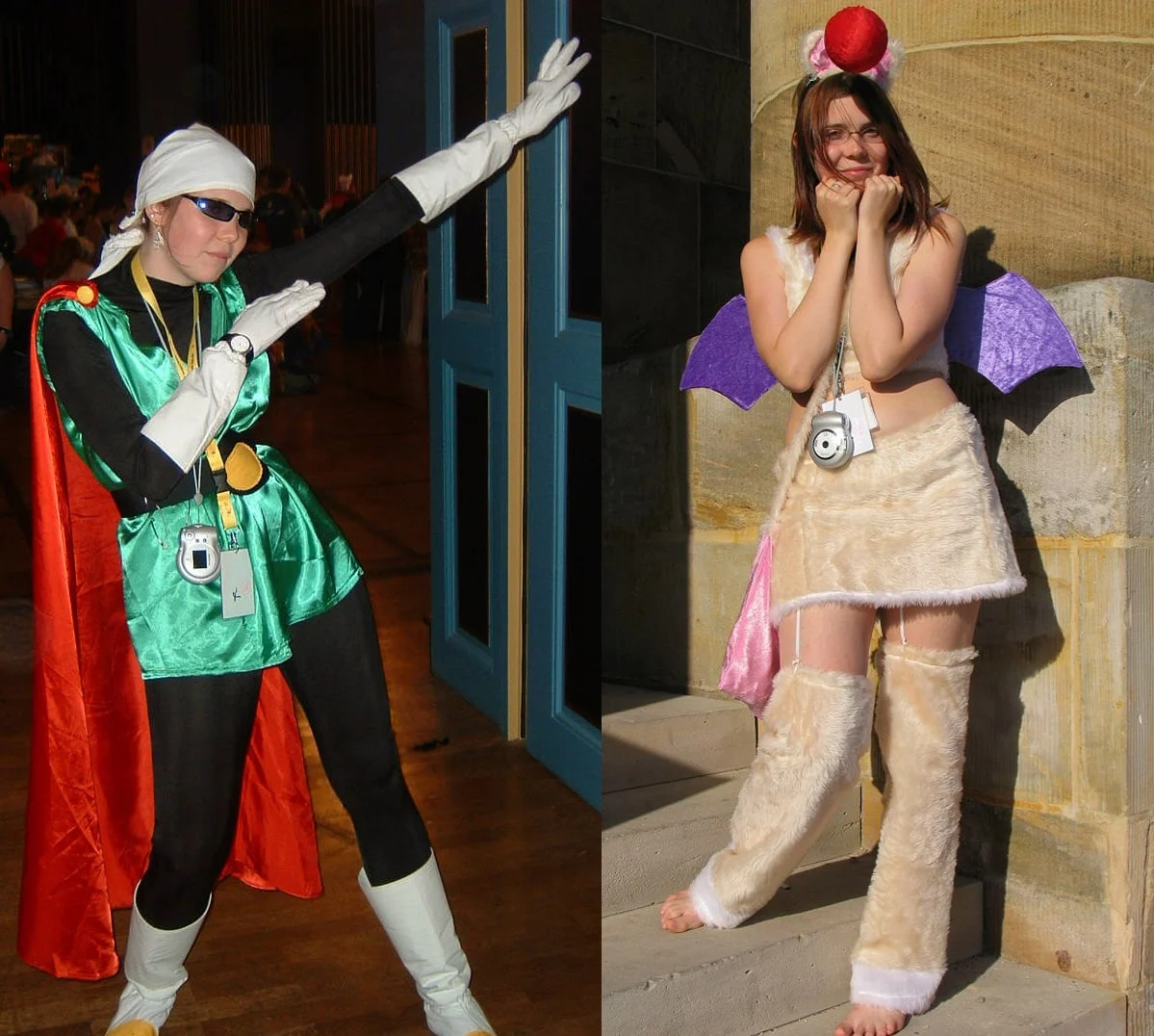
For the past two decades, the art of cosplay has undergone a radical transformation. What began as a niche subculture defined by makeshift materials and "do-it-yourself" ingenuity has evolved into a sophisticated industry of professional artistry. As high-end technology—such as 3D printers, laser cutters, and advanced digital sculpting software—becomes more commonplace in the workshops of top-tier creators, a recurring question has emerged within the community: Is cosplay still an accessible hobby for the average person, or has it become an elitist pursuit reserved for those with deep pockets and technical expertise?
A Chronology of Craft: From Paper Mache to 3D Printing
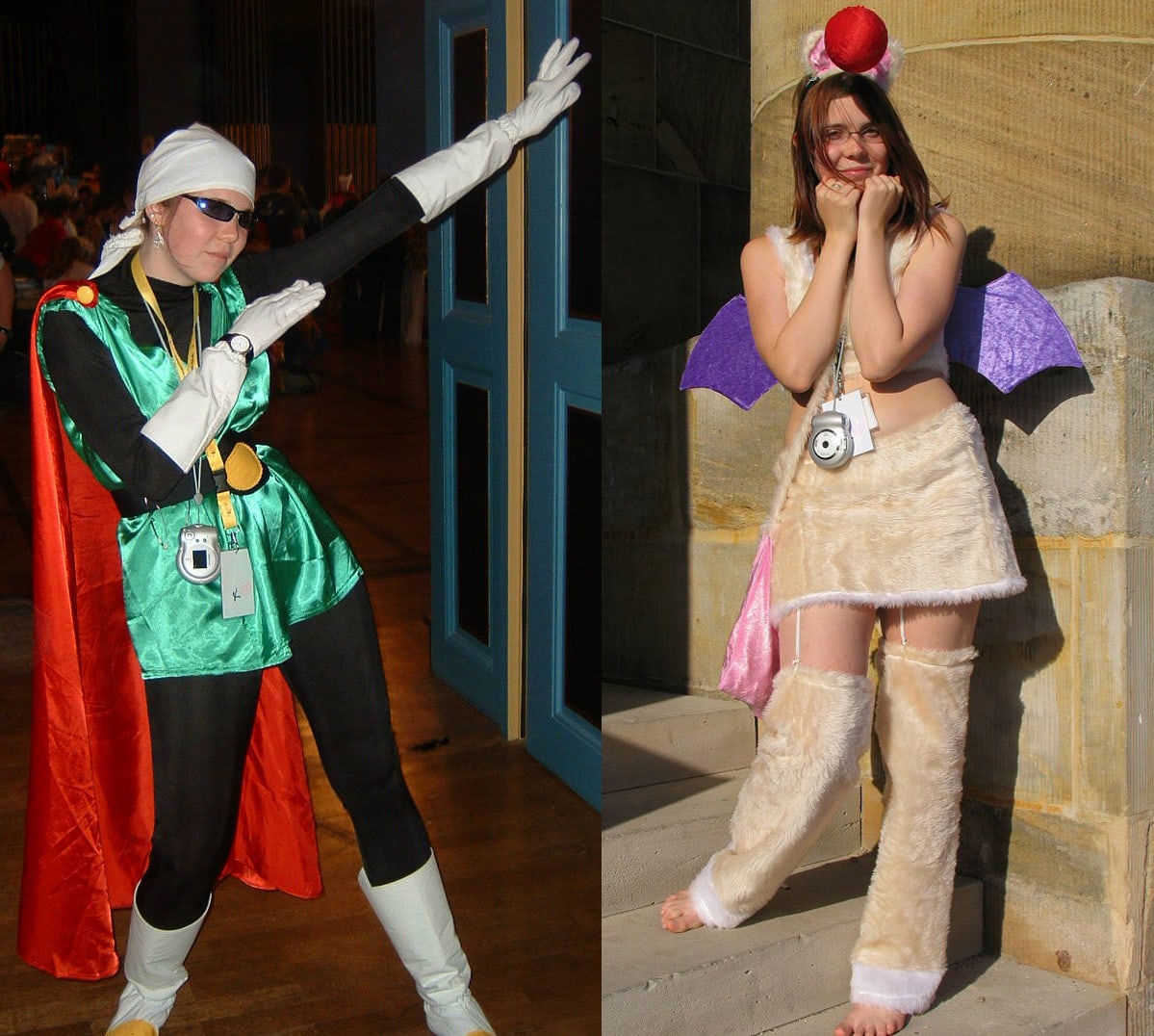
To understand the current state of the hobby, one must look at the evolution of materials. In the early 2000s, the "cosplay toolkit" was vastly different. Crafters relied on humble supplies: paper mache, expanding foam, and low-cost satin fabrics. The lack of specialized materials meant that creativity was the primary currency.

As the years progressed, the industry saw the rise of thermoplastic materials like Wonderflex and Worbla, which allowed for unprecedented structural integrity in armor builds. By the mid-2010s, the focus shifted toward EVA foam, a game-changer for accessibility and weight reduction.
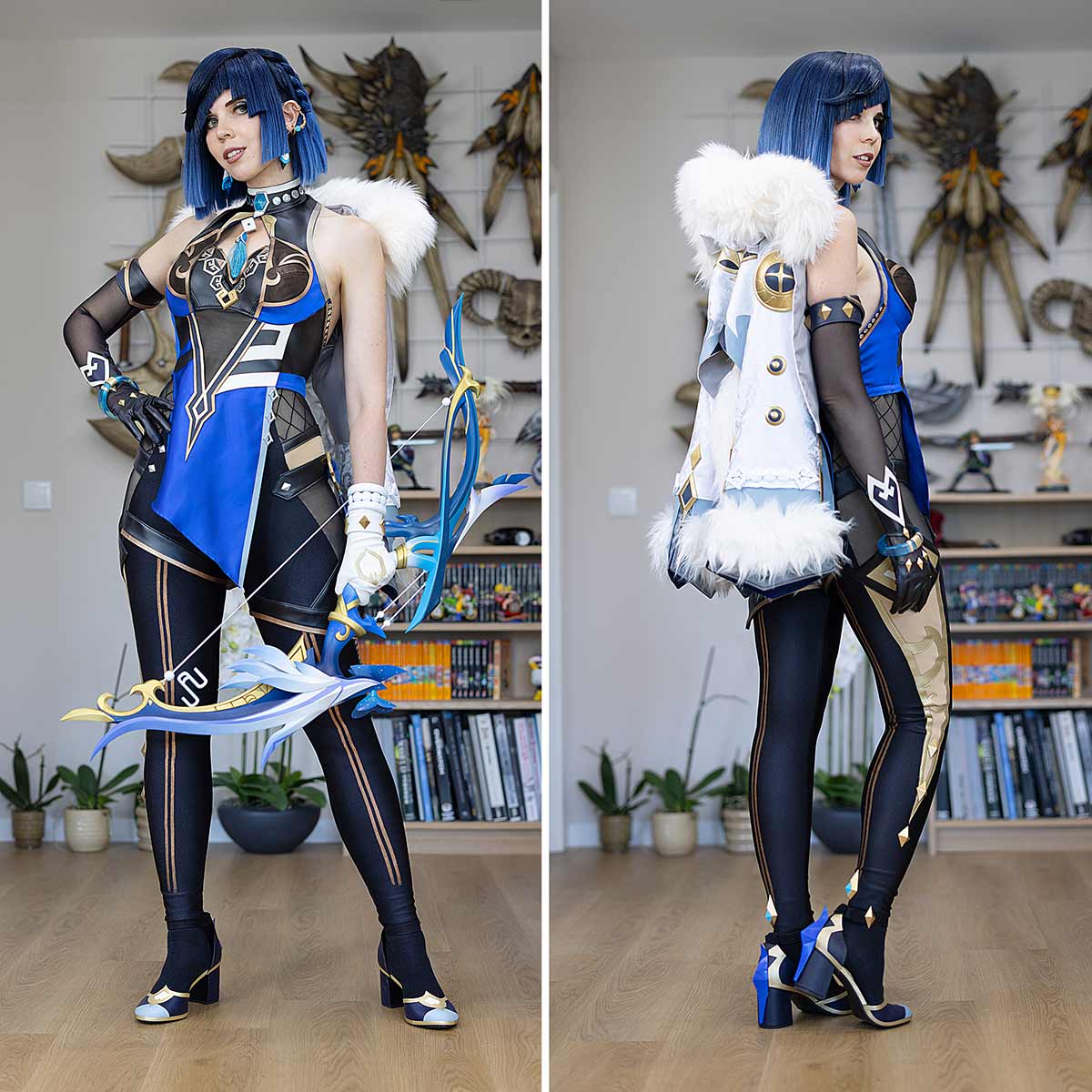
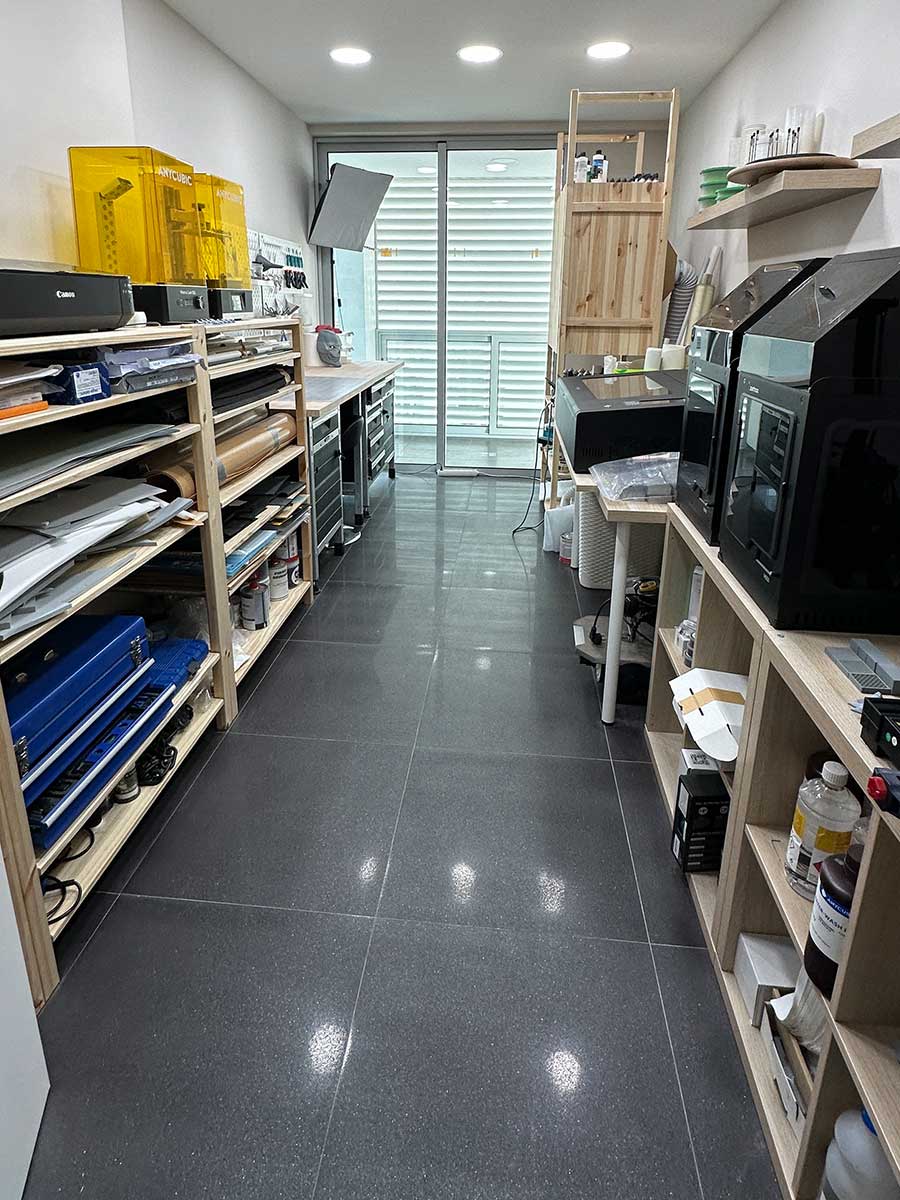
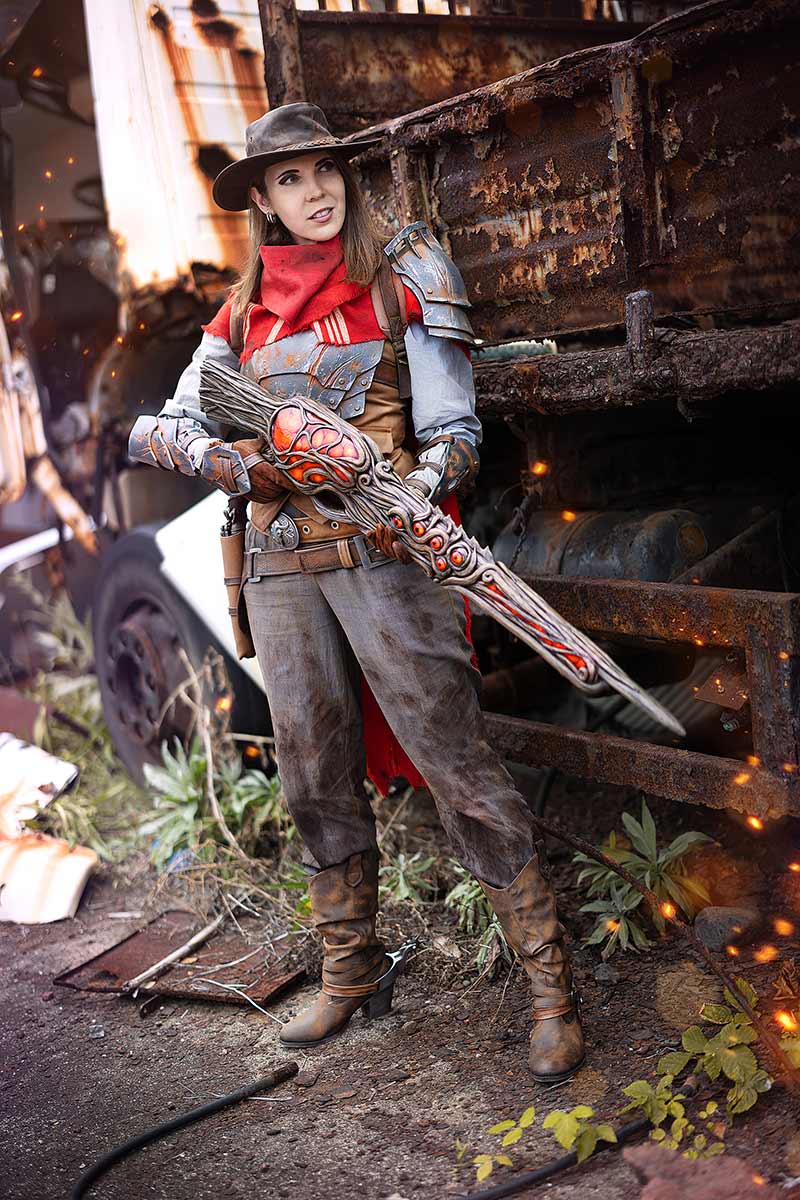
However, the most significant shift occurred in the last decade with the integration of digital fabrication. For professional creators, the introduction of 3D FDM and resin printers, alongside massive laser cutters, has fundamentally altered the workflow. These tools allow for the creation of intricate, sharp-edged details—such as those found in Genshin Impact character designs—that were previously impossible to achieve by hand. Yet, this shift has created a psychological barrier for newcomers, who often perceive these machines as mandatory prerequisites for "quality" work.
Supporting Data: The Cost of the Modern Workshop
The perception that cosplay has become prohibitively expensive is not entirely unfounded. A breakdown of modern crafting costs reveals that the barrier to entry is higher than it was twenty years ago, but only if one chooses to pursue professional-grade equipment.
- Raw Materials: While basic materials like foam remain affordable, high-end fabrics can easily reach $50 to $100 per yard. When combined with electronics for lighting, specialized paints, and high-quality wigs, the cost of a single project can balloon into the hundreds of dollars.
- The "Pro" Gear: A high-speed 3D printer can cost upwards of $300–$500, while professional laser cutters represent an investment of thousands.
- The Hidden Cost of Time: Beyond the monetary investment, there is the "skill tax." Learning to operate a 3D printer, mastering software like Blender, and calibrating a laser cutter require hundreds of hours of trial and error.
Despite these figures, the market has simultaneously become more accessible in other ways. In 2003, finding a high-quality wig was a Herculean task; today, reputable online shops offer affordable, ready-to-wear costumes. This has lowered the "floor" of the hobby, allowing beginners to participate in conventions without needing to be master tailors from day one.
Official Perspectives: The "Kamui" Philosophy
Professional cosplayers, such as the renowned team behind Kamui Cosplay, serve as an ideal case study for this evolution. Having transitioned from using rusty sewing machines and household items in 2003 to running a high-tech workshop today, their perspective bridges the gap between the "old guard" and the modern era.
In their own assessment, the team argues that while tools have changed, the spirit of the craft remains unchanged. "A good chef doesn’t need a professional kitchen to prepare something delicious," they note. They emphasize that a 3D printer does not magically create a costume; it is simply a tool that requires a human hand to guide, refine, and assemble the final product.
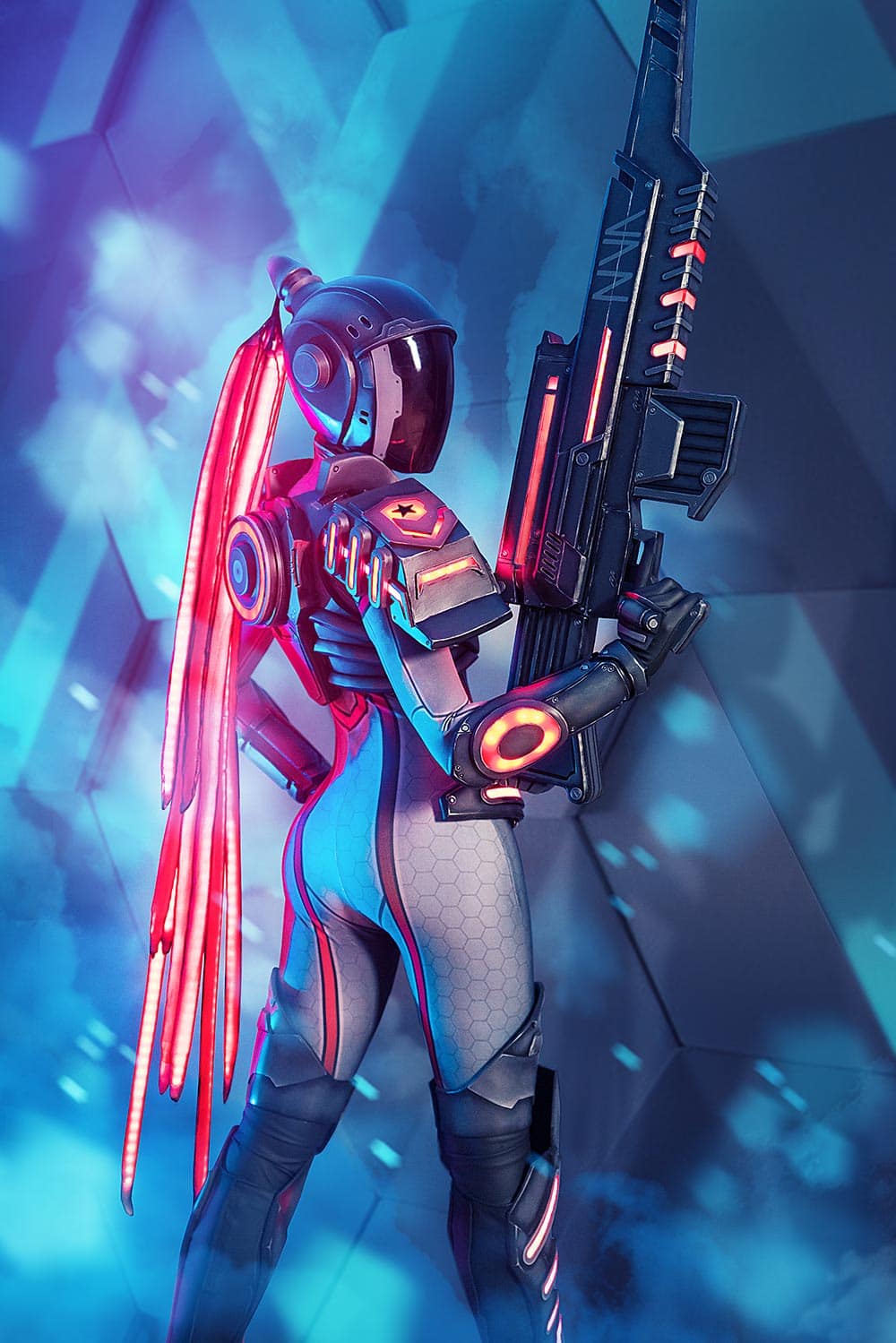
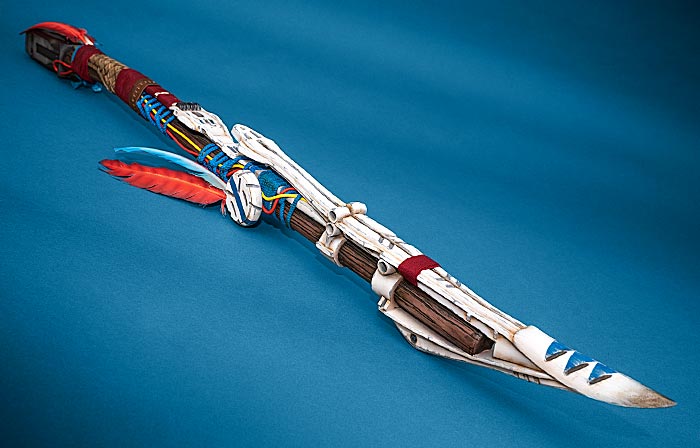
The team points to their own experiences—such as the Beidou sword build or the Aloy spear—to illustrate that while they utilize 3D printing for efficiency, they frequently opt for manual foam work when it suits the project better. They challenge the notion that "no 3D printer means no results," citing international examples like the cosplay scene in Cuba, where, despite limited access to technology due to economic constraints, creators produce world-class armor using nothing but sheer willpower and locally sourced materials.
The Psychological Implication: The "Instagram Effect"
A major factor in the perceived decline of accessibility is the "Instagram Effect." Social media has created a digital stage where the most polished, high-budget projects receive the most visibility. This leads to a skewed perception of reality, where newcomers feel that if their first attempt does not look like a professional studio production, they have failed.
This comparison trap ignores the fact that most prominent cosplayers have been refining their craft for 10 to 20 years. They rarely showcase their early, imperfect attempts. The implication for the community is a crisis of confidence: beginners are comparing their "Chapter One" to someone else’s "Chapter Twenty."
Redefining Accessibility: Why the Hobby is More Open Than Ever
Despite the rise of expensive hardware, the fundamental argument for accessibility remains strong. Here is why the hobby is arguably more accessible today than ever before:
- The Democratization of Knowledge: In the early 2000s, tutorials were scarce. Today, thousands of hours of free content exist on platforms like YouTube, covering everything from basic foam cutting to advanced 3D sculpting in Blender.
- Affordability of Entry-Level Tech: 3D printers that once cost thousands are now available for roughly the same price as a high-quality sewing machine. Used machines are even cheaper, and online print services allow creators to outsource the "tech" portion of their build if they cannot afford the hardware themselves.
- The Rise of "Casual" Cosplay: The community has become more inclusive regarding what constitutes a "valid" costume. Altering store-bought clothes or repurposing thrift-store finds is now a widely accepted and celebrated form of cosplay. This removes the pressure to build everything from scratch.
- Skill Transferability: The "old-school" methods—hand-sewing, cutting foam with a box cutter, and carving details by hand—are still valid and often preferred for their flexibility. Many of the most respected cosplayers in the world continue to rely on these foundational techniques because they allow for rapid iteration and personal touch that a 3D printer cannot replicate.
Conclusion: Crafting as a Personal Journey
Is cosplay still an accessible hobby? The answer is a resounding yes, provided the definition of "success" is shifted. If the goal is to replicate a professional’s multi-thousand-dollar build in one’s first month, then the barrier to entry will always feel insurmountable. However, if the goal is to celebrate a character, learn new skills, and join a community, the barrier has never been lower.
The evolution from paper mache to laser cutting is not a sign that the hobby is becoming "exclusive." It is a sign that the craft is maturing. Just as professional photography did not render painting obsolete, high-tech fabrication has not rendered hand-crafting obsolete. Both exist in a symbiotic relationship.
The next time you see a stunning, light-up, 3D-printed suit on social media, remember that the person behind it likely started exactly where you are: perhaps with a hot glue gun, a pair of scissors, and a burning passion for a character they love. The tools are merely an evolution of the method, but the heart of the hobby—the patience, the persistence, and the joy of creation—remains the same as it was in 2003. Cosplay is, and will always be, what you make of it.










No comments yet. Be the first to join the conversation!