

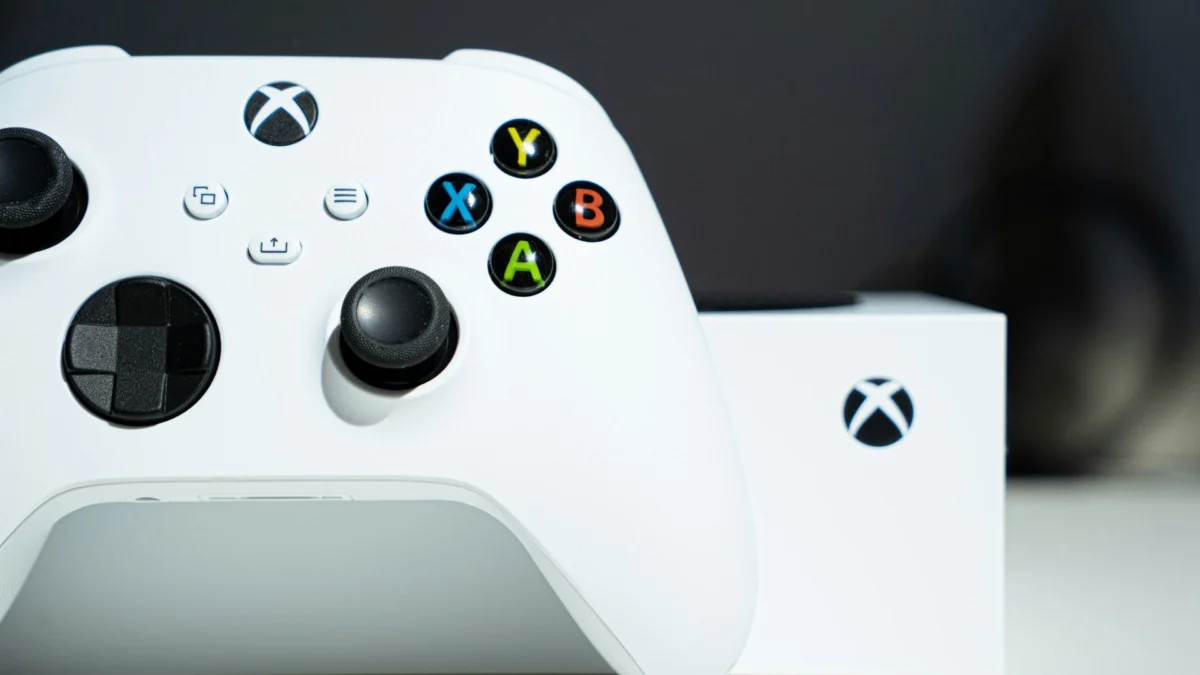
In a definitive move to redefine its operational trajectory, Xbox CEO Asha Sharma has announced a sweeping internal reorganization that signals a departure from recent experimental initiatives. The most immediate impact of this strategy is the cancellation of the "Gaming Copilot" project for consoles and a phased discontinuation of the feature on mobile platforms. This decision, announced via social media and internal memos, marks a significant shift in priorities for the gaming giant as it attempts to reverse recent financial headwinds and streamline its development processes.
Main Facts: The End of Gaming Copilot
The Gaming Copilot, once heralded as a cornerstone of Xbox’s future-facing technological roadmap, is being sidelined. Only months after the company excitedly announced in March that the AI-driven assistant would be coming to current-generation consoles in 2026, the project has been effectively shuttered.
The feature, which entered beta testing on PC, mobile devices, and the ROG Ally throughout 2025, was designed to provide real-time assistance and gameplay guidance. However, under the new leadership of Asha Sharma, the project has been deemed incompatible with the company’s "leaner, faster" mandate. According to official statements, the decision to stop development on consoles and wind down mobile support is rooted in a broader need to eliminate features that no longer align with the company’s core mission: delivering an affordable, personal, and open gaming platform.
Chronology: A Rapid Shift in Strategy
The evolution of Xbox’s current stance can be traced through a series of high-stakes events over the past year:
- Early 2025: Gaming Copilot enters beta testing across PC, mobile, and third-party handhelds, marking a high point for Xbox’s AI integration strategy.
- March 2025: Xbox officially commits to bringing Gaming Copilot to current-gen consoles by 2026, positioning AI as a key pillar of the Xbox ecosystem.
- Mid-2025: Following a 33% decline in hardware revenue and a 5% drop in content and services, internal pressure mounts to reassess the company’s organizational structure.
- Late 2025: Microsoft Gaming announces a return to the "Xbox" brand identity, moving away from broader corporate branding to focus on the gaming-specific heritage.
- Present Day: CEO Asha Sharma announces a major leadership reshuffle, prioritizing core fundamentals over experimental AI features, leading to the immediate cancellation of the console Copilot.
Supporting Data: The Financial Imperative
The decision to pivot is not occurring in a vacuum. Xbox is currently grappling with a challenging economic landscape that necessitates immediate correction. In the third quarter of the fiscal year, Xbox reported a 33% year-over-year decline in hardware revenue. This, coupled with a 5% dip in content and services revenue, has placed significant pressure on leadership to optimize costs and focus on high-impact areas.
Despite these fiscal challenges, the company’s user engagement metrics tell a different story. Xbox has achieved record-breaking monthly active users and streaming hours, suggesting that while the software and hardware business model is struggling, the brand’s reach remains as potent as ever. The challenge, as articulated by both CEO Asha Sharma and CCO Matt Booty, is that the current model is not sustainable. The goal is now to transition these high engagement numbers into a more "sustainable financial model," particularly regarding the expansion of Game Pass and market penetration in emerging regions like China.
Official Responses and Organizational Reshuffle
Asha Sharma’s memo to staff—which was later obtained by industry analysts—was remarkably candid regarding the company’s internal culture. "Right now, it is too hard to ship impact quickly," Sharma admitted. "We spend too much time inward instead of with the community, and we lack the depth we need in some of the fundamentals."
To address these deficits, Sharma is importing talent from Microsoft’s CoreAI division, where she previously served as president. This influx of technical and consumer-focused expertise is intended to shorten the development lifecycle.
The reshuffle includes:
- New Leadership Appointments: The addition of senior executives from CoreAI to oversee platform and ecosystem growth.
- Internal Promotions: Key existing leaders are being moved into roles that emphasize "shipping impact" and fostering closer ties to the developer community.
- Executive Departures: Kevin Gammill, the CVP of the gaming ecosystem organization, is departing the company. Additionally, Roanne Sones, CVP for Xbox devices and ecosystems, is entering a leave of absence with plans to return later in an advisory capacity.
Despite the importation of AI-focused talent, the company maintains that its stance on AI implementation in games remains unchanged. Sharma has previously gone on record stating there is "no bad AI at Xbox," and clarified that the company remains under no external pressure from Microsoft to force AI integration where it does not serve the player.
Implications: What This Means for the Future
The cancellation of Gaming Copilot and the subsequent leadership restructuring indicate that Xbox is entering a period of "back to basics." By prioritizing hardware reliability, content quality, and service sustainability over experimental features, the company is signaling to investors that it is prioritizing profitability and long-term viability over tech-hype.
1. A Focus on "Daily Active Players"
The new strategic mission statement moves away from abstract goals to concrete metrics: increasing daily active users. This shift suggests that future Xbox updates will likely prioritize features that encourage habitual engagement—such as social connectivity, cross-platform progression, and a more aggressive expansion of the Game Pass library—rather than platform-wide AI assistants.
2. Emerging Markets and Global Reach
A significant portion of the new mandate focuses on emerging markets, specifically China. By simplifying the internal organization, Xbox aims to be more agile in responding to the needs of these regions, which often require localized content strategies and specialized hardware pricing that the previous, more rigid internal structure struggled to provide.
3. Sustainability of Game Pass
The "sustainable financial model" mentioned by leadership implies that the era of aggressive, loss-leading growth for Game Pass may be reaching a transition point. Players should expect a more refined, value-driven approach to subscription tiers, likely focused on high-retention titles and a more rigorous evaluation of the content catalog.
4. Cultural Shift: Moving "Outward"
Perhaps the most critical implication of the leadership shuffle is the explicit desire to move the company "outward." For years, critics have argued that Xbox has become overly focused on its own internal ecosystem, leading to delays in shipping features and a disconnect with the gaming community. By empowering leaders with consumer-facing expertise, Xbox is attempting to foster a culture where community feedback—rather than internal corporate bureaucracy—dictates the product roadmap.
Conclusion
The decision to retire the Gaming Copilot and replace key leadership marks a pivotal moment for Xbox. It is a tacit acknowledgment that the strategies implemented during the recent boom years are no longer sufficient to navigate the current, more challenging market conditions.
By pruning its project list and bringing in a new cohort of leaders, Xbox is attempting to build a platform that is leaner, faster, and more responsive. While the loss of a high-tech feature like Copilot may disappoint some, it is a calculated sacrifice aimed at ensuring that the foundational elements of the Xbox experience—hardware, services, and content—remain robust. As Satya Nadella noted, the company is now performing the "foundational work" necessary to win back fans. Whether this new, streamlined approach will yield the growth the company desperately needs remains the most important question for the upcoming fiscal year. For now, the message from the leadership is clear: the model that brought Xbox here is not the one that will take it into the future.









No comments yet. Be the first to join the conversation!