Nana
Nana
In the sprawling, often tumultuous history of the DC Extended Universe (DCEU), few creative divergences are as debated as the tonal shift between the foundational vision of Zack Snyder and the eventual, more populist direction taken by the studio. While James Wan’s 2018 Aquaman eventually sailed to a massive billion-dollar box office success, new insights have revealed that the character’s cinematic debut was originally conceived as a far darker, more personal, and culturally grounded odyssey.
Zack Snyder, who served as the architect of the DCEU’s early phase, recently pulled back the curtain on a version of the Aquaman mythos that never made it past the conceptual stage. This "lost" vision focused heavily on the intersection of Arthur Curry’s dual heritage, transforming his signature tattoos from aesthetic choices into fundamental narrative pillars.
The Foundations of the Snyderverse Aquaman
Long before the Justice League production became a flashpoint for studio-fan conflict, Warner Bros. had granted Zack Snyder significant creative latitude. Snyder was intended to be the guiding hand for the solo films of the core Justice League members, including Jason Momoa’s Arthur Curry.
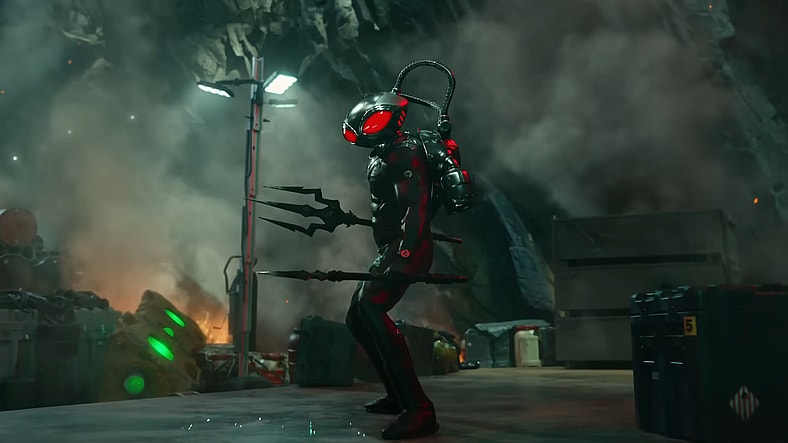
Snyder’s pitch was characterized by a grit and mythological weight that had defined his Man of Steel and Batman v Superman: Dawn of Justice. In his version of the script, Aquaman was not merely a high-fantasy adventure; it was a visceral, character-driven story about the trauma of loss and the burden of legacy. Central to this vision was a more direct, fatal confrontation between Arthur Curry and his arch-nemesis, Black Manta, designed to ignite a lifelong blood feud that would have reverberated through the entirety of the character’s journey.
A Chronology of the Conceptual Development
To understand the departure from Snyder’s plan, one must look at the intended trajectory of the character’s emotional development.
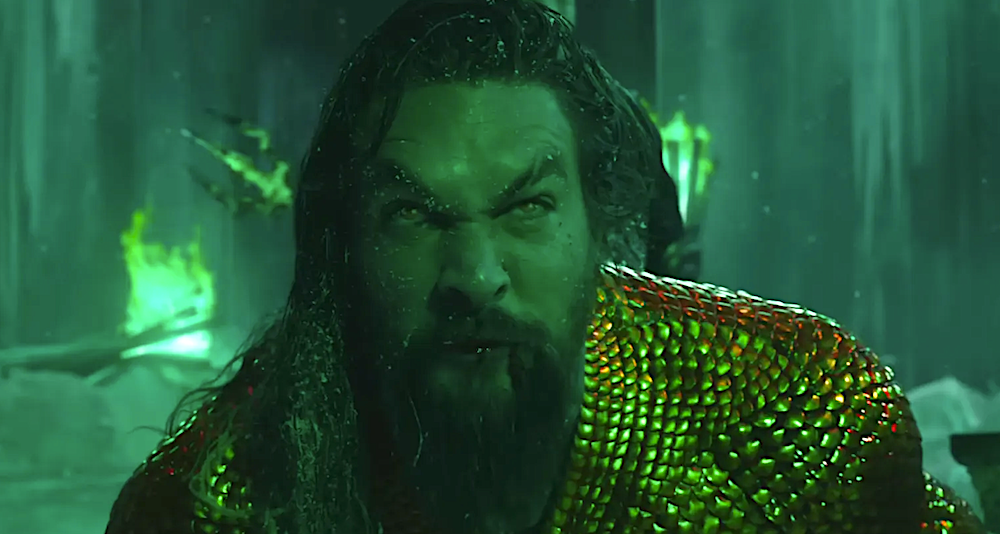
- The Origin of the Tattoos: Snyder’s vision prioritized honoring Jason Momoa’s Pacific Islander roots. In this original narrative, the tattoos were not simply a byproduct of Atlantean royalty, but a sacred, physical manifestation of grief.
- The Fatal Catalyst: The catalyst for the film’s central conflict was the death of Arthur’s father, Thomas Curry, at the hands of Black Manta’s father during the first act.
- The Ritual of Remembrance: Following his father’s death, Arthur was to take his ashes to the Pacific islands for a traditional ritual cremation. During this ceremony, he would receive the tattoos—a process made possible only by a unique Atlantean needle provided by Vulko. This needle was specifically engineered to pierce Arthur’s nearly impenetrable Atlantean skin, marking the tattoos as a permanent, painful testament to his loss.
- The Pivot to Production: As the DCEU underwent internal restructuring following the mixed reception of Batman v Superman and the production challenges of Justice League, the studio began favoring a more traditional, "blockbuster-friendly" tone. This led to the hiring of James Wan, whose stylistic choices favored vibrant, high-fantasy visuals over the somber, grounded realism favored by Snyder.
Supporting Data: Cultural Integration vs. Blockbuster Aesthetic
The difference between the two versions of Aquaman highlights a common tension in modern franchise filmmaking: the balance between creative auteurism and mass-market appeal.
Snyder’s approach to the tattoos was designed to create a "plot device" that physically bridged the gap between Arthur’s Pacific Islander heritage and his Atlantean identity. By linking the tattooing process to a specifically designed Atlantean needle, Snyder intended to deepen the lore of the world-building, suggesting that Atlantean technology had long interacted with human history.
Conversely, the version of Aquaman that reached theaters leaned into the "campy" and high-adventure tropes of the genre. While the film was undeniably successful, critics and fans have often noted that the rivalry between Aquaman and Black Manta felt somewhat secondary to the broader spectacle of Atlantis. By removing the death of Thomas Curry as the primary driver of the narrative, the studio replaced a deeply personal vendetta with a more standard "hero vs. villain" dynamic.
Official Responses and Creative Reflections
Zack Snyder has been transparent about these differences via his social media presence, particularly on Instagram, where he has engaged with fans regarding the "Snyder Cut" of Justice League and his original intentions for the solo outings.
"Right, so this concept was developed by me and Jason Momoa before the films were made, to honor his Pacific Islander roots," Snyder explained. "Vulko, tasked by his mother to watch over him, provides the Samoan tattoo artist with a special Atlantean needle that can pierce Arthur’s dense skin. The tattoos become a permanent inscription of that loss and identity, bridging his Pacific Islander heritage with his Atlantean lineage—and this loss also creates the blood feud between Arthur and Black Manta that drives the larger conflict."
While James Wan has never publicly refuted these conceptual ideas, he has frequently stated that his goal was to create a distinct, fun, and visually spectacular film that stood on its own merits. The studio, meanwhile, was clearly satisfied with the direction taken, given the film’s $1.1 billion global box office performance.
The Implications of the "Lost" Vision
The existence of this alternate script raises significant questions regarding the nature of corporate franchise management.
1. Tone and Audience Reception
The "brighter, campier" approach taken by Warner Bros. effectively shielded the film from the "dark" criticisms often levied against Snyder’s films. However, by opting for a lighter tone, the studio may have sacrificed the potential for a deeper, more enduring emotional resonance. The rivalry between Aquaman and Black Manta is arguably one of the most compelling in DC history, and by softening its origin, the film may have missed an opportunity to elevate the characters beyond the standard superhero archetypes.
2. The Impact of Corporate Oversight
Warner Bros.’ decision to pivot away from Snyder’s vision in the mid-2010s was driven by a desire for stability. The success of Aquaman served as validation for this strategy, leading the studio to move away from the interconnected, vision-driven model. Yet, the subsequent years of uncertainty regarding the DC Universe—culminating in the current reboot under James Gunn and Peter Safran—suggest that the "complacency" brought on by the success of Aquaman may have ultimately been a short-term solution to a long-term problem.
3. Cultural Representation
Snyder’s desire to turn Jason Momoa’s heritage into a narrative engine rather than a visual aesthetic represents a more modern approach to superhero storytelling. By tying the tattoos to a specific, culturally resonant ritual, the film could have provided a more nuanced look at Arthur Curry’s identity. The loss of this narrative arc means that the "Pacific Islander" aspect of the character remains largely surface-level, rather than a driving force behind his character growth.
Conclusion: What Could Have Been?
While we will likely never see the "Snyder Cut" of Aquaman, the leaked details of his original plan provide a fascinating look at the "what ifs" of the DCEU. The narrative he proposed—a story of blood feuds, ritual, and the heavy price of duty—would have undoubtedly resulted in a starkly different cinematic experience.
Whether one prefers the high-octane spectacle of the released Aquaman or the potentially melancholic, character-driven vision of Snyder, the debate serves as a reminder that behind every billion-dollar blockbuster lie thousands of pages of discarded scripts, abandoned concepts, and the creative friction that defines the modern blockbuster era. As the DC Universe prepares to reinvent itself once more, the legacy of these "lost" ideas will remain a point of intrigue for fans who wonder what might have happened had the studio stayed the course with the architect of the Justice League.

 Sagoh
Sagoh
 Ammar Sabilarrohman