Evan Lee Salim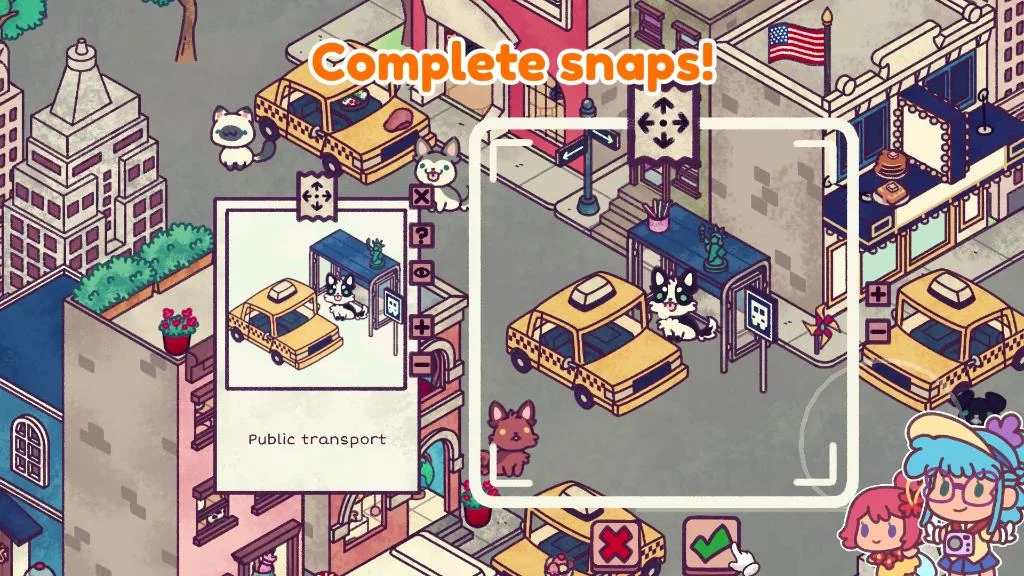
In an era defined by fast-paced, high-stakes competitive gaming, a quiet revolution is taking place in the palm of our hands. The "cozy game" genre—a category of titles defined by low-stress mechanics, charming aesthetics, and a focus on relaxation—has seen a meteoric rise. Standing at the forefront of this movement is Ogre Pixel, the independent studio behind the beloved Lonesome Village. The team has officially launched their latest endeavor, "Hidden around the World," a premium hidden-object adventure now available on Android and iOS.
This title isn’t just another seek-and-find game; it is a meticulously crafted, hand-drawn love letter to global travel. By combining the classic joy of discovery with creative sandbox elements, Ogre Pixel invites players to slow down, explore iconic cities, and capture wholesome moments, all at their own pace.
Main Facts: What is "Hidden around the World"?
"Hidden around the World" is a premium mobile experience that transports players into a vibrant, hand-drawn global journey. Players step into the shoes of Laly, an inquisitive traveler accompanied by her whimsical fairy companion, Coronya. Together, they embark on a quest that spans 12 of the world’s most iconic cities, including Paris, Tokyo, New York, Venice, and Mexico City.

The gameplay loop is refreshingly simple yet deeply rewarding. Players must explore beautifully detailed, static scenes to locate specific hidden objects and capture "snapshots" of their surroundings. Completing these missions grants players gacha machine tickets, which can be exchanged for decorative items. These items are then used in the game’s robust sandbox mode, allowing players to personalize and beautify the in-game environments.
The game offers approximately four hours of core gameplay, with that figure extending to seven or more hours for completionists. With a price point of $2.99, it positions itself as a premium, ad-free experience that respects the player’s time, avoiding the grind-heavy loops often found in free-to-play mobile titles.
The Chronology of Development
The journey of "Hidden around the World" began in the creative hub of Aguascalientes, Mexico. Ogre Pixel, known for its commitment to "meaningful gaming," approached this project with a distinct goal: to merge the satisfaction of hidden-object puzzles with the creative agency of a decoration simulator.

The Genesis of an Idea
According to Steve Duran, the lead developer at Ogre Pixel, the concept took shape during a brainstorming session focused on finding a unique intersection between puzzle-solving and player expression. The "aha!" moment arrived unexpectedly, sparked by the presence of an Instax camera in the studio. The team realized that the act of framing a shot, composing a scene, and finding beauty in the details was a perfect thematic bridge for a game.
From Concept to Global Launch
The development process was defined by a series of iterative design choices. The team had to balance the technical challenge of abstracting massive, complex real-world cities—like the sprawling metropolis of Tokyo or the historical density of Rome—into compact, digestible, hand-drawn levels. By the time the project reached its final stages, the team had decided to cap the city count at 12 to ensure the highest quality of art and performance. This decision allowed the team to maintain a tight, polished experience that launched simultaneously across mobile platforms.
Supporting Data: By the Numbers
To understand the scope of the project, one must look at the mechanical depth embedded within the game’s design:

- 12 Iconic Cities: Each level represents a distinct geographic and cultural biome.
- 4–7 Hours of Gameplay: A carefully calibrated duration that prevents the experience from overstaying its welcome while providing enough content to feel substantial.
- Sandbox Integration: A secondary mode that serves as the primary driver for replayability, allowing players to use their hard-earned rewards to customize spaces.
- Accessibility: The inclusion of "help" options ensures that the game remains accessible to all skill levels, reinforcing the "relaxation-first" philosophy.
- Premium Pricing: Priced at $2.99, the game avoids the intrusive microtransactions and predatory mechanics that often plague the hidden-object genre.
Official Responses: Developer Insights
In an exclusive discussion with GamingonPhone, Steve Duran provided a rare glimpse into the philosophy driving Ogre Pixel. When asked about the studio’s identity, Duran described the team as a "group of passionate guys" united by a singular mission: to leave a lasting, positive mark on the players who engage with their work.
Prioritizing Relaxation
"We wanted the player to focus on relaxation," Duran explained. This directive informed every design decision, from the color palette to the UI. The "help" system, often criticized in other games as a crutch, was purposefully implemented here as a feature to remove the stress of being "stuck."
The Challenge of Representation
The most significant hurdle during development, according to Duran, was the act of architectural abstraction. "Creating the real-life buildings and monuments… we had to abstract really big places and buildings into small pieces." Because the team had not personally visited every location, they relied on extensive research. "We googled most of the places," Duran admitted, with the exception of their home base, Mexico City.

The team’s hope for the final product is profoundly sentimental. They don’t just want to be a digital diversion; they hope that if a player ever travels to one of the cities featured in the game, they might look at the scenery and recall the joy they found within "Hidden around the World."
Implications: The Future of "Cozy" Gaming
The release of "Hidden around the World" highlights a significant shift in the mobile market. As players experience "burnout" from high-intensity competitive titles, the demand for "wholesome" or "cozy" experiences is surging. Ogre Pixel’s success demonstrates that there is a viable market for premium, mid-sized indie games that offer a complete, non-grindy experience.
Challenging the "Free-to-Play" Narrative
By choosing a premium model, Ogre Pixel is challenging the industry standard that mobile games must be "service-based" to be profitable. This approach allows for a more cohesive, intentional narrative and gameplay structure. The success of this title could signal to other indie studios that players are willing to pay for quality, ad-free, and emotionally resonant experiences.

The Role of Replayability
A common criticism of hidden-object games is that once you find all the items, the game loses its value. By integrating the sandbox mode, Ogre Pixel has successfully solved this. Players are not just playing to find items; they are playing to earn the "currency" required to build their own version of these cities. This shift from passive observer to active creator is a masterstroke in design that elevates the game beyond its peers.
Final Verdict: Why You Should Play
"Hidden around the World" is a rare gem in the mobile space. It is a game that respects its audience, offering a beautiful, stress-free escape that feels both personal and expansive. Whether you are a fan of the hidden-object genre or simply looking for a way to unwind after a long day, the game provides a sanctuary of discovery.
With its charming hand-drawn visuals, soothing soundtrack, and the delightful ability to pet virtual dogs while exploring the world’s most beautiful parks and cafes, the game is a triumph of design. It serves as a reminder that games do not always need to be challenging to be rewarding; sometimes, they just need to be kind.

Download Information:
"Hidden around the World" is available now for $2.99. You can download the title via the Google Play Store or the Apple App Store.
For more in-depth coverage of the indie gaming scene, continue following our Indie Spotlight series, and feel free to reach out to our editorial team with your own development stories.


 Basiran
 Ali Ikhwan